Home Advice Career development and skills
Career development and skills
Planning a direction, building a skill, and naming and proving the ones you already have.

Communication skills at work
Communication skills are the abilities you use to understand what other people need at work and to get your own information across to them.

Farewell message to a colleague
Farewell message examples for a colleague who's leaving, from close teammates and managers to retirements and team cards, plus what to write.
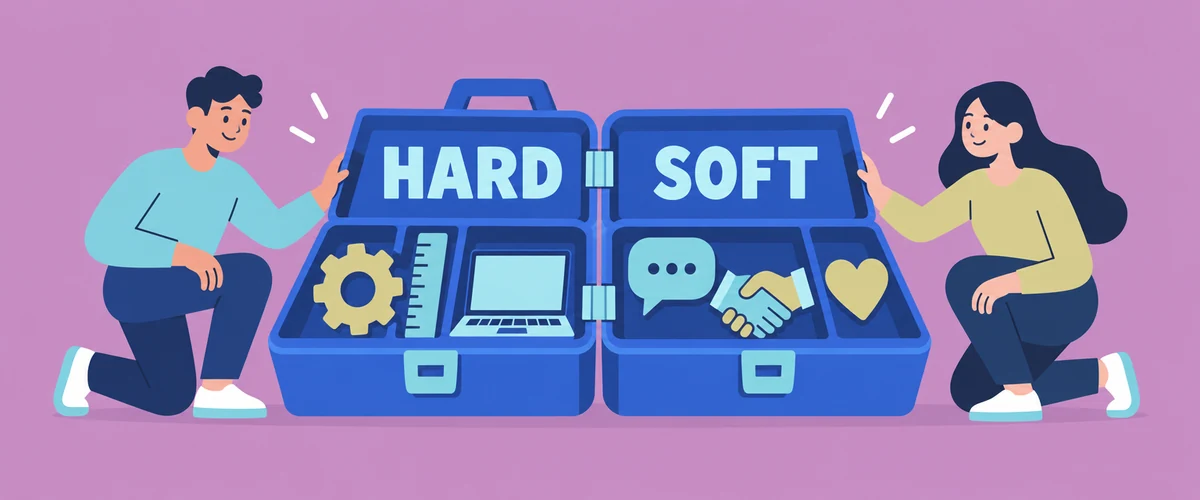
Hard skills and soft skills
Hard skills are the technical abilities a particular job calls for, such as preparing a pay run, framing a wall or writing code.

Highest paying jobs in Australia, by median pay
The ATO top 10 ranks average taxable income rather than salaries. This page ranks 264 Australian occupations by typical full-time pay instead, with hours, entry requirements and projected growth alongside, and a filter for jobs that don't need a degree.
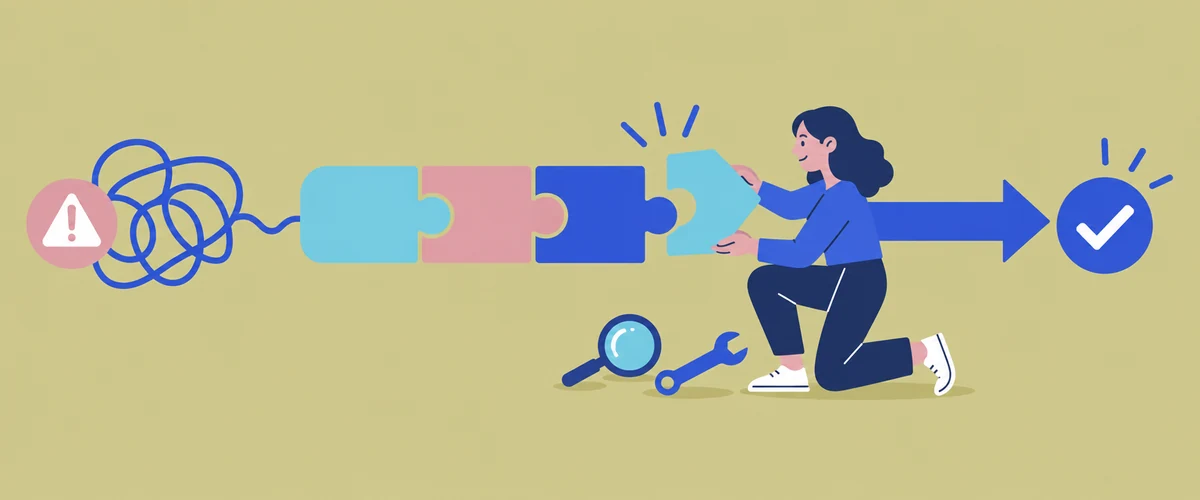
Problem solving skills
Problem solving skills are what let you notice that something at work isn't going to plan, work out why, choose a fix and check that it worked.

SMART goals at work, with examples for different jobs
What SMART goals are, where the idea came from, examples for six different jobs, and how to use them in performance reviews and career plans.

The most useful degrees in Australia, by graduate outcomes
Graduate employment rates and starting salaries for every study area, from the 2025 Graduate Outcomes Survey, plus which professions are in shortage.

Time management at work
Time management at work comes down to a few decisions you make again and again: what gets your attention first, how you protect time for work that needs concentration, and how you adjust when the day doesn't go to plan.

Transferable skills
Transferable skills are the skills you can take from one job into another, even when the job title, industry or workplace changes.
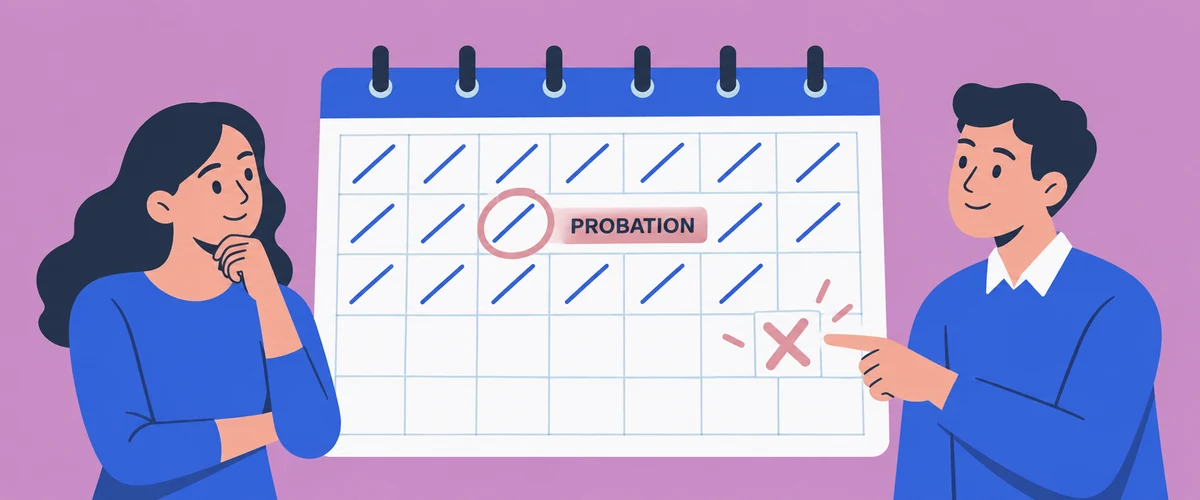
What a probation period means, and when you're protected
Probation is a contract term your employer sets. Unfair dismissal protection starts on a completely different date set by the Fair Work Act, and the two often don't match. Here's how to work out both dates for your own job.