Home Science & Environment
Science & Environment careers
Roles in Science & Environment: what they pay, where they're heading and how to get in.
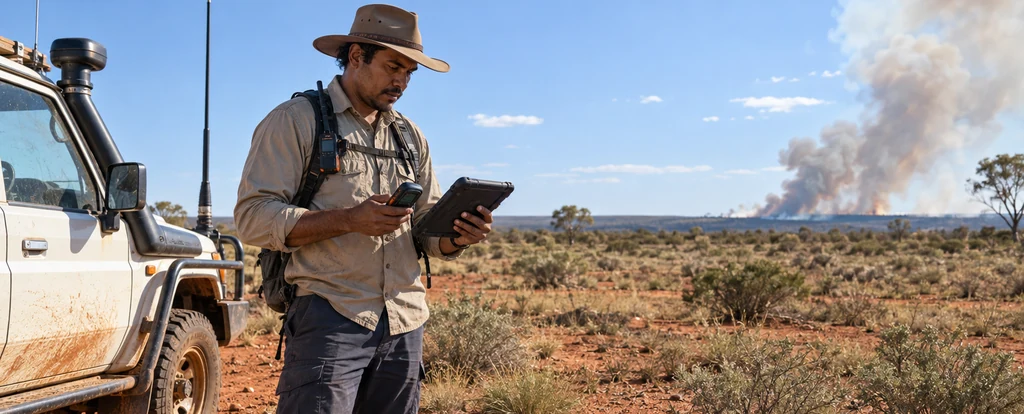
Aboriginal and Torres Strait Islander Ranger
Aboriginal and Torres Strait Islander rangers look after country, using cultural knowledge and land management skills to care for plants, animals, fire and heritage sites.
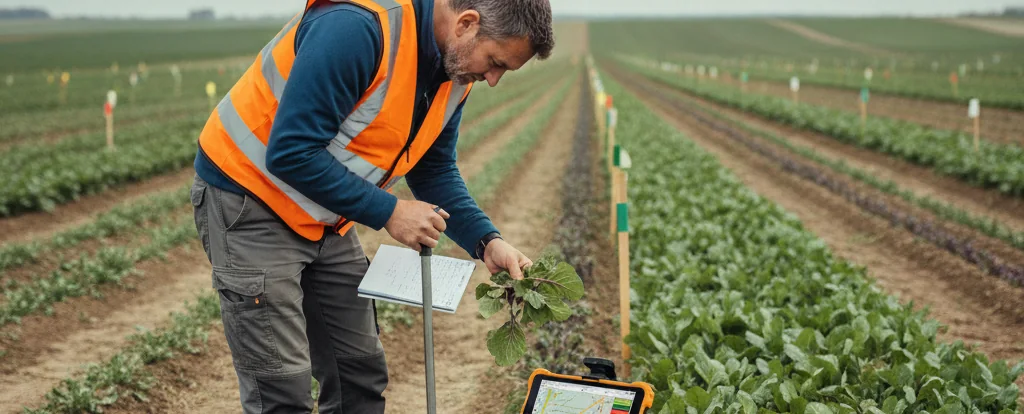
Agronomist
Agronomists advise farmers on how to get the best result from their soil and crops, using science to work out what's going wrong in a paddock and what to do about it.
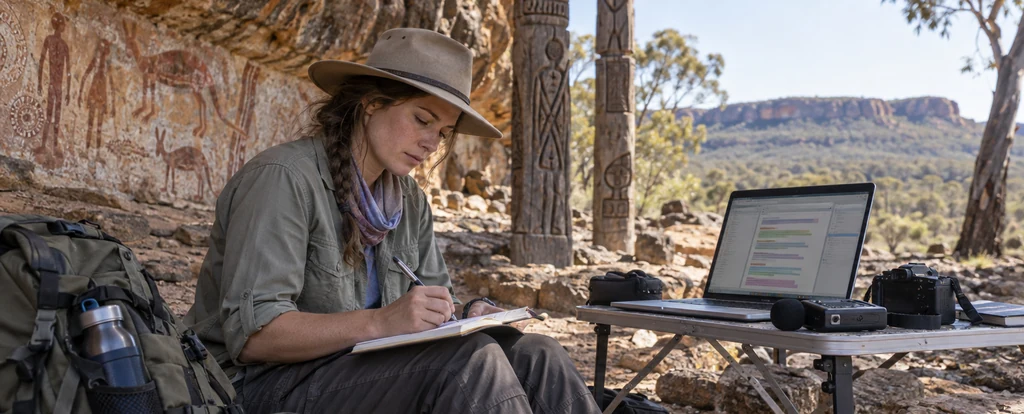
Anthropologist
Anthropologists study how people live and organise their lives, usually through long-term fieldwork within a community.
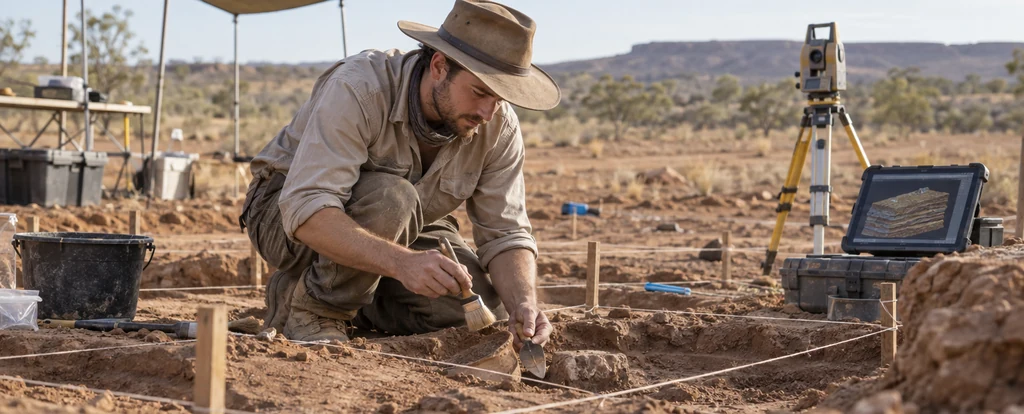
Archaeologist
Archaeologists piece together how people lived in the past from the objects, structures and landscapes they left behind, and much of the work today is assessing and protecting heritage sites before development goes ahead.
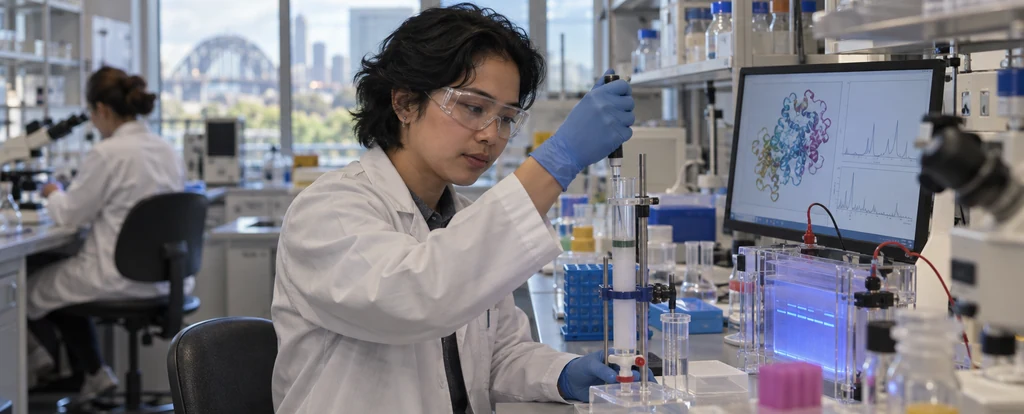
Biochemist
Biochemists study the chemical reactions inside living things, work that underpins new medicines, diagnostic tests and food production.
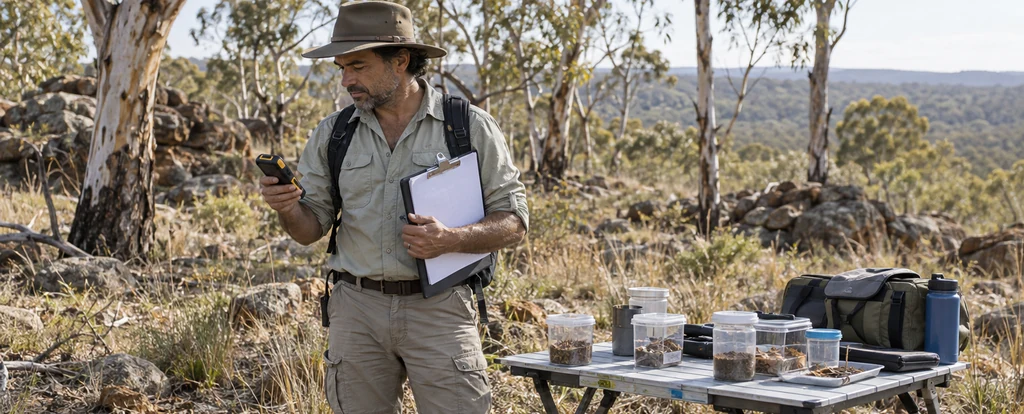
Biologist
Biologists study living things, from individual species to whole ecosystems, to understand how they work and how they are changing.
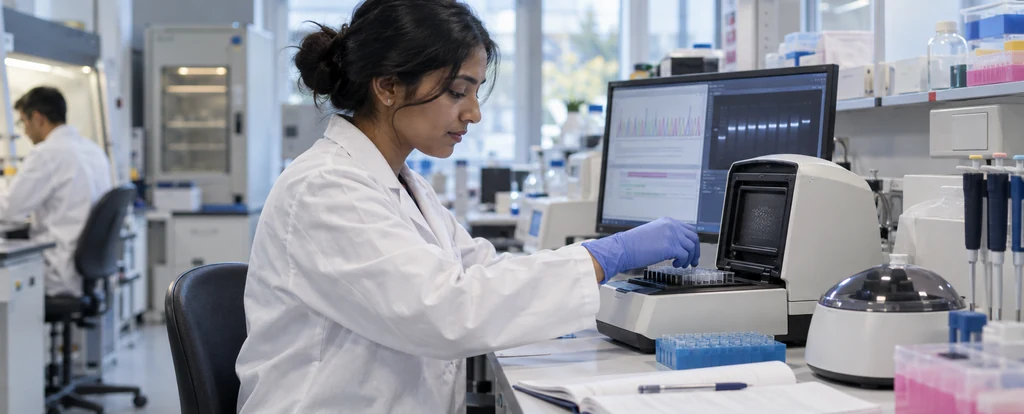
Biotechnologist
Biotechnologists use living cells and molecular techniques to develop products and processes, from medicines and vaccines to diagnostic tests and improved crops.
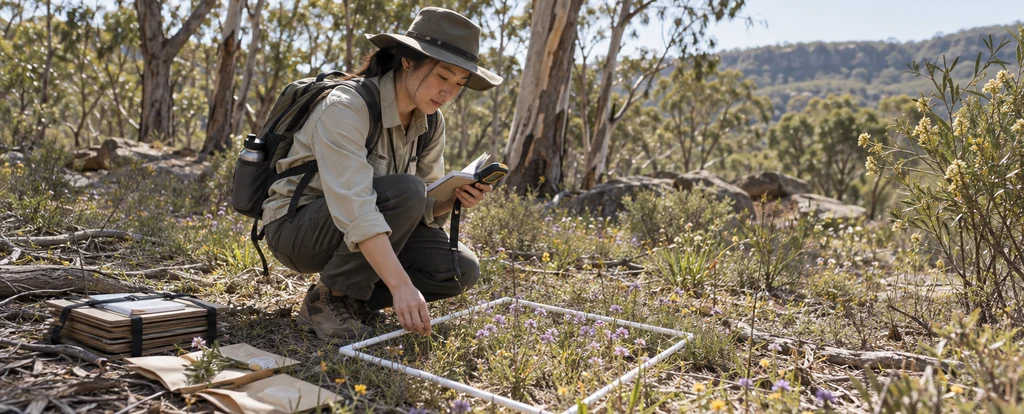
Botanist
Botanists identify and classify plants, study how plant communities respond to change, and turn that knowledge into advice on conservation, land management and biosecurity.
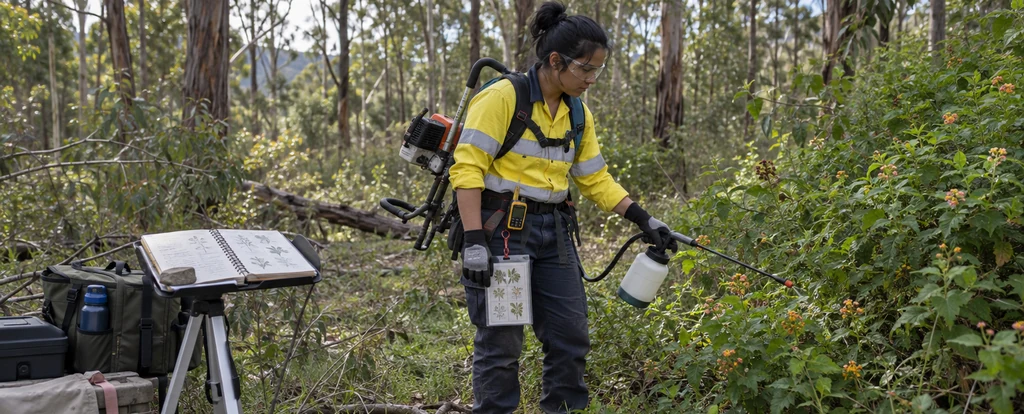
Bush Regenerator
Bush regenerators restore degraded bushland by controlling weeds, replanting local species and tracking how a site recovers.

Cartographer
Cartographers turn geographic data into maps and spatial products that planners, resource companies and emergency services use to make decisions.
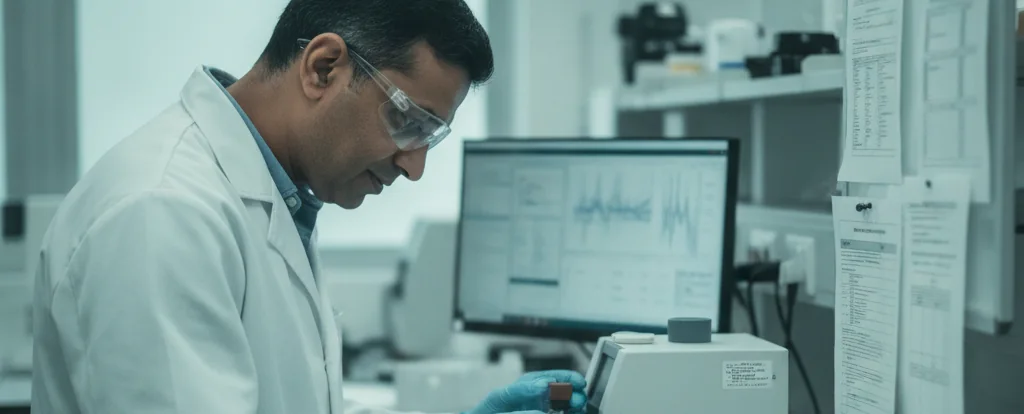
Chemist
Chemists study what substances are made of and how they react, then use that to develop new materials, test product quality or improve a manufacturing process.
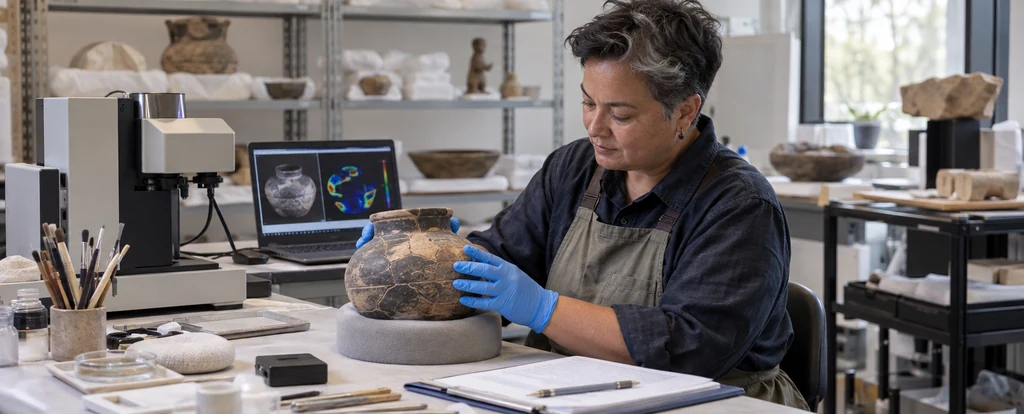
Conservator
Conservators treat and care for artworks, artefacts and archival collections so they survive for the long term.
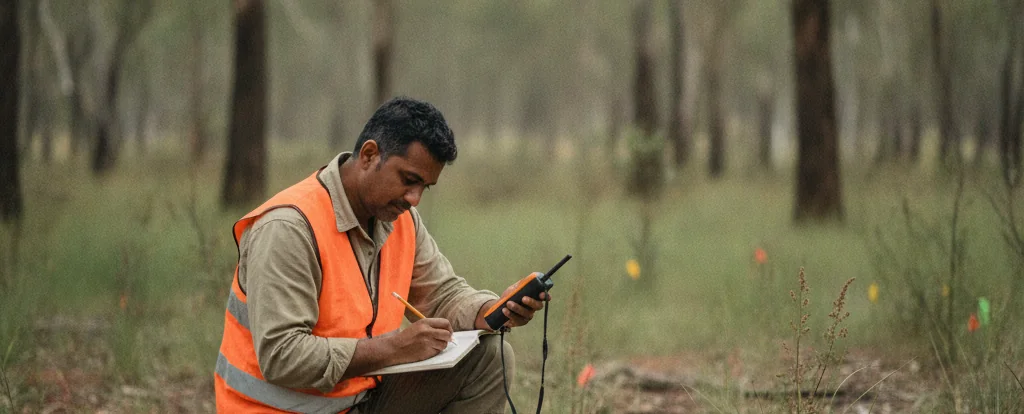
Ecologist
Ecologists study how plants, animals and their habitats interact, and use that evidence to guide conservation, land management and development decisions.
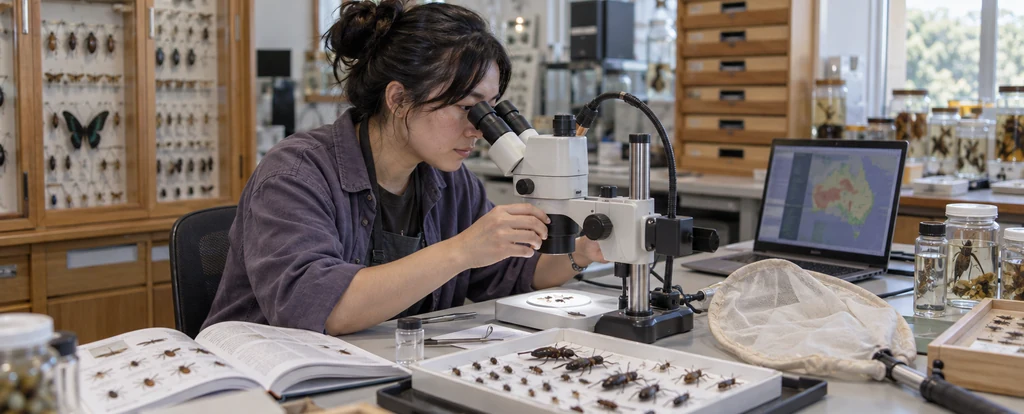
Entomologist
Entomologists study insects and the roles they play in ecosystems, from pollinating crops to spreading disease and recycling nutrients.
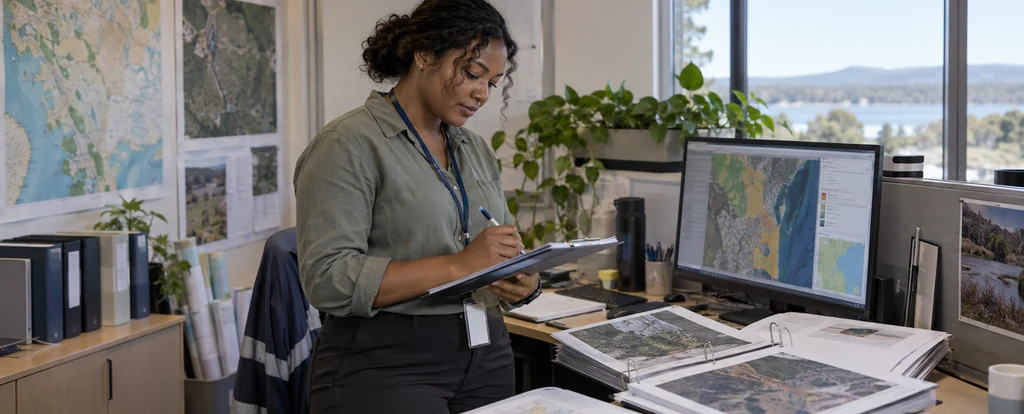
Environmental Manager
Environmental managers keep an organisation's operations within environmental law, running the systems that monitor and reduce its impact on land, water and air.
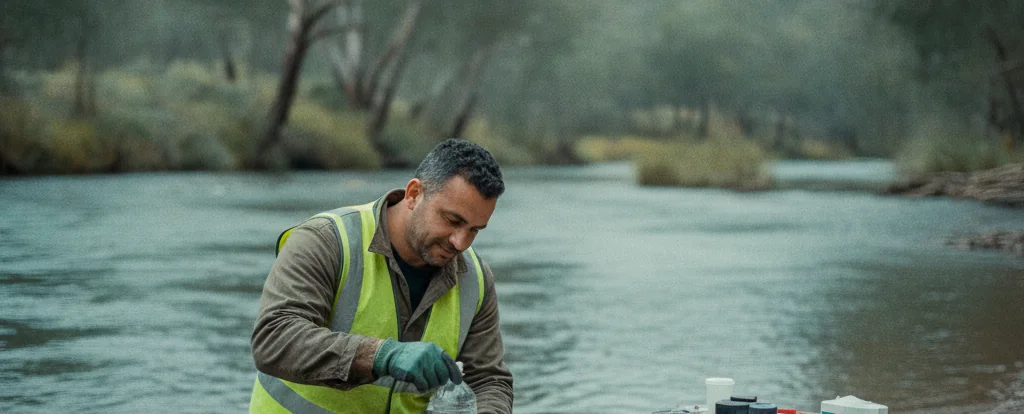
Environmental Scientist
Environmental scientists investigate how human activity affects land, water and air, and use that evidence to guide how a site is managed or developed.
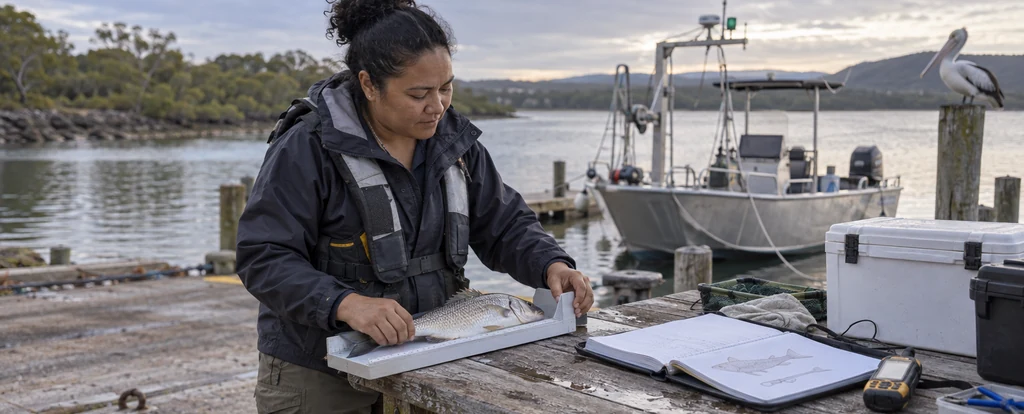
Fisheries Scientist
Fisheries scientists work out how much fishing a stock can take, using field surveys and population models to advise on catch limits and conservation.

Food Scientist
Food scientists develop and test food products, working out how a recipe behaves over its shelf life and whether it can be made reliably at scale.

Forensic Scientist
Forensic scientists examine physical evidence from crime scenes and help police and courts establish what happened.
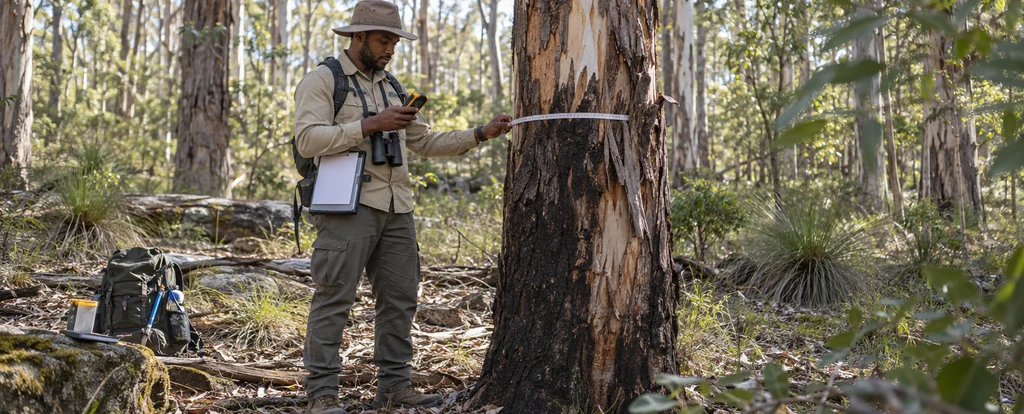
Forester
Foresters plan how forests are harvested, replanted and protected, balancing timber production with conservation and fire risk.
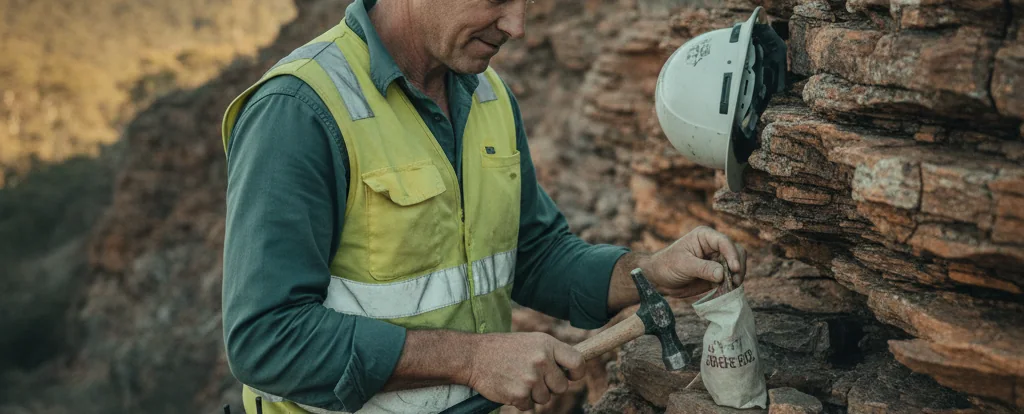
Geologist
Geologists study the rock, soil and subsurface structure of the earth to work out where resources lie, how stable the ground is and what hazards it poses.

GIS Analyst
GIS analysts turn location data into maps and models that planners, engineers and environmental managers use to make decisions.

Hydrogeologist
Hydrogeologists study how water moves through rock and soil underground, so mines, farms and towns can find, use and protect the groundwater they depend on.
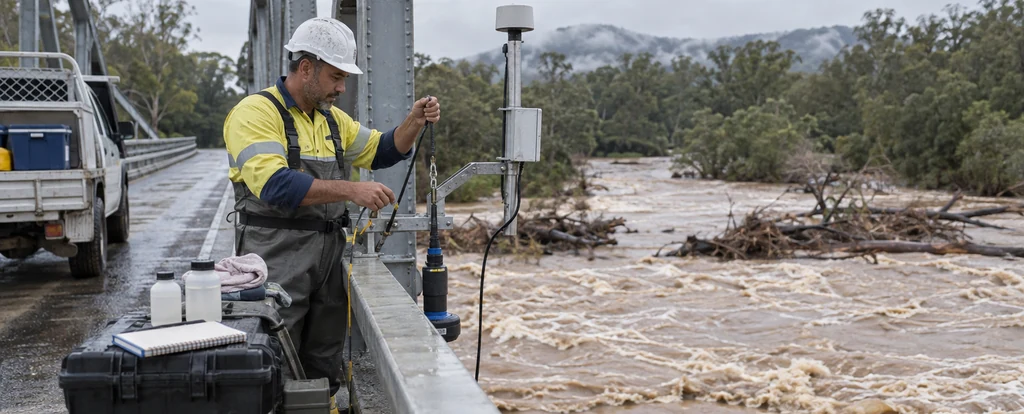
Hydrographer
Hydrographers measure the flow, level and quality of water in rivers, storages and aquifers, and the records they keep underpin flood warnings, water licensing and the design of dams and bridges.
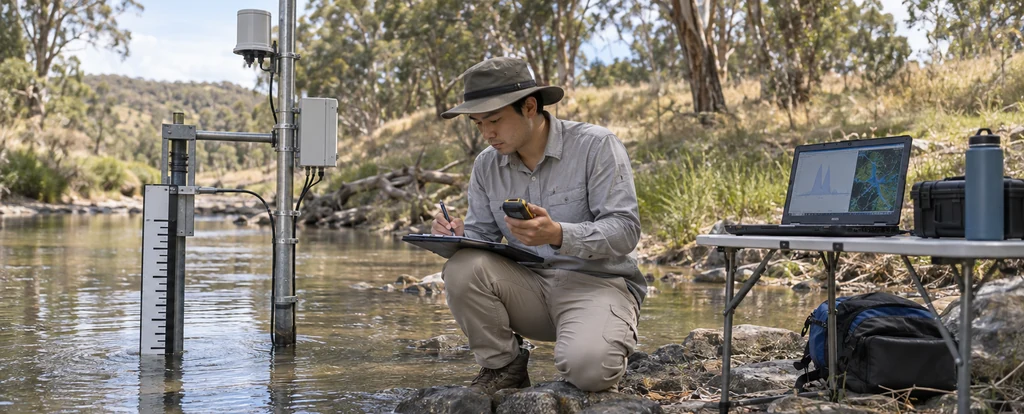
Hydrologist
Hydrologists work out how water moves through catchments, rivers and aquifers, and what that means for floods, water supply and the health of rivers.
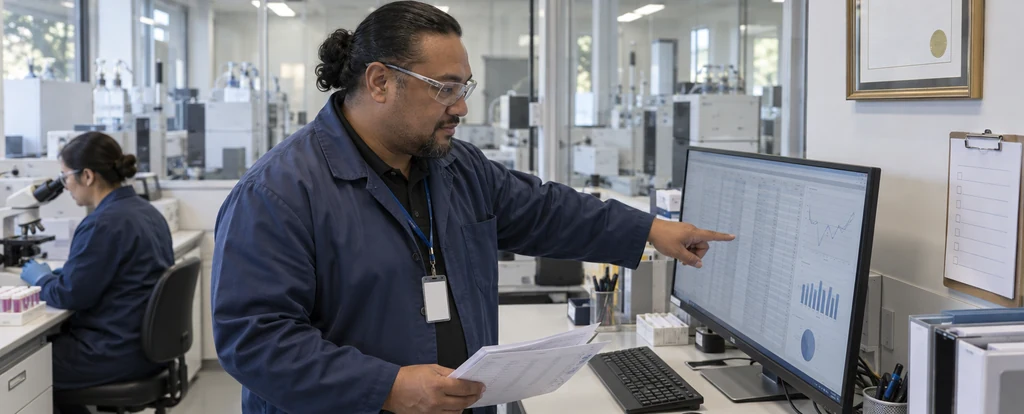
Laboratory Manager
Laboratory managers run the day to day operations of a testing or research laboratory, keeping results accurate, staff safe and turnaround times on track.
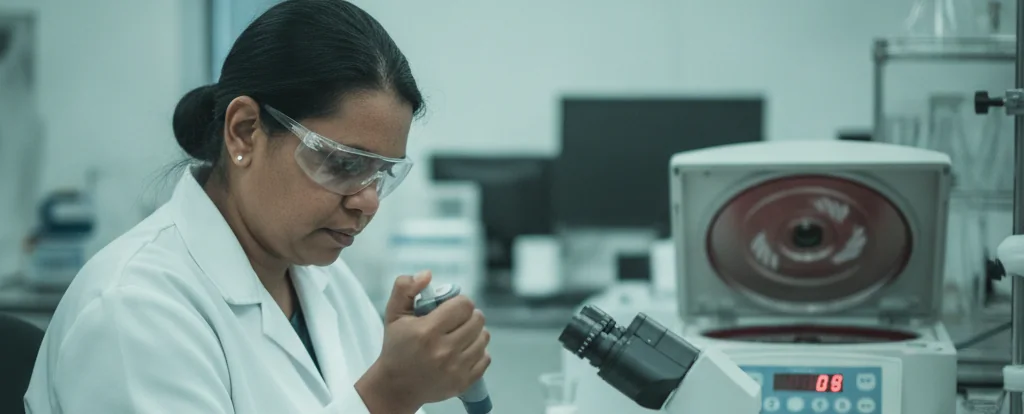
Laboratory Technician
Laboratory technicians prepare and test biological, chemical or environmental samples, then record the results that scientists, clinicians and regulators rely on.
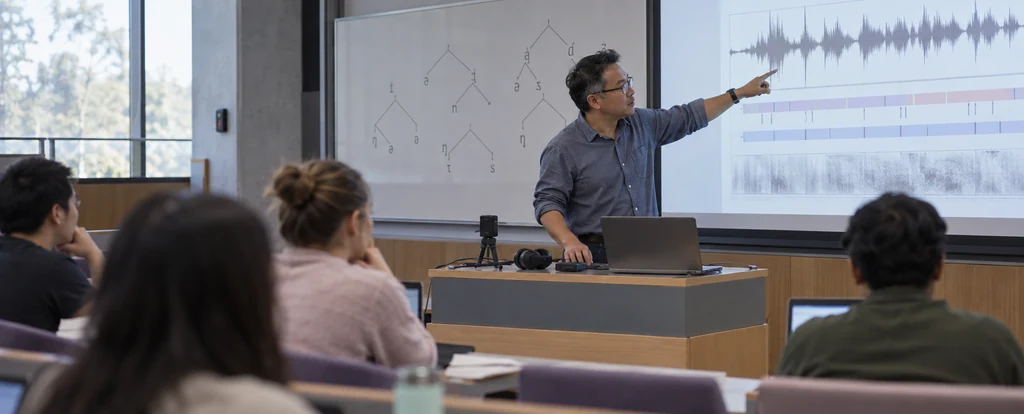
Linguist
Linguists study how language is structured and used, work that supports language teaching, the documentation of endangered languages and language technology.
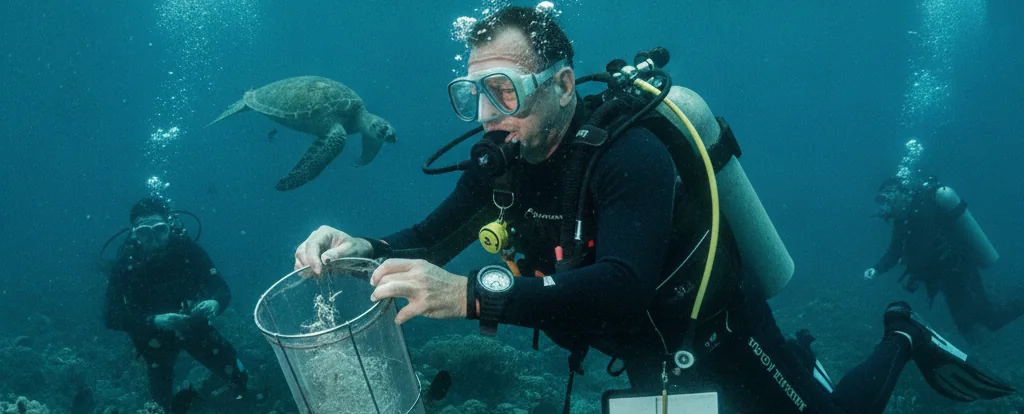
Marine Biologist
Marine biologists study the animals and plants of the ocean, from reef fish to whale populations, and the habitats they depend on.

Mathematician
Mathematicians build and analyse the models that researchers, governments and businesses use to forecast, optimise and decide.
Metallurgical Technician
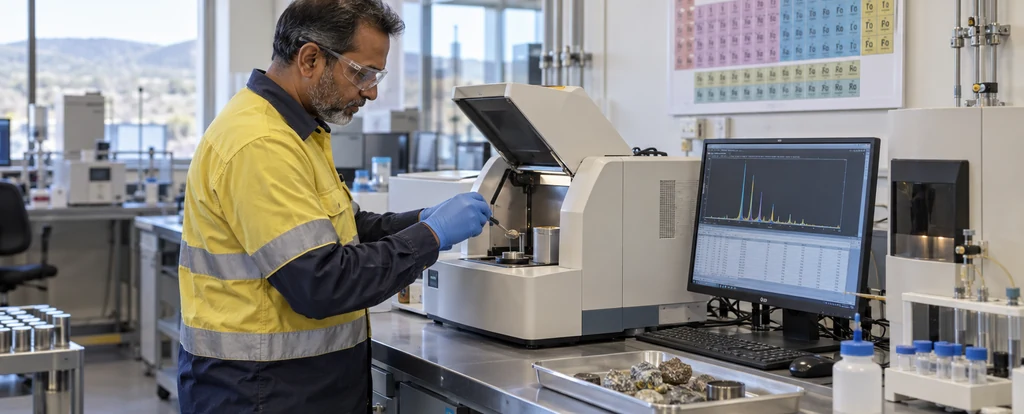
Metallurgical technicians test ore, concentrate and metal samples, and their results tell a processing plant how much metal it is recovering and where it is losing it.
Meteorologist
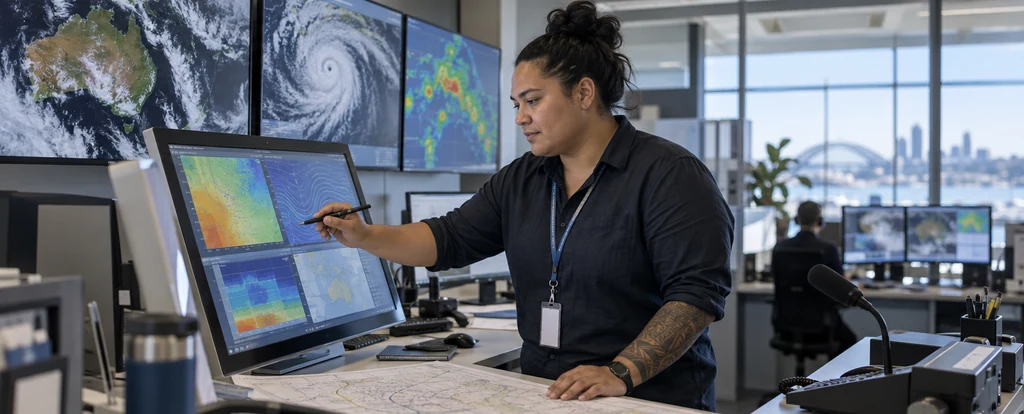
Meteorologists study the atmosphere and forecast its behaviour, and their warnings help communities, aviation and agriculture prepare for hazardous weather.

Microbiologist
Microbiologists study bacteria, viruses, fungi and other microscopic organisms to understand how they behave and what they do to people, food and the environment.
Neuroscientist
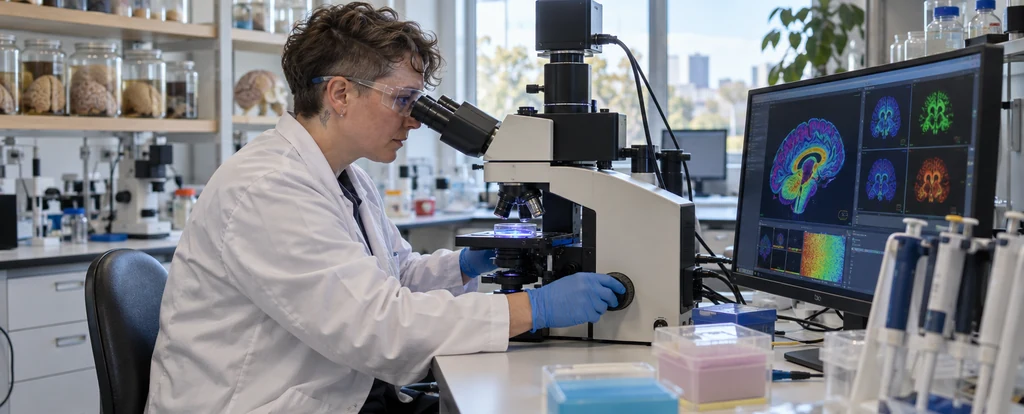
Neuroscientists investigate how the brain and nervous system work, and what changes in neurological and mental health conditions.
Occupational Hygienist
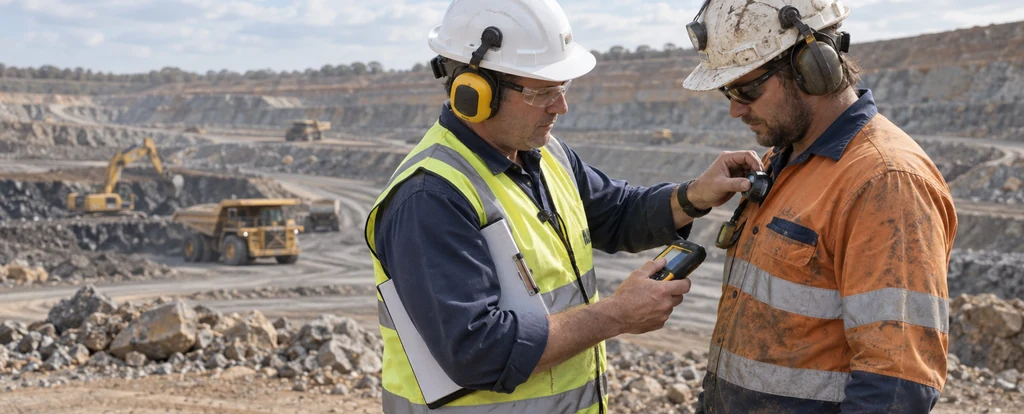
Occupational hygienists work out which workplace hazards are damaging people's health, then help design the controls that bring the exposure down.
Park Ranger
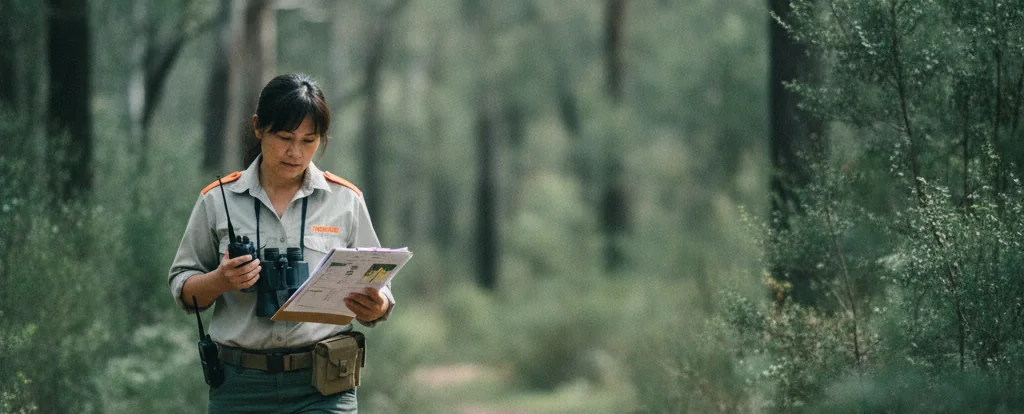
Park rangers manage national parks and other protected areas, looking after the tracks, wildlife and visitors within them.
Pharmacologist
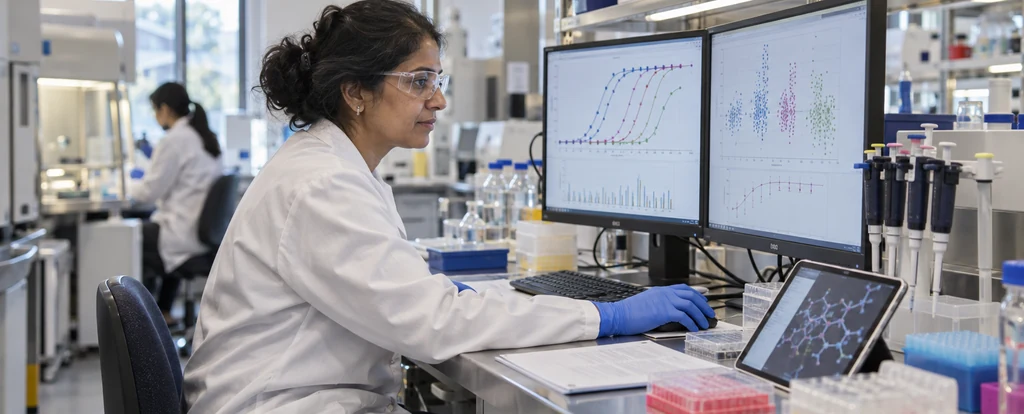
Pharmacologists study how a drug moves through the body and what it does there, which is how a promising compound is judged safe enough to test in people.

Physicist
Physicists study how matter, energy and forces behave, testing theories against experiments and data at scales from subatomic particles to galaxies.
Research and Development Manager
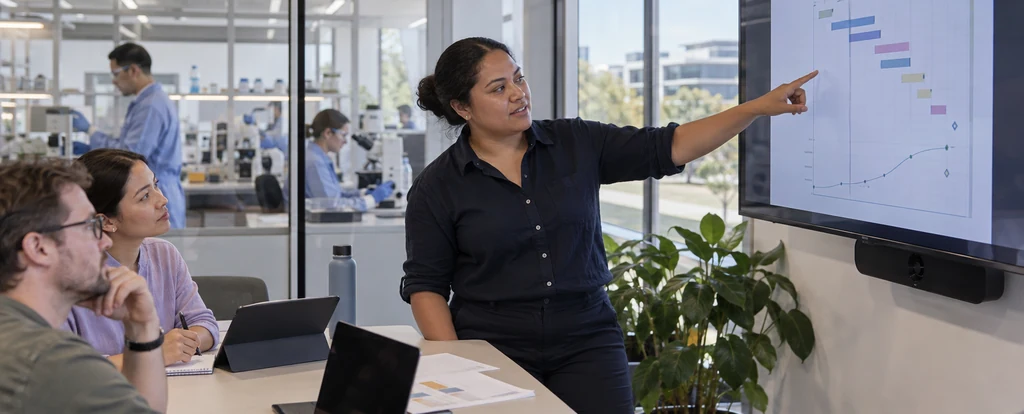
A research and development manager runs the scientific and technical programmes that turn an organisation's research into products and processes it can use.

Sociologist
Sociologists study how societies, groups and institutions work, and their research feeds into public policy, community programs and public debate.
Soil Scientist
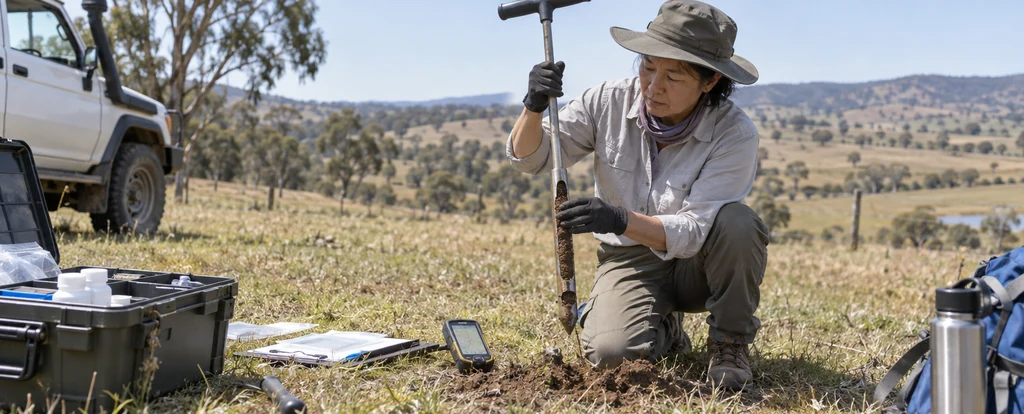
Soil scientists study how soils form, behave and change, and their findings guide how land is farmed, built on and restored.

Statistician
Statisticians design how data is collected and then work out what it means, so decisions in health, science, government and finance rest on evidence.

Sustainability Consultant
Sustainability consultants help organisations work out their environmental and social impact, then change how they operate to reduce it.
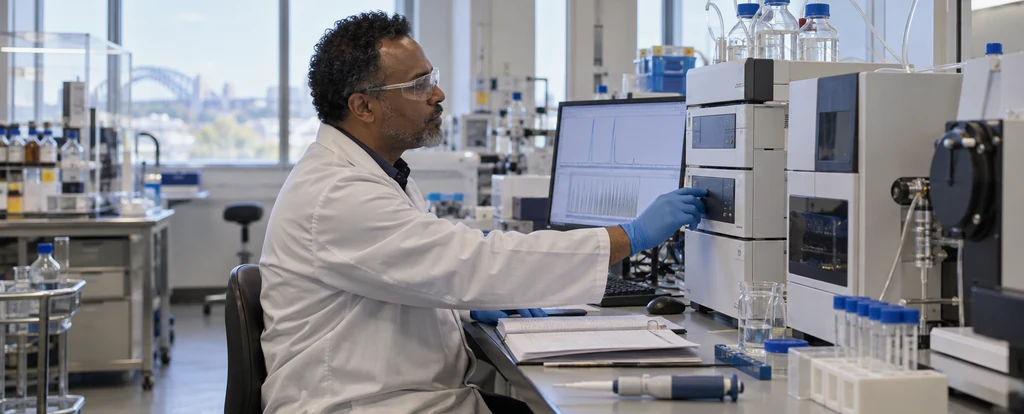
Toxicologist
Toxicologists work out how chemicals, drugs and pollutants affect living things, and where exposure stops being safe.

Veterinarian
Veterinarians diagnose and treat sick and injured animals, and advise their owners on keeping them well.

Veterinary Nurse
Veterinary nurses carry out the hands-on care and monitoring that keeps animals safe in a clinic, from admission through to recovery.
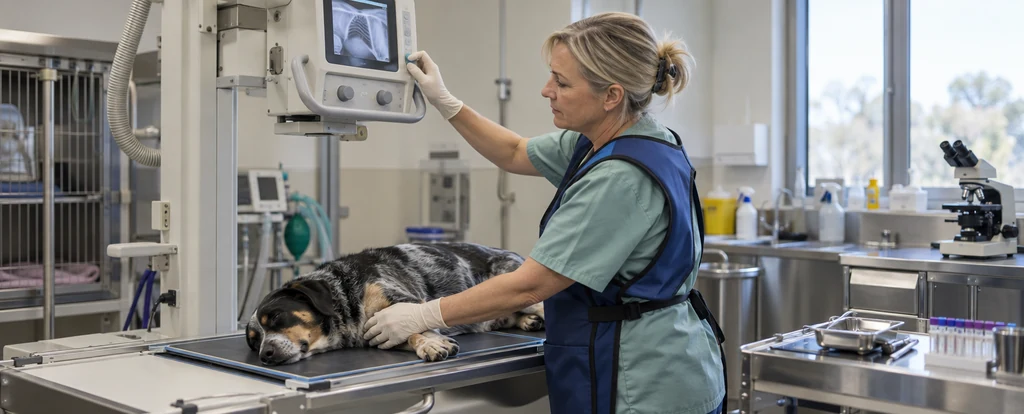
Veterinary Technologist
Veterinary technologists run the diagnostic tests, anaesthesia and patient monitoring that keep animals stable through treatment.
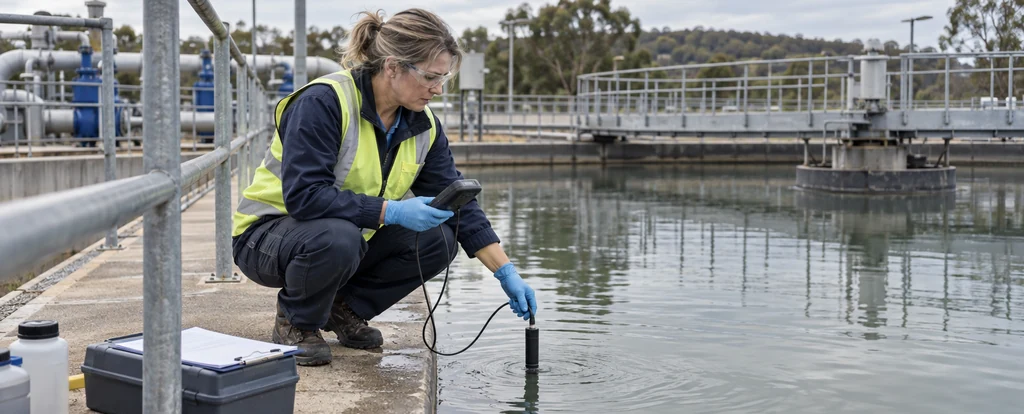
Water Inspector
Water inspectors test and check drinking water, wastewater and the waterways they come from, and follow up when a result falls outside the standard.
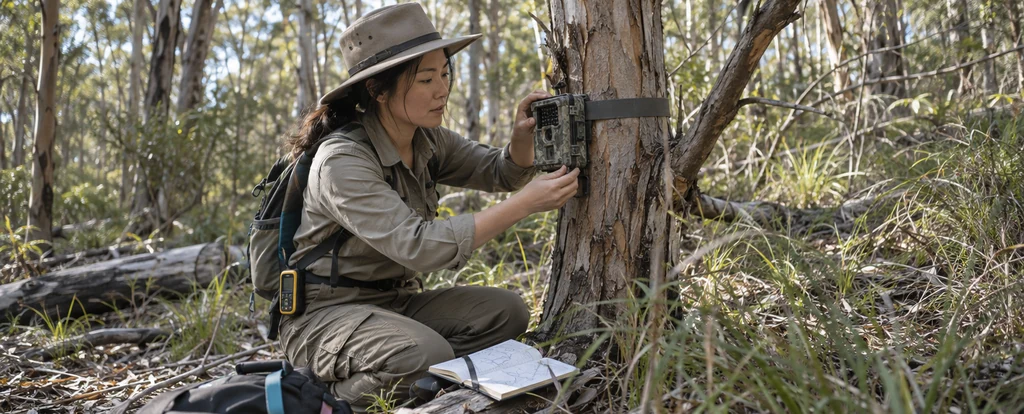
Zoologist
Zoologists study animals in the field and in the laboratory, and their findings inform conservation and wildlife management.