Home Healthcare & Nursing
Healthcare & Nursing careers
Roles in Healthcare & Nursing: what they pay, where they're heading and how to get in.

Aboriginal and Torres Strait Islander Health Practitioner
Aboriginal and Torres Strait Islander health practitioners provide culturally safe primary health care to Aboriginal and Torres Strait Islander people, working alongside GPs, nurses and community health teams.

Aboriginal and Torres Strait Islander Health Worker
Aboriginal and Torres Strait Islander health workers provide culturally safe primary health care and practical support to their communities, often as the main link between clients and the health system.

Acupuncturist
Acupuncturists treat pain and other symptoms by inserting fine needles at specific points on the body.
Aged Care Coordinator
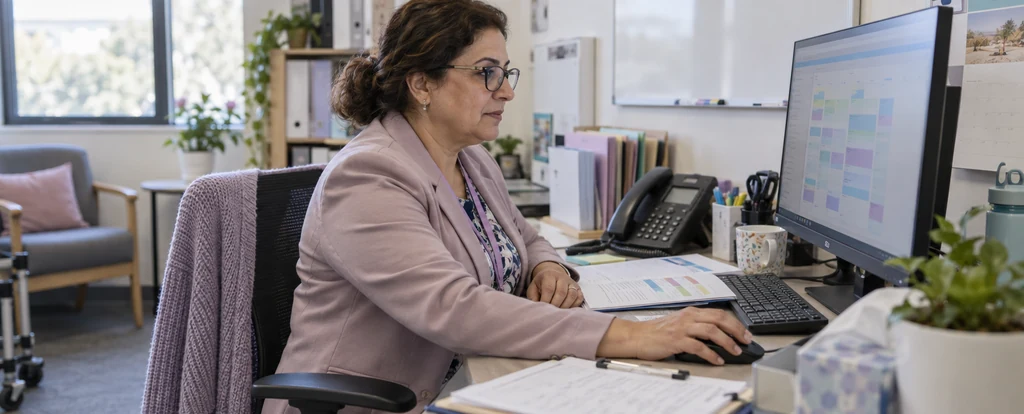
Aged care coordinators arrange the services that help older people live safely at home or settle into residential care, matching support to what each client needs.
Aged Care Manager
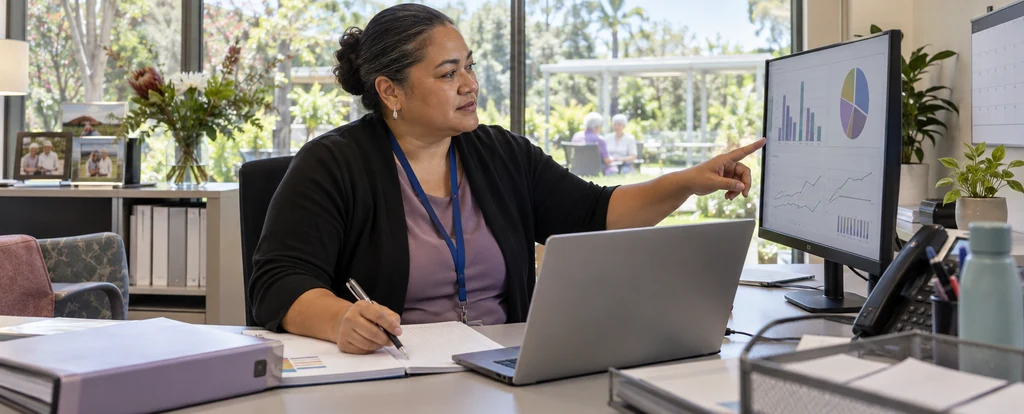
An aged care manager runs the day to day operation of a residential aged care home, balancing residents' care and safety with staff, budgets and accreditation.
Aged Care Worker
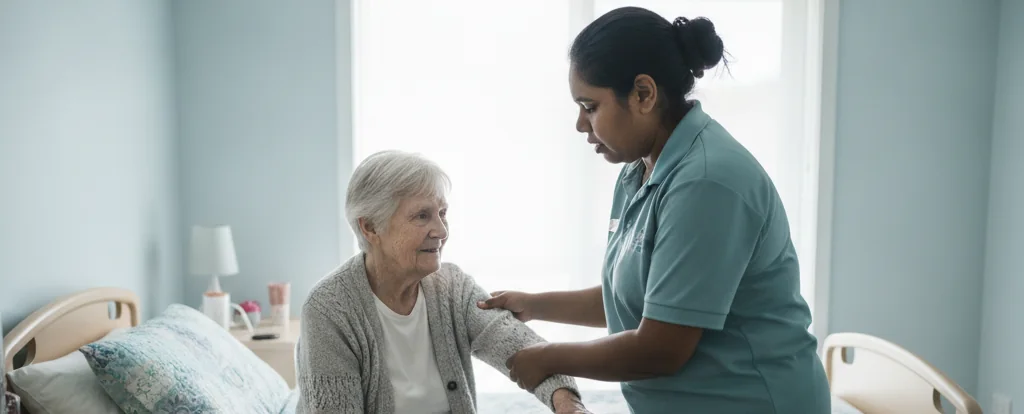
Aged care workers help older people with the daily tasks that frailty or illness make hard, from showering and dressing to meals and getting around, in a care home or in the person's own home.
Allied Health Assistant
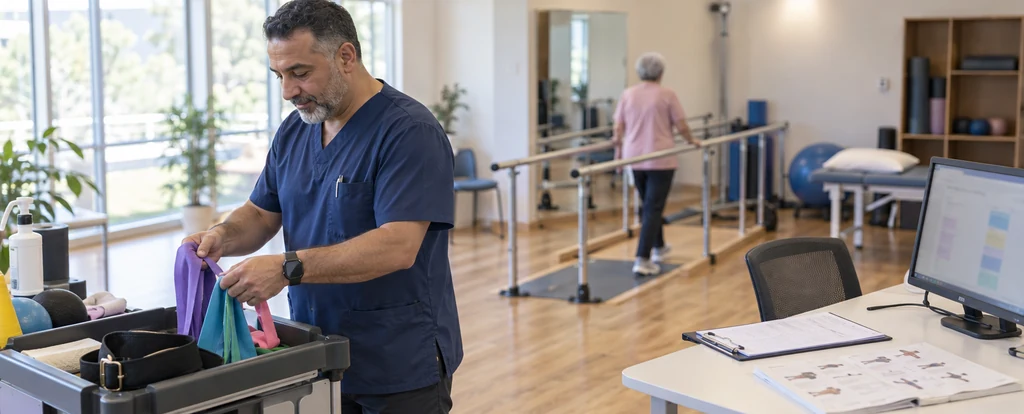
Allied health assistants carry out the therapy and rehabilitation programs an allied health professional has set, working directly with patients on movement, function and daily living.
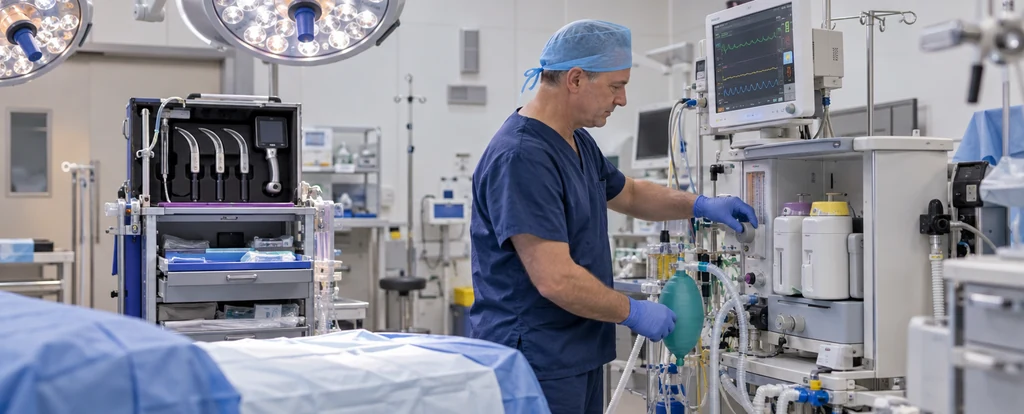
Anaesthetic Technician
Anaesthetic technicians prepare, check and run the anaesthetic machine, monitors and airway equipment during surgery, supporting the anaesthetist while a patient is under anaesthesia.
Anaesthetist
Anaesthetists are the specialist doctors who put patients to sleep for surgery and keep them safe and pain-free while it happens.

Art Therapist
Art therapists use art making as the therapy itself, helping people put difficult feelings into images and objects when words are not enough.
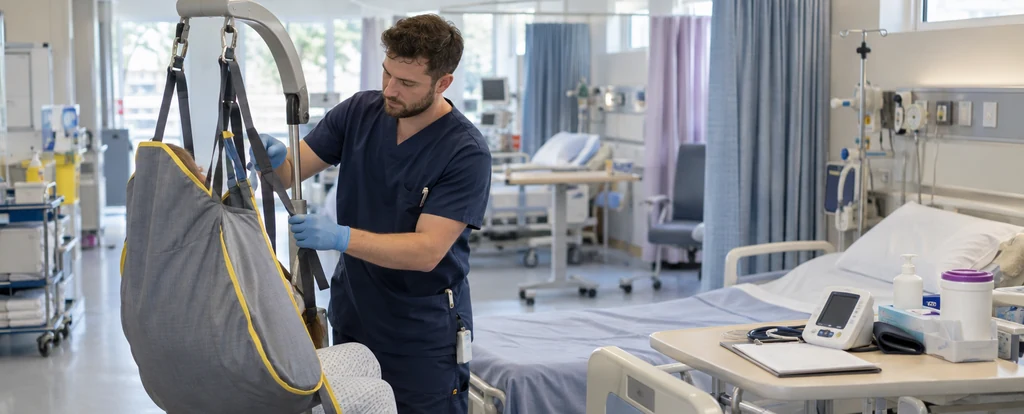
Assistant in Nursing
Assistants in nursing support registered and enrolled nurses with the daily care patients need, helping them wash, eat, move and stay comfortable.
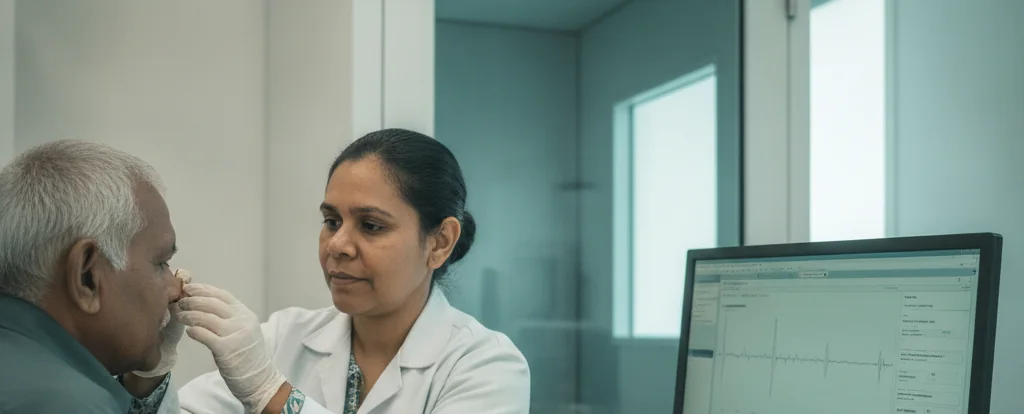
Audiologist
Audiologists test hearing and balance, work out what is going wrong, and fit the hearing aids and other devices that help people communicate day to day.
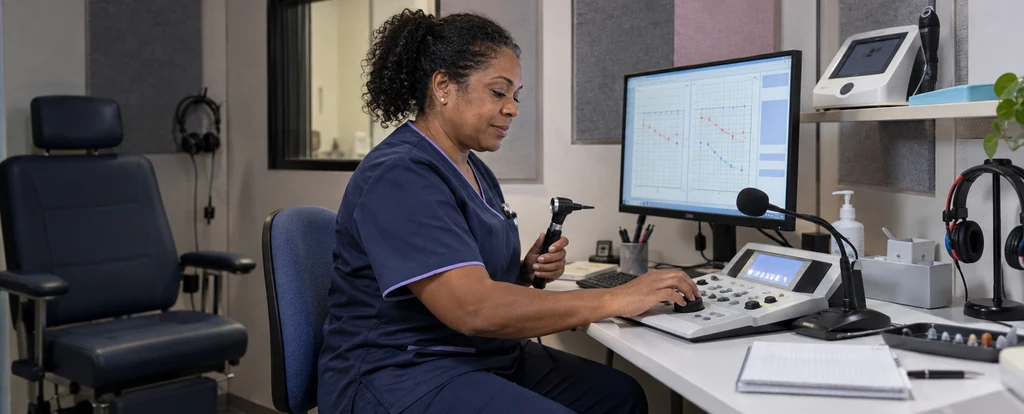
Audiometrist
Audiometrists test hearing and fit hearing aids, helping people manage hearing loss in everyday situations.

Behaviour Support Practitioner
Behaviour support practitioners work out what is driving a person's behaviour and write the plan that support workers, teachers and families then follow.
Biomedical Technician
Biomedical technicians keep the medical equipment hospitals depend on working safely, from patient monitors and infusion pumps to ventilators and defibrillators.
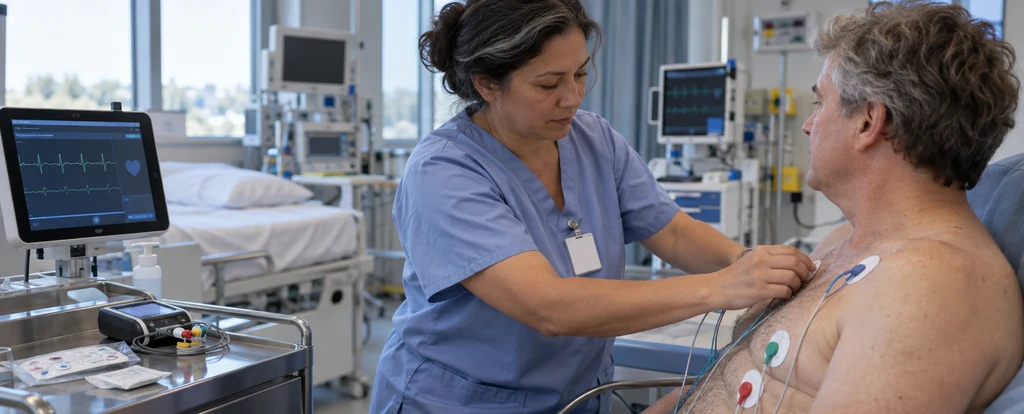
Cardiac Technician
Cardiac technicians record the heart's electrical activity and run the tests cardiologists use to diagnose and monitor heart conditions.
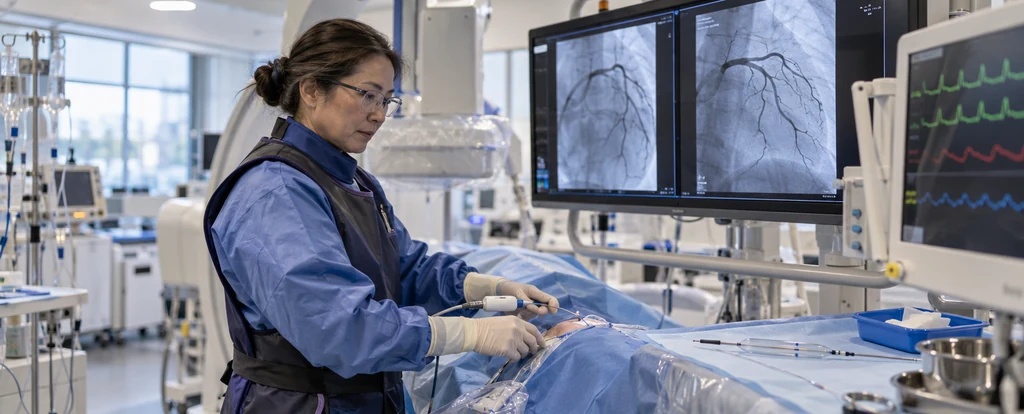
Cardiologist
Cardiologists are the specialists who investigate and treat conditions of the heart and blood vessels, from narrowed arteries to irregular heart rhythms.
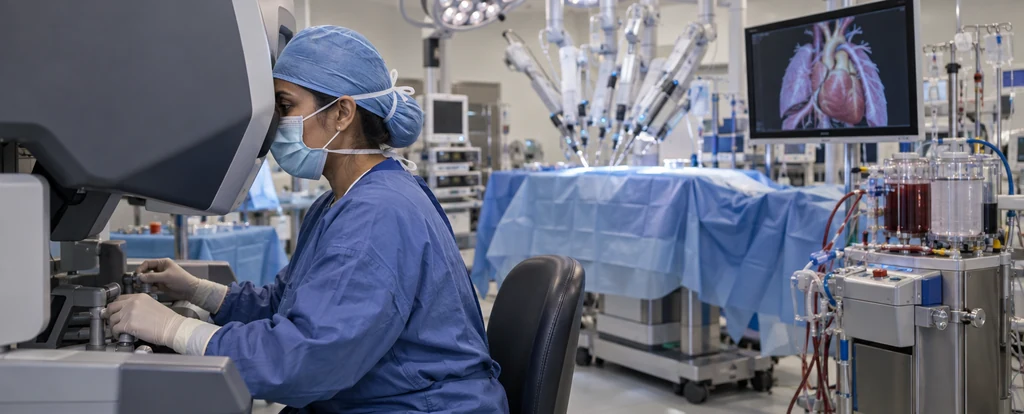
Cardiothoracic Surgeon
Cardiothoracic surgeons operate on the heart, lungs and chest wall to repair damage that medication and less invasive procedures cannot fix.

Chinese Medicine Practitioner
Chinese medicine practitioners diagnose and treat a range of conditions with acupuncture, Chinese herbal medicine and related therapies, mostly from private clinics.
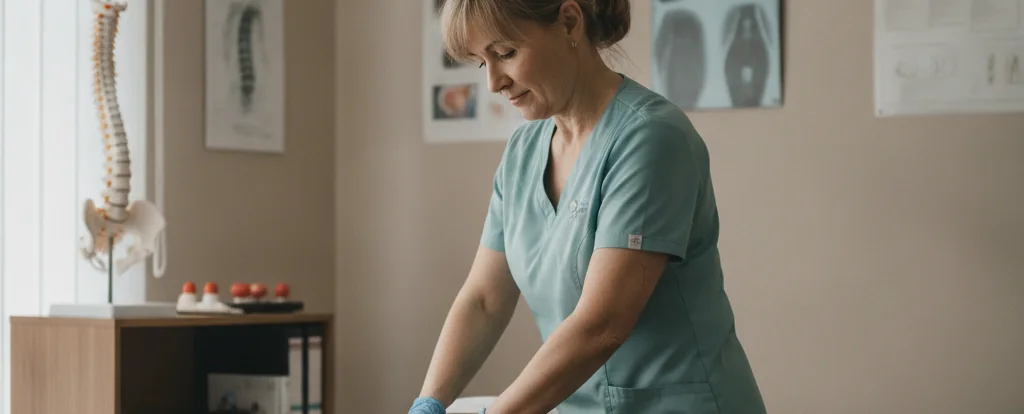
Chiropractor
Chiropractors treat back, neck and joint pain by hand, using spinal adjustment and manual manipulation to restore movement.
Clinical Coder
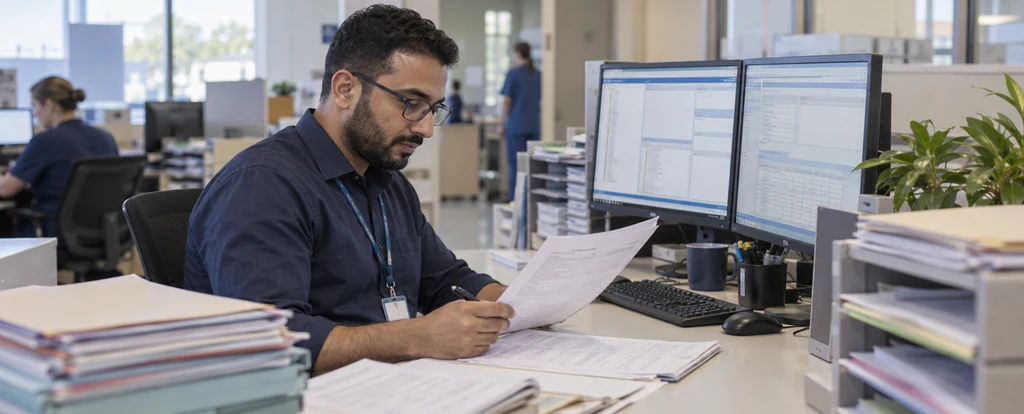
Clinical coders turn the details in a patient's medical record into the standard codes that hospitals use to fund care and report on it.
Clinical Geneticist
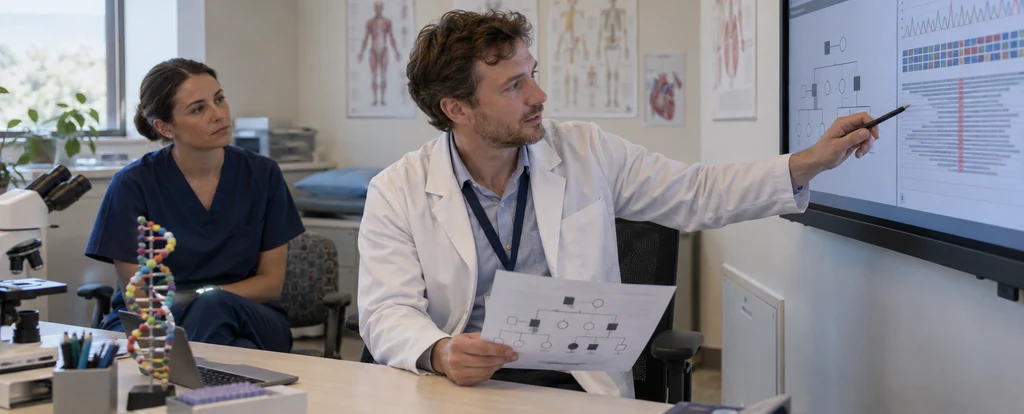
Clinical geneticists work out whether a patient's symptoms or family history point to an inherited condition, and what that means for treatment and for relatives.
Clinical Immunologist and Allergist
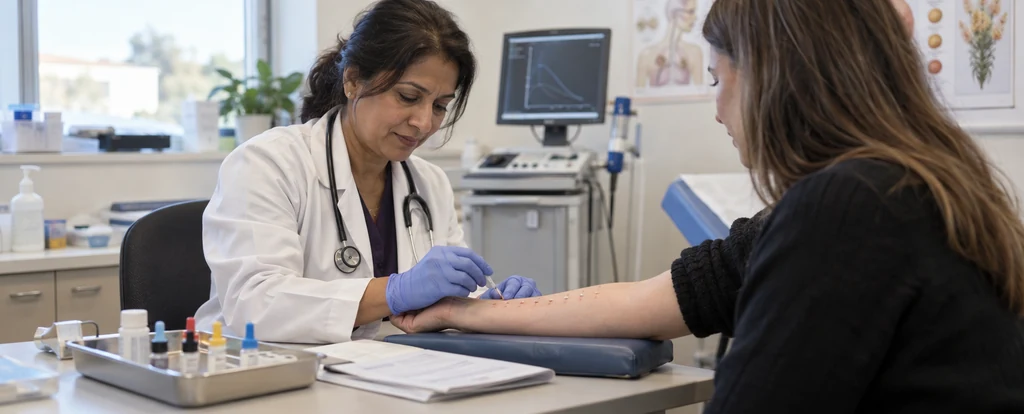
Clinical immunologists and allergists work out why a patient's immune system is attacking their own body or failing to protect them, then manage the condition over years.
Clinical Pharmacologist
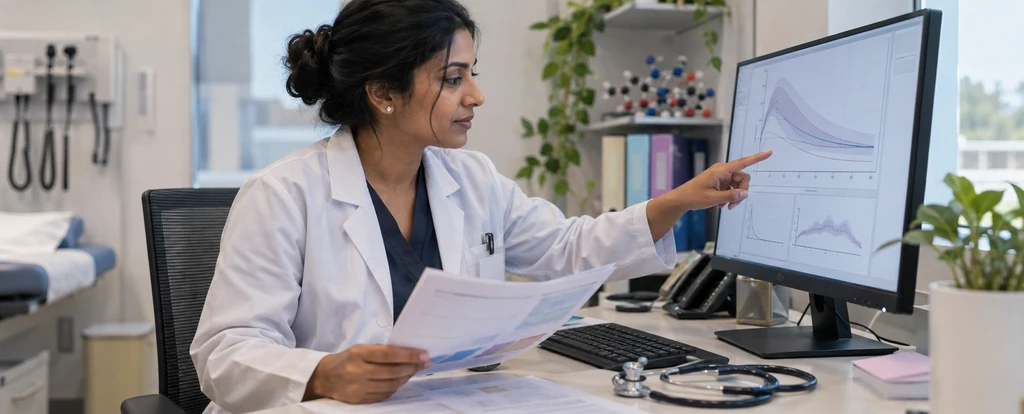
Clinical pharmacologists study how medicines behave in the body and use that knowledge to work out safe doses and combinations for patients who are hard to treat.

Clinical Psychologist
Clinical psychologists assess and treat mental health conditions with evidence-based therapy, and their work helps people manage distress, work and daily life.
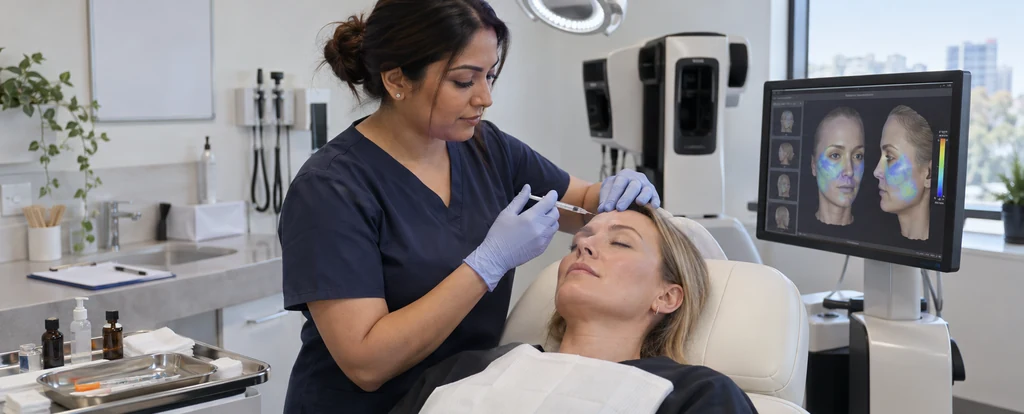
Cosmetic Nurse
Cosmetic nurses deliver non-surgical treatments such as anti-wrinkle injections, dermal fillers and laser therapy, working with clients who want to change how their skin looks.
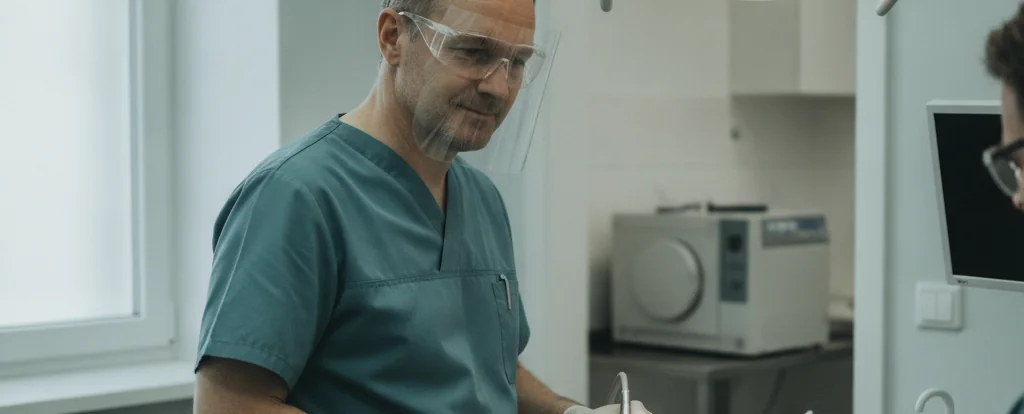
Dental Assistant
Dental assistants work chairside with dentists during treatment and keep the surgery running safely between patients.
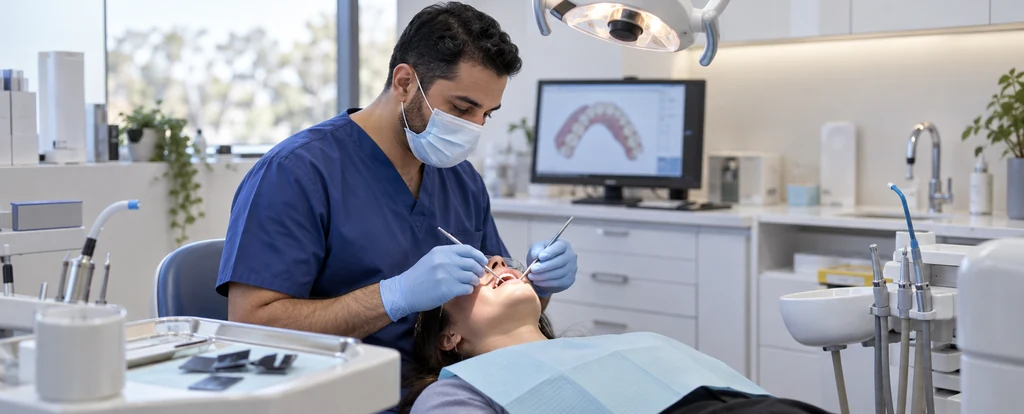
Dental Hygienist
Dental hygienists clean teeth, check gums for the early signs of disease and show patients how to look after their own mouths between visits.
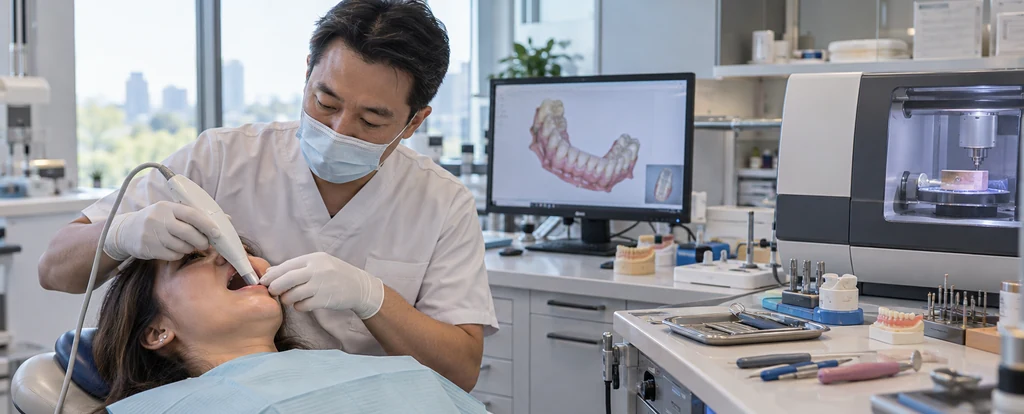
Dental Prosthetist
Dental prosthetists design, make and fit removable dental prostheses such as dentures so that patients can eat, speak and smile comfortably again.
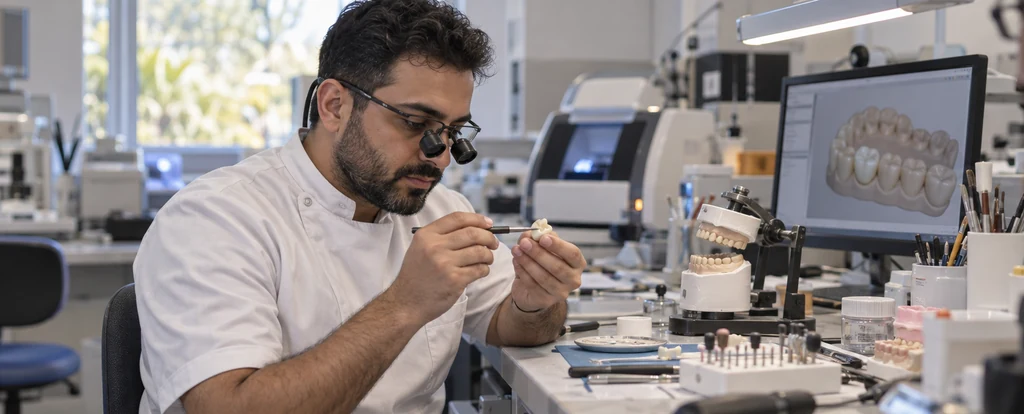
Dental Technician
Dental technicians make the crowns, bridges, dentures and orthodontic appliances that dentists fit, working from impressions, scans and written prescriptions.
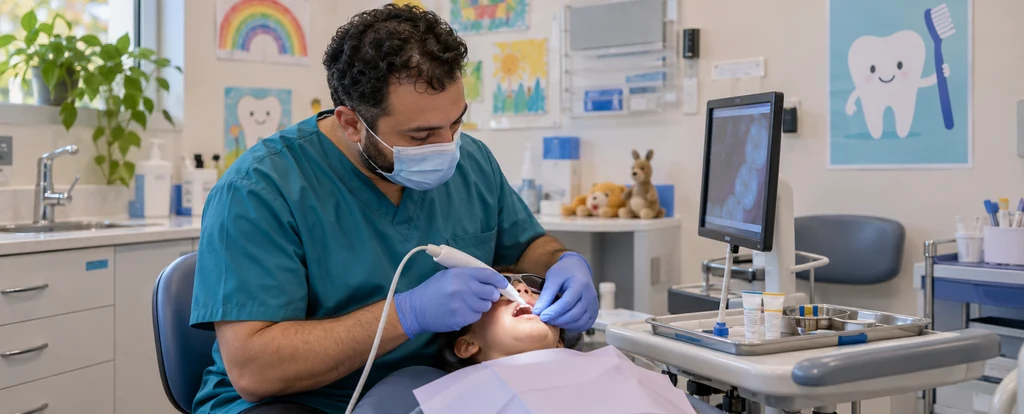
Dental Therapist
Dental therapists provide preventive and basic restorative dental care, mostly for children, in school dental programs and public clinics.
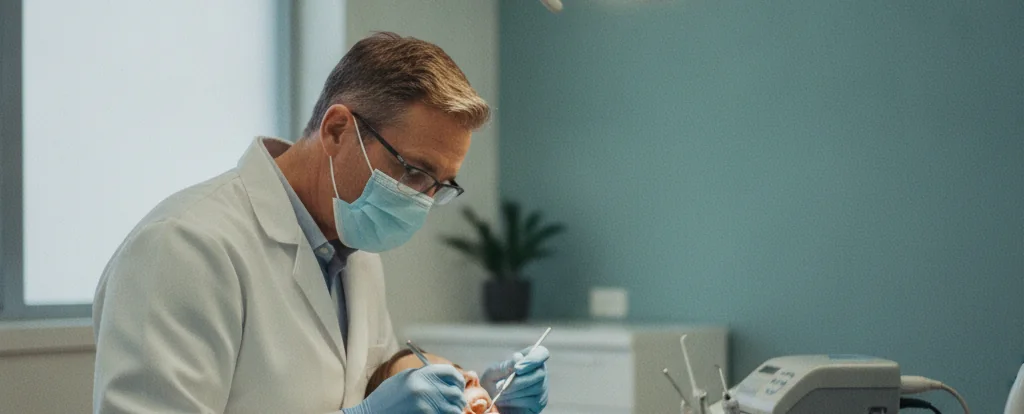
Dentist
Dentists examine, diagnose and treat problems with teeth, gums and mouths, from a routine check-up to a root canal.
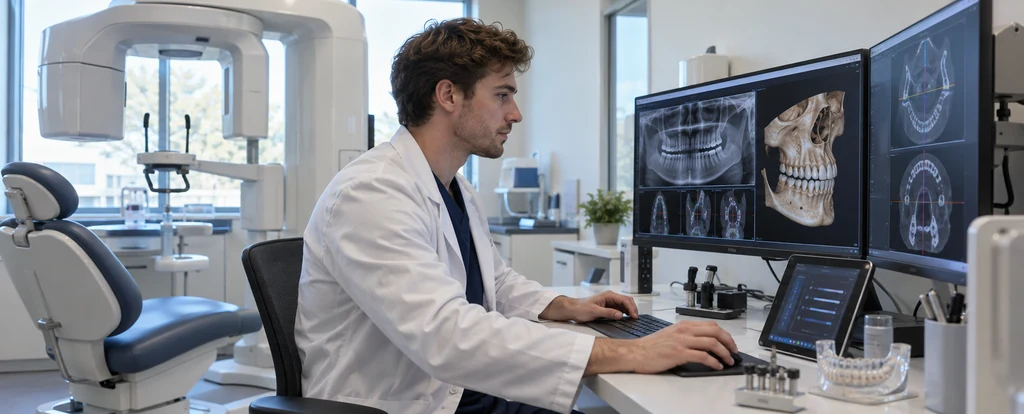
Dento-Maxillofacial Radiologist
Dento-maxillofacial radiologists read and report on the cone beam CT and panoramic scans that guide dental diagnosis, implant planning and surgery of the jaws and face.
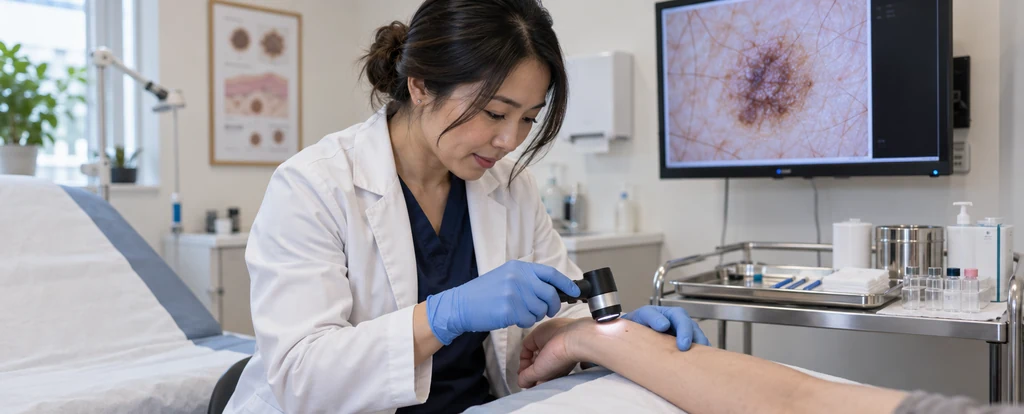
Dermatologist
A dermatologist is a specialist doctor who diagnoses and treats conditions of the skin, hair and nails, from skin cancers to chronic conditions such as eczema and psoriasis.
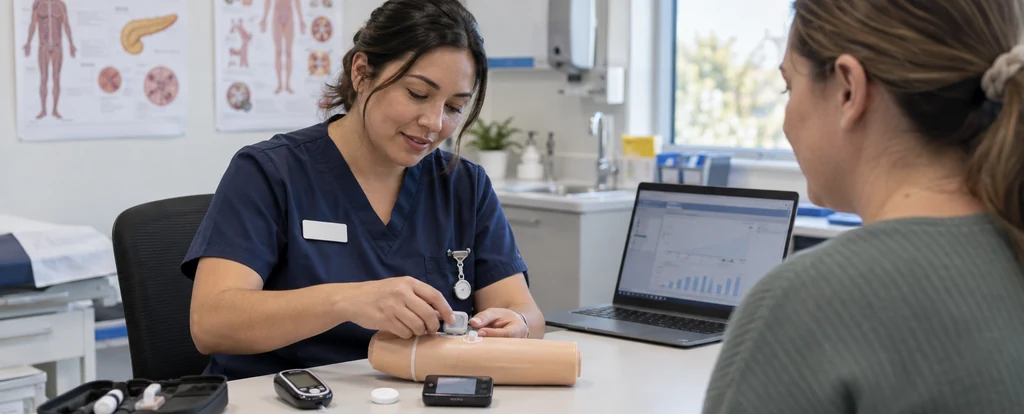
Diabetes Educator
Diabetes educators teach people with diabetes how to manage the condition day to day, from glucose monitoring and insulin doses to food, exercise and foot care.
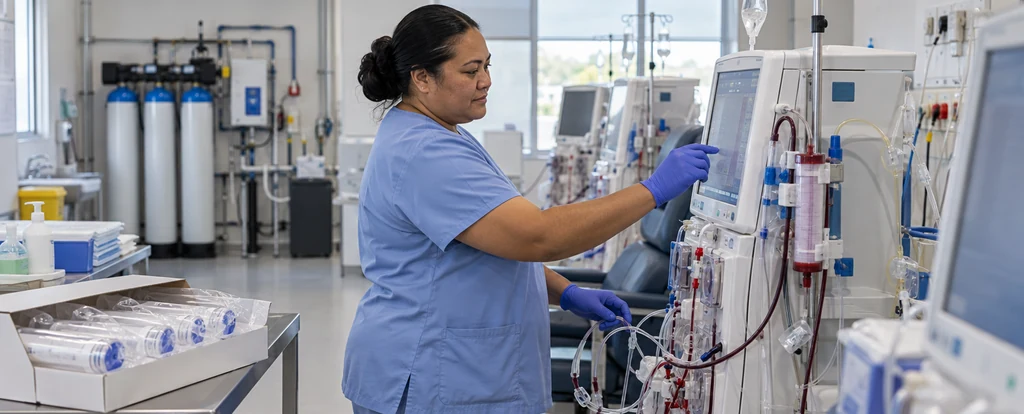
Dialysis Technician
Dialysis technicians run the haemodialysis machines that keep people with kidney failure well between treatments.
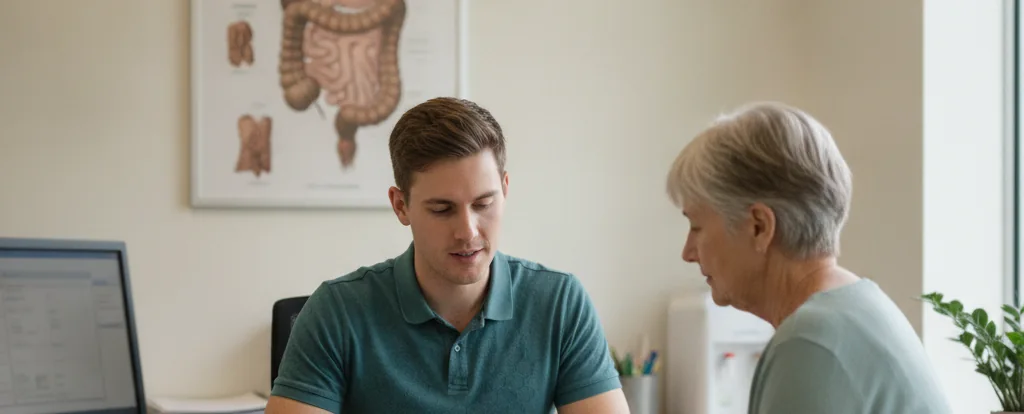
Dietitian
Dietitians work out what a person needs to eat to manage a health condition or recover from illness, then turn that into a plan they can follow.

Director of Nursing
Directors of nursing lead the nursing workforce and set the standard of care across a hospital, aged care home or community health service.
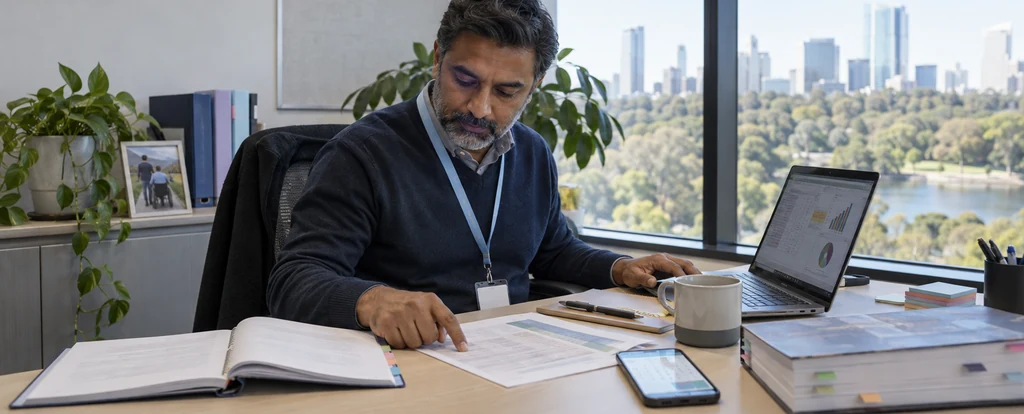
Disability Support Coordinator
Disability support coordinators help NDIS participants understand their funding, find the services they need and keep those supports working as their circumstances change.
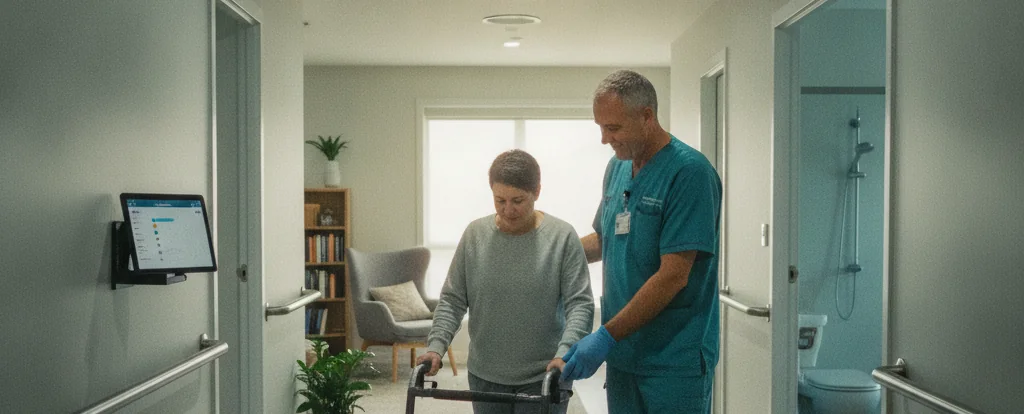
Disability Support Worker
Disability support workers help people with disability with daily tasks, personal care and getting out into the community, so they can live as independently as they choose.
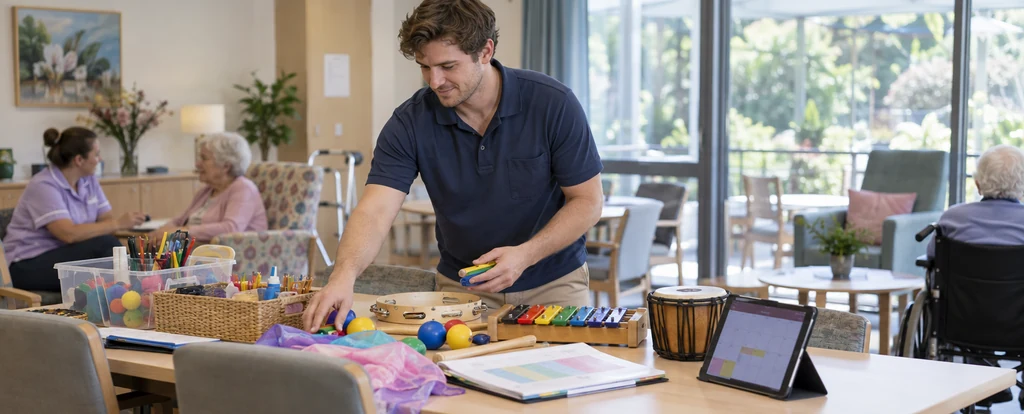
Diversional Therapist
Diversional therapists plan and run leisure and recreation programs that help people in aged care, disability services and hospitals stay engaged, active and connected.

Doula
Doulas give families continuous physical and emotional support through pregnancy, labour and the first weeks at home.
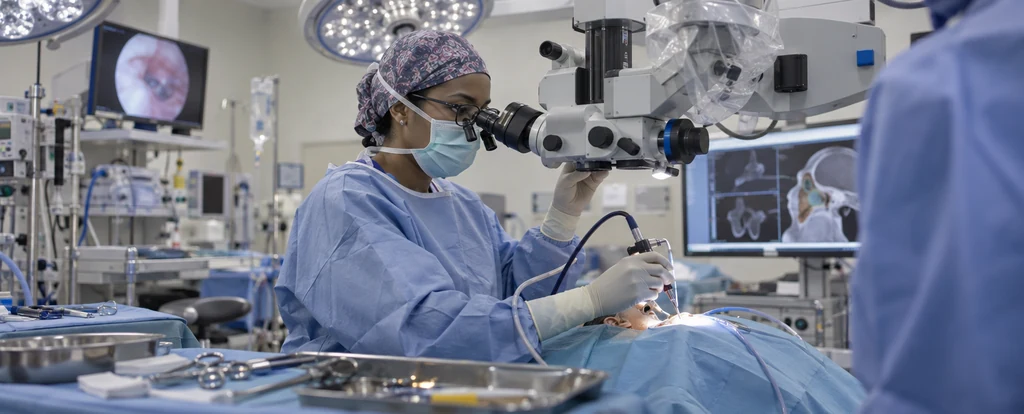
Ear, Nose and Throat Surgeon
Ear, nose and throat surgeons diagnose and operate on conditions of the ear, nose, throat, head and neck, restoring hearing, breathing, speech and swallowing.
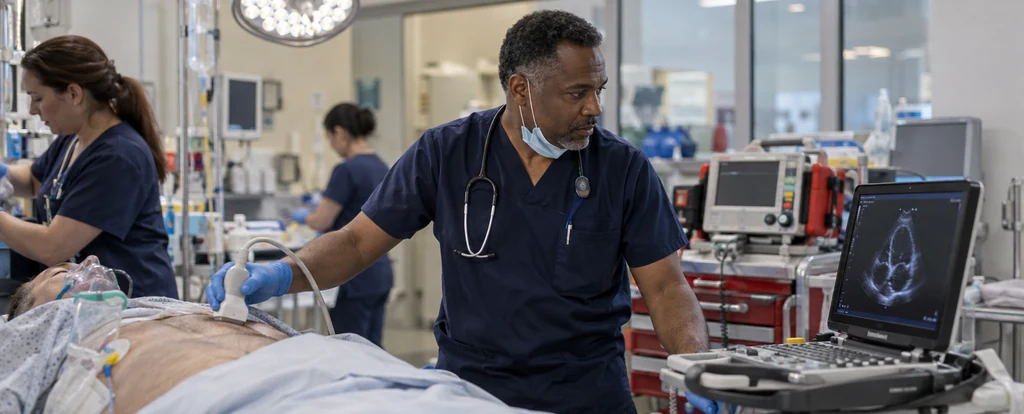
Emergency Physician
Emergency physicians treat people who arrive at hospital acutely unwell or injured, stabilising the critically ill and deciding what happens next.
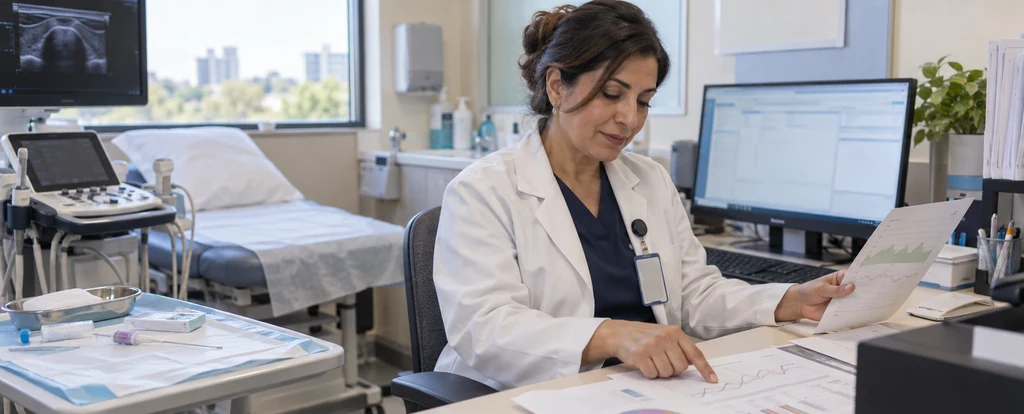
Endocrinologist
An endocrinologist diagnoses and treats conditions caused by problems with hormones and metabolism, from diabetes and thyroid disease to osteoporosis and infertility.
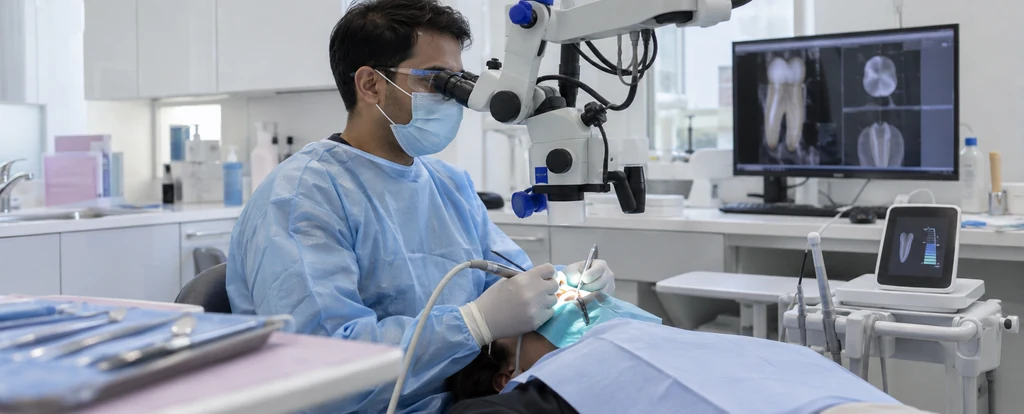
Endodontist
Endodontists diagnose and treat disease inside the tooth, saving teeth that would otherwise be extracted.
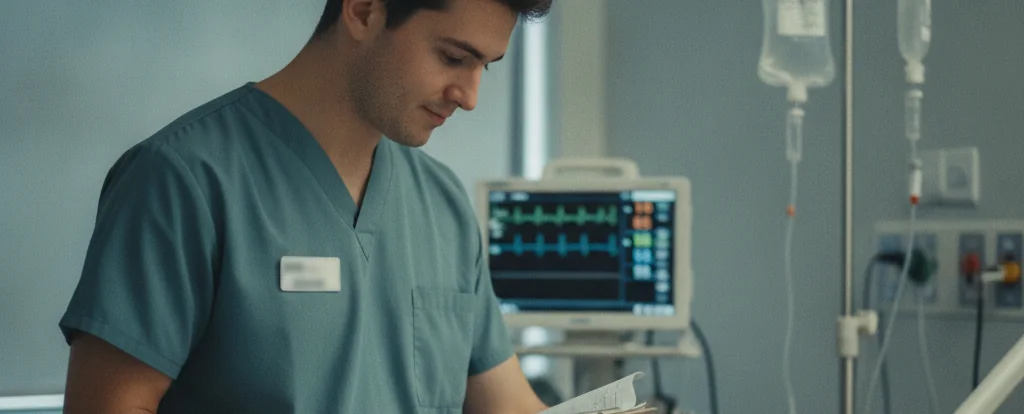
Enrolled Nurse
Enrolled nurses give hands-on clinical care in hospitals, aged care homes and community settings, working under the supervision of a registered nurse or doctor.
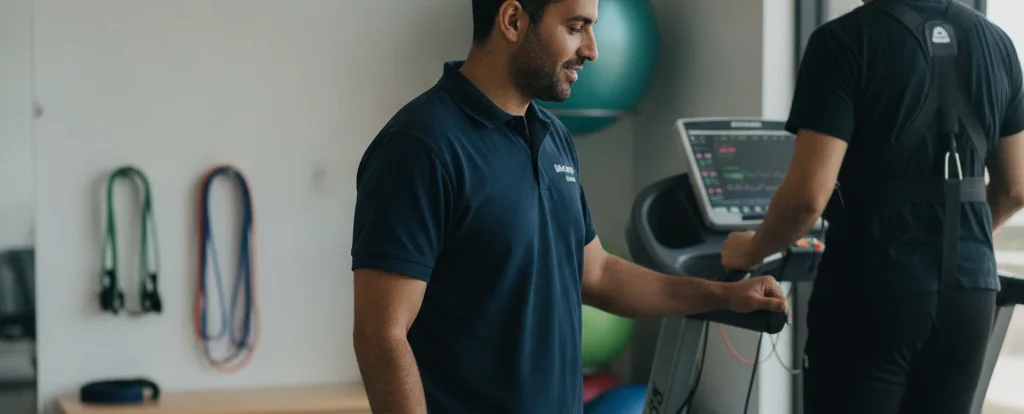
Exercise Physiologist
Exercise physiologists use exercise as treatment, assessing people with chronic disease, injury or disability and prescribing movement programs that manage their condition.
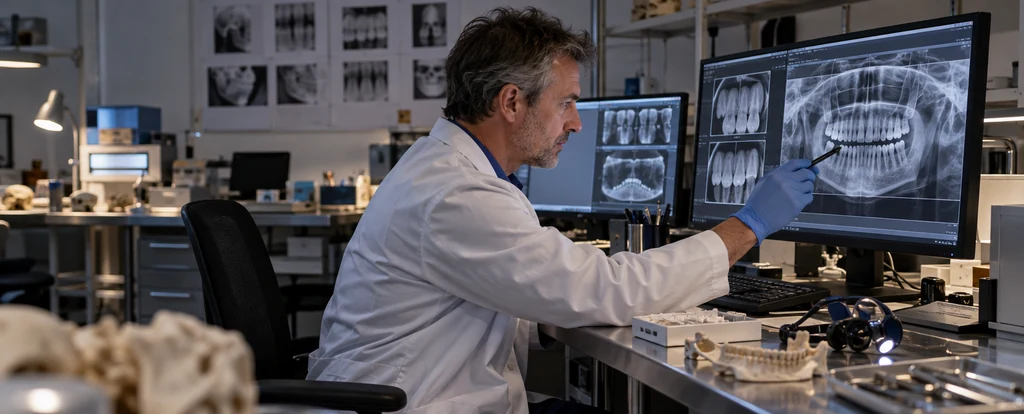
Forensic Odontologist
Forensic odontologists identify deceased and missing people from their teeth and jaws, and their evidence helps coroners confirm an identity and give families an answer.
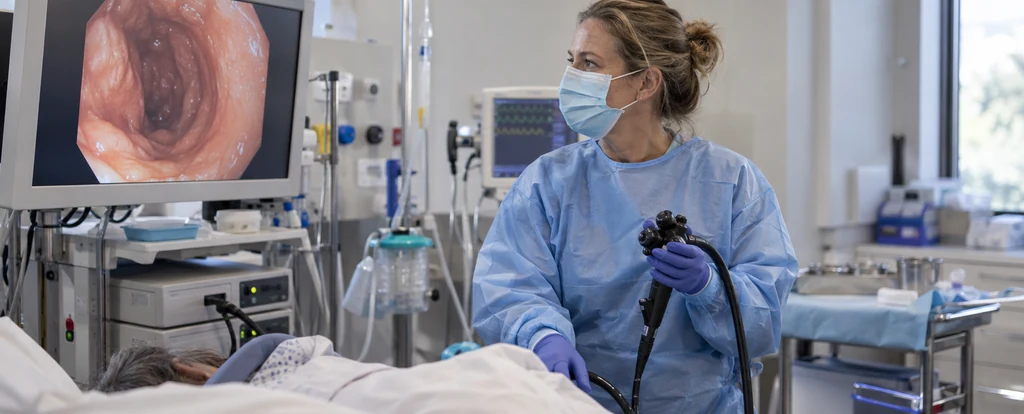
Gastroenterologist
Gastroenterologists are specialist physicians who investigate and treat conditions of the gut, liver, pancreas and biliary tract, combining clinic work with procedures such as gastroscopy and colonoscopy.
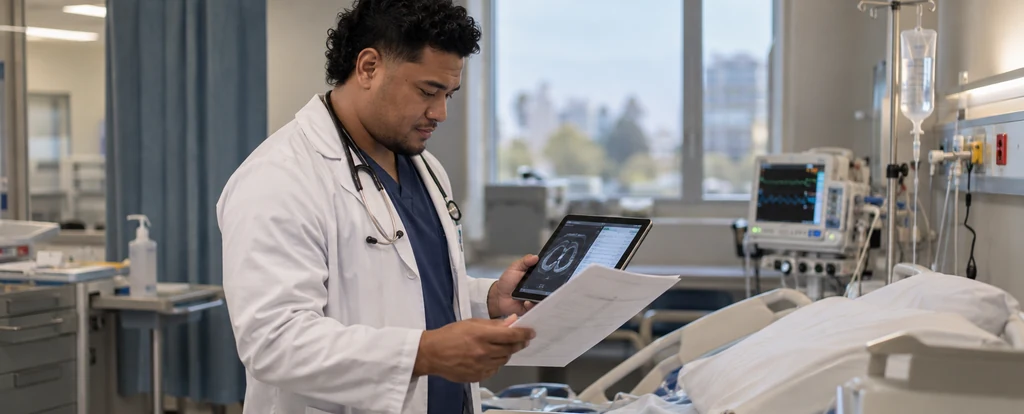
General Physician
General physicians diagnose and manage complex adult medical problems in hospitals, where they are the specialists other teams call when an illness does not fit one organ system.
General Practitioner
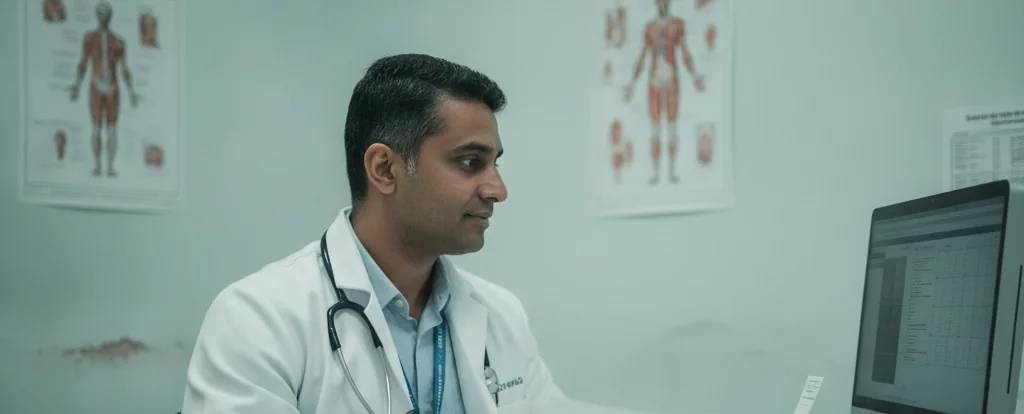
General practitioners are the doctors most Australians see first, diagnosing and treating everyday illness and coordinating care when something turns out to be more complex.
Genetic Counsellor
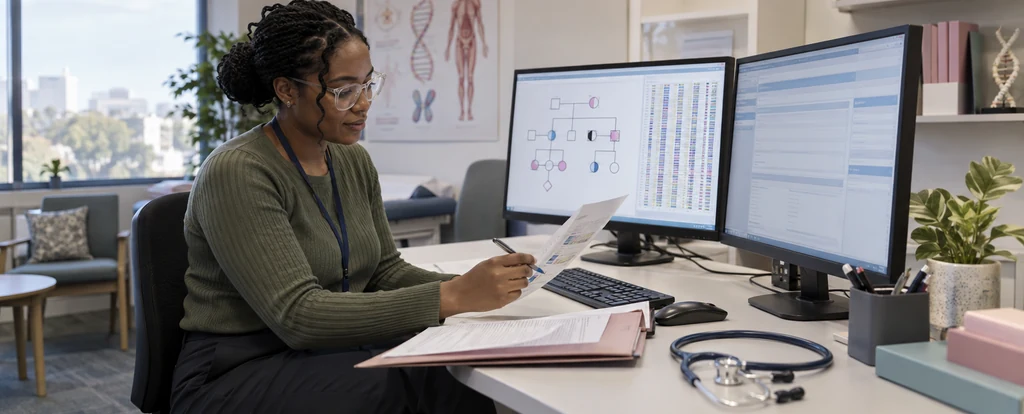
Genetic counsellors help people work out what an inherited condition or a genetic test result means for them and their family.
Geriatrician
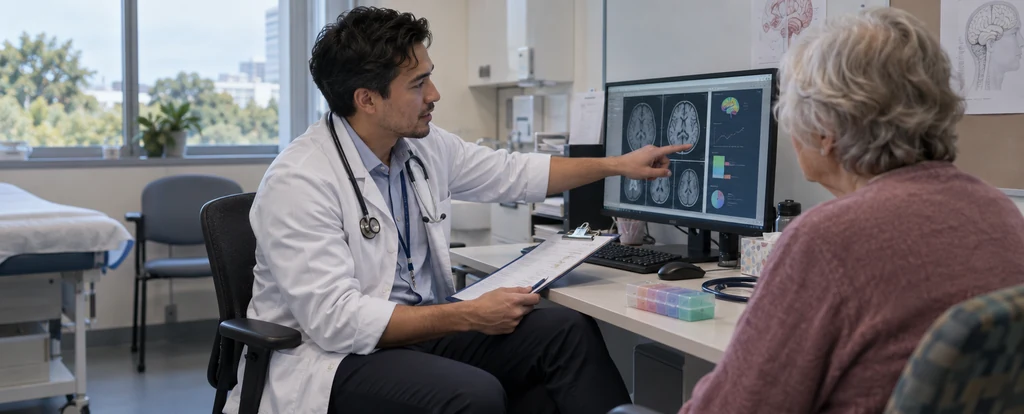
Geriatricians are specialist physicians who work out what is treatable in older patients living with frailty, dementia and several conditions at once, and what will keep them living independently.
Haematologist
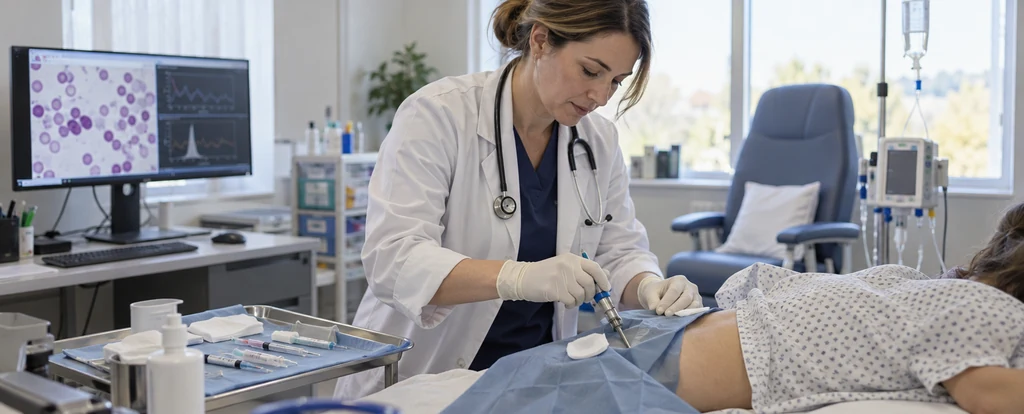
Haematologists diagnose and treat diseases of the blood, bone marrow and lymphatic system, from leukaemia and lymphoma to anaemia and bleeding disorders.
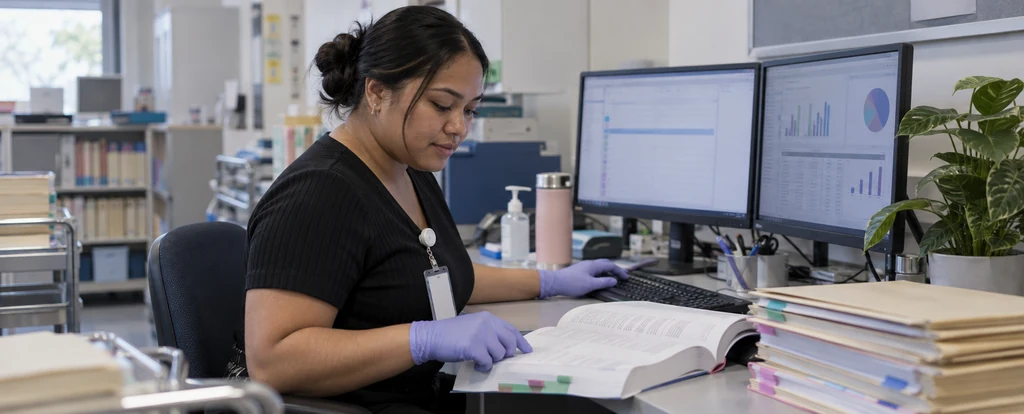
Health Information Manager
Health information managers run the patient records and health data a hospital relies on, from clinical coding and privacy to the reports behind funding and planning.
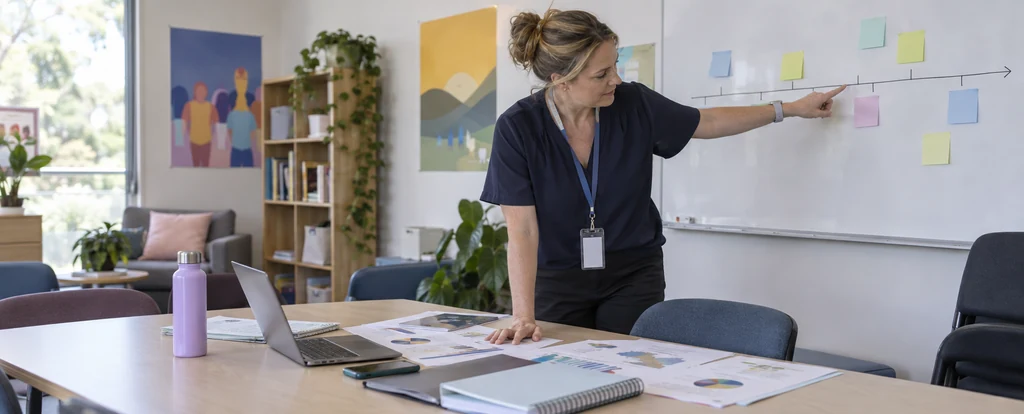
Health Promotion Officer
Health promotion officers plan and run programs that help communities stay healthy, working on prevention rather than treatment.

Herbalist
Herbalists assess clients and prescribe plant-based medicines to support their health, usually alongside conventional care.

Homoeopath
Homoeopaths take detailed case histories and prescribe highly diluted natural remedies matched to a patient's symptom picture, aiming to support the body's own healing response.
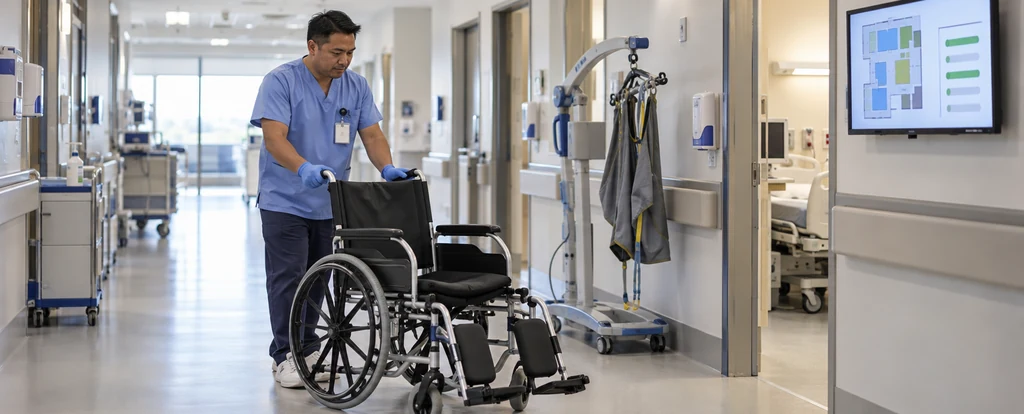
Hospital Orderly
Hospital orderlies move patients, equipment and supplies around a hospital so clinical staff can stay with the people in their care.
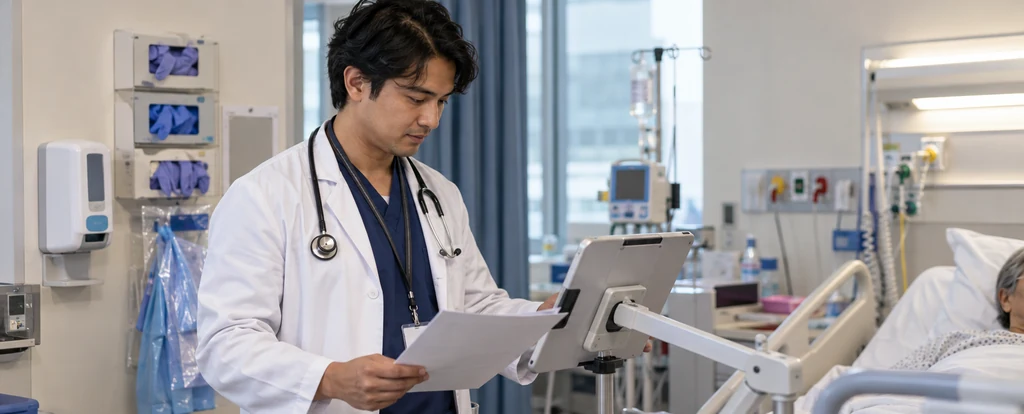
Infectious Diseases Physician
Infectious diseases physicians diagnose and treat complex infections, and their advice shapes how antibiotics are used across a hospital.
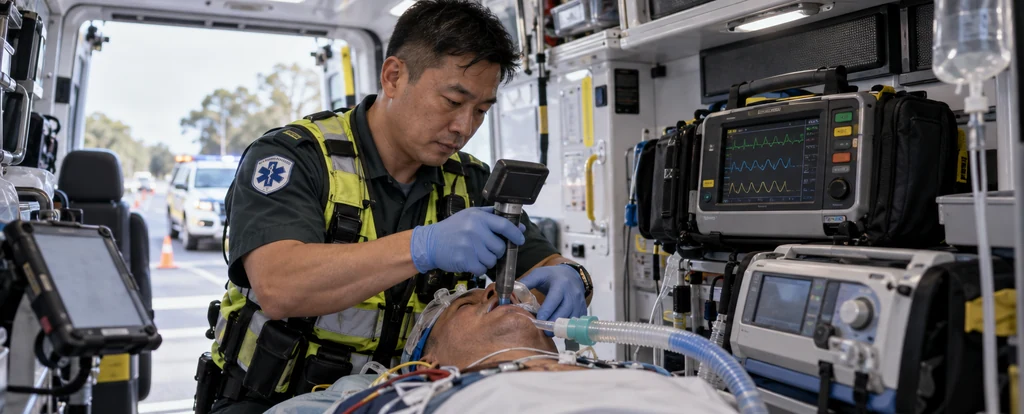
Intensive Care Paramedic
Intensive care paramedics treat critically ill and injured patients where they are found, giving the drugs, airway management and monitoring that keep someone alive on the way to hospital.
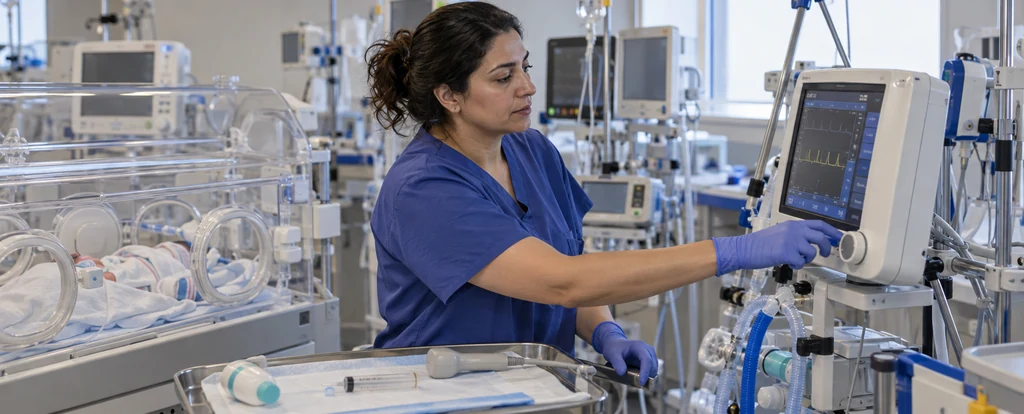
Intensive Care Specialist
Intensive care specialists treat the sickest patients in hospital, supporting failing organs and making the rapid decisions that go with it.
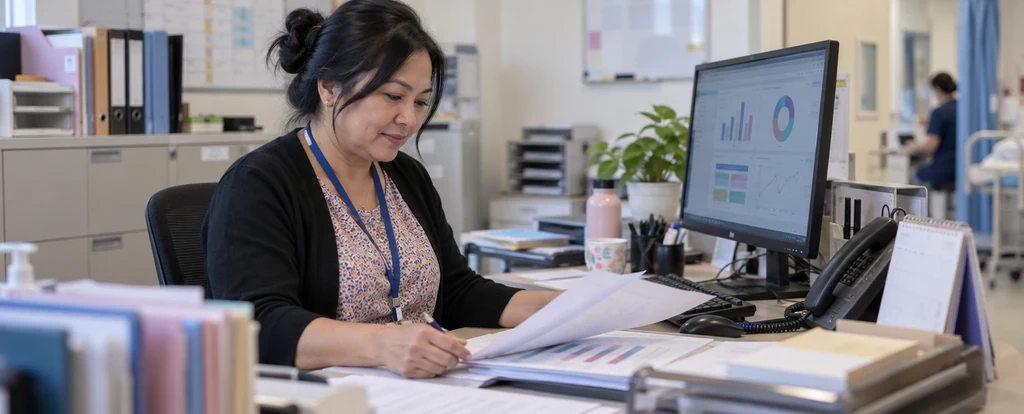
Medical Administrator
Medical administrators run the business side of a health service, keeping clinics and hospital departments funded, staffed and compliant so clinicians can focus on patients.
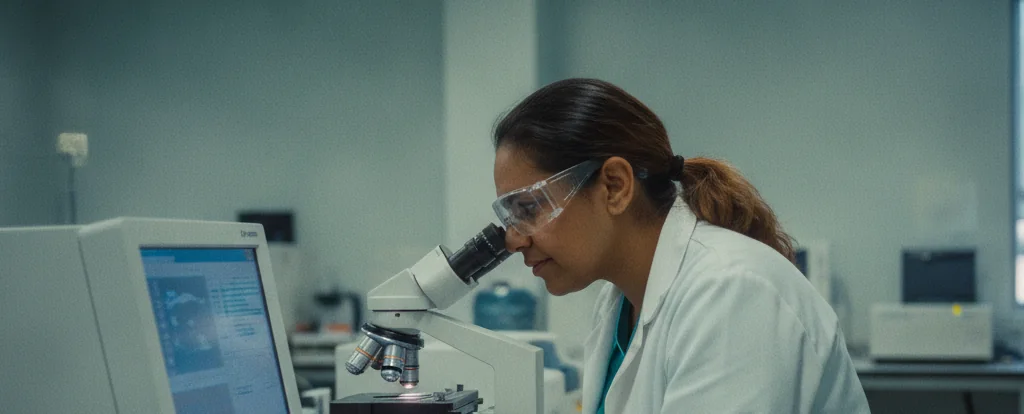
Medical Laboratory Scientist
Medical laboratory scientists test blood, tissue and other patient samples to help doctors diagnose and treat disease.
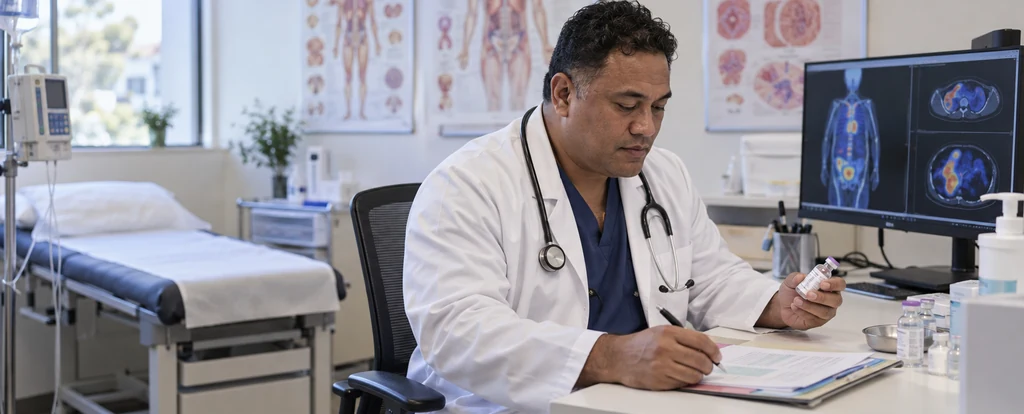
Medical Oncologist
Medical oncologists diagnose and treat cancer with medicines such as chemotherapy, immunotherapy and targeted therapy, and look after patients through the course of their treatment.
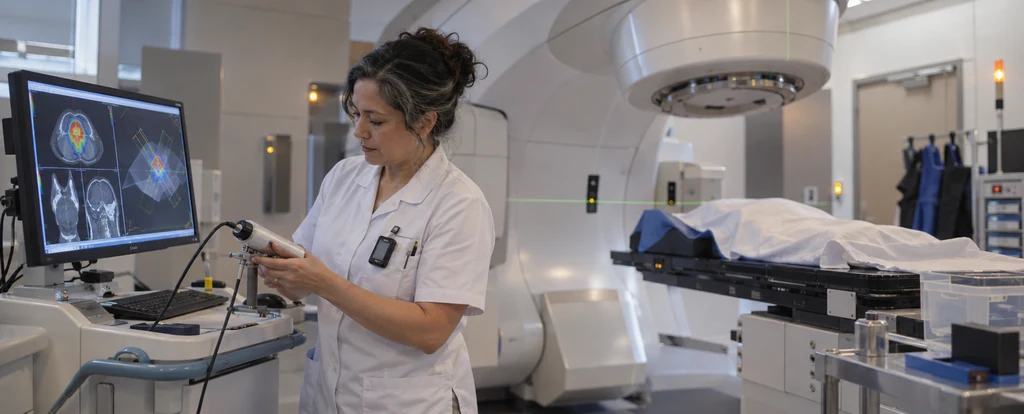
Medical Physicist
Medical physicists apply physics and engineering to medicine, checking that the radiation used to diagnose and treat patients is measured accurately and delivered safely.

Medical Receptionist
Medical receptionists run the front desk of a medical practice, booking appointments, keeping patient records and handling the calls, forms and payments that sit around each consultation.
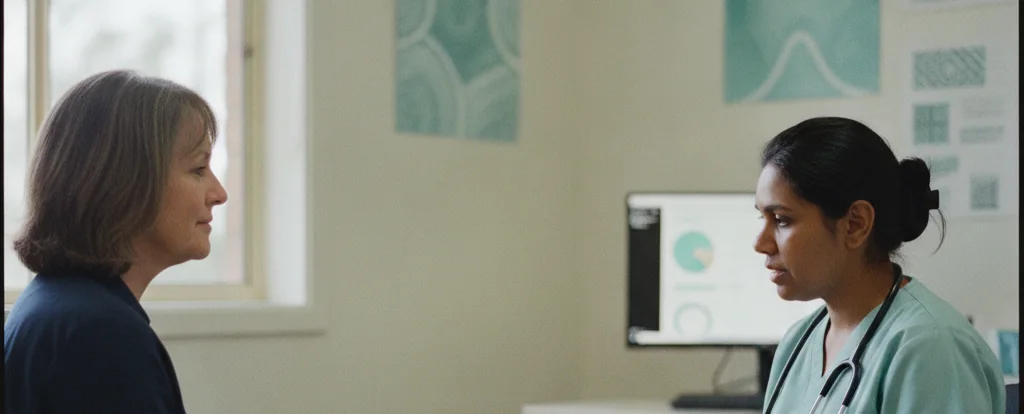
Mental Health Nurse
Mental health nurses assess and treat people living with mental illness, combining clinical care and medication with the day-to-day support that helps someone stabilise and recover.

Mental Health Worker
Mental health workers support people living with mental illness, helping them manage daily life, access services and stay connected to their community.
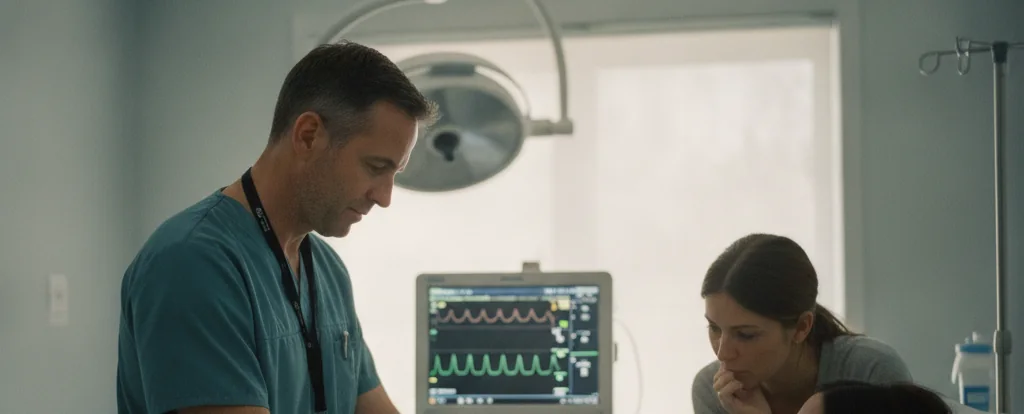
Midwife
A midwife provides the clinical care and continuous support a woman needs through pregnancy, labour and the weeks after birth.
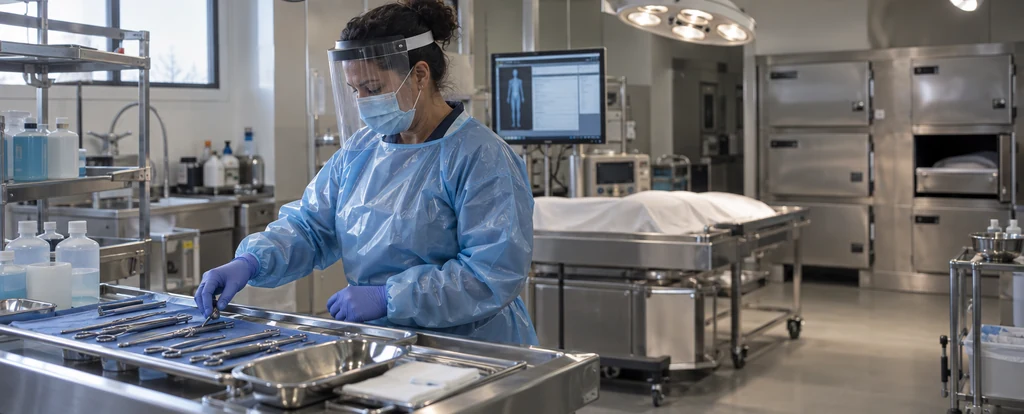
Mortuary Technician
Mortuary technicians care for deceased people in hospital mortuaries and forensic facilities, preparing bodies for autopsy, viewing and release to a funeral director.
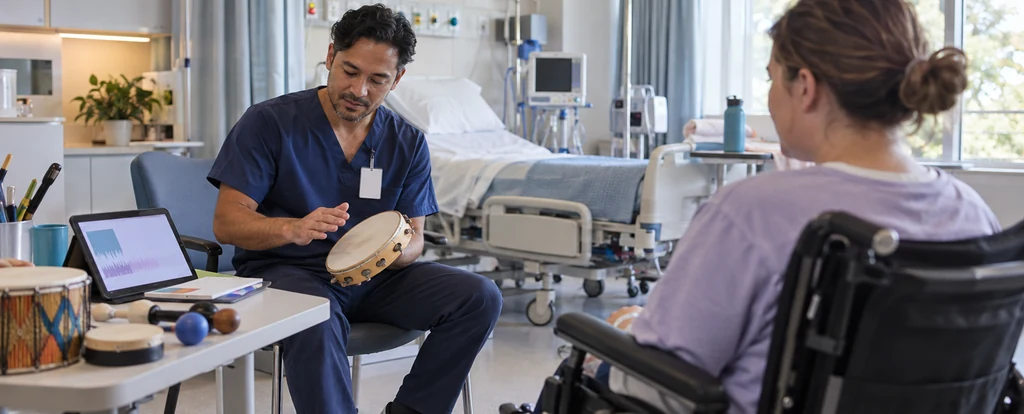
Music Therapist
Music therapists use singing, instruments and improvisation to help people work towards physical, emotional and communication goals.
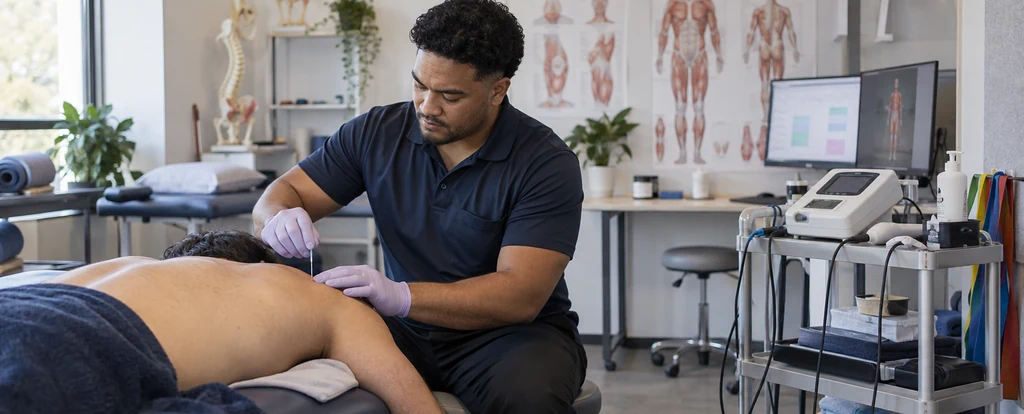
Myotherapist
Myotherapists treat muscle and joint pain with hands-on therapy, dry needling and exercise, usually over a series of sessions in a private clinic.

Naturopath
Naturopaths work with clients on health concerns using herbal medicine, nutritional supplements and lifestyle advice.
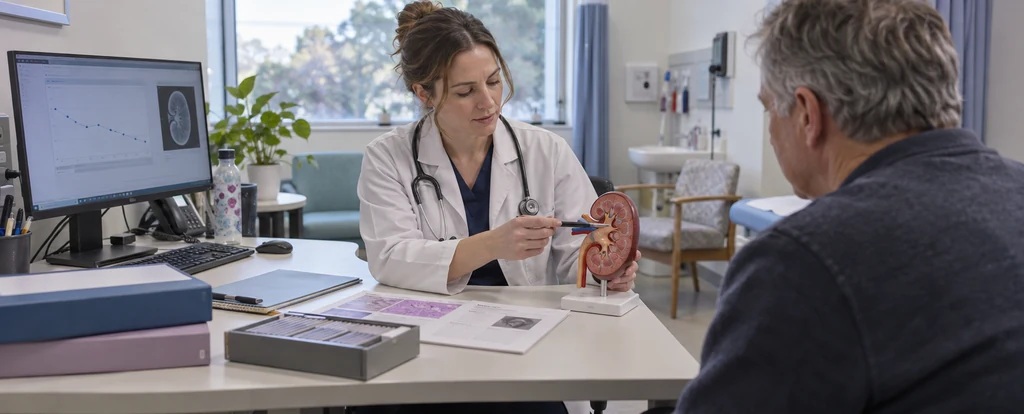
Nephrologist
Nephrologists are specialist physicians who treat kidney disease, from early-stage illness through to dialysis and transplant care.
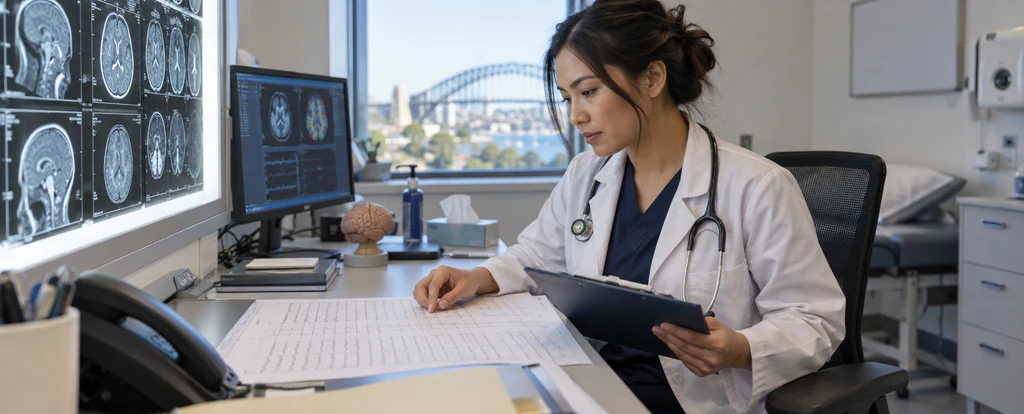
Neurologist
Neurologists diagnose and treat conditions of the brain, spinal cord and nerves, and much of their work is helping people live with long term conditions such as epilepsy, stroke and migraine.
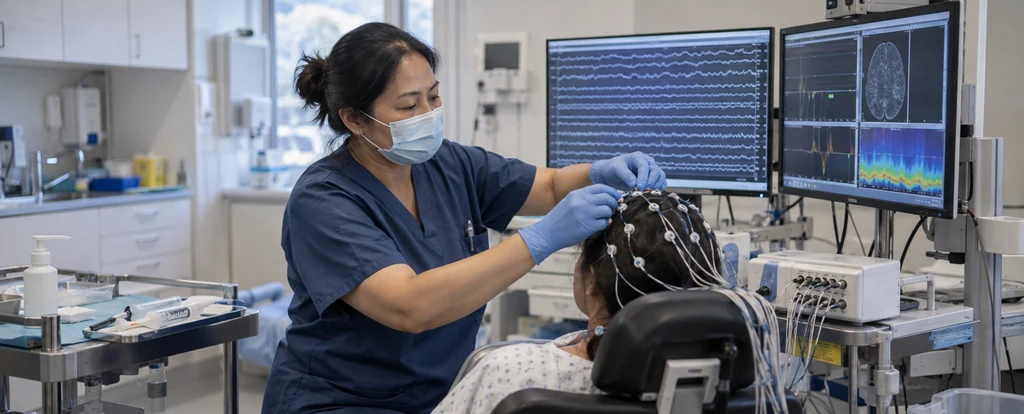
Neurophysiology Scientist
Neurophysiology scientists record the electrical activity of the brain and nerves, and the traces they capture are what neurologists use to diagnose epilepsy, nerve damage and other neurological conditions.
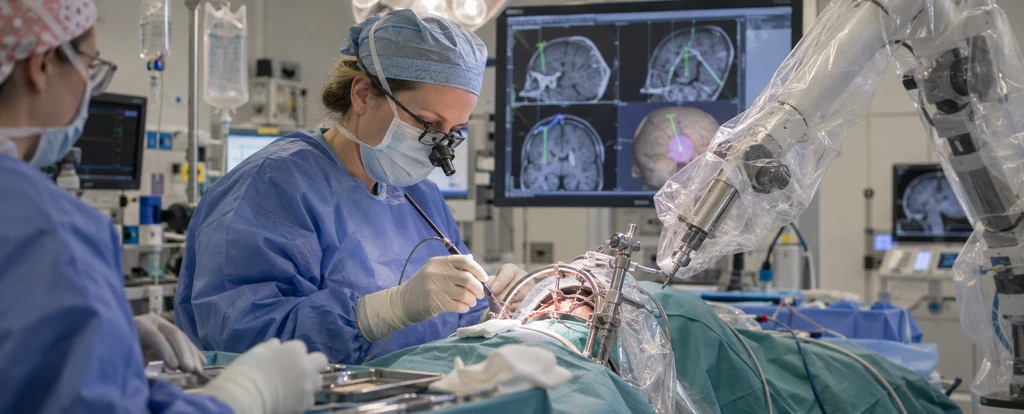
Neurosurgeon
Neurosurgeons operate on the brain, spine and nervous system to treat tumours, aneurysms, injuries and other conditions that threaten life or function.
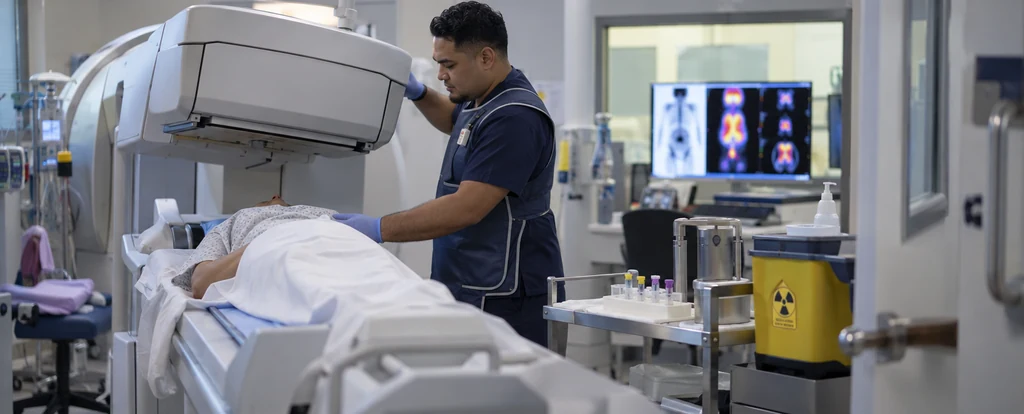
Nuclear Medicine Technologist
Nuclear medicine technologists prepare radioactive tracers and run the gamma camera and PET scans that show how a patient's organs are working.
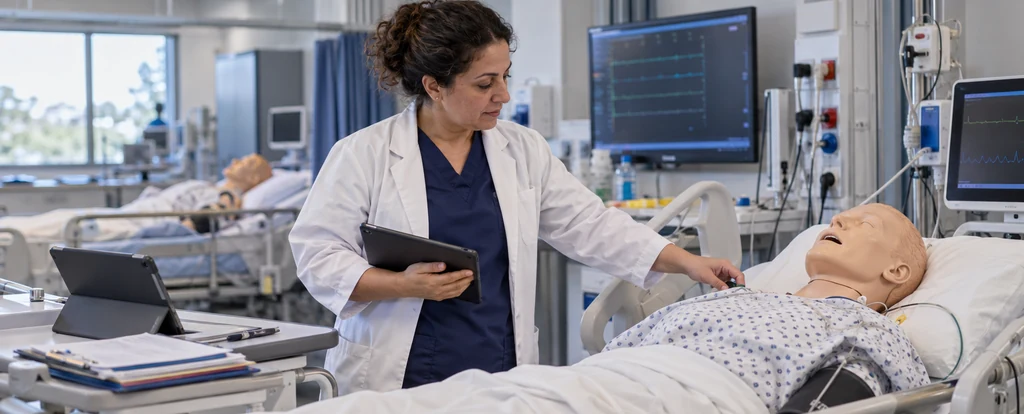
Nurse Educator
Nurse educators teach nurses and nursing students, combining current clinical practice with curriculum design, teaching and assessment.
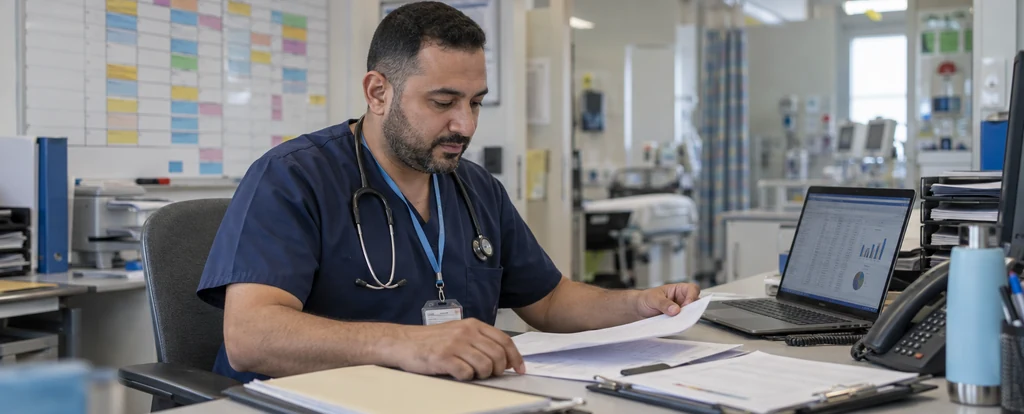
Nurse Manager
Nurse managers run the nursing team on a ward or unit, keeping patient care safe while answering for the roster, the budget and the standards behind both.
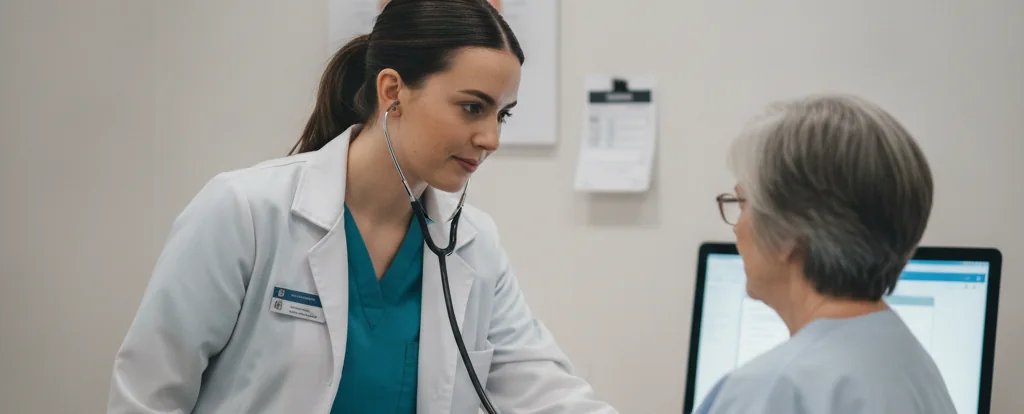
Nurse Practitioner
Nurse practitioners diagnose conditions, order and interpret tests and prescribe medicines on their own authority, doing clinical work that would otherwise need a doctor.
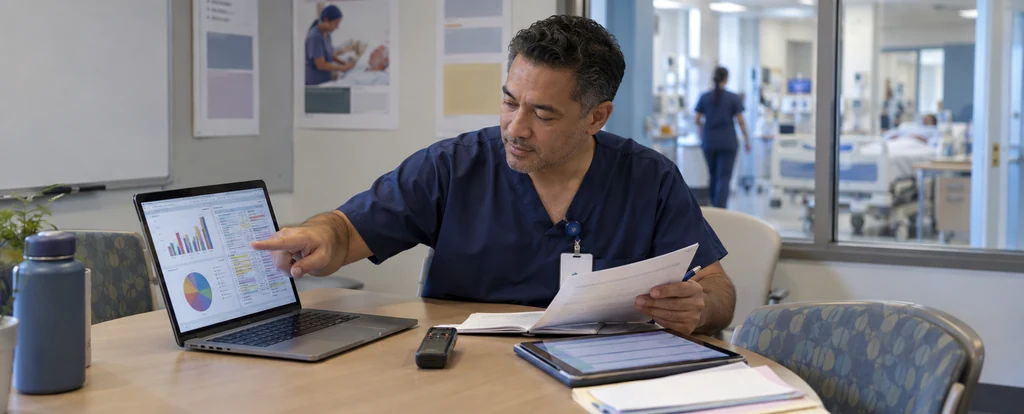
Nurse Researcher
Nurse researchers design and run studies into how nursing care is delivered, then turn the findings into the guidelines, policies and ward practices that hospitals and health services use.

Nutritionist
Nutritionists assess what people eat and build practical eating plans that fit their health, budget and daily routine.
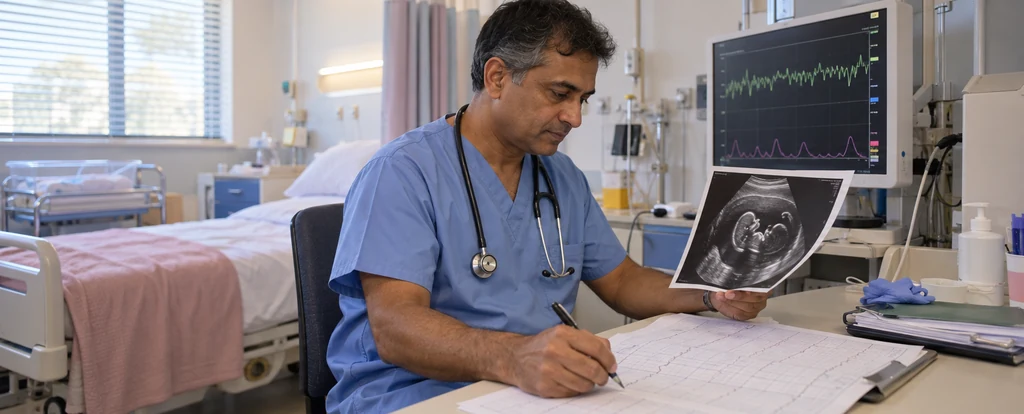
Obstetrician and Gynaecologist
Obstetricians and gynaecologists are specialist doctors who look after pregnancy and birth and treat conditions of the female reproductive system.
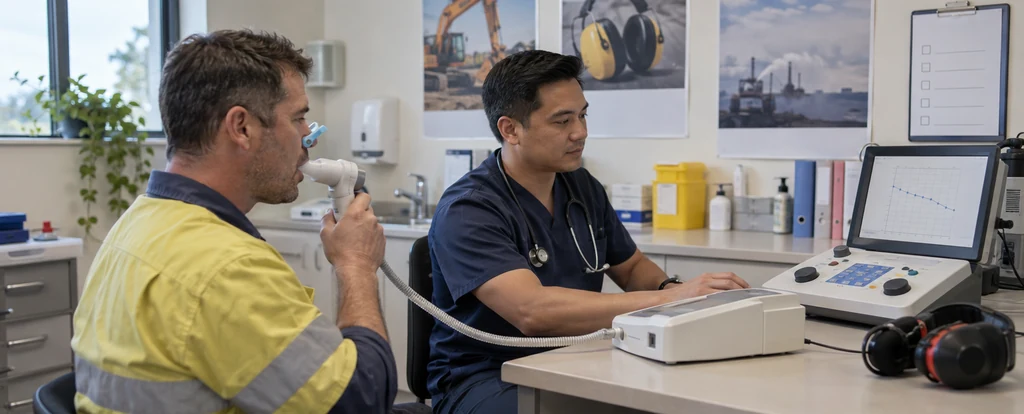
Occupational and Environmental Physician
Occupational and environmental physicians work out how a job, a worksite or an exposure affects someone's health, and whether they are fit to keep doing the work.
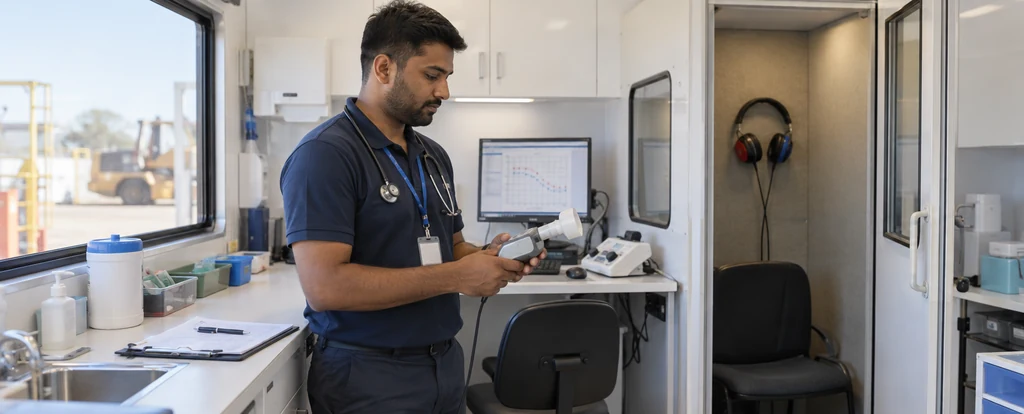
Occupational Health Nurse
Occupational health nurses look after the health of people at work, running health surveillance, treating injuries and helping workers get back to the job.

Occupational Therapist
Occupational therapists help people build or regain the skills they need for everyday activities, from getting dressed to returning to work.
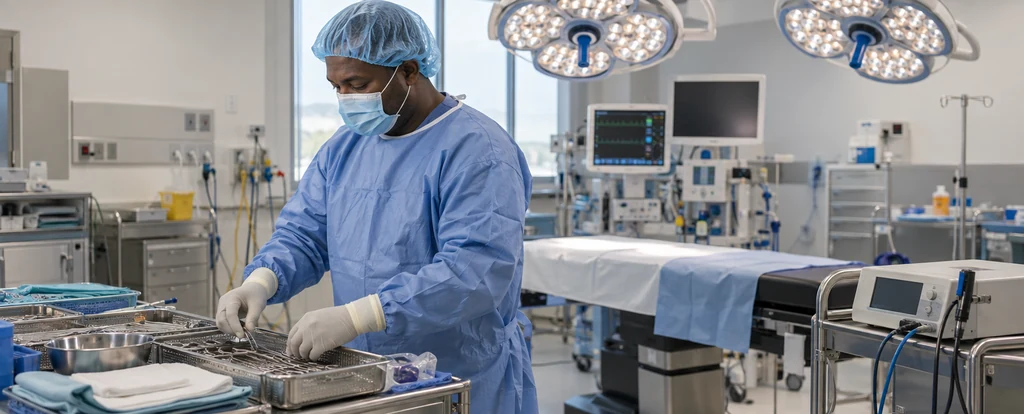
Operating Theatre Technician
Operating theatre technicians prepare the theatre, instruments and equipment for surgery, then support the clinical team through each operation and the clean-up that follows.
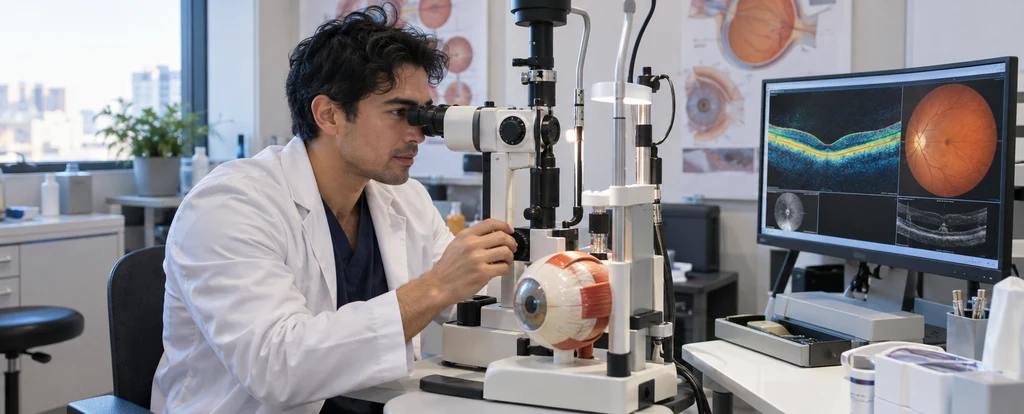
Ophthalmologist
Ophthalmologists are medical specialists who diagnose and treat eye disease, and much of their work is surgery that preserves or restores sight.
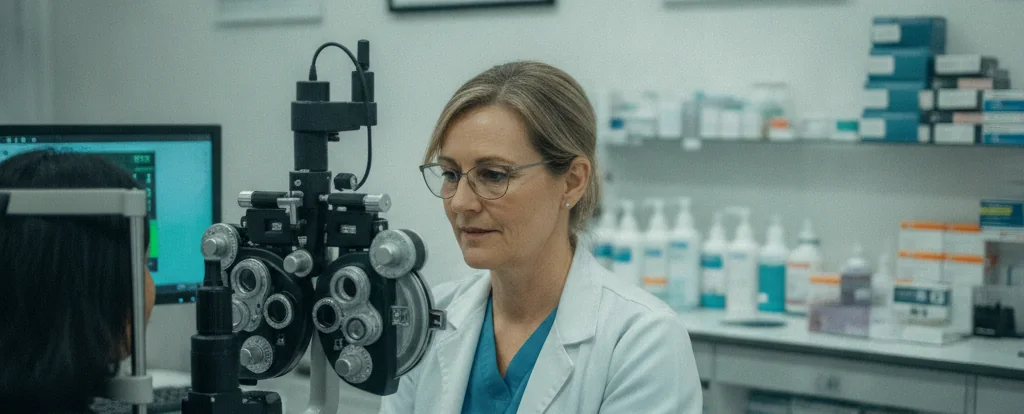
Optometrist
Optometrists test vision and eye health, then prescribe glasses, contact lenses or other treatment for what they find.
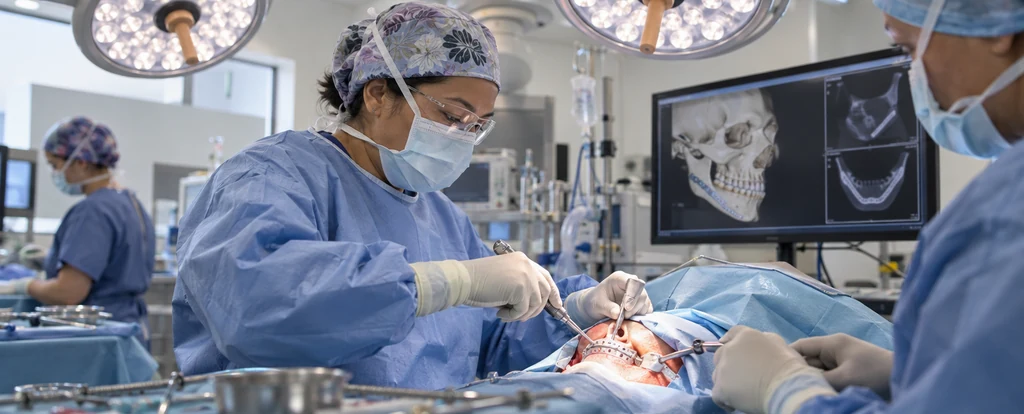
Oral and Maxillofacial Surgeon
Oral and maxillofacial surgeons operate on the mouth, jaws, face and neck, rebuilding function and appearance after injury, disease or a congenital condition.
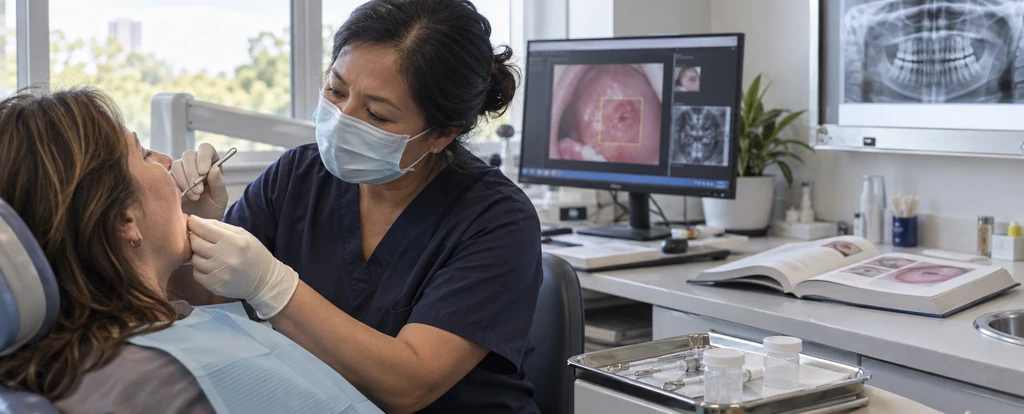
Oral Medicine Specialist
Oral medicine specialists are the dentists who diagnose and manage diseases of the mouth that a filling or a crown will not fix, from persistent ulcers and dry mouth to oral conditions tied to illness elsewhere in the body.
Oral Pathologist
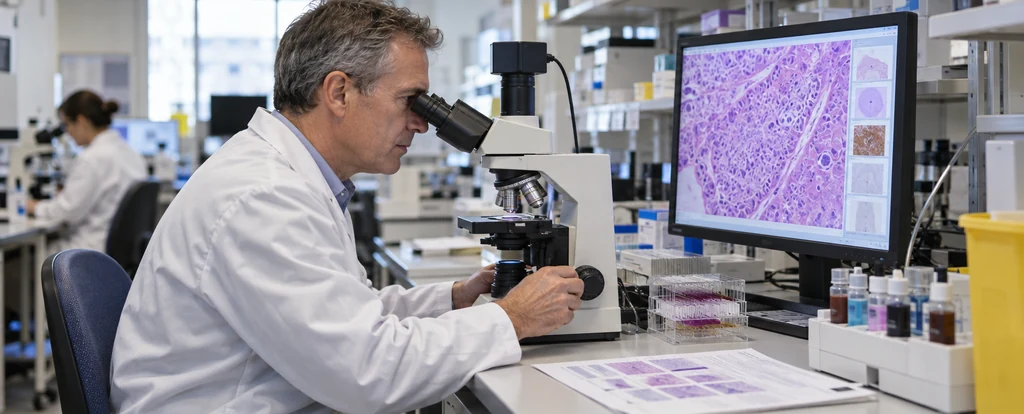
Oral pathologists are dental specialists who diagnose disease of the mouth, jaws and salivary glands from tissue samples, and their reports guide the treatment a dentist or surgeon plans next.
Oral Surgeon
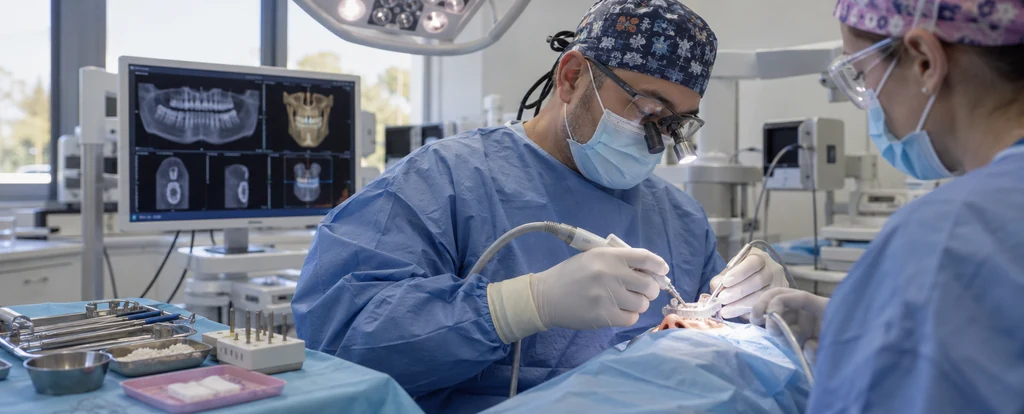
Oral surgeons operate on the mouth, jaws and face to relieve pain, remove disease and rebuild function after injury or decay.
Orthodontist
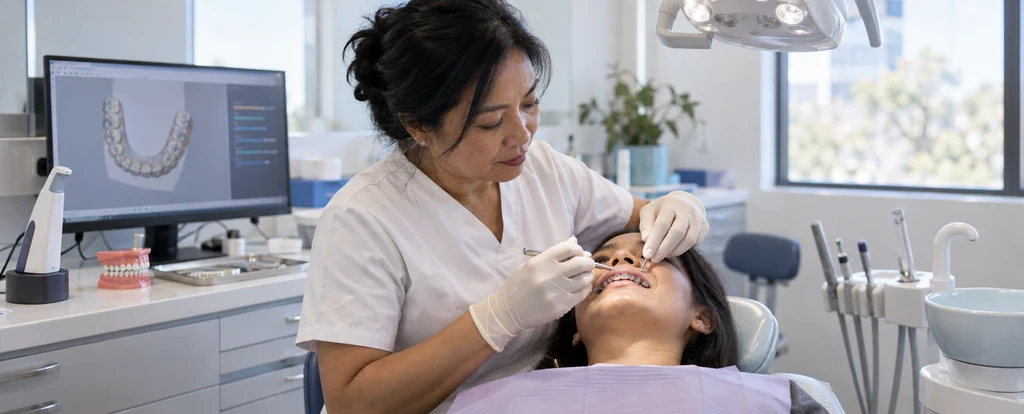
An orthodontist is a dental specialist who straightens teeth and guides jaw growth, usually through treatment that runs a year or more.
Orthopaedic Surgeon
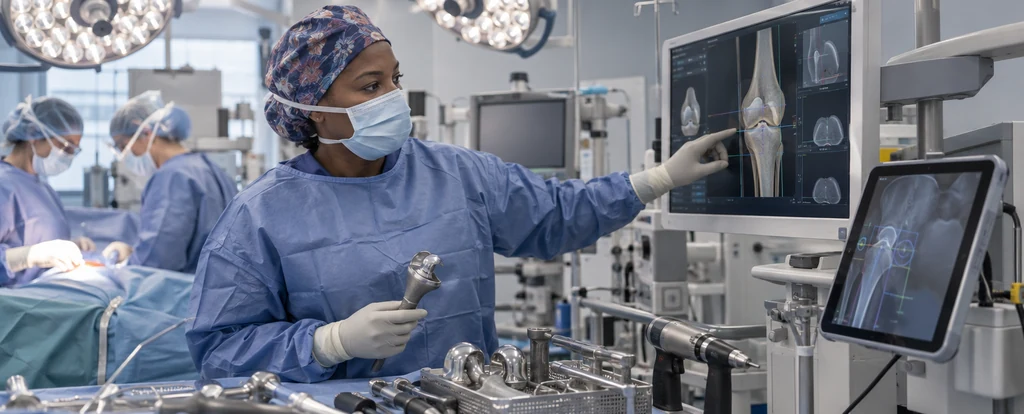
Orthopaedic surgeons diagnose and operate on problems with bones, joints, muscles and ligaments, restoring movement and relieving pain.
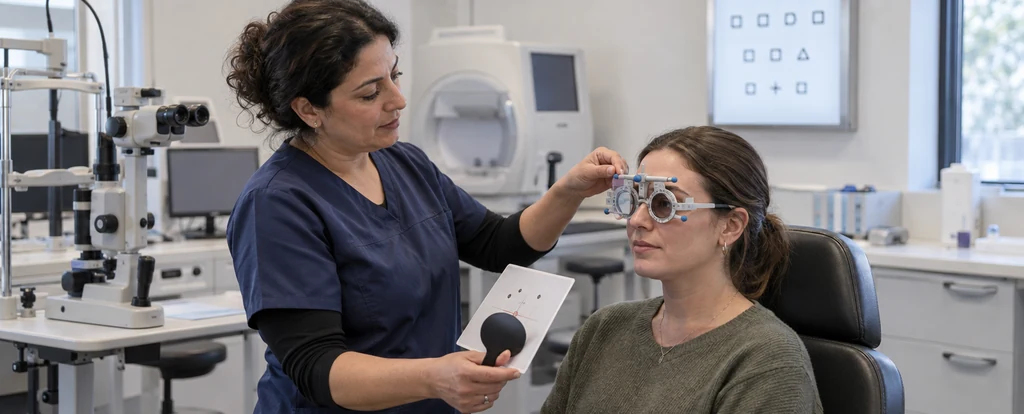
Orthoptist
Orthoptists assess and treat problems with eye movement, alignment and binocular vision, the skills that let the two eyes work together.
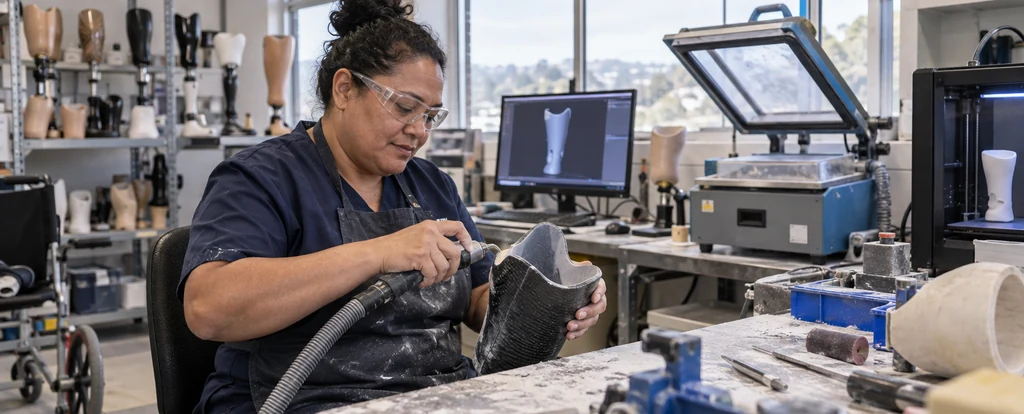
Orthotic and Prosthetic Technician
Orthotic and prosthetic technicians build the braces, artificial limbs and footwear modifications that clinicians prescribe, turning casts, scans and measurements into devices people wear every day.

Osteopath
Osteopaths treat pain and movement problems with their hands, assessing how the whole body is contributing to a patient's symptoms.
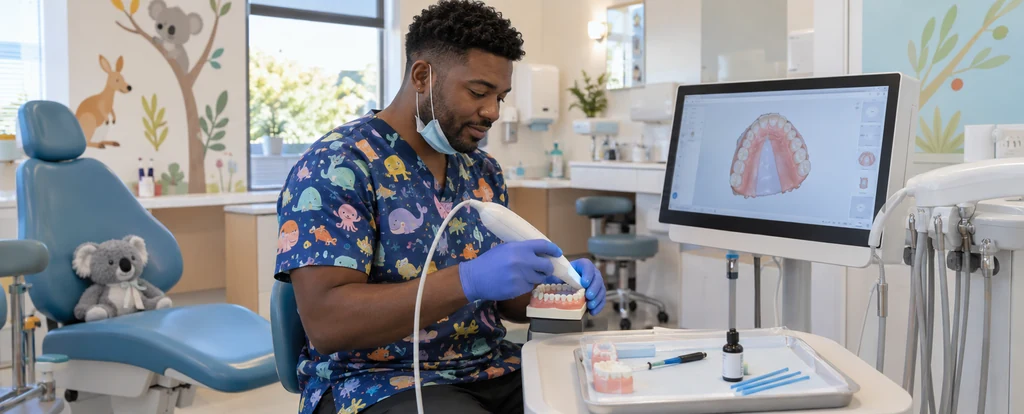
Paediatric Dentist
Paediatric dentists treat the dental problems of infants, children and teenagers, including the decay, growth issues and dental anxiety that general practices often refer on.
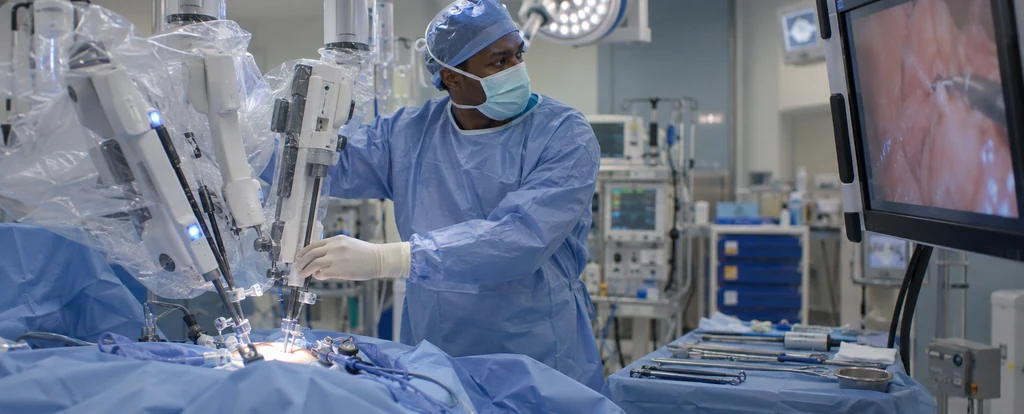
Paediatric Surgeon
Paediatric surgeons operate on babies, children and teenagers to correct congenital conditions, injuries and tumours.
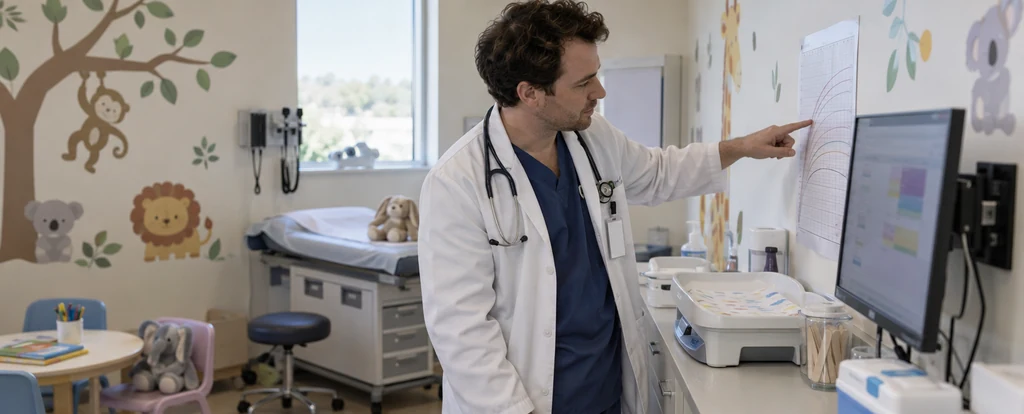
Paediatrician
Paediatricians diagnose and treat the health problems of babies, children and teenagers, from newborn checks through to the long-term management of chronic conditions.
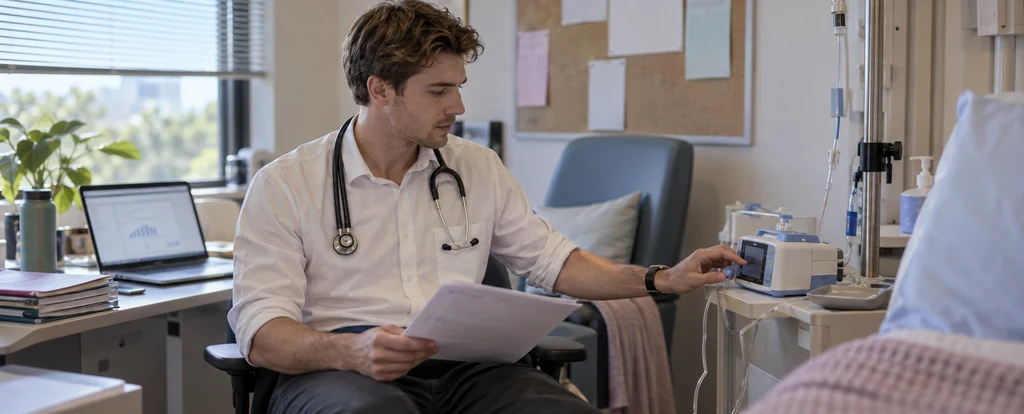
Palliative Medicine Physician
Palliative medicine physicians look after people living with serious illness that cannot be cured, working on symptom control, comfort and quality of life.
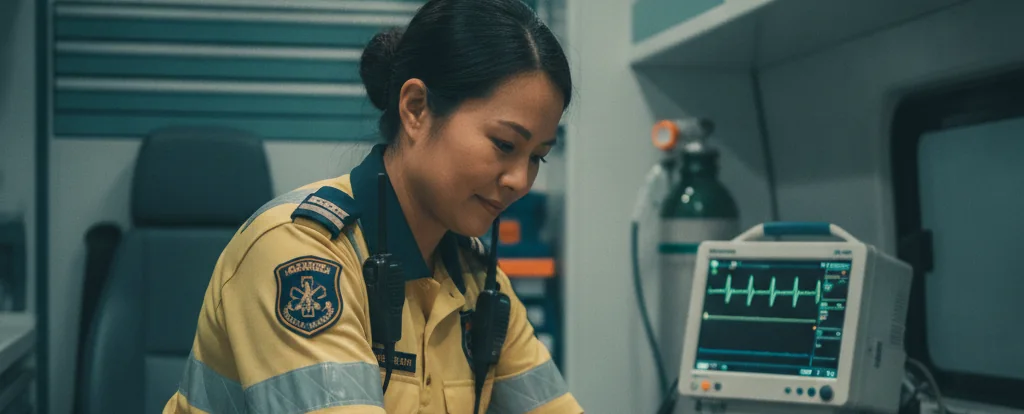
Paramedic
Paramedics assess and treat people where they are, decide whether they need hospital care, and get them there safely.
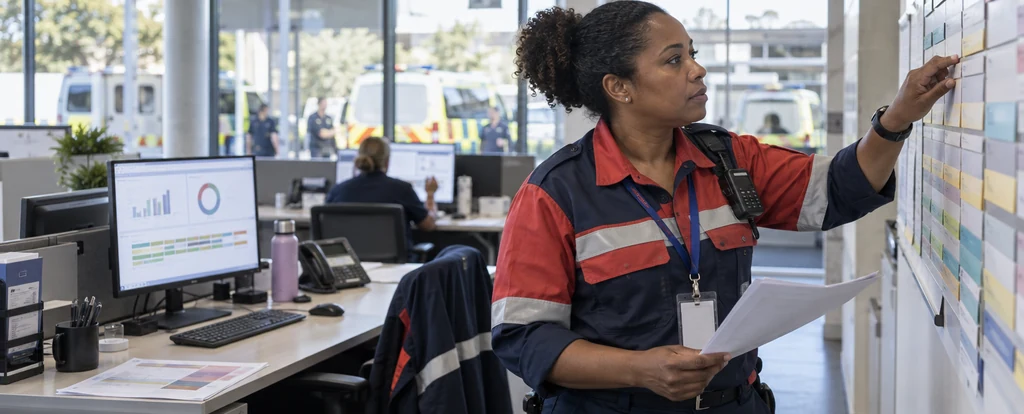
Paramedic Manager
A paramedic manager runs the day-to-day operation of an ambulance station or regional service, making sure crews are rostered, equipped and supported to deliver safe patient care.
Pathologist
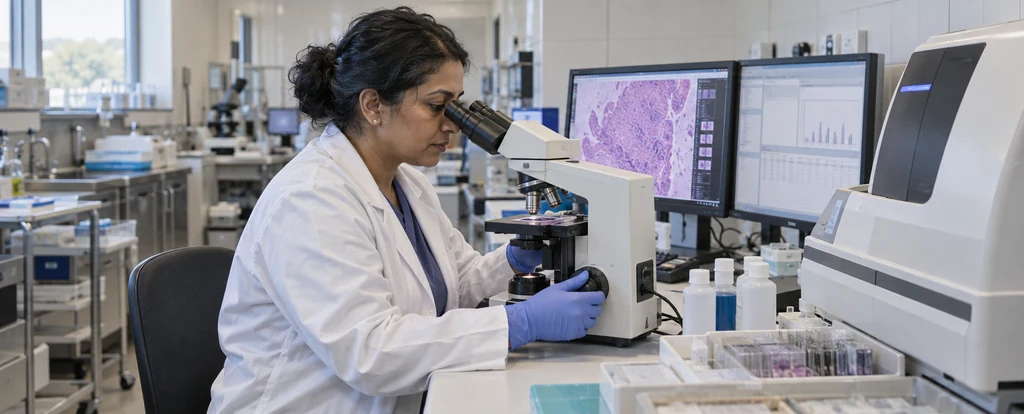
Pathologists are medical specialists who examine tissue, blood and other specimens to diagnose disease and guide the treatment other doctors give.

Pathology Collector
Pathology collectors collect blood and other samples from patients so laboratories can run the tests doctors rely on for diagnosis.
Pedorthist
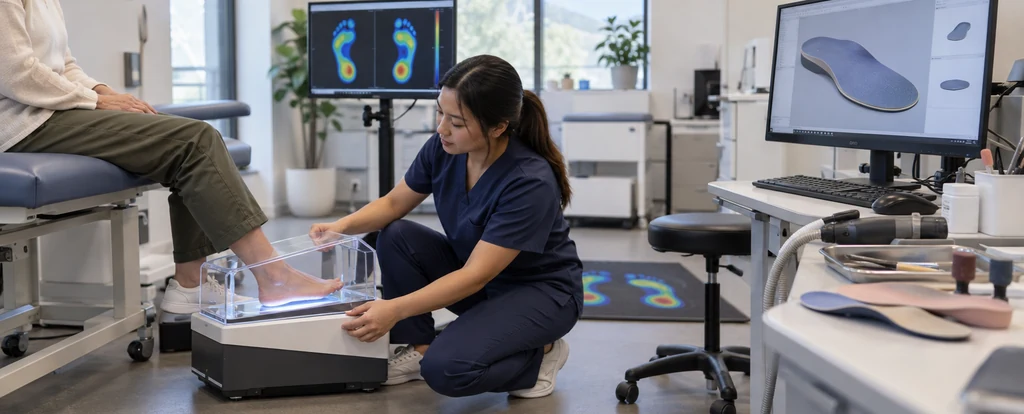
Pedorthists design and fit footwear and orthotic devices that improve how the foot works and ease pain, which helps people stay on their feet and avoid complications such as diabetic foot ulcers.
Perfusionist
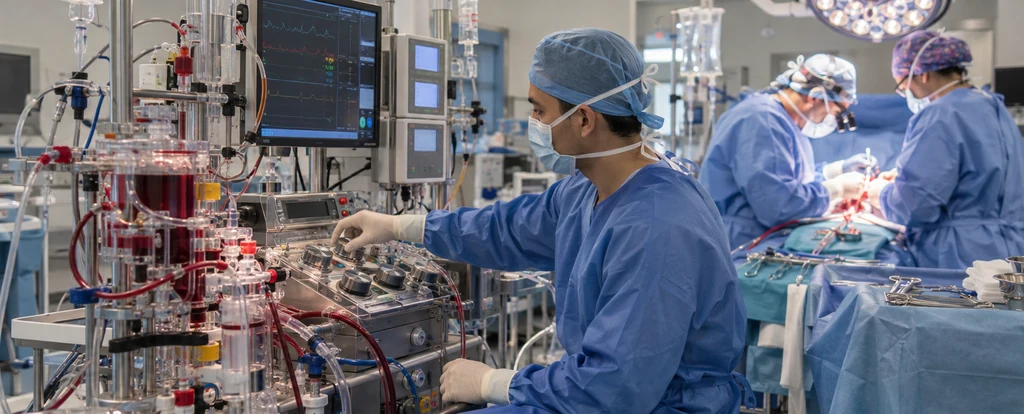
Perfusionists run the heart-lung machine, keeping a patient's blood circulating and oxygenated while the heart is stopped for surgery.
Periodontist
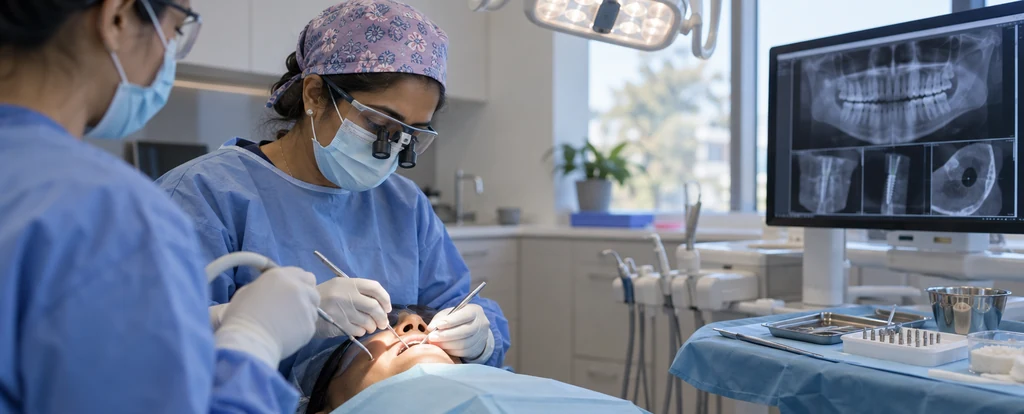
Periodontists treat the gums along with the bone and ligaments that hold teeth in place, so patients with advanced gum disease can often keep their own teeth.

Pharmacist
Pharmacists check and dispense prescription medicines and advise patients on how to take them safely, acting as the last clinical check before a medicine reaches someone.

Pharmacy Technician
Pharmacy technicians prepare and dispense prescriptions in a pharmacy, working under a pharmacist's supervision so patients get the right medicine at the right dose.

Physiotherapist
Physiotherapists assess and treat problems with movement and pain, using exercise, hands-on therapy and education to help people recover or manage a condition.
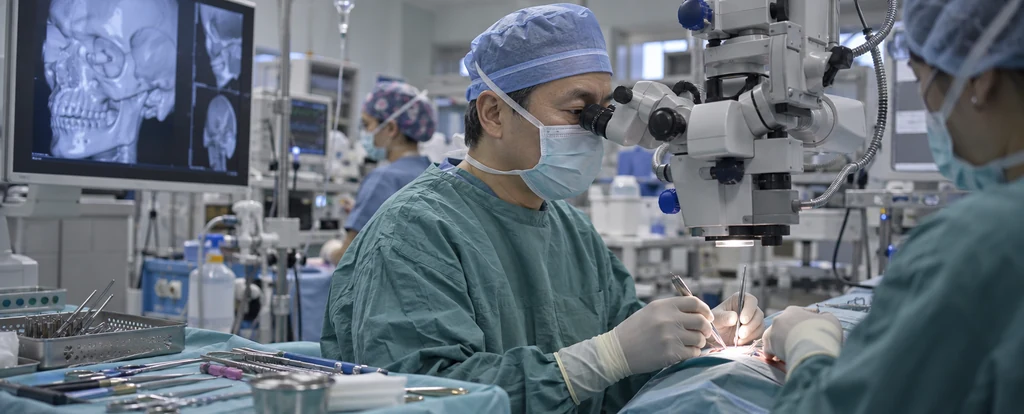
Plastic Surgeon
Plastic surgeons rebuild the body after trauma, disease or a birth condition and reshape appearance, working on skin, muscle, bone and the blood vessels that keep tissue alive.

Play Therapist
Play therapists use play, art and storytelling to help children express feelings and work through difficulties they can't easily put into words.
Podiatrist
Podiatrists assess and treat problems affecting the feet, ankles and lower legs, from sports injuries to the complications of diabetes.
Practice Manager
A practice manager runs the business side of a medical or allied health clinic, looking after the money, the staff and the compliance so the clinicians can get on with patient care.

Primary Health Network Manager
Primary health network managers run the regional organisations that decide which primary care services their community needs and who will provide them.
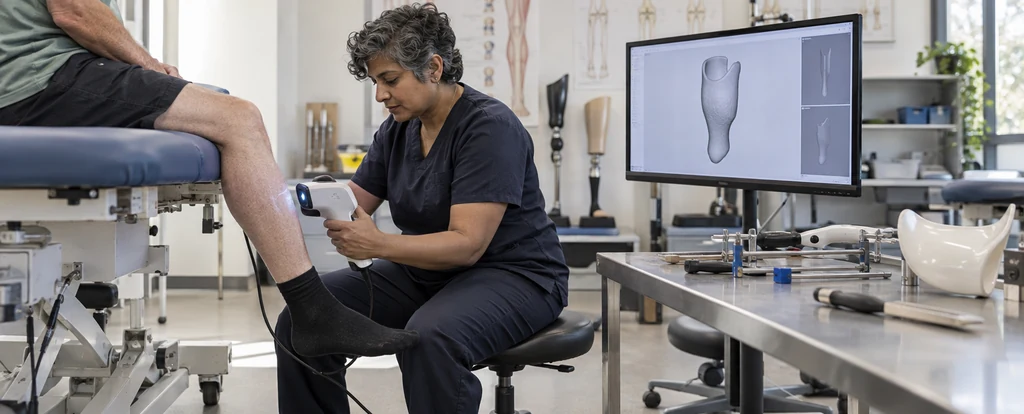
Prosthetist and Orthotist
Prosthetists and orthotists assess patients, then design and fit artificial limbs, braces and supports that help them move and manage daily life.
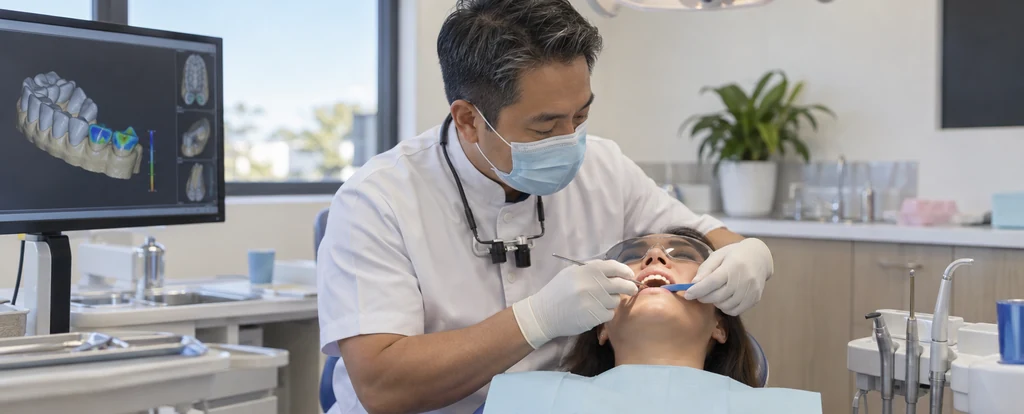
Prosthodontist
Prosthodontists rebuild missing or damaged teeth, replacing them with crowns, bridges, dentures and implants so patients can chew, speak and smile properly again.

Psychiatrist
Psychiatrists are medical doctors who diagnose and treat mental illness, using medication, therapy and risk assessment to help people recover or manage a long-term condition.

Psychologist
Psychologists use structured assessment and talk-based therapy to help people understand and manage mental health conditions, trauma and behavioural difficulties.

Psychotherapist
Psychotherapists work with people over repeated sessions to understand and change persistent emotional and behavioural patterns.
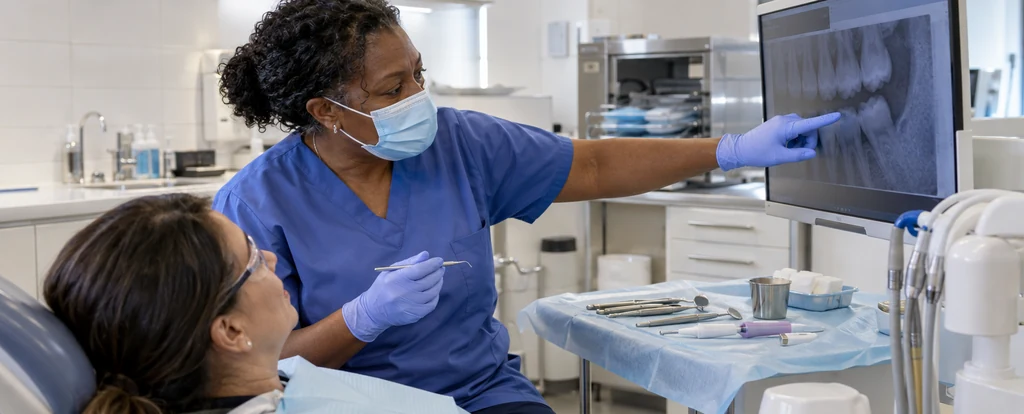
Public Health Dentist
Public health dentists provide dental care and run prevention programs for people who would otherwise go without, mainly through public clinics and community health services.
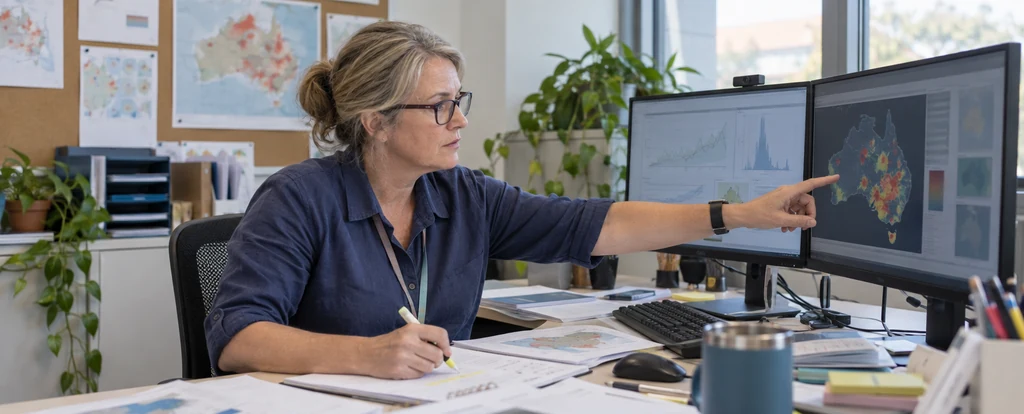
Public Health Physician
Public health physicians are medical doctors who work on the health of whole populations, tracking disease, shaping policy and running programs that prevent illness.
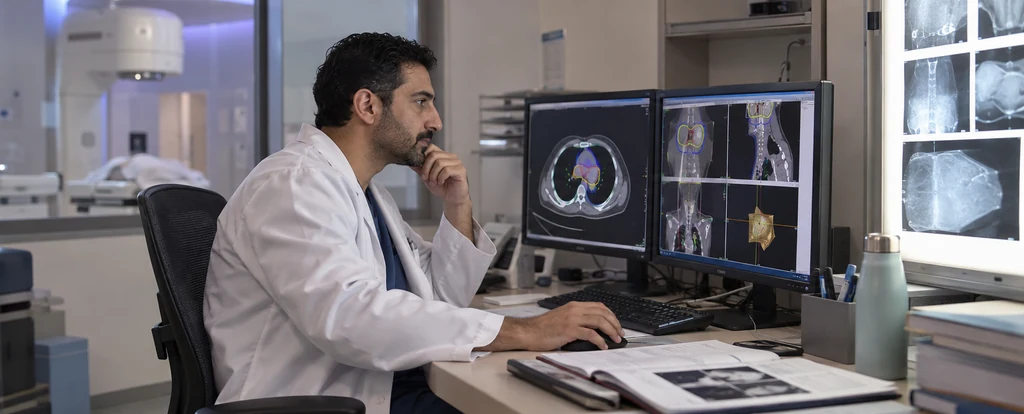
Radiation Oncologist
Radiation oncologists treat cancer with radiation, working out where the dose should go and how much the surrounding tissue can safely take.
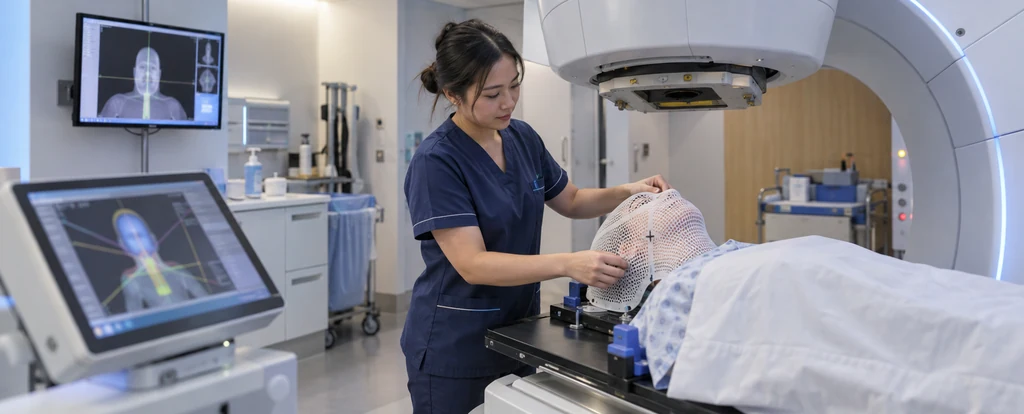
Radiation Therapist
Radiation therapists plan and deliver the daily doses of radiation that treat cancer, aiming the beam at the tumour while sparing the healthy tissue around it.
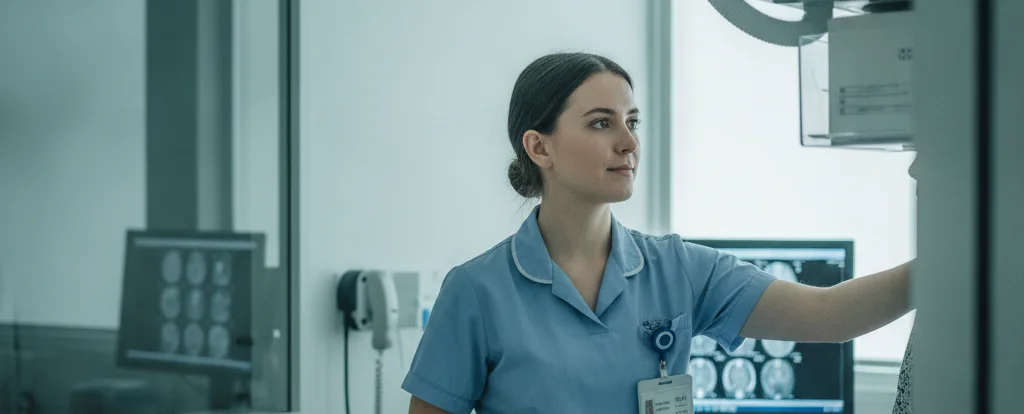
Radiographer
Radiographers use X-ray, CT and other imaging equipment to produce the pictures doctors rely on to diagnose injury and disease.
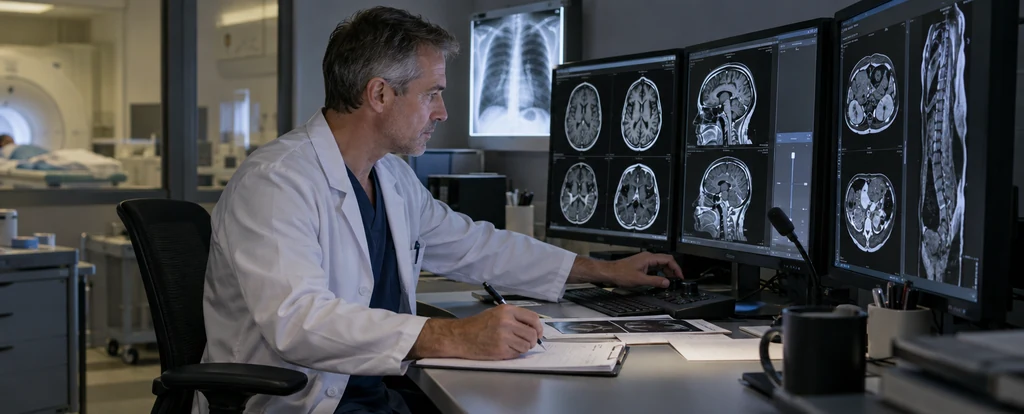
Radiologist
Radiologists interpret X-rays, CT, MRI and ultrasound scans and report what they find, and those reports guide treatment decisions across almost every branch of medicine.
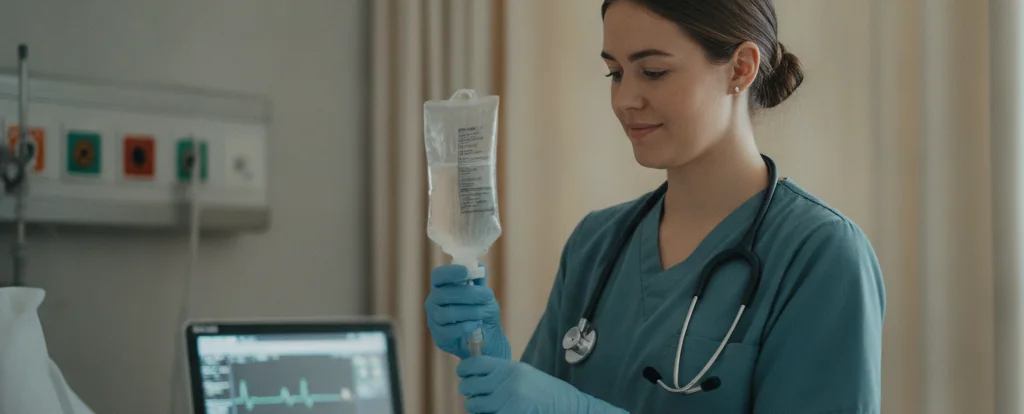
Registered Nurse
Registered nurses provide hands-on clinical care, from assessing a patient's condition and managing medications to coordinating their treatment across a shift.

Rehabilitation Counsellor
Rehabilitation counsellors help people manage the effects of an injury, illness or disability and work out a realistic path back into employment.
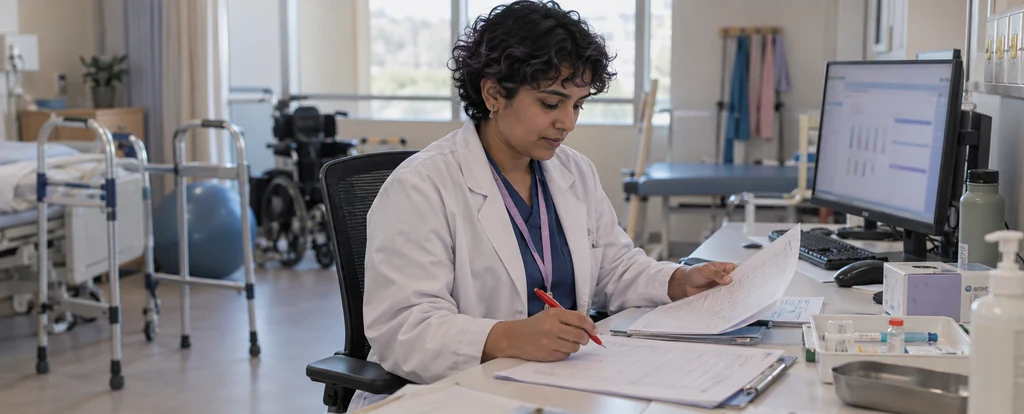
Rehabilitation Medicine Physician
Rehabilitation medicine physicians help people rebuild function and independence after stroke, brain or spinal injury and other disabling conditions, working with a therapy team over months rather than days.
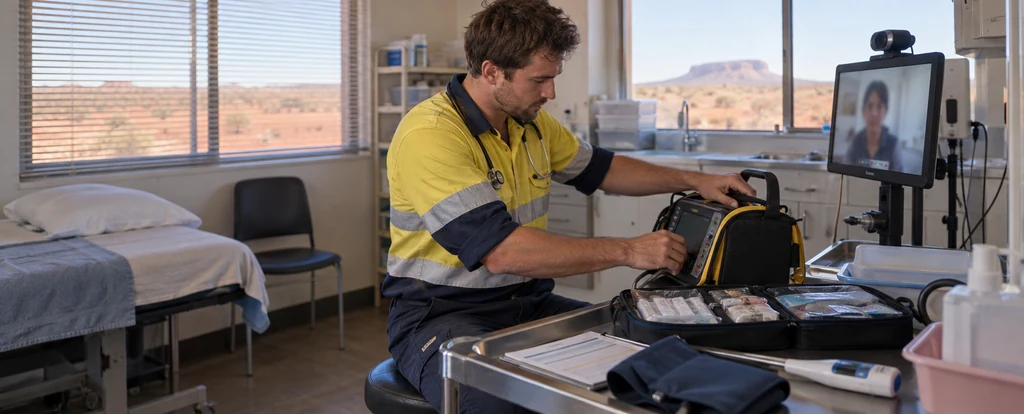
Remote Area Nurse
Remote area nurses deliver primary and emergency care in isolated communities, where they are often the only health professional for hundreds of kilometres.
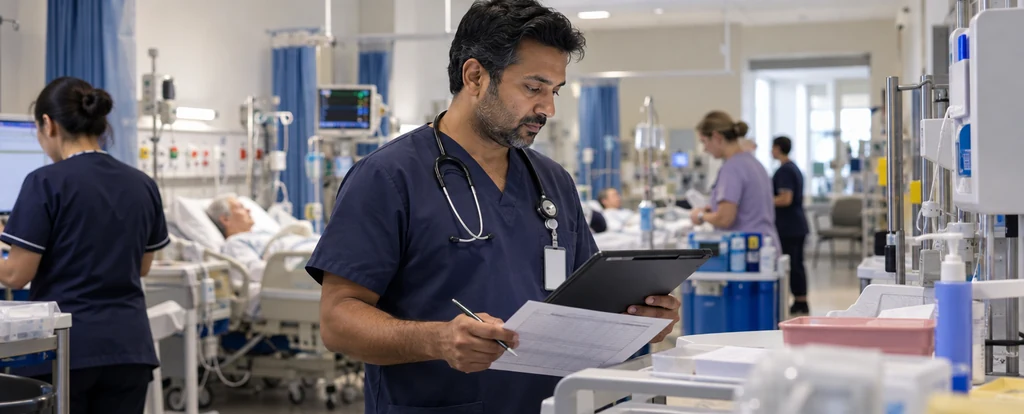
Resident Medical Officer
Resident medical officers are hospital doctors in their first years after internship, managing patients on the ward under the supervision of senior staff.
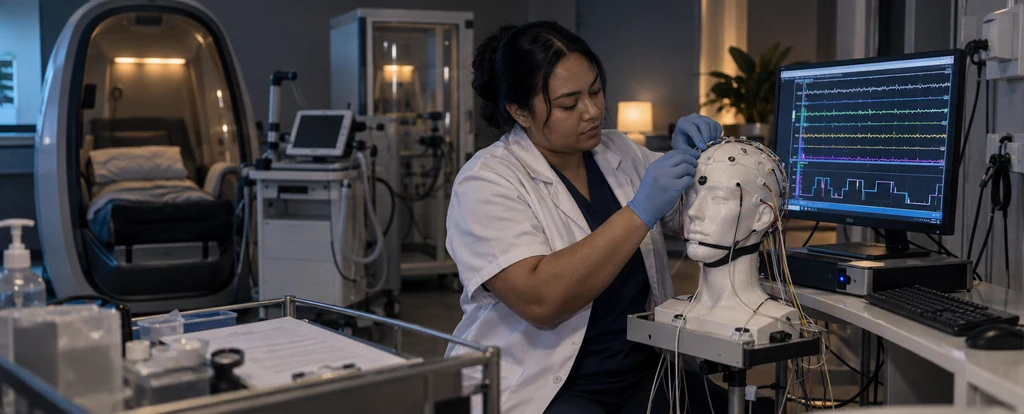
Respiratory and Sleep Scientist
Respiratory and sleep scientists measure how well a person's lungs are working and how they breathe overnight, and the traces they produce give respiratory physicians and sleep specialists the evidence to diagnose asthma, sleep apnoea and related conditions.
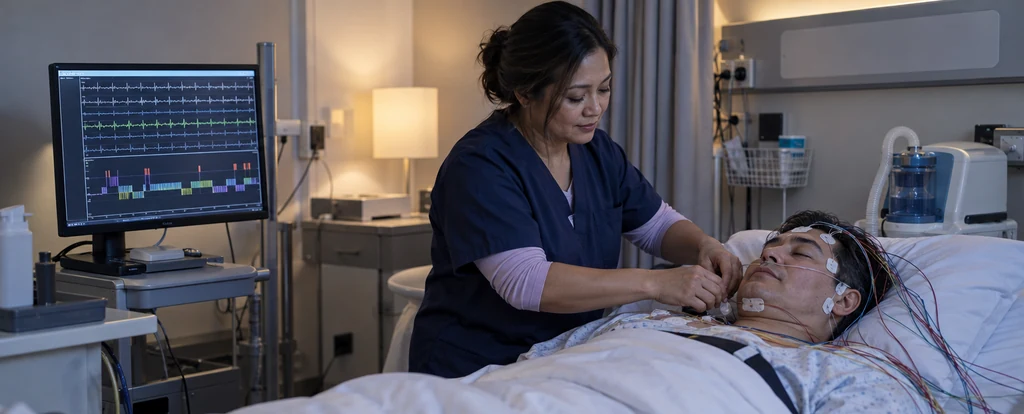
Respiratory and Sleep Technician
Respiratory and sleep technicians run the breathing and sleep tests that help doctors diagnose and manage asthma, sleep apnoea and other respiratory conditions.
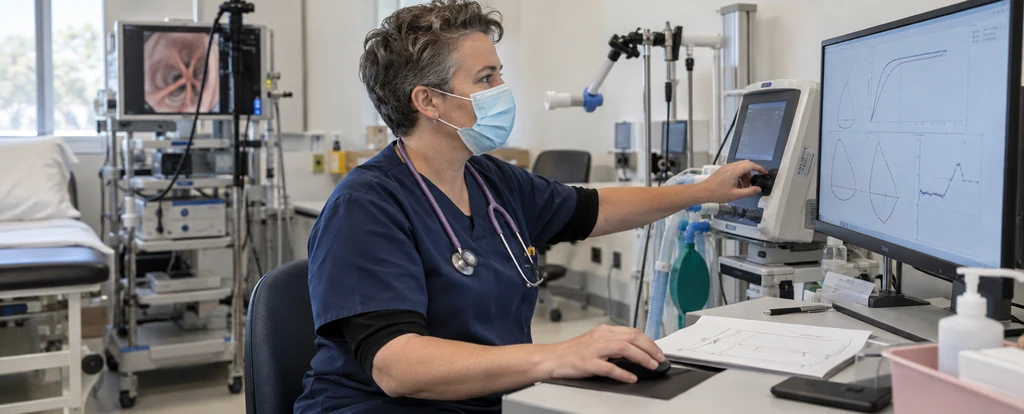
Respiratory Physician
Respiratory physicians are specialist doctors who diagnose and treat diseases of the lungs, airways and breathing during sleep, from asthma and COPD to lung cancer and sleep apnoea.
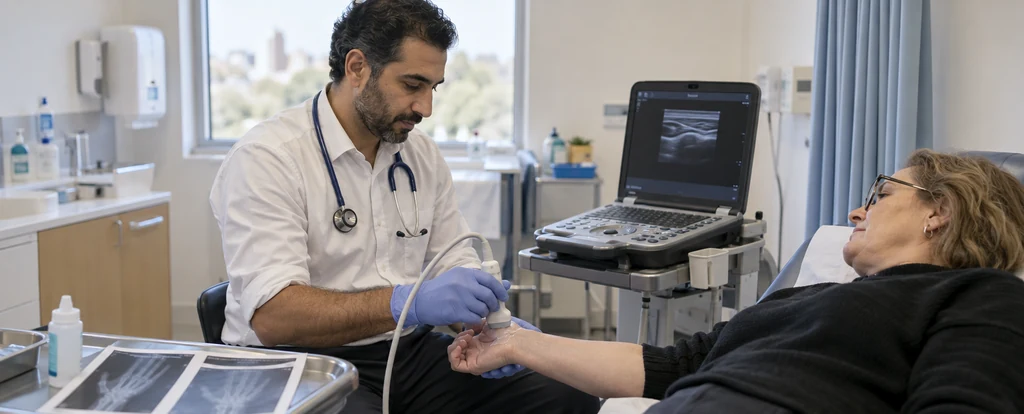
Rheumatologist
Rheumatologists diagnose and treat autoimmune and inflammatory conditions affecting joints, muscles and connective tissue, where early treatment prevents lasting damage.
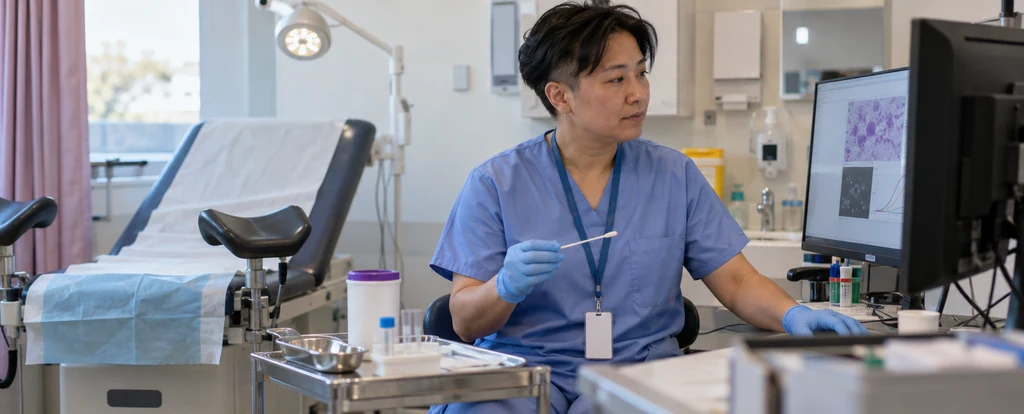
Sexual Health Physician
Sexual health physicians diagnose and treat sexually transmitted infections and HIV, and much of their work is prevention through screening, vaccination and partner notification.
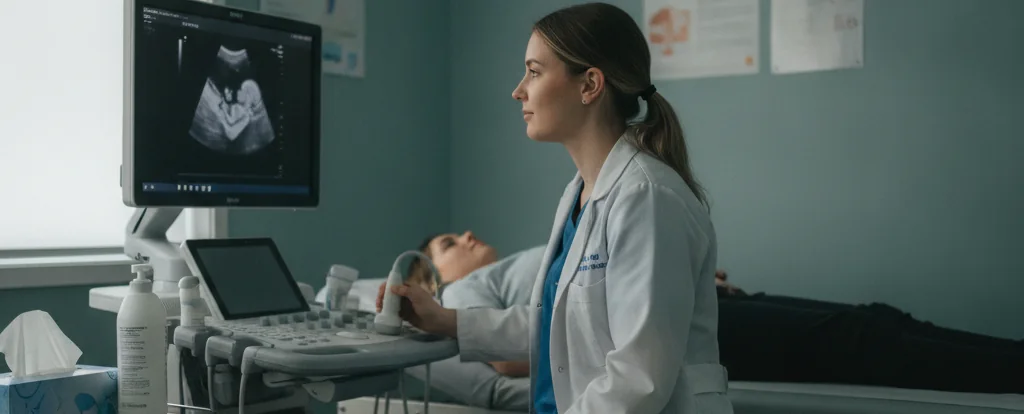
Sonographer
Sonographers use ultrasound machines to build images of what's happening inside a patient's body, which doctors then use to reach a diagnosis.
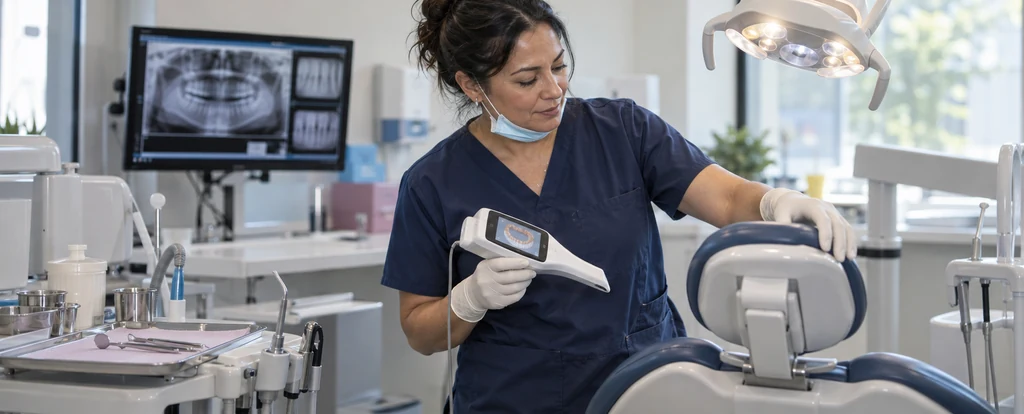
Special Needs Dentist
Special needs dentists provide dental care for people with disability, complex medical conditions or severe dental anxiety, adapting treatment so it can be delivered safely.
Speech Pathologist
Speech pathologists assess and treat difficulties with speech, language, voice, stuttering and swallowing, helping people of all ages communicate and eat safely.
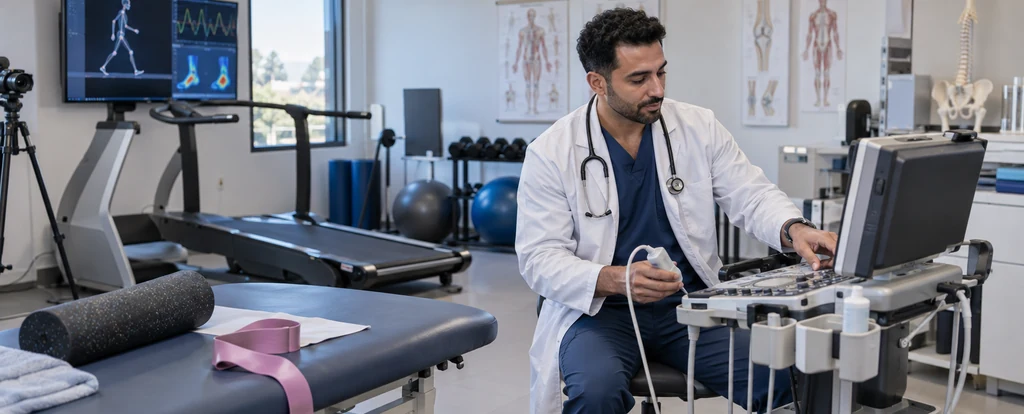
Sport and Exercise Physician
Sport and exercise physicians are medical specialists who work out what is causing a patient's pain or limits their activity, treat it, and use exercise itself as medicine.
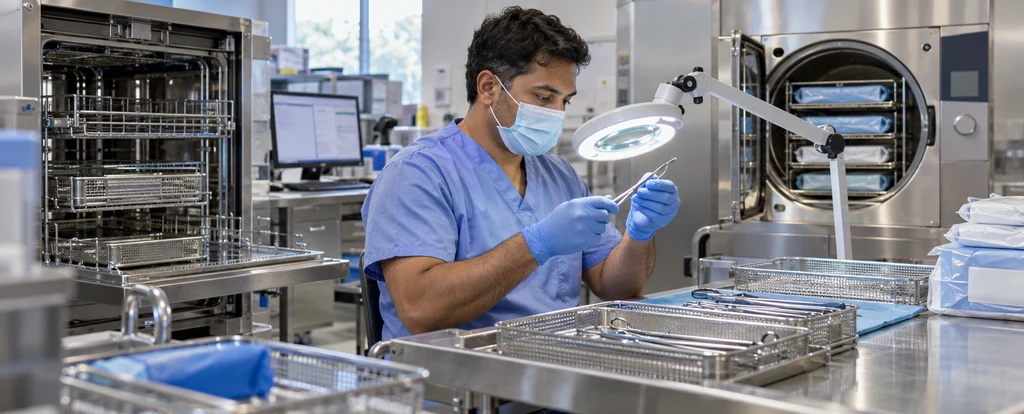
Sterilisation Technician
Sterilisation technicians clean, inspect and sterilise the surgical instruments hospitals reuse, recording each load so every tray can be traced back to a patient.
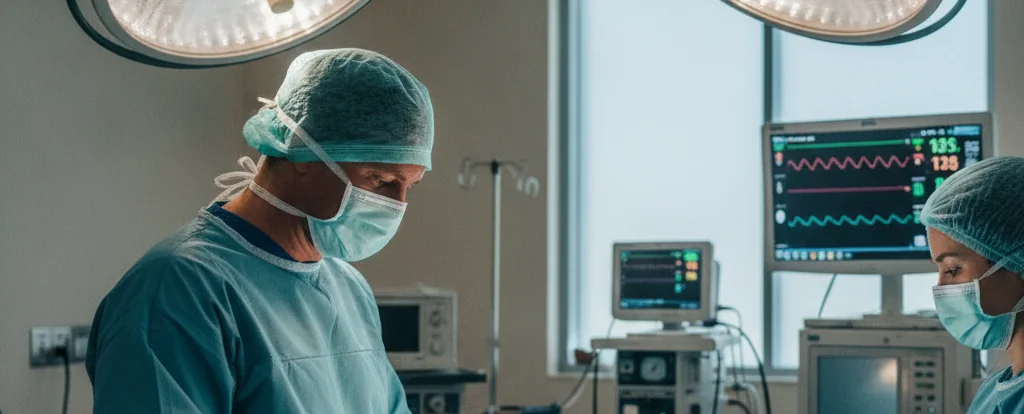
Surgeon
Surgeons operate on patients to treat injury, disease and physical abnormalities that medication or other treatment can't resolve.
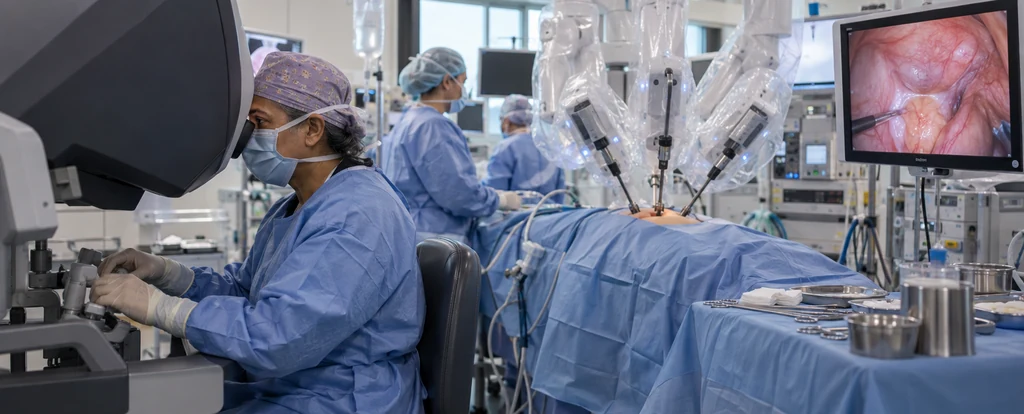
Urologist
Urologists are specialist surgeons who treat conditions of the urinary tract and the male reproductive system, from kidney stones and prostate cancer to incontinence.
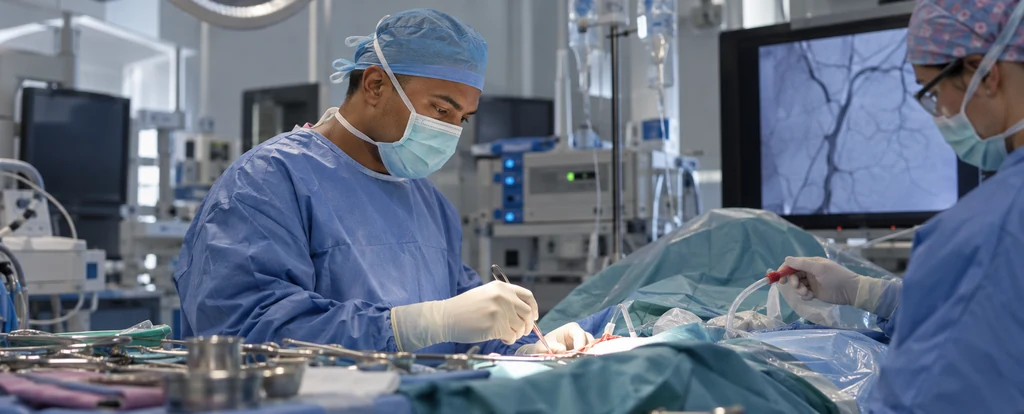
Vascular Surgeon
Vascular surgeons treat disease in the arteries, veins and lymphatic system, restoring blood flow and preventing amputation, stroke and aneurysm rupture.
Ward Clerk
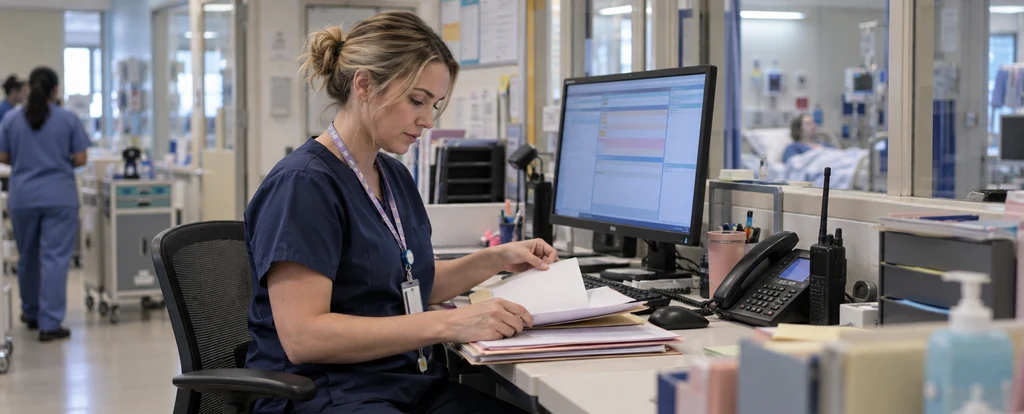
Ward clerks keep the administrative side of a hospital ward running, handling admissions, patient records and enquiries so clinical staff can stay with patients.
Workplace Rehabilitation Consultant
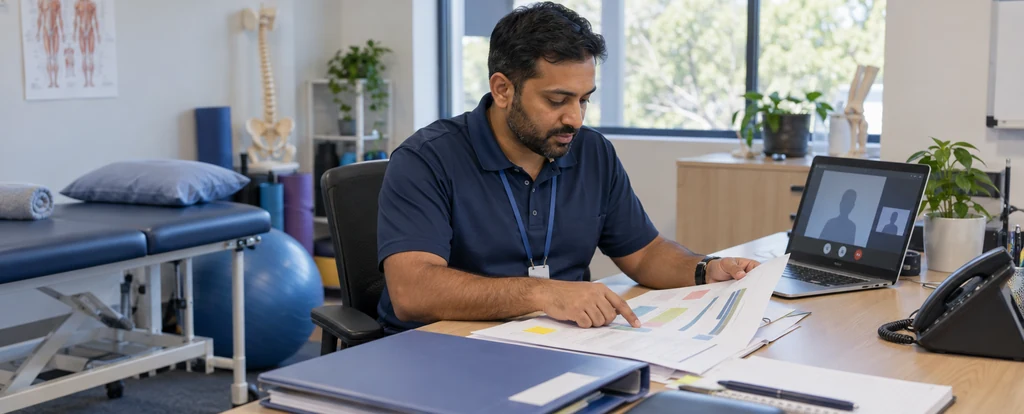
Workplace rehabilitation consultants help people who have been injured return to work, coordinating recovery plans with employers, insurers and treating health professionals.