HomeCoursesRail and transportCertificate II
Certificate II · national qualification
Certificate II in Rail Infrastructure
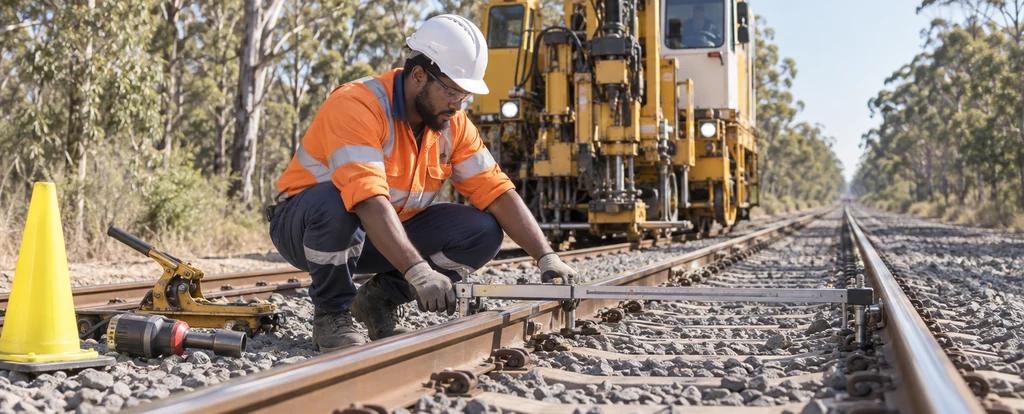
This qualification prepares people for entry-level work on rail track and structures, the kind of jobs that keep a rail network safe and running.
- How long it takes
- 6 to 12 months
- typical for this level
- How you can study
- On campus
- Main job
- Railway Track Worker
- $70,700 (estimate) median pay
- Taught by
- 5 providers
- Every state and territory
Is this course right for you?
What the Certificate II in Rail Infrastructure asks of you, and what you might want to check first.
It helps to have
- an interest in working on rail tracks and structures
- a careful attitude to work health and safety
- good hand skills for using and looking after tools
- a willingness to work shifts, nights and weekends
Before you start
There are no entry requirements for this qualification.
Certificate II or Certificate III?
Certificate III in Rail Infrastructure is a higher level than this Certificate II. This Certificate II covers basic operations within rail infrastructure, following known routines and taking some responsibility for the quality of work outcomes.
See the courseWhere this course can take you
Jobs this qualification is a recognised route into, and the study that can follow it.
Jobs you can do with it
Railway Track Worker
Railway track workers build and maintain the rails, sleepers and ballast that trains run on.
What else you need
This is an entry-level rail infrastructure qualification, currently delivered in the Track Work stream and available as a traineeship. Rail operators set their own safety induction and medical requirements, and the award alone does not give network access.
Median pay$70,700 (estimate)
Pay is the median for everyone in the job, and “In demand” means the job is on the national shortage list. Pay marked as an estimate is our own analysis, not a published figure.
Where you can study this course
There are 5 places you can study this course. When you compare them, check they teach it the way you want to study, how far you'd be from a campus, what it will cost you and what past students say about the teaching and support. They're listed by how often people search for them, and none of them pays to be here or to move up.
- Course page for North Metropolitan TAFE (opens in a new tab)
North Metropolitan TAFE
Midland, WA
4.1from 903 Google reviews
- How you study
- On campus
What students like
- Lecturers are helpful and knowledgeable
- Courses provide strong practical skills
- Website for Chisholm Institute (opens in a new tab)

Chisholm Institute
7 campuses, VIC
3.6from 676 Google reviews
- Website for SDS Training (opens in a new tab)
SDS Training
2 campuses, QLD
4.4from 55 Google reviews
- Website for Southern Cross Rail Training Pty Ltd (opens in a new tab)

Southern Cross Rail Training Pty Ltd
Southern Cross Civil & Rail Training, NSW
4.7from 67 Google reviews
- Website for Halo Nation Training Pty Ltd (opens in a new tab)

Halo Nation Training Pty Ltd
What you’ll learn
16 units: 6 that everyone takes and 10 you choose.
- Hand tool use and upkeep
- Safe manual handling
- Basic workplace communication
- Work health and safety
- Fatigue management
- Environmental procedures on rail sites
See all 6 core units
Core units
Everyone completes these. Select a unit to see what it covers.
Loading the details for TLIB0012…
Loading the details for TLIB0012…
Questions to ask before you enrol
Providers run this course differently, so the answers change from one to the next.
- When is the next intake, and how many are there each year?
- What is the total cost, including materials, checks and any placement costs?
- Can I study part time or online, and how does that change the length?
- Do the units count towards a higher qualification if I go on to study further?
Questions people ask
Who is this qualification for?
It is for someone starting out in rail infrastructure, including on tram and light rail networks. It prepares you for basic operations, following known routines and taking some responsibility for the quality of your work.
Do I need experience or other qualifications first?
There are no entry requirements for this qualification. Individual providers can set their own conditions, so check with the provider you choose.
How is it different from Certificate III in Rail Infrastructure?
Certificate III in Rail Infrastructure is a higher level than this Certificate II. This Certificate II covers basic operations within rail infrastructure, following known routines and taking some responsibility for the quality of work outcomes.