HomeCoursesSecurity and investigationCertificate III
Certificate III · national qualification
Certificate III in Investigative Services
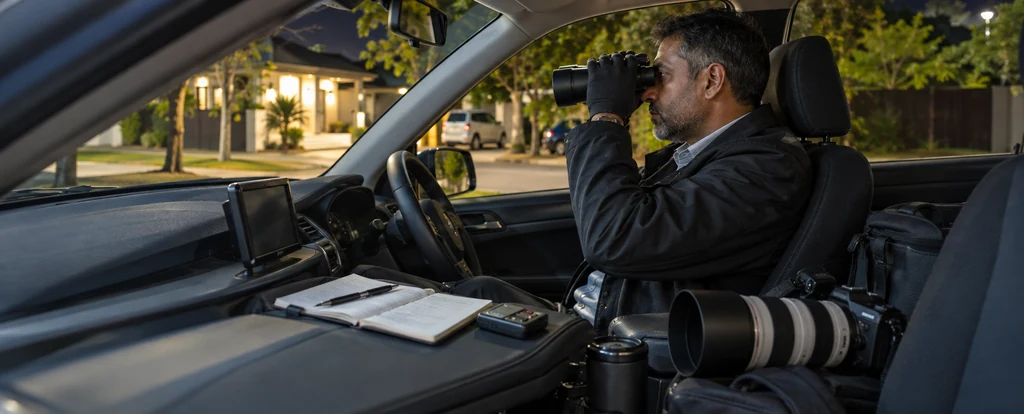
This course prepares people to work as private investigators or inquiry agents, digging into facts about a person's character, actions or work and gathering evidence that may end up in court.
- How long it takes
- 1 to 2 years
- typical for this level
- Main job
- Private Investigator
- $78,000 (estimate) median pay
- Taught by
- 2 providers
- QLD
Is this course right for you?
What the Certificate III in Investigative Services asks of you, and what you might want to check first.
It helps to have
- an interest in finding out the facts
- a careful and discreet approach to other people's business
- good observation skills and attention to detail
- the judgement to work with limited supervision
Before you start
There are no entry requirements for this qualification.
Where this course can take you
Jobs this qualification is a recognised route into, and the study that can follow it.
Jobs you can do with it
Private Investigator
Private investigators gather evidence and check facts for clients, and their reports support legal claims, insurance decisions and court proceedings.
What else you need
A private investigator licence needs approved training through a registered training organisation plus a licence application to the state regulator. The certificate alone does not confer a licence; requirements vary by state.
Median pay$78,000 (estimate)
Pay is the median for everyone in the job, and “In demand” means the job is on the national shortage list. Pay marked as an estimate is our own analysis, not a published figure.
Where you can study this course
There are 2 places you can study this course. When you compare them, check they teach it the way you want to study, how far you'd be from a campus, what it will cost you and what past students say about the teaching and support. They're listed by how often people search for them, and none of them pays to be here or to move up.
- Website for Australian Training Institute (opens in a new tab)

Australian Training Institute
Australian Training Institute (ATI) - RTO 30200, QLD
4.9from 770 Google reviews
What students like
- Trainers are knowledgeable, engaging and explain things clearly
- Staff are helpful and friendly
- Course content is clear and easy to follow
- Website for Rose Training Australia (opens in a new tab)

Rose Training Australia
Rose Training Australia, QLD
4.7from 542 Google reviews
What students like
- Trainers are supportive, approachable and reply quickly
- Flexible online study fits around work and family
What you’ll learn
16 units: 5 that everyone takes and 11 you choose.
- Planning investigations
- Tracing and locating subjects
- Gathering evidence lawfully
- Working with clients
- Preparing evidence for court
- Surveillance and legal limits
See all 5 core units
Core units
Everyone completes these. Select a unit to see what it covers.
Loading the details for CPPINV3026…
Loading the details for CPPINV3026…
Questions to ask before you enrol
Providers run this course differently, so the answers change from one to the next.
- When is the next intake, and how many are there each year?
- What is the total cost, including materials, checks and any placement costs?
- Can I study part time or online, and how does that change the length?
- Do the units count towards a higher qualification if I go on to study further?
Questions people ask
Who is this qualification for?
This qualification prepares you to work as a private investigator or inquiry agent, investigating a person's character, actions or work and gathering evidence for court. You learn to plan investigations, trace subjects, deal with clients and present findings. Investigators work with limited supervision, using judgement and discretion.
Do I need experience or other qualifications first?
There are no entry requirements for this qualification. However, individual providers can set their own conditions, so check with the provider you choose.
Is a licence, registration or check required to work in this area?
Yes. Licensing or registration rules apply in some states and territories, so check with your local regulator before you enrol. Legislative, regulatory or certification requirements also apply in some states and territories; for further information, check with the relevant regulatory authority.