- How long it takes
- 2 years
- full time
- Level
- Masters degree (coursework)
- University
- Leads on to
- Audiologist
- $104,200 median pay, In demand
- Taught by
- 1 provider
- SA
Is this course right for you?
What the Master of Audiology asks of you, and what you might want to check first.
Before you start
Each provider sets its own entry requirements, so check the ones you are considering.
Where this course can take you
Jobs this qualification is a recognised route into, and the study that can follow it.
Jobs you can do with it
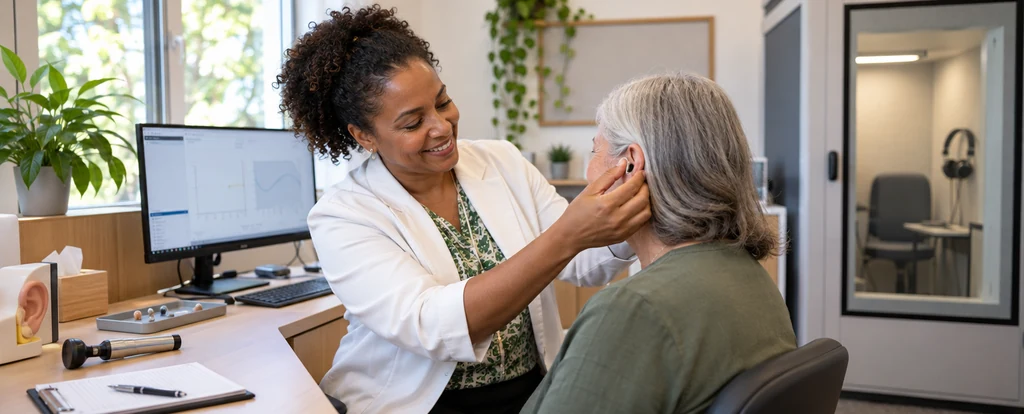
Audiologist
Audiologists test hearing and balance, work out what is going wrong, and fit the hearing aids and other devices that help people communicate day to day.
What else you need
Complete an accredited audiology programme and meet professional certification and employer requirements, including any supervised practice. This is not an Ahpra registration claim. This catalogue groups awards: verify the chosen provider, programme and intake; the family-level link is not confirmation that every offering is approved.
Median pay$104,200
In demand
Pay is the median for everyone in the job, and “In demand” means the job is on the national shortage list.
Where you can study this course
There's one place you can study this course. No provider pays to be listed here.
- Website for Flinders University (opens in a new tab)
Flinders University
Bedford Park, SA
4.3from 1,059 Google reviews
What you’ll learn
The main topics covered in the Master of Audiology.
- Hearing science and anatomy
- Diagnostic audiology
- Hearing aids and implants
- Paediatric audiology
- Clinical placements
Questions to ask before you enrol
Providers run this course differently, so the answers change from one to the next.
- When is the next intake, and how many are there each year?
- What is the total cost, including materials, checks and any placement costs?
- Can I study part time or online, and how does that change the length?
- Who arranges the work placement, and how many hours does it involve?
- Do the units count towards a higher qualification if I go on to study further?