- How long it takes
- 2 years
- full time
- Level
- Masters degree (coursework)
- University
- Leads on to
- Biotechnologist
- $101,400 (estimate) median pay
- Taught by
- 9 providers
- 6 states and territories
Is this course right for you?
What the Master of Biotechnology asks of you, and what you might want to check first.
Before you start
Each provider sets its own entry requirements, so check the ones you are considering.
Where this course can take you
Jobs this qualification is a recognised route into, and the study that can follow it.
Jobs you can do with it
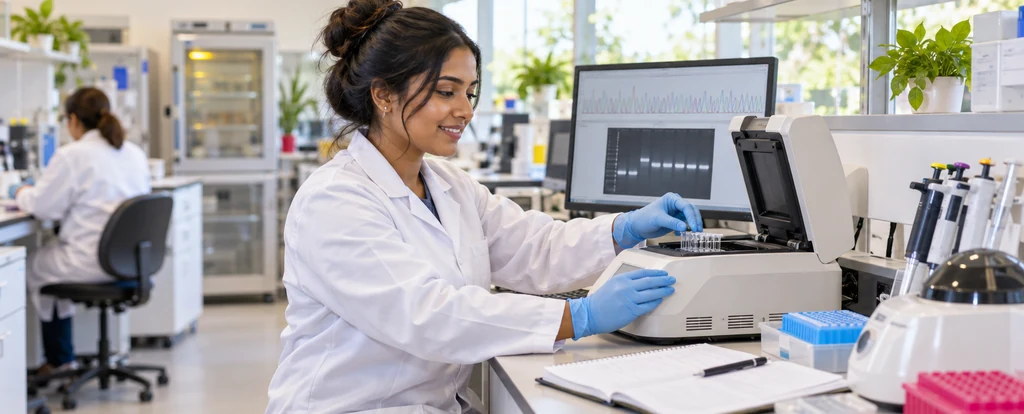
Biotechnologist
Biotechnologists use living cells and molecular techniques to develop products and processes, from medicines and vaccines to diagnostic tests and improved crops.
What else you need
A recognised postgraduate route for science graduates; employers usually also value hands on laboratory experience, and research roles may look for further research training.
Median pay$101,400 (estimate)
Pay is the median for everyone in the job, and “In demand” means the job is on the national shortage list. Pay marked as an estimate is our own analysis, not a published figure.
Where you can study this course
There are 9 places you can study this course. When you compare them, check they teach it the way you want to study, how far you'd be from a campus, what it will cost you and what past students say about the teaching and support. They're listed by how often people search for them, and none of them pays to be here or to move up.
- Website for Monash University (opens in a new tab)
Monash University
Monash Clayton, VIC
4.3from 1,955 Google reviews
What students like
- Staff are supportive and resolve issues quickly
What to weigh up
- Admin replies can be slow
- Feedback from teaching staff can be limited
- Website for Macquarie University (opens in a new tab)

Macquarie University
Macquarie University Wallumattagal Campus at North Ryde, NSW
4.4from 1,202 Google reviews
What students like
- Lecturers care and help students understand
What to weigh up
- Enrolment and admin can be slow
- Student support can be hard to reach
- Website for Griffith University (opens in a new tab)

Griffith University
Brisbane South (Nathan), QLD
4.3from 1,317 Google reviews
What students like
- Lecturers and tutors are supportive and approachable
What to weigh up
- Tutors can be slow to reply to emails
- Enrolment and admin can be slow
- Website for Flinders University (opens in a new tab)
Flinders University
Bedford Park, SA
4.3from 1,059 Google reviews
- Website for The University of Melbourne (opens in a new tab)
The University of Melbourne
The University of Melbourne, VIC
4.5from 1,845 Google reviews
- Website for The University of Queensland (opens in a new tab)
The University of Queensland
St Lucia, QLD
4.5from 1,654 Google reviews
- Website for The University of Western Australia (opens in a new tab)

The University of Western Australia
The University of Western Australia, WA
4.5from 1,048 Google reviews
What students like
- Staff are friendly and understand student concerns
Australian National University
Australian National University, ACT
What you’ll learn
The main topics covered in the Master of Biotechnology.
- Molecular biology and genetic engineering
- Bioprocessing and bioproduct development
- Advanced laboratory techniques
- Regulation and intellectual property
- Research project
Questions to ask before you enrol
Providers run this course differently, so the answers change from one to the next.
- When is the next intake, and how many are there each year?
- What is the total cost, including materials, checks and any placement costs?
- Can I study part time or online, and how does that change the length?
- Who arranges the work placement, and how many hours does it involve?
- Do the units count towards a higher qualification if I go on to study further?