- How long it takes
- 1.5 to 3 years
- full time
- Level
- Masters degree (coursework)
- University
- Leads on to
- Civil Engineer
- $115,300 median pay, In demand
- Taught by
- 5 providers
- VIC, QLD
Is this course right for you?
What the Master of Civil Engineering asks of you, and what you might want to check first.
Before you start
Each provider sets its own entry requirements, so check the ones you are considering.
Where this course can take you
Jobs this qualification is a recognised route into, and the study that can follow it.
Jobs you can do with it
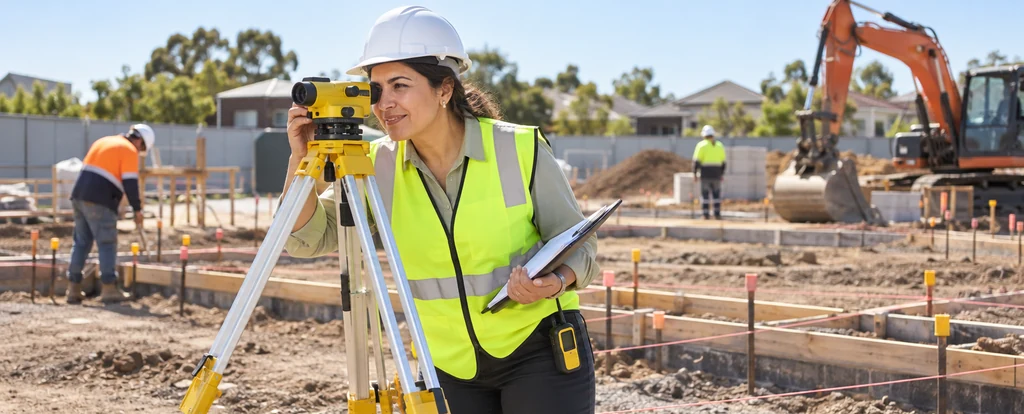
Civil Engineer
Civil engineers design the roads, bridges, dams and water systems a community relies on, then stay involved through construction to check they are built as designed.
What else you need
Complete an appropriately accredited professional engineering program in civil engineering. Check jurisdiction registration and practice requirements before undertaking regulated work. Check the chosen provider, program and intake; the family level link is not confirmation that every offering is approved.
Median pay$115,300
In demand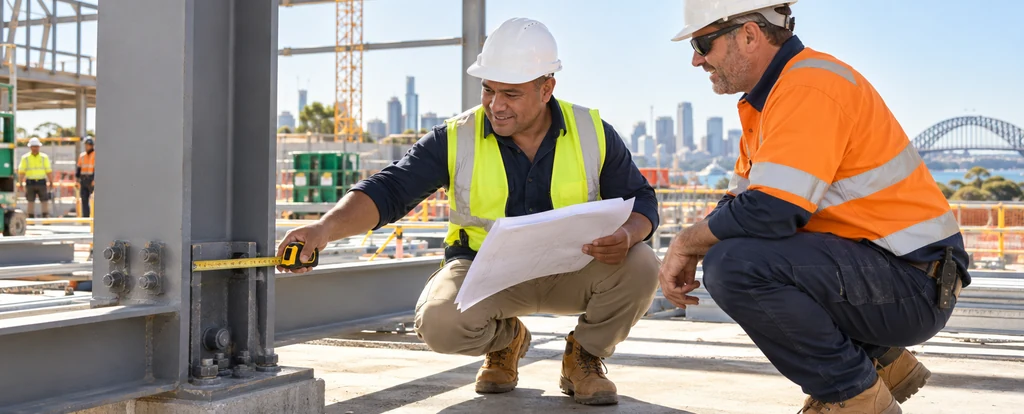
Structural Engineer
Structural engineers work out how a structure carries its load, then set down the calculations and drawings a construction crew builds from.
A step towards this job. What else you need
Median pay$115,300
In demand
Pay is the median for everyone in the job, and “In demand” means the job is on the national shortage list.
Where you can study this course
There are 5 places you can study this course. When you compare them, check they teach it the way you want to study, how far you'd be from a campus, what it will cost you and what past students say about the teaching and support. They're listed by how often people search for them, and none of them pays to be here or to move up.
- Website for Monash University (opens in a new tab)

Monash University
Monash Clayton, VIC
4.3from 1,955 Google reviews
What students like
- Staff are supportive and resolve issues quickly
What to weigh up
- Admin replies can be slow
- Feedback from teaching staff can be limited
- Website for Griffith University (opens in a new tab)

Griffith University
Gold Coast, QLD
4.3from 1,317 Google reviews
What students like
- Lecturers and tutors are supportive and approachable
What to weigh up
- Tutors can be slow to reply to emails
- Enrolment and admin can be slow
- Website for La Trobe University (opens in a new tab)
La Trobe University
Bendigo, Melbourne (Bundoora), VIC
4.3from 1,101 Google reviews
What students like
- Lecturers are friendly and supportive
What to weigh up
- Admin and support can be slow to respond
- Some find courses light on practical content
- Website for The University of Melbourne (opens in a new tab)
The University of Melbourne
The University of Melbourne, VIC
4.5from 1,845 Google reviews
- Website for University of the Sunshine Coast (opens in a new tab)

University of the Sunshine Coast
UniSC Moreton Bay, QLD
4.5from 591 Google reviews
What you’ll learn
The main topics covered in the Master of Civil Engineering.
- Structural analysis and design
- Geotechnical engineering
- Water and hydraulic engineering
- Transport and infrastructure planning
- Engineering design project
Questions to ask before you enrol
Providers run this course differently, so the answers change from one to the next.
- When is the next intake, and how many are there each year?
- What is the total cost, including materials, checks and any placement costs?
- Can I study part time or online, and how does that change the length?
- Do the units count towards a higher qualification if I go on to study further?