Humanities and social sciences courses
Two degrees lead to the main jobs in this field: a psychology degree, and a secondary teaching degree. Both need further study or registration before you can work in the role.
- Quickest way to start
- 3 years
- Bachelor degree, typical full time length
- What the jobs pay
- $114,600 to $120,700
- median pay across 2 jobs
- Demand
- 2 of 2 jobs
- are on the national shortage list
Which course do you need?
It depends on the job you want.

A bachelor degree in psychology
Start training as a psychologist
Help people understand their thoughts and feelings, and work with them on mental health, learning or relationships.
JobPsychologist
Median pay$114,600
A step towards this job, not the whole route. What else you need
- How long it takes
- 3 years full time
- How you'll study
- Online or on campus
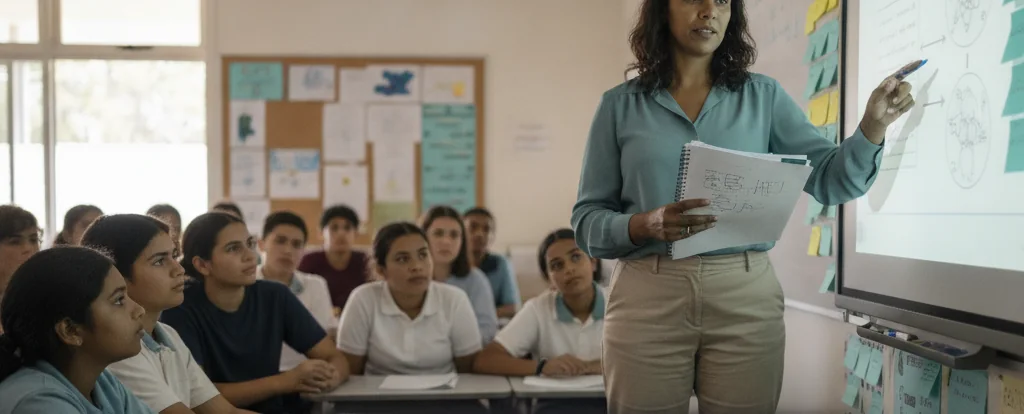
Bachelor of Education (Secondary Arts)
Become a secondary school teacher
Teach one or more subjects to high school students, plan lessons and mark their work.
Median pay$120,700
- How long it takes
- 4 years full time
- How you'll study
- On campus
The psychology degrees compared
All three degrees cover the science of behaviour and thought, alongside wider arts or social science subjects. None qualifies you as a psychologist on its own: registration comes after further approved study and supervised training. Most can be studied online at one or more universities.
- Bachelor of Arts (Psychology)An arts degree with a psychology major and space for another area of interest. Looks at the brain, relationships and life stages, with statistics and research methods.How long3 years
- Bachelor of Arts in PsychologyPsychology within a wider arts degree, with room to add a second major or minor. Covers development, cognition, biology and behaviour, mental health and research methods.How long3 years
- Bachelor of Social Science (Psychology)Combines psychology with the wider social sciences, so you study behaviour alongside the settings people live in. Covers cognition, development, personality and research design.How long3 years
Other university courses
- Bachelor of Arts2 to 3 years. A broad degree across the humanities and social sciences, where you pick one or two majors from fields like history, politics, languages or media.
- Bachelor of Social Science3 years. Looks at how people, groups and societies work, with majors such as human services or ageing and disability at many providers.
Can help with: community development officer
- Diploma of Arts8 to 12 months. A short introduction to university study in the arts, which many students use as a route into a bachelor degree.
- Bachelor of Politics, Philosophy and Economics3 to 4 years. Brings politics, philosophy and economics together to explain how societies make decisions, and suits work in policy and the public sector.
- Bachelor of Philosophy, Politics and Economics3 years. The same three disciplines studied as one interdisciplinary degree, building the analysis and writing skills policy work needs.
- Diploma in Arts1 year. Introduces a broad range of humanities and social science subjects, and often carries credit into a bachelor degree.
- Bachelor of Arts (Sociology)3 years. Asks how societies are organised, through topics like crime, gender, migration and family, and leads towards policy, community and research roles.
- Bachelor of Social Sciences3 years. Examines how societies function and change, including inequality, health, the environment and the changing nature of work.
- Associate Degree in Arts2 years. A broad start in the arts, often used as a pathway, with subjects that may count towards a bachelor degree.
- Bachelor of Archaeology3 years. Studies past societies through what they left behind, including fieldwork methods, heritage management and Indigenous histories.
- Bachelor of Arts (Advanced)3 to 4 years. An arts degree with extra research content, including a substantial independent project, for people who may go on to a research degree.
- Bachelor of Arts (Cultural Studies)3 years. Examines how film, music, sport and social media shape people, usually paired with a second area of study.
- Bachelor of Arts (English)3 years. Studies literature, film and language, and how texts shape the way people see themselves. Most students pair it with a second major.
Can help with: publishing editor
- Bachelor of Arts (Extended)4 years. An arts degree for Aboriginal and Torres Strait Islander students, opening with Indigenous knowledges and study support.
- Bachelor of Arts (History)3 years. Examines how past events shape the present, with training in finding and weighing primary sources and a research project on a chosen topic.
- Bachelor of Arts (Politics and International Relations)3 years. Focuses on how governments work and how countries deal with each other, covering Australian and global politics and foreign policy.
Can help with: electorate officer, lobbyist, local councillor
- Bachelor of Arts in History3 years. Covers political, economic, social and cultural change, including war and empire, and usually lets you focus on regions such as Australia or Asia.
- Bachelor of Arts in Japanese3 years. Builds speaking, reading and writing in Japanese from beginner level, with classes on Japanese society and culture and exchange study usually available.
- Bachelor of Human Rights3 years. Examines human rights through legal, political and philosophical lenses, and suits work in advocacy and community organisations.
Can help with: correctional facility manager, union organiser
- Bachelor of Philosophy3 to 4 years. Trains you to analyse ideas closely and argue a case well, through questions about knowledge, ethics, mind and reality.
- Diploma in Social Sciences1 year. Introduces the perspectives that shape how we understand society, and often works as a pathway into a bachelor degree.
Jobs you can do with this study
Pay is the median for everyone in the job, not a starting salary.
- PsychologistWhat you needA psychology degree, then further trainingMedian pay$114,600In demand
- Secondary School TeacherWhat you needBachelor degreeMedian pay$120,700In demand
“In demand” means the job is on the national skills shortage list. Check the course and provider are approved for the work you want, as rules differ by state.
Still not sure which one fits you?
Answer a few quick questions about your time, state and budget, and we'll show the courses that suit you.