Flight Attendant
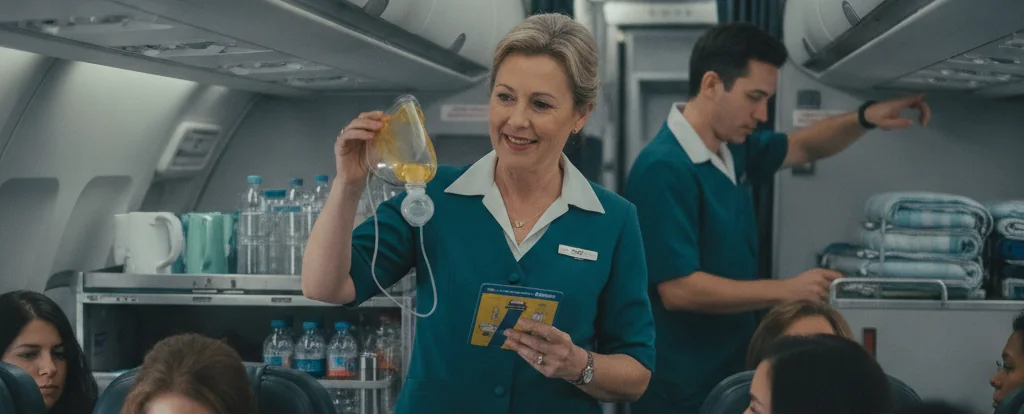
Flight attendants look after passenger safety and comfort on board an aircraft, from the pre-flight briefing through to handling an emergency at altitude.
- Median salary
- $78,200
4.0%vs last year, before tax
- People employed
- 6,100
1.7%vs last year
- Projected growth
- +12.9%
to 2035
- AI exposure*
- Moderate
- automation risk
- Average hours
- 40/wk
matches all-jobs average
- Shortage status
- Not in shortage
national
Flight attendants work aboard commercial aircraft, where they run safety checks, give briefings and serve food and drink over the length of a flight. Airlines employ almost all attendants directly and run their own training, so most people start on domestic and short-haul routes before gaining the seniority to bid for longer international ones. The role sits closer to aviation safety than hospitality, because the Civil Aviation Safety Authority sets the standards that attendants are trained and checked against.
How much do flight attendants earn?
The median full-time salary for a flight attendant is $78,200 per annum, before tax, up $16,300 since 2018.
Most airlines pay cabin crew under an enterprise agreement, with a base rate plus allowances for hours flown and time away from home, so two attendants on the same roster can take home different amounts. Long-haul and international flying usually carries higher allowances than domestic work. New crew often start on reserve, flying fewer hours while they build seniority, so earnings tend to rise over the first few years.
What does a flight attendant do day to day?
The list below is what fills most weeks; the exact mix shifts with seniority and whatever stage the current work is at.
- Running through pre-flight safety checks with the crew, making sure every exit, life vest, oxygen bottle and defibrillator is where it should be before boarding starts
- Directing passengers to seats and helping with carry-on bags during boarding, then delivering the safety demonstration once everyone is settled
- Serving meals, drinks and duty-free sales from the galley trolley, often in a confined aisle and against a tight service window
- Responding to whatever the cabin throws up, from a spilled drink to a medical emergency, following the same trained procedure either way
- Writing up incident reports and restocking the galley after landing before the next crew boards for the following sector
What skills do flight attendants need?
Employers look for emergency response, backed by PBX aircraft intercom systems fluency and strong customer service.
Specialist skills
- Emergency response
Software and tools
- PBX aircraft intercom systems
- Emergency oxygen and defibrillator equipment
- Cabin service trolleys and galley equipment
- Airline crew scheduling software
- Safety checklist and compliance documentation
General skills
- Customer service
- Written communication
- Safety and compliance awareness
- Attention to detail
- Problem solving
- Empathy and interpersonal care
Is the job growing?
About 6,100 people work as flight attendants in Australia, and employment is projected to grow 12.9% over the decade to 2035. That's healthy, above-average growth, and the role should stay in solid demand.
How do you become a flight attendant?
Here's the path most flight attendants take, step by step.
- 1Finish Year 12 or equivalent
Airlines generally ask for Year 12 and look for strong spoken and written English, basic maths and a customer service background from hospitality, retail or tourism work. A certificate or diploma in aviation or tourism can help at the margins, but it is not required.
- 2Sort out your clearances and fitness
You will need an Aviation Security Identification Card, which means a police check, and you have to pass the airline's medical and eyesight standards. Most recruitment processes also include a reach test for the overhead lockers and a swim test, so it is worth checking those before you apply.
- 3Apply to an airline's cabin crew intake
Recruitment runs in intakes rather than continuous hiring, and airlines advertise on their own careers sites. Assessment days usually combine group exercises, one-on-one interviews and practical checks, so they screen for composure and teamwork as much as service experience.
- 4Complete the airline's initial training
Training runs for several weeks and covers emergency procedures, evacuation drills, first aid, security, aircraft types and service standards, followed by supervised flights before you are signed off. The airline delivers the course, so you do not arrange it yourself.
- 5Hold your Certificate of Competency and start flying
CASA issues cabin crew a Certificate of Competency once training and the associated examination are complete, and you must keep it current with recurrent checks. New attendants usually start on the smaller aircraft in the fleet and bid for routes and bases by seniority as they gain time.
Ready to apply as a flight attendant?
Whether you're working toward becoming a flight attendant or already are one and want a hand with the next step (sharpening your resume for ATS screening, tightening your cover letter, or knowing what you'll actually be asked at interview), here are examples grounded in this specific role, not generic templates.
What jobs can a flight attendant move to?
Moving into Customer Experience Manager typically comes with the biggest pay rise, worth $36,500 a year more on average.
| Move to | Typical pay change | Overlap | Retraining |
|---|---|---|---|
| Customer Experience Manager Flight attendants bring passenger service, complaint resolution and team coordination to customer experience management.Known move | +$36,500 | 18% | reskill |
| Travel Agent Flight attendants bring destination knowledge, booking systems and customer service to travel agency work.Known move | −$9,000 | 25% | reskill |
| Airport Ground Crew Flight attendants bring cabin safety, aircraft familiarisation and passenger handling to airport ground operations.Known move | −$13,200 | 21% | reskill |
| Ticket Seller Flight attendants bring ticketing, customer service and transport knowledge to ticket sales.Known move | −$28,800 | 31% | reskill |
Moves are chosen from Jobs and Skills Australia's Data on Occupation Mobility, which follows income tax records between 2011-12 and 2020-21, together with entry requirements and skill overlap. A known move is one people were seen making in that data. Pay change compares median full-time pay for the two roles.
Who works as a flight attendant?
The typical flight attendant is 39 years old; 77% are women, 36% work full-time, and full-timers average 40 hours a week.
- 39
- Median age
- 77%
- Female share
- 36%
- Full-time
- +0h
- vs all-jobs avg
What's it like being a flight attendant?
The job runs on a roster rather than a working week, so the rhythm is a block of flying days followed by days off, with early sign-ons, late finishes and time zones that rarely line up with family life. Most of the work happens in a confined cabin, on your feet, with a different crew and a fresh planeload of passengers every sector, which means staying patient and pleasant well into a long duty day. It suits people who prefer variety and travel to routine, and who can hold it together when something goes wrong in the air.
What people like
- Travel is built into the job. Attendants see more cities in a year than most people manage in a decade, and standby travel benefits usually extend to nominated family members.
- Days off when everyone else is working. A roster that includes weekdays off makes appointments, school pickups and quiet shopping trips easier, provided you are not flying that day.
- A new crew and a new cabin every flight. You are not sitting at the same desk with the same four people for years, which keeps the work social and varied even when the route is familiar.
- The standards are written down. Safety procedures tell you exactly what to do and in what order, which many attendants find steadier than a job where every decision is a judgement call.
What people find hard
- The time away from home. Missed birthdays, disrupted sleep and jet lag are part of the pattern, and a late delay can add hours to a duty day with no notice.
- Staying pleasant for a full cabin. Being calm, kind and attentive for hours at altitude takes effort, and it is hardest on the days when passengers are frustrated about something the crew did not cause.
- Seniority governs your roster. New attendants get the least say over their base, their reserve days and the trips nobody else bids for, and that only changes slowly with time in the airline.
- Disruption lands on you. Weather, aircraft faults and air traffic delays are handled in the cabin, where passengers look to the crew for answers the crew may not have yet.
Based on our synthesis of professional-body surveys and public accounts of the role, not first-person verified reviews.
Which industries employ flight attendants?
Transport, Postal and Warehousing employs the largest share of flight attendants.
Top employing industries
- 1Transport, Postal and Warehousing
Ranked by employment share; the source doesn't publish an exact percentage per industry.
| Year 12 or below | 39.8% | |
|---|---|---|
| Certificate III/IV | 20.7% | |
| Diploma / Advanced Diploma | 16.8% | |
| Bachelor degree | 14.8% | |
| Postgraduate | 2.4% |
Will AI replace flight attendants?
Flight attendant work is moderately exposed to AI, mostly in the parts that sit around the flying: rostering, scheduling, reporting and service planning already run on airline software, and checklists have moved onto tablets. On board, the physical safety role does not shift, because someone still walks the cabin to check every exit and oxygen bottle before each departure. Emergency response and the judgement needed with a distressed or disruptive passenger stay with the crew.
Share of typical working time by exposure level
- In-flight service and galley managementLoading figures, stock levels and duty-free sales are tracked automatically, which cuts the paperwork, but the trolley still goes down the aisle one passenger at a time.30%moderate
- Passenger care, medical events and conflict on boardDeciding how to handle a passenger having a panic attack, or a drunk one refusing to sit down, depends on reading the person in front of you and the support available from the crew.30%low
- Pre-flight safety and equipment checksDigital checklists record the sign-off, but an attendant still opens every overhead compartment, checks each life vest and confirms the oxygen bottles by hand before boarding.20%low
- Rostering, reporting and compliance paperworkCrew scheduling software already builds rosters around duty limits and enterprise agreement rules, and incident reports are increasingly drafted from structured templates.20%high
Common questions about becoming a flight attendant
Straight answers to the questions people ask most.
How much do flight attendants earn in Australia?
Flight attendants earn a median of $78,200 per year before tax. Pay depends on the airline's enterprise agreement, your seniority and how many hours you fly, with allowances for time away from home adding to the base rate. Long-haul flying generally carries higher allowances than domestic work.
How do you become a flight attendant in Australia?
You apply directly to an airline's cabin crew intake, and the airline trains you once you are hired. Year 12, a police check, a medical and the reach and swim tests are the usual entry requirements, and customer service experience helps at the assessment day.
Are flight attendants in demand in Australia?
Flight attendants are currently not in shortage, and employment is projected to grow 12.9% over the decade to 2035. Airlines hire in intakes when they add aircraft or routes, so openings tend to come in waves rather than steadily through the year.
Will AI replace flight attendants?
No, but parts of the job are increasingly automated. Rostering, scheduling and reporting already run on airline software, while the physical safety checks, emergency response and day-to-day care of passengers in the cabin remain with the crew.
What jobs can flight attendants move into?
Many move into customer experience management, where passenger service, complaint handling and team coordination carry across, and the pay is typically $36,500 more a year. Others move to airport ground crew, using their aircraft familiarisation and passenger handling, or into travel agency work with their destination knowledge and booking experience.
Do flight attendants get free flights?
Most Australian airlines offer discounted or free standby travel for crew and usually for nominated family members, subject to seats being available. It works best if you can travel at short notice, since popular routes fill with paying passengers first.
Related roles
- Customer Experience Manager
- Airport Ground Crew
- Travel Agent
- Ticket Seller
- Airport Ground Crew
- Ticket Seller
Not sure this is you? Take the career quiz and get a ranked shortlist of roles that fit how you like to work.