Sports Scientist
Sports scientists measure how athletes respond to training and turn that evidence into programs that improve performance and reduce injury risk.
- Median salary*
- $93,600
3.9%vs last year, before tax
- People employed
- 440
10.0%vs last year
- Projected growth*
- +8%
to 2035
- AI exposure*
- Moderate
- automation risk
- Average hours*
- 40/wk
matches all-jobs average
- Shortage status*
- Not in shortage
national
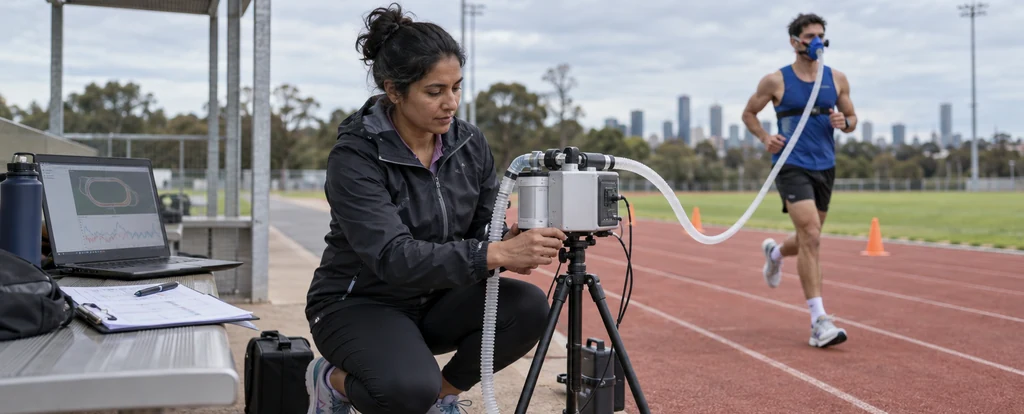
Sports scientists work where performance is measured: professional and elite clubs, sports institutes, universities, and defence and emergency services. The role overlaps with strength and conditioning coaching, but the emphasis falls on testing, monitoring and interpreting data rather than running the sessions themselves. Most work inside a wider performance team, alongside coaches, physiotherapists and team doctors.
How much do sports scientists earn?
The median full-time salary for a sports scientist is $93,600 per annum, before tax, up $19,400 since 2018.
Which employer you work for shapes pay more than the job title does, and professional clubs and national institutes generally sit at the top of the range. Contracts are often tied to a season rather than a calendar year, so a yearly figure can hide a short engagement. Accreditation and postgraduate qualifications are the other main lever, since they open roles that carry more responsibility.
What does a sports scientist do day to day?
The list below is what fills most weeks; the exact mix shifts with seniority and whatever stage the current work is at.
- Running fitness and physiological testing, from VO2 max and blood lactate tests to jump and sprint assessments
- Monitoring training load and GPS data across a season and flagging when an athlete is carrying too much
- Writing up results for coaches and medical staff in language they can act on
- Designing or adjusting training programs with the coach, based on what the testing shows
- Advising on recovery, hydration and return-to-play timelines alongside physiotherapists
What skills do sports scientists need?
Employers look for fitness coaching and instruction, rehabilitation and therapy, data analysis, backed by Catapult GPS fluency and strong written communication.
Specialist skills
- Fitness coaching and instruction
- Rehabilitation and therapy
- Data analysis
- Statistical modelling
- Health education and advice
Software and tools
- Catapult GPS
- Smartabase
- R
- SPSS
- Microsoft Excel
General skills
- Written communication
- Attention to detail
- Problem solving
Is the job growing?
About 440 people work as sports scientists in Australia, and employment is projected to grow 8% over the decade to 2035. That's modest growth: demand is steady rather than booming.
How do you become a sports scientist?
Here's the path most sports scientists take, step by step.
- 1Complete a bachelor degree in exercise and sports science
This takes three to four years, and the course you choose matters: pick one accredited by Exercise & Sports Science Australia so you can register as an Accredited Exercise Scientist when you finish.
- 2Get supervised experience with real athletes
Placements, internships and volunteer work with clubs, school programs or community teams are how most graduates build a record of testing and monitoring athletes, and employers ask for it.
- 3Register with Exercise & Sports Science Australia
Registration gives you a recognised credential and a defined pathway. Many people spend a few years in testing, delivery or support roles before moving into a sports scientist position.
- 4Add postgraduate study for sports scientist accreditation
Accredited Sports Scientist status generally requires further study, such as a graduate diploma or masters, plus supervised practice hours, and it is what most elite programs expect.
Ready to apply as a sports scientist?
Whether you're working toward becoming a sports scientist or already are one and want a hand with the next step (sharpening your resume for ATS screening, tightening your cover letter, or knowing what you'll actually be asked at interview), here are examples grounded in this specific role, not generic templates.
What jobs can a sports scientist move to?
Moving into Sports Administrator typically comes with the biggest pay rise, worth $54,300 a year more on average.
| Move to | Typical pay change | Overlap | Retraining |
|---|---|---|---|
| Sports Administrator A sports scientist brings high performance knowledge and program coordination to sports administration, though management study may be required. | +$54,300 | 6% | reskill |
| Data Analyst A sports scientist brings performance measurement and statistical reporting skills to analytics work, with further study in analytics usually needed. | +$7,800 | 42% | reskill |
| Strength and Conditioning Coach A sports scientist brings exercise prescription and load monitoring to strength and conditioning coaching, though further study in coaching may be required. | −$3,600 | 41% | reskill |
Moves are chosen from Jobs and Skills Australia's Data on Occupation Mobility, which follows income tax records between 2011-12 and 2020-21, together with entry requirements and skill overlap. A known move is one people were seen making in that data. Pay change compares median full-time pay for the two roles.
Who works as a sports scientist?
The typical sports scientist is 33 years old; 58% are men, 75% work full-time, and full-timers average 40 hours a week.
- 33
- Median age
- 42%
- Female share
- 75%
- Full-time
- +0h
- vs all-jobs avg
What's it like being a sports scientist?
The job follows the sporting calendar, so pre-season testing, in-season monitoring and end-of-season reviews each have a different shape and pace. Days mix time on the field with hours at a laptop cleaning and analysing data, and answers often arrive slowly. It suits people who like measurement and are content to influence performance from the support team.
What people like
- Watching the numbers move. Seeing a testing result improve across a block of training you helped design is the clearest feedback the job offers.
- Field and desk in the same week. One day is spent running athletes through assessments, the next on the analysis, and the two halves keep each other honest.
- Working inside a performance team. Coaches, physiotherapists and doctors each read the same athlete differently, and the arguments about what the data means are usually useful.
- Working out a plateau. When performance stalls, the monitoring data gives you something to test rather than guess at, which is where the role earns its place.
What people find hard
- The calendar drives the week. Early mornings before training, competition weekends and long pre-season blocks are normal, and the schedule belongs to the sport rather than to you.
- Positions sit in a few places. Most roles are with professional clubs, institutes and universities, so the search can mean relocating or waiting for the right vacancy to open.
- Collection work is repetitive. The same testing protocols go around week after week, and athletes do not always complete them the way the protocol asks.
- Results are hard to prove. Improvement usually comes from several causes at once, so you rarely get a clean answer that your program made the difference.
Based on our synthesis of professional-body surveys and public accounts of the role, not first-person verified reviews.
Which industries employ sports scientists?
Professional and elite sports clubs employs the largest share of sports scientists, followed by Sports and physical recreation services.
Top employing industries
- 1Professional and elite sports clubs
- 2Sports and physical recreation services
- 3Tertiary education and research
- 4Defence and emergency services
- 5Health care and social assistance
Ranked by employment share; the source doesn't publish an exact percentage per industry.
| Bachelor degree | 52% | |
|---|---|---|
| Postgraduate | 26% | |
| Diploma / Advanced Diploma | 13% | |
| Other | 9% |
Will AI replace sports scientists?
Sports science sits in the middle: the analytical side of the job, cleaning data and running statistics, is already partly automated, while the testing sessions and the reading of what an athlete needs still rely on someone being there. GPS tracking and athlete management platforms have taken over much of the collation and basic reporting. What they have not changed is the coaching conversation about what the numbers mean.
Share of typical working time by exposure level
- Cleaning and collating training load dataA single session can export thousands of rows from GPS units and athlete management systems, and most of the tidying now happens automatically, though someone still checks it against what actually happened on the field.30%high
- Running statistical analysis and building performance modelsSoftware runs the standard tests and regressions quickly, while deciding which measures answer the coach's question stays with you.25%moderate
- Testing athletes and guiding them through sessionsVO2 max tests, sprint assessments and the conversation afterwards need a person on the ground, because athletes rarely give a clean effort without one.25%low
- Writing performance reports and summaries for coachesA first draft can be generated straight from the data, so the value now sits in what you choose to highlight and how you explain it.20%high
Moves least exposed to AI
These career moves from sports scientist work are rated low for AI exposure:
- Strength and Conditioning Coach
Solid skill overlap (41%), reskill to get there, and a low automation-risk profile.
Common questions about becoming a sports scientist
Straight answers to the questions people ask most.
How much do sports scientists earn?
Sports scientists earn a median of $93,600 per annum, before tax. That figure is for full-time work, so check whether a particular role is ongoing or a season contract before comparing it with others.
How do you become a sports scientist?
The usual route is a bachelor degree in exercise and sports science, followed by supervised experience with athletes and, in most cases, postgraduate study. Registration with Exercise & Sports Science Australia and its Accredited Sports Scientist status are what elite programs look for.
Are sports scientists in demand?
Sports scientists are currently not in shortage, and employment in the occupation is projected to grow 8% over the decade to 2035. It remains a small field of about 440 people, so openings tend to come through clubs, institutes and universities, and being willing to move helps.
Will AI replace sports scientists?
AI is changing parts of the job rather than replacing it. Software already handles much of the data cleaning, statistical modelling and first-draft reporting, while the testing sessions and the conversations with athletes and coaches still need someone present.
What can sports scientists move into?
One move is into strength and conditioning coaching, where the load monitoring and exercise prescription carry over, though pay is $3,600 less. Another is data analysis, where the statistical and reporting skills transfer and pay is $7,800 more. Both usually call for some further study.
What hours do sports scientists work?
Full-time sports scientists average about 40 hours a week, though the spread across the week is uneven. Early mornings before training, competition weekends and long pre-season blocks all pull at the schedule.
Related roles
- Strength and Conditioning Coach
- Data Analyst
- Sports Administrator
- Personal Trainer
- Fitness Instructor
- Strength and Conditioning Coach
Not sure this is you? Take the career quiz and get a ranked shortlist of roles that fit how you like to work.