Zoologist
Zoologists study animals in the field and in the laboratory, and their findings inform conservation and wildlife management.
- Median salary*
- $98,800
3.8%vs last year, before tax
- People employed
- 840
5.0%vs last year
- Projected growth
- +19.8%
to 2035
- AI exposure*
- Low
- automation risk
- Average hours
- 43/wk
+3h vs all jobs
- Shortage status
- Not in shortage
national
Zoologists study how animals behave, breed, move and respond to change, splitting their time between field sites, laboratories and a desk. The role sits close to ecology and general biology, but the focus stays on the animals themselves, whether that is one threatened species or a whole population. Most work is in universities, state and federal environment agencies, museums and environmental consulting firms, and much of it runs on project funding rather than permanent positions.
How much do zoologists earn?
The median full-time salary for a zoologist is $98,800 per annum, before tax, up $20,400 since 2018.
Pay depends heavily on who employs you, since state and federal agencies and universities work to public sector agreements while consulting firms set their own bands and often pay more for senior project roles. A PhD or a specialist skill such as statistical modelling usually moves you into a higher classification, and remote fieldwork sometimes attracts allowances on top of base pay. Grant-funded contracts are common early on, which can mean gaps between projects rather than a steady annual figure.
What does a zoologist do day to day?
The list below is what fills most weeks; the exact mix shifts with seniority and whatever stage the current work is at.
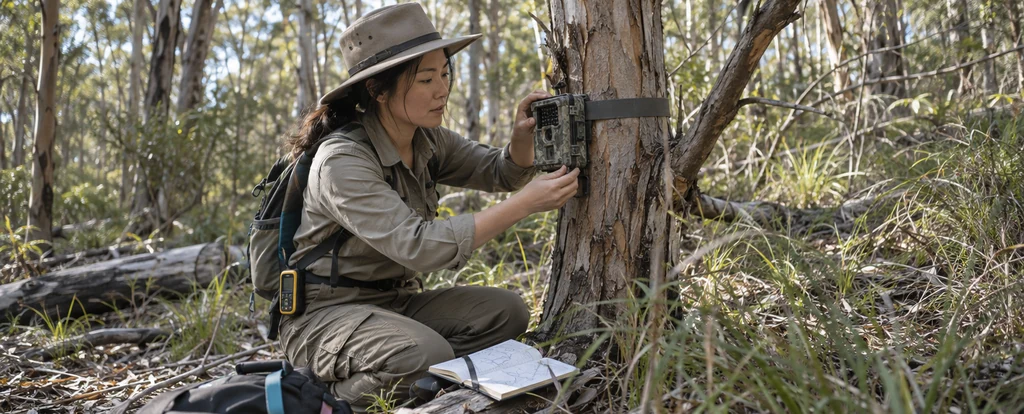
- Designing field surveys and setting up camera traps, transects or acoustic recorders to record which animals are present
- Collecting and analysing samples such as DNA, tissue and scat in the laboratory
- Monitoring populations of threatened species and reporting on the pressures they face
- Modelling ecological data in R, Python or GIS software to test what the numbers suggest
- Writing up results for scientific papers, government reports and management plans
What skills do zoologists need?
Employers look for field research and sampling, laboratory analysis, statistical modelling, backed by R fluency and strong written communication.
Specialist skills
- Field research and sampling
- Laboratory analysis
- Statistical modelling
- Data analysis
- Environmental assessment
- Project management
Software and tools
- R
- Python
- QGIS
- ArcGIS
- SPSS
General skills
- Written communication
- Attention to detail
Is the job growing?
About 840 people work as zoologists in Australia, and employment is projected to grow 19.8% over the decade to 2035. That's healthy, above-average growth, and the role should stay in solid demand.
How do you become a zoologist?
Here's the path most zoologists take, step by step.
- 1Complete a science degree
A Bachelor of Science majoring in zoology, ecology or wildlife biology takes three years full time and covers animal biology, statistics and field methods. Volunteering on research projects during the degree is common, because that experience is what gets people shortlisted later.
- 2Build field experience
Volunteering with state environment agencies, museums, landcare groups or university research teams develops survey and animal handling skills, and often leads to paid casual fieldwork.
- 3Add an honours year or postgraduate study
Research and many government roles expect an honours year or a masters, and 43% of people working as zoologists today hold a postgraduate qualification.
- 4Apply for graduate and project roles
Environment departments, CSIRO, museums and consulting firms advertise graduate programs and field assistant contracts through their own recruitment portals, usually in the first half of the year.
- 5Keep specialist skills current
Statistical and GIS work in R, Python or QGIS opens more senior roles. Any project involving animals needs animal ethics approval and a wildlife research permit, which are granted by state and territory bodies rather than one national authority.
Ready to apply as a zoologist?
Whether you're working toward becoming a zoologist or already are one and want a hand with the next step (sharpening your resume for ATS screening, tightening your cover letter, or knowing what you'll actually be asked at interview), here are examples grounded in this specific role, not generic templates.
What jobs can a zoologist move to?
Moving into Environmental Scientist typically comes with the biggest pay rise, worth $2,800 a year more on average.
| Move to | Typical pay change | Overlap | Retraining |
|---|---|---|---|
| Environmental Scientist Zoologists bring wildlife and ecological knowledge to environmental science, with a short course covering assessment practice.Known move | +$2,800 | 52% | short course |
| Ecologist Zoologists move into ecology roles, using shared fieldwork and conservation science to study whole ecosystems.Known move | +$2,800 | 67% | minimal |
| Biologist Zoologists move into general biology roles, applying their animal biology and research training directly.Known move | −$2,600 | 81% | minimal |
Moves are chosen from Jobs and Skills Australia's Data on Occupation Mobility, which follows income tax records between 2011-12 and 2020-21, together with entry requirements and skill overlap. A known move is one people were seen making in that data. Pay change compares median full-time pay for the two roles.
Who works as a zoologist?
The typical zoologist is 41 years old; 53% are men, 73% work full-time, and full-timers average 43 hours a week.
- 41
- Median age
- 47%
- Female share
- 73%
- Full-time
- +3h
- vs all-jobs avg
What's it like being a zoologist?
The year has a shape to it: a field season when you are out early, often in remote places, then long stretches of laboratory work, data analysis and writing. Results come slowly and funding runs in cycles, so the job suits someone who is comfortable with that rhythm and can stay careful with data that may take years to matter. Most zoologists work in small teams and lean on collaborators across agencies and universities.
What people like
- Fieldwork in places most people never see. Surveys can take you to remote reserves, islands and outback transects, and the days start early for a reason.
- Your data can change a decision. Monitoring results feed into listing assessments, development approvals and how a reserve or species is managed.
- A small, connected field. With a compact workforce, collaborators are easy to find, and conferences and shared datasets keep the work moving.
- The work changes through the year. Field season, laboratory analysis and writing each call on different skills, so the job rarely settles into one routine.
What people find hard
- Short contracts and grant cycles. Many positions are funded for two or three years at a time, and taking the next one can mean moving cities.
- More desk time than people expect. For every week in the field there are weeks of data cleaning, analysis and report writing.
- Field conditions you cannot plan around. Heat, rain, mud, insects and long stints in remote camps are part of the job, and schedules shift when the weather does.
- Slow and uncertain outcomes. Conservation results take years to show, and a well-evidenced finding does not always lead to a change in policy.
Based on our synthesis of professional-body surveys and public accounts of the role, not first-person verified reviews.
Which industries employ zoologists?
Professional, Scientific and Technical Services employs the largest share of zoologists, followed by Public Administration and Safety.
Top employing industries
- 1Professional, Scientific and Technical Services
- 2Public Administration and Safety
- 3Education and Training
Ranked by employment share; the source doesn't publish an exact percentage per industry.
| Bachelor degree | 42.9% | |
|---|---|---|
| Postgraduate | 42.8% | |
| Diploma / Advanced Diploma | 5% | |
| Year 12 or below | 3.9% | |
| Certificate III/IV | 2.4% |
Will AI replace zoologists?
AI exposure for zoologists is low overall, because most of the job happens outdoors with live animals, weather, landholders and the permissions that fieldwork requires. Camera trap software, acoustic classifiers and statistical packages now handle parts of species identification and data crunching, which changes how the data is processed rather than whether someone needs to be on site. The interpretation, the animal handling and the relationships with agencies and landholders stay with the zoologist.
Share of typical working time by exposure level
- Field surveys and animal monitoringCamera traps and acoustic recorders log sightings automatically, but choosing survey sites, handling animals and reading a habitat still depend on being there.40%low
- Data analysis and statistical modellingR and Python packages automate more of the modelling work, while choosing the right method and interpreting the result remains a judgement call.25%moderate
- Species identification from images and recordingsTrained models now sort thousands of camera trap photos and bat call recordings, so the skill shifts to checking, correcting and training those models.20%high
- Reporting, permits and stakeholder workDrafting tools speed up report writing, but animal ethics approvals, wildlife research permits and negotiating access with landholders happen face to face.15%low
Common questions about becoming a zoologist
Straight answers to the questions people ask most.
How much do zoologists earn?
Full-time zoologists earn a median of $98,800 per year before tax. Government and university roles follow public sector agreements, while consulting firms set their own bands and often pay more for senior project work.
How do you become a zoologist?
Most zoologists start with a science degree majoring in zoology, ecology or wildlife biology, then build field experience through volunteering and paid survey work. Research roles usually expect an honours year or a masters, and 43% of the people working as zoologists today hold a postgraduate qualification.
Are zoologists in demand?
Zoologists are currently not in shortage, and employment is projected to grow 19.8% over the decade to 2035 over the decade to 2035. The work runs on project funding rather than steady expansion, so building field survey and data skills that suit funded programs is the practical step.
Will AI replace zoologists?
Exposure is low, because most of the job happens outdoors with live animals and the permissions that fieldwork requires. Machine learning already sorts camera trap images and acoustic recordings, and statistical packages automate parts of the analysis, so those tasks are changing rather than disappearing. Deciding what to survey, handling animals safely and interpreting what the results mean still falls to the zoologist.
What jobs can zoologists move into?
Zoologists often move into biology, ecology or environmental science roles, which share much of the fieldwork and research training. Biology roles pay $2,600 less and ecology or environmental science roles pay $2,800 more, with minimal retraining for biology and ecology and a short course covering assessment practice for environmental science.
What qualifications do zoologists have?
Of the people working as zoologists today, 43% hold a bachelor degree and 43% hold a postgraduate qualification. That describes what the current workforce holds rather than what every employer asks for, though research and government roles commonly expect postgraduate study.
Related roles
Not sure this is you? Take the career quiz and get a ranked shortlist of roles that fit how you like to work.