HomeCoursesExercise scienceBachelor degree
Bachelor degree · university
Bachelor of Exercise and Sport Science
This degree covers the science of human movement, exercise and sport performance.
- How long it takes
- 3 years
- full time
- Entry ATAR
- From 39.5
- Lowest offered at University of Tasmania, 2022
- How you can study
- Online, on campus or a mix
- Taught by
- 12 providers
- 7 states and territories
Is this course right for you?
What the Bachelor of Exercise and Sport Science asks of you, and what you might want to check first.
It helps to have
- an interest in movement, fitness and sport
- a willingness to work with people of all abilities
- good communication and teamwork skills
- an interest in how the body responds to exercise
Before you start
Each provider sets its own entry requirements, so check the ones you are considering.
Where this course can take you
No job needs this course on its own, but it can help with the work below.
Jobs a degree can help with
None of these jobs needs a set qualification.
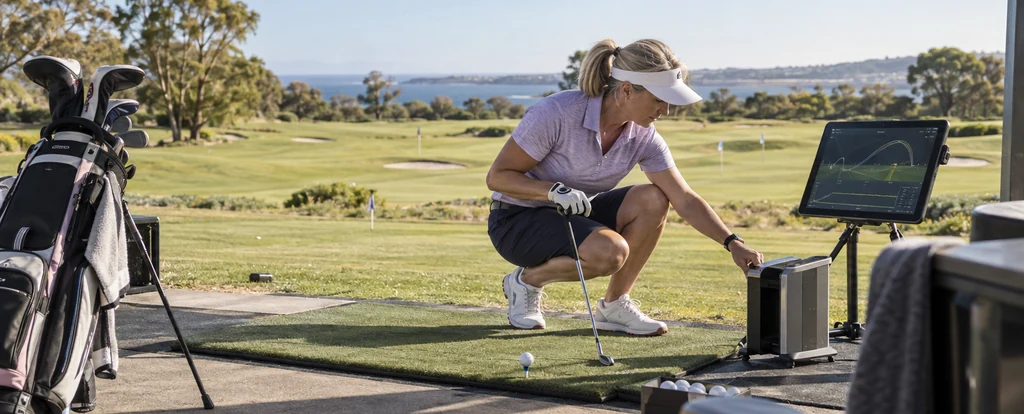
Professional Golfer
Professional golfers make a living from the game, whether that comes from tournament play, coaching at a club, or a mix of both.
Median pay$70,200 (estimate)
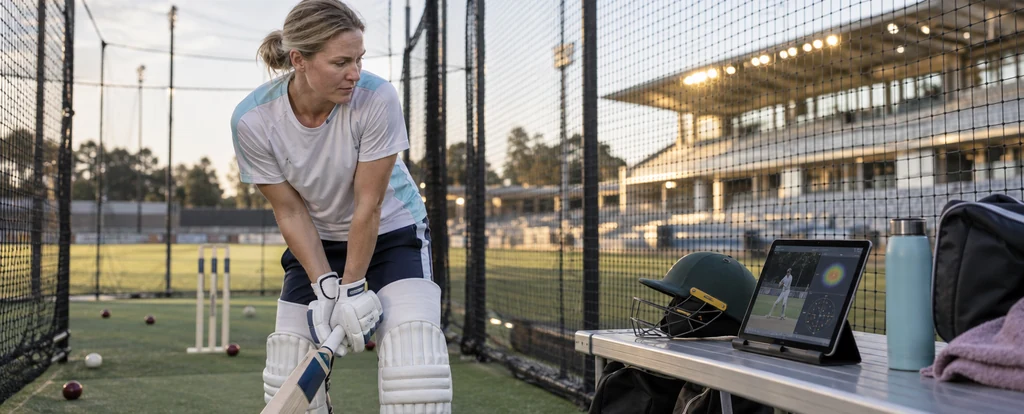
Professional Cricketer
Professional cricketers play the game for a living at state, national or international level, in a job built around training, travel and match days.
Median pay$93,600 (estimate)
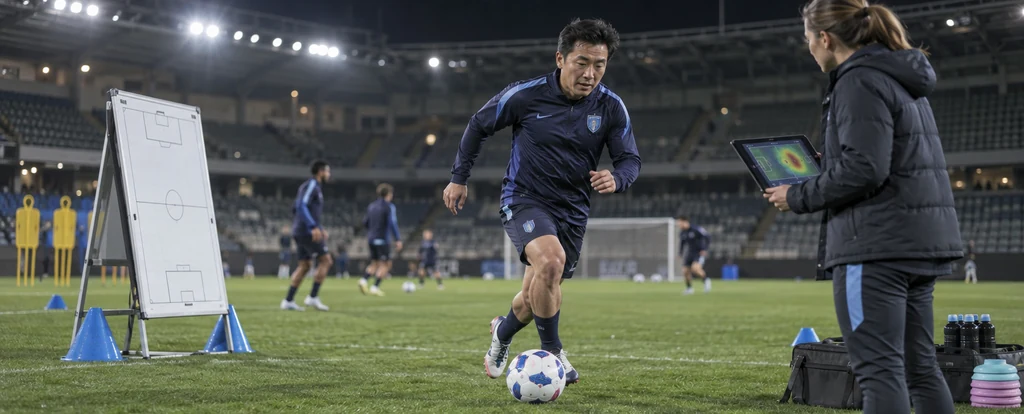
Professional Footballer
A professional footballer is paid by a club to train and play through a season, and the performance on match day is what keeps the contract.
Median pay$124,800 (estimate)
Pay is the median for everyone in the job, and “In demand” means the job is on the national shortage list. Pay marked as an estimate is our own analysis, not a published figure.
Where you can study this course
There are 12 places you can study this course. When you compare them, check they teach it the way you want to study, how far you'd be from a campus, what it will cost you and what past students say about the teaching and support. They're listed by how often people search for them, and none of them pays to be here or to move up.
- Course page for Charles Sturt University (opens in a new tab)
Charles Sturt University
Online
4.0from 631 Google reviews
- How you study
- Online or a mix
- (full or part time)
- Website for Deakin University (opens in a new tab)

Deakin University
Geelong Waurn Ponds, Melbourne Burwood, VIC
4.4from 2,192 Google reviews
- ATAR
- 50.7 lowest
- (57 median, 2026)
- How you study
- On campus
- (full or part time)
- Next intake
- Feb 2027
What students like
- Lecturers are approachable, supportive and knowledgeable
- Support services are helpful for students
What to weigh up
- Enrolment and admin can be slow
Victoria University
Footscray Park, VIC
3.9from 1,562 Google reviews
- ATAR
- 43.7 lowest
- (55.45 median, 2026)
- How you study
- On campus
- (full or part time)
- Next intake
- Feb 2027
- Course page for Flinders University (opens in a new tab)
Flinders University
Bedford Park, SA
4.3from 1,059 Google reviews
- ATAR
- 61.55 lowest
- (66.9 median, 2026)
- How you study
- On campus
- (full or part time)
- Next intake
- Mar 2027
- Website for University of Tasmania (opens in a new tab)

University of Tasmania
Launceston, TAS
4.2from 775 Google reviews
- ATAR
- 39.5 lowest
- (39.5 median, 2022)
- How you study
- On campus
- (full or part time)

Charles Darwin University
Casuarina, Casuarina or Online, NT
4.2from 619 Google reviews
- ATAR
- 51.1 lowest
- (60.25 median, 2026)
- How you study
- Online or on campus
- (full or part time)
- Next intake
- Mar 2027

Swinburne University of Technology
Hawthorn, VIC
4.0from 1,190 Google reviews
- ATAR
- 52.1 lowest
- (61.3 median, 2026)
- How you study
- On campus
- (full or part time)

Adelaide University
Adelaide City, SA
4.5from 1,262 Google reviews
- ATAR
- 61.95 lowest
- (70.1 median, 2026)
- How you study
- On campus
- (full or part time)
- Next intake
- Feb 2027
What students like
- Lecturers and staff are helpful and professional
What to weigh up
- Enrolment and admin can be slow
What you’ll learn
The main topics covered in the Bachelor of Exercise and Sport Science.
- Anatomy and physiology
- Exercise physiology
- Sport and exercise psychology
- Biomechanics
- Exercise programming and assessment
Questions to ask before you enrol
Providers run this course differently, so the answers change from one to the next.
- When is the next intake, and how many are there each year?
- What is the total cost, including materials, checks and any placement costs?
- Can I study part time or online, and how does that change the length?
- Do the units count towards a higher qualification if I go on to study further?