HomeCoursesElectrical and electronicsCertificate II
Certificate II · national qualification
Certificate II in Electrotechnology (Career Start)
This is an entry level qualification for school leavers and career changers who want to work in the electrical trades, and it covers the safety and basic practical skills you need before starting an apprenticeship or traineeship.
- How long it takes
- 1 year
- full time at TAFE NSW
- What it costs
- From $1,020
- Subsidised at TAFE NSW, full fee up to $6,470
- How you can study
- Online or on campus
- Taught by
- 25 providers
- Every state and territory
Is this course right for you?
What the Certificate II in Electrotechnology (Career Start) asks of you, and what you might want to check first.
It helps to have
- an interest in how electrical things work
- a careful approach to safety in the workplace
- good practical skills with tools and equipment
- an ability to solve simple problems step by step
Before you start
There are no entry requirements for this qualification.
Where this course can take you
No job needs this course on its own, but it can help with the work below.
Jobs this course can help with
None of these jobs needs a set qualification.
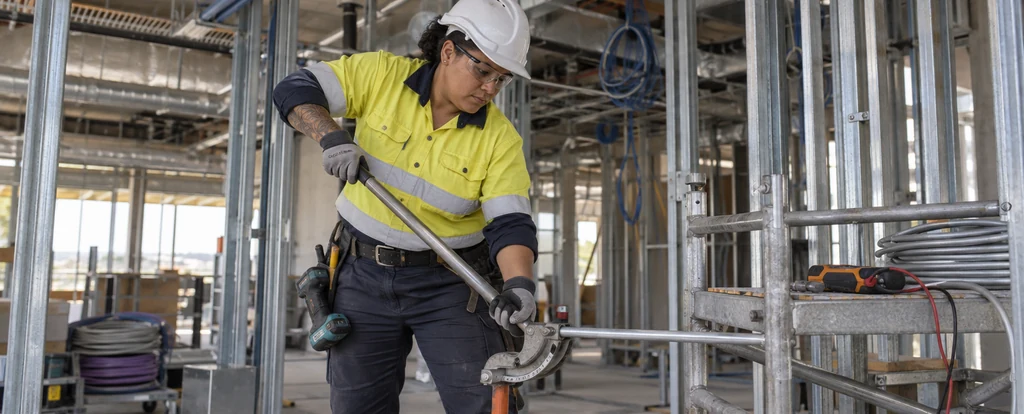
Electrical Trades Assistant
Electrical trades assistants help licensed electricians on site, preparing materials, handling tools and keeping the work area safe so installations are finished on time.
Median pay$65,000 (estimate)
If you study further
Diploma of Electrical Engineering
Leads to work as an, median pay $91,500 (estimate).
Bachelor of Engineering (Honours) (Electrical Engineering)
Pay is the median for everyone in the job, and “In demand” means the job is on the national shortage list. Pay marked as an estimate is our own analysis, not a published figure.
What it costs
Subsidised place
From $1,020
at TAFE NSW. Whether you get a subsidised place depends on your state, residency, age and earlier study.
Paying the full fee
$5,940 to $6,470
across the TAFEs listed below. Private providers set their own fees.
| TAFE | State | Subsidised | Concession | Full fee | How long |
|---|---|---|---|---|---|
| TAFE NSW | NSW | $1,020 | $160 | $6,470 | 1 year |
| TAFE Queensland | QLD | $1,240 | $720 | $5,940 |
TAFE NSWNSW
- Subsidised
- $1,020
- Concession
- $160
- Full fee
- $6,470
- How long
- 1 year
TAFE QueenslandQLD
- Subsidised
- $1,240
- Concession
- $720
- Full fee
- $5,940
Fees as each TAFE shows them on its website, read 20 September 2026. Private providers set their own fees.
Where you can study this course
There are 25 places you can study this course. When you compare them, check they teach it the way you want to study, how far you'd be from a campus, what it will cost you and what past students say about the teaching and support. They're listed by how often people search for them, and none of them pays to be here or to move up.
- Course page for TAFE NSW (opens in a new tab)

TAFE NSW
Online Campus, NSW
4.0from 2,410 Google reviews
- How you study
- Online
- How long
- 1 year
- Fee
- From $1,020 subsidised
What students like
- Teachers are supportive and ready to help
- Staff are helpful and friendly
- Course content is practical and industry relevant
What to weigh up
- Enrolment and admin can be slow
- Some find front desk staff less helpful
- Website for Charles Darwin University (opens in a new tab)

Charles Darwin University
12 campuses, NSW, NT
4.2from 619 Google reviews
What students like
- Admin and support staff are helpful
What to weigh up
- Units vary depending on the lecturer
- Feedback on assessments can vary
- Website for Swinburne University of Technology (opens in a new tab)

Swinburne University of Technology
8 campuses, VIC
4.0from 1,190 Google reviews
What students like
- Lecturers and tutors are supportive and want students to succeed
- Student HQ and support staff are helpful and responsive
What to weigh up
- Enrolment and admin can be slow
- You may be passed between departments
- Website for TAFE Gippsland (opens in a new tab)

TAFE Gippsland
11 campuses, VIC
3.9from 113 Google reviews
- Course page for TAFE Queensland (opens in a new tab)

TAFE Queensland
20 campuses, QLD
4.1from 2,040 Google reviews
- How you study
- Online or on campus
- Fee
- From $1,240 subsidised
What students like
- Teachers are helpful and supportive
What to weigh up
- Poor communication from admin
- Website for TAFE SA (opens in a new tab)

TAFE SA
26 campuses, SA
4.4from 1,339 Google reviews
What students like
- Lecturers are nice and helpful
What to weigh up
- Enrolment and admin can be slow
- Course information can be unclear
- Website for Holmesglen Institute (opens in a new tab)

Holmesglen Institute
14 campuses, SA, VIC
3.6from 650 Google reviews
What students like
- Staff are friendly and supportive
What to weigh up
- Enrolment and admin can be slow
- Placement information can be unclear
- Some teachers are less engaged
- Website for Central Queensland University (opens in a new tab)

Central Queensland University
18 campuses
4.1from 999 Google reviews
What you’ll learn
The main topics covered in the Certificate II in Electrotechnology (Career Start).
- Site safety and induction
- Hand and power tools
- Basic single path circuits
- Selecting components and materials
- Reporting on routine problems
- Energy efficiency in homes
See all 8 core units
Core units
Everyone completes these. Select a unit to see what it covers.
Loading the details for CPCWHS1001…
Loading the details for CPCWHS1001…
Questions to ask before you enrol
Providers run this course differently, so the answers change from one to the next.
- When is the next intake, and how many are there each year?
- What is the total cost, including materials, checks and any placement costs?
- Can I study part time or online, and how does that change the length?
- Do the units count towards a higher qualification if I go on to study further?