HomeCoursesManufacturing and process operationsCertificate III
Certificate III · national qualification
Certificate III in Polymer Processing
This qualification trains you to run the production equipment that turns polymers into finished products, from industrial components to everyday consumer goods.
- How long it takes
- 1 to 2 years
- typical for this level
- Main job
- Conveyor Belt Splicer
- $119,600 (estimate) median pay, In demand
- Taught by
- 5 providers
- 4 states and territories
Is this course right for you?
What the Certificate III in Polymer Processing asks of you, and what you might want to check first.
It helps to have
- an interest in how things are made
- a careful approach to safety around machinery
- good attention to detail when checking products
- problem solving skills for sorting out faults
Before you start
There are no entry requirements for this qualification.
Certificate III or Certificate II?
This is the higher level qualification. The Certificate III reflects the role of technicians who use production equipment to produce polymer products and components, applying theoretical and technical knowledge and well-developed skills. They exercise judgement in start-up, shutdown procedures and quality assurance, and anticipate and solve a range of product variances and faults.
See the courseWhere this course can take you
Jobs this qualification is a recognised route into, and the study that can follow it.
Jobs you can do with it
Conveyor Belt Splicer
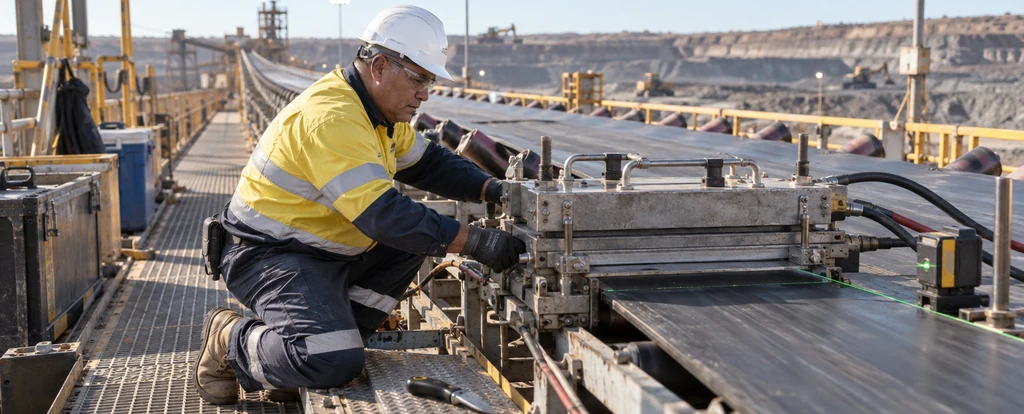
Conveyor belt splicers join and repair the heavy rubber belts that carry ore, coal and bulk materials, work that decides how quickly a mine or plant gets back to full output.
What else you need
Industrial conveyor belt technician stream, completed as an apprenticeship or traineeship with an employer. Check the provider offers the conveyor belt maintenance and repair pathway.
Median pay$119,600 (estimate)
In demand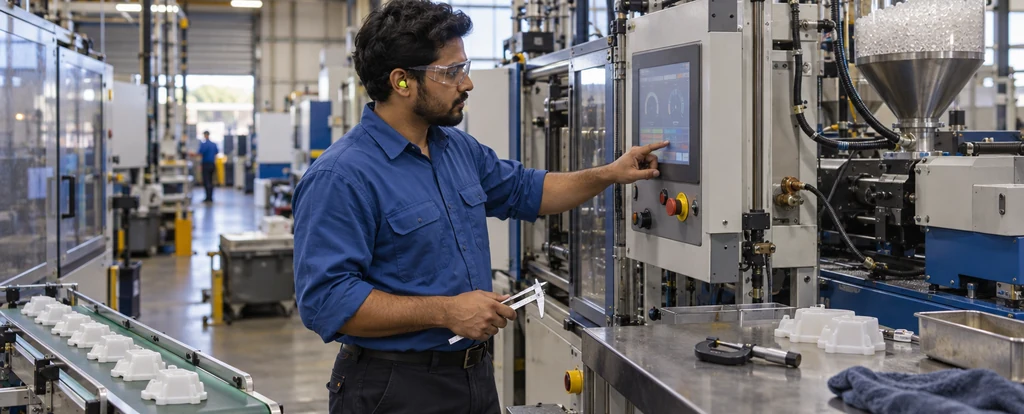
Plastics Machine Operator
Plastics machine operators set up and run the machines that mould and extrude plastic products, keeping a production line making parts to specification.
What else you need
This qualification is listed as the training pathway for plastics production machine operators. It is an operator qualification and employers set their own requirements, so check with the provider and employers.
Median pay$65,000 (estimate)
Pay is the median for everyone in the job, and “In demand” means the job is on the national shortage list. Pay marked as an estimate is our own analysis, not a published figure.
Where you can study this course
There are 5 places you can study this course. When you compare them, check they teach it the way you want to study, how far you'd be from a campus, what it will cost you and what past students say about the teaching and support. They're listed by how often people search for them, and none of them pays to be here or to move up.
What students like
- Teachers are supportive and ready to help
- Staff are helpful and friendly
- Course content is practical and industry relevant
What to weigh up
- Enrolment and admin can be slow
- Some find front desk staff less helpful
- Course page for North Metropolitan TAFE (opens in a new tab)
North Metropolitan TAFE
Midland, WA
4.1from 903 Google reviews
What students like
- Lecturers are helpful and knowledgeable
- Courses provide strong practical skills
- Website for TasTAFE (opens in a new tab)
TasTAFE
12 campuses, TAS
4.3from 167 Google reviews
- Website for Civil Safety (opens in a new tab)

Civil Safety
12 campuses, QLD
4.9from 3,368 Google reviews
What students like
- Trainers are knowledgeable and explain things clearly
- Training is engaging, interactive, and fun
- Training is practical and relates to real site work
What to weigh up
- Course content can feel rushed
- Scheduling can be disorganised
- Website for QPTS (opens in a new tab)
QPTS
QPTS, NSW

What you’ll learn
The main topics covered in the Certificate III in Polymer Processing.
- Starting up production machinery
- Shutting down and cleaning equipment
- Checking product quality
- Diagnosing product faults
- Thermoplastics and thermosetting polymers
- Running short and long batches
Questions to ask before you enrol
Providers run this course differently, so the answers change from one to the next.
- When is the next intake, and how many are there each year?
- What is the total cost, including materials, checks and any placement costs?
- Can I study part time or online, and how does that change the length?
- Do the units count towards a higher qualification if I go on to study further?
Questions people ask
Who is this qualification for?
It suits people who want to run production equipment that turns polymers into finished products, from industrial components to everyday consumer goods. You would work as a technician, using theoretical and technical knowledge to exercise judgement in start-up, shutdown and quality assurance.
Do I need experience or other qualifications first?
There are no entry requirements for this qualification itself. However, individual providers can set their own conditions, so check with the provider you choose.
How is it different from Certificate II in Polymer Processing?
This is the higher level qualification. The Certificate III reflects the role of technicians who use production equipment to produce polymer products and components, applying theoretical and technical knowledge and well-developed skills. They exercise judgement in start-up, shutdown procedures and quality assurance, and anticipate and solve a range of product variances and faults.