HomeCoursesManufacturing and process operationsCertificate II
Certificate II · national qualification
Certificate II in Polymer Processing
This qualification prepares you to work as an operator on a polymer production line, running the machines that turn plastics, rubber and similar materials into finished products and components.
- How long it takes
- 6 to 12 months
- typical for this level
- Taught by
- 1 provider
- NSW
Is this course right for you?
What the Certificate II in Polymer Processing asks of you, and what you might want to check first.
It helps to have
- an interest in how things are made
- a careful approach to following set procedures
- good communication skills for reporting problems
- an attitude that puts safety first
Before you start
There are no entry requirements for this qualification.
Certificate II or Certificate III?
The Certificate III in Polymer Processing is the higher level. This Certificate II prepares you to operate production equipment within defined specifications and procedures, solve predictable problems, and report non-routine problems to appropriate personnel.
See the courseWhere this course can take you
No job needs this course on its own, but it can help with the work below.
Jobs this course can help with
None of these jobs needs a set qualification.
Rubber Machine Operator
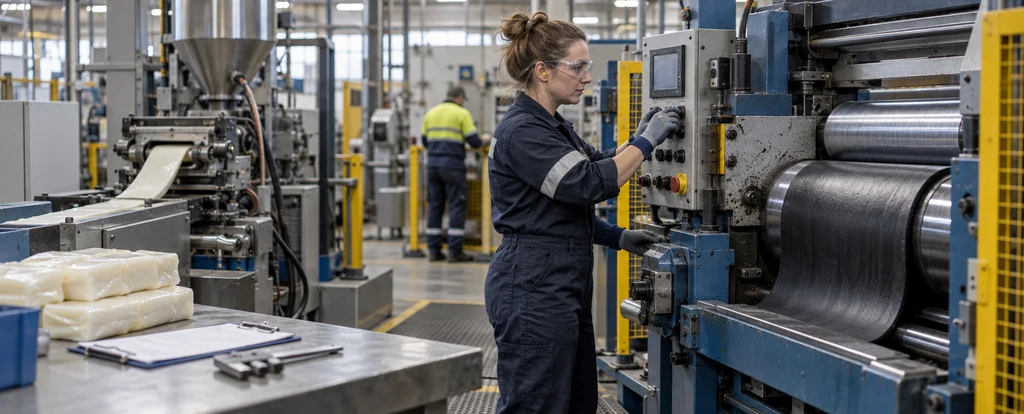
Rubber machine operators run the mixing mills, extruders and presses that turn raw rubber compound into finished parts.
Median pay$70,200 (estimate)
Pay is the median for everyone in the job, and “In demand” means the job is on the national shortage list. Pay marked as an estimate is our own analysis, not a published figure.
Where you can study this course
There's one place you can study this course. No provider pays to be listed here.
- Website for QPTS (opens in a new tab)
QPTS
QPTS, NSW
What you’ll learn
14 units: 2 that everyone takes and 12 you choose.
- Working safely
- Running production equipment
- Following specifications
- Recording production information
- Checking product quality
- Spotting routine faults
See all 2 core units
Core units
Everyone completes these. Select a unit to see what it covers.
Loading the details for MSMSUP210…
Loading the details for MSMSUP210…
Questions to ask before you enrol
Providers run this course differently, so the answers change from one to the next.
- When is the next intake, and how many are there each year?
- What is the total cost, including materials, checks and any placement costs?
- Can I study part time or online, and how does that change the length?
- Do the units count towards a higher qualification if I go on to study further?
Questions people ask
Who is this qualification for?
It prepares you to work as an operator on a polymer production line, running machines that turn plastics, rubber and similar materials into finished products and components. You follow set specifications and procedures, keep equipment to the right settings, check quality, and record output.
Do I need experience or other qualifications first?
There are no entry requirements for this qualification. However, individual providers can set their own conditions, so check with the provider you choose.
Is a licence, registration or check required to work in this area?
There are no specific licences that relate to this qualification. However, some units may have licensing or regulatory requirements in some jurisdictions, so check local regulations for details.
How is it different from Certificate III in Polymer Processing?
The Certificate III in Polymer Processing is the higher level. This Certificate II prepares you to operate production equipment within defined specifications and procedures, solve predictable problems, and report non-routine problems to appropriate personnel.