HomeCoursesFilm and screen productionCertificate IV
Certificate IV · national qualification
Certificate IV in Screen and Media
This certificate is for people who want to work in screen and media, covering fields as different as film and television, radio and podcasting, animation and visual effects, sound and lighting, and specialist make-up.
- How long it takes
- 4 to 12 months
- full time at TAFE NSW
- What it costs
- From $1,980
- Subsidised at TAFE NSW, full fee up to $13,330
- How you can study
- On campus
- Taught by
- 9 providers
- Every state and territory
Is this course right for you?
What the Certificate IV in Screen and Media asks of you, and what you might want to check first.
It helps to have
- an interest in screen, media and entertainment
- a willingness to plan and organise your own work
- good communication skills for guiding others
- a practical approach to work health and safety
Before you start
Each provider sets its own entry requirements, so check the ones you are considering.
Certificate IV or Certificate III?
The Certificate III in Screen and Media is at a lower level. This Certificate IV reflects work where you solve unpredictable problems, analyse and evaluate information, and may provide some leadership and guidance to others, with limited responsibility for their output.
See the courseWhere this course can take you
No job needs this course on its own, but it can help with the work below.
Jobs this course can help with
None of these jobs needs a set qualification.

Animator
Animators create movement on screen, building the characters, effects and sequences used in film, television, games and advertising.
Median pay$96,200
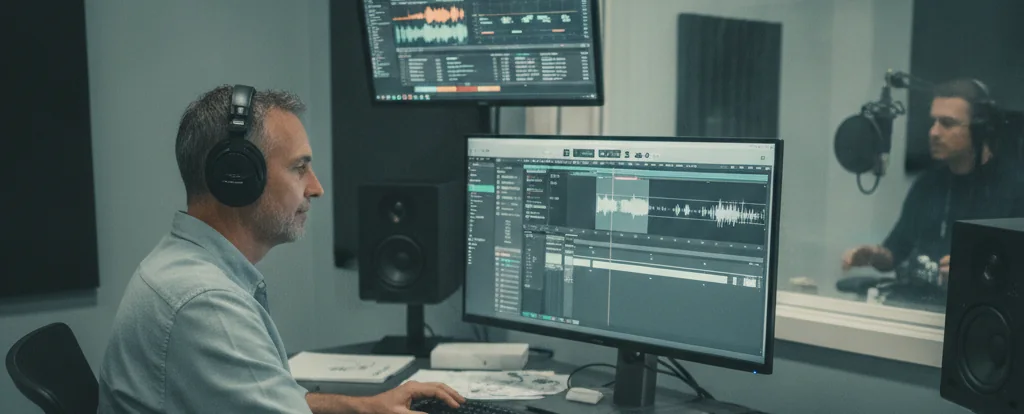
Podcast Producer
Podcast producers plan, record, edit and publish audio series, turning a raw conversation or script into an episode people want to keep listening to.
Median pay$65,000 (estimate)
If you study further
Diploma of Screen and Media
Leads to work as a, median pay $102,700.
A bachelor degree in screen production
Leads to work as a, median pay $101,400 (estimate).
Pay is the median for everyone in the job, and “In demand” means the job is on the national shortage list. Pay marked as an estimate is our own analysis, not a published figure.
What it costs
Subsidised place
From $1,980
at TAFE NSW. Whether you get a subsidised place depends on your state, residency, age and earlier study.
Paying the full fee
$13,330
across the TAFEs listed below. Private providers set their own fees.
| TAFE | State | Subsidised | Concession | Full fee | How long |
|---|---|---|---|---|---|
| TAFE NSW | NSW | $1,980 | $240 | $13,330 | 4 to 12 months |
TAFE NSWNSW
- Subsidised
- $1,980
- Concession
- $240
- Full fee
- $13,330
- How long
- 4 to 12 months
Fees as each TAFE shows them on its website, read 20 September 2026. Private providers set their own fees.
Where you can study this course
There are 9 places you can study this course. When you compare them, check they teach it the way you want to study, how far you'd be from a campus, what it will cost you and what past students say about the teaching and support. They're listed by how often people search for them, and none of them pays to be here or to move up.
- Website for Melbourne Polytechnic (opens in a new tab)
Melbourne Polytechnic
13 campuses, VIC
3.7from 485 Google reviews
What students like
- Some teachers are supportive and go out of their way
- Student services offer understanding and compassion
What to weigh up
- Messages to staff can go unanswered
- Enrolment mistakes can take time to fix
- Course page for TAFE NSW (opens in a new tab)

TAFE NSW
10 campuses, NSW
4.0from 2,410 Google reviews
- How you study
- On campus
- How long
- 4 to 12 months
- Fee
- From $1,980 subsidised
What students like
- Teachers are supportive and ready to help
- Staff are helpful and friendly
- Course content is practical and industry relevant
What to weigh up
- Enrolment and admin can be slow
- Some find front desk staff less helpful
- Website for Swinburne University of Technology (opens in a new tab)

Swinburne University of Technology
8 campuses, VIC
4.0from 1,190 Google reviews
What students like
- Lecturers and tutors are supportive and want students to succeed
- Student HQ and support staff are helpful and responsive
What to weigh up
- Enrolment and admin can be slow
- You may be passed between departments
What students like
- Lecturers are approachable and care about learning
What to weigh up
- Enrolment and admin can be slow
- Website for Box Hill Institute (opens in a new tab)

Box Hill Institute
4 campuses, VIC
3.0from 372 Google reviews
What students like
- Teachers are friendly and supportive
- Course content is practical and relevant
What to weigh up
- Admin replies can be slow
- Course organisation can be inconsistent
- Course page for North Metropolitan TAFE (opens in a new tab)
North Metropolitan TAFE
2 campuses, WA
4.1from 903 Google reviews
- How you study
- On campus
What students like
- Lecturers are helpful and knowledgeable
- Courses provide strong practical skills
- Website for South Metropolitan TAFE (opens in a new tab)
South Metropolitan TAFE
14 campuses, WA
3.9from 617 Google reviews
What students like
- Lecturers are friendly and genuinely care about students
- Courses help students learn new skills
What to weigh up
- Phone calls and enquiries can go unanswered
- Course page for South Regional TAFE (opens in a new tab)
South Regional TAFE
Margaret River, WA
5.0from 1 Google reviews
- How you study
- On campus

What you’ll learn
13 units: 4 that everyone takes and 9 you choose.
- Planning and prioritising your work
- Working in creative industries
- Staying well in creative work
- Work health and safety
See all 4 core units
Core units
Everyone completes these. Select a unit to see what it covers.
Loading the details for BSBPEF402…
Loading the details for BSBPEF402…
Questions to ask before you enrol
Providers run this course differently, so the answers change from one to the next.
- When is the next intake, and how many are there each year?
- What is the total cost, including materials, checks and any placement costs?
- Can I study part time or online, and how does that change the length?
- Do the units count towards a higher qualification if I go on to study further?
Questions people ask
Who is this qualification for?
This certificate is for people who want to work in screen and media, covering film and television, radio and podcasting, animation, visual effects, sound, lighting and specialist make-up. It builds technical skills for routine and less predictable jobs, plus communication skills to guide others and give technical advice. Roles may include radio/podcast presenter, sound recordist, editor, animator, camera operator and make-up artist.
Do I need experience or other qualifications first?
Entry requirements are set by each provider, so check with the provider you choose.
How is it different from Certificate III in Screen and Media?
The Certificate III in Screen and Media is at a lower level. This Certificate IV reflects work where you solve unpredictable problems, analyse and evaluate information, and may provide some leadership and guidance to others, with limited responsibility for their output.
How is it different from Diploma of Screen and Media?
The Diploma of Screen and Media is at a higher level. This Certificate IV reflects work where you solve unpredictable problems, analyse and evaluate information, and may provide some leadership and guidance to others, with limited responsibility for their output.