Dermal Therapist
Dermal therapists treat skin conditions such as acne, pigmentation and ageing with non-surgical procedures, including chemical peels, microdermabrasion and laser.
- Median salary*
- $59,800
4.2%vs last year, before tax
- People employed*
- 3,600
0.0%vs last year
- Projected growth
- +10.6%
to 2035
- AI exposure*
- Low
- automation risk
- Average hours*
- 38/wk
−2h vs all jobs
- Shortage status
- In shortage
national
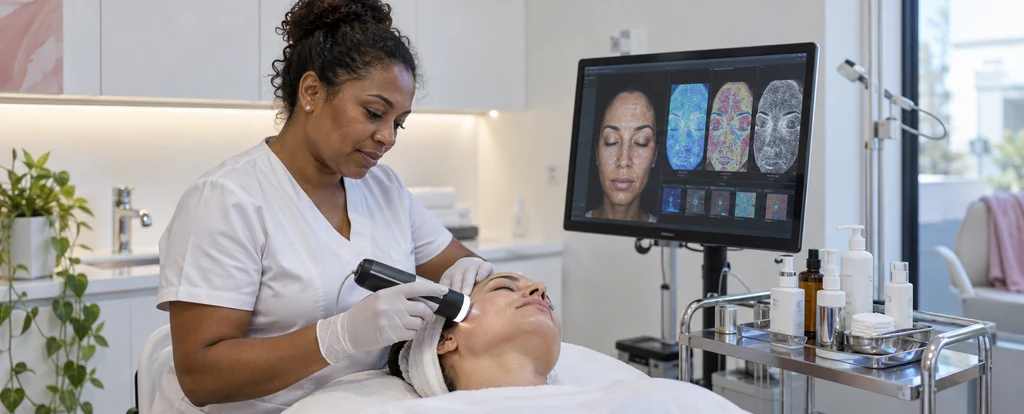
Dermal therapists assess skin and carry out non-surgical treatments in skin clinics, cosmetic medical practices and advanced beauty salons, often working alongside nurses and cosmetic doctors. The role sits apart from general beauty therapy because most of the day is spent on skin rather than waxing, nails and brows. Most practitioners hold a vocational qualification in beauty therapy or dermal science, and laser work can require a state licence or a recognised safety certificate.
How much do dermal therapists earn?
The median full-time salary for a dermal therapist is $59,800 per annum, before tax, up $12,600 since 2018.
Pay in this field moves with the clinic you work in and how the employer structures it. Medical and cosmetic clinics offering medical-grade treatments generally pay more than retail salons, and commission on product and treatment packages can form a real share of income. The qualifications that let you operate lasers safely, and any state licence that goes with them, open the better-paid roles.
What does a dermal therapist do day to day?
The list below is what fills most weeks; the exact mix shifts with seniority and whatever stage the current work is at.
- Assessing skin with visual checks and tools such as a dermatoscope or skin imaging system
- Performing chemical peels, microdermabrasion and laser or IPL treatments
- Writing treatment plans that set out a course of sessions and home care
- Sterilising equipment and keeping infection control standards in the treatment room
- Advising clients on aftercare, sun protection and products, and selling retail ranges
What skills do dermal therapists need?
Employers look for infection control and hygiene, health education and advice, hair and beauty services, backed by VISIA Skin Analysis fluency and strong client relationships and advisory.
Specialist skills
- Infection control and hygiene
- Health education and advice
- Hair and beauty services
Software and tools
- VISIA Skin Analysis
- Cliniko
- Candela laser systems
- medical-grade chemical peels
- dermoscopy
General skills
- Client relationships and advisory
- Written communication
- Attention to detail
- Customer service
- Empathy and interpersonal care
Is the job growing?
About 3,600 people work as dermal therapists in Australia, and employment is projected to grow 10.6% over the decade to 2035. That's healthy, above-average growth, and the role should stay in solid demand.
How do you become a dermal therapist?
Here's the path most dermal therapists take, step by step.
- 1Complete a beauty therapy qualification with dermal therapy units
A Certificate IV or Diploma of Beauty Therapy covering dermal science takes one to two years and includes supervised clinic hours, which is the first thing most employers look for. Around 34% of the people working as dermal therapists hold a qualification at Certificate III/IV level.
- 2Add laser and IPL safety training
Most clinics will not let you near a laser without a recognised laser safety certificate, and the requirements vary by state, so check what your state's health or radiation authority asks for before you enrol.
- 3Build paid experience in a clinic or advanced salon
Starting as a beauty therapist or junior in a skin clinic gives you the treatment volume that turns a qualification into confidence, and it is paid work rather than another course.
- 4Study further for clinical or medical-practice roles
A Diploma of Dermal Science or a bachelor degree in dermal science or health science opens roles in cosmetic medical practices and hospital skin clinics, and about a quarter of the workforce holds a diploma or advanced diploma.
Ready to apply as a dermal therapist?
Whether you're working toward becoming a dermal therapist or already are one and want a hand with the next step (sharpening your resume for ATS screening, tightening your cover letter, or knowing what you'll actually be asked at interview), here are examples grounded in this specific role, not generic templates.
What jobs can a dermal therapist move to?
Moving into Store Manager typically comes with the biggest pay rise, worth $24,400 a year more on average.
| Move to | Typical pay change | Overlap | Retraining |
|---|---|---|---|
| Store Manager Dermal therapists bring client care and sales experience to managing a beauty retail store, with further study.Known move | +$24,400 | 4% | reskill |
| Myotherapist Dermal therapists can extend into musculoskeletal therapy, building on anatomy and client care, with substantial further study.Known move | +$5,200 | 35% | reskill |
| Makeup Artist Dermal therapists can move into makeup artistry, using skin knowledge and salon client skills for cosmetic work. | −$10,400 | 35% | reskill |
Moves are chosen from Jobs and Skills Australia's Data on Occupation Mobility, which follows income tax records between 2011-12 and 2020-21, together with entry requirements and skill overlap. A known move is one people were seen making in that data. Pay change compares median full-time pay for the two roles.
Who works as a dermal therapist?
The typical dermal therapist is 31 years old; 95% are women, 50% work full-time, and full-timers average 38 hours a week.
- 31
- Median age
- 95%
- Female share
- 50%
- Full-time
- −2h
- vs all-jobs avg
What's it like being a dermal therapist?
The job runs on appointments, so a day is a series of 30 to 60 minute sessions with a treatment room to reset between clients. Skin changes slowly, which means you see the same clients over weeks and adjust their plan as you go. It suits people who like close client contact, care about the detail of how skin behaves, and are comfortable working with devices as well as hands.
What people like
- Results that show up over a course of treatments. Pigmentation fading or acne settling after several sessions gives you something concrete to point to when a client comes back.
- One client at a time. Consultations are face to face and often ongoing, so you get to know the people you treat and their history rather than moving through a queue.
- The technical side of the devices. Laser settings, peel strengths and imaging software all have a logic to learn, and getting them right for a particular skin type is its own craft.
- Room to specialise. You can build a practice around acne, pigmentation or pre and post cosmetic care, and that focus shapes which clients seek you out.
What people find hard
- Clients arriving with the wrong expectations. Some conditions belong with a doctor, and explaining that a mole needs checking or that scarring will not clear completely can be the hardest part of the consultation.
- Time on your feet and repetitive hand work. Back-to-back peels and laser sessions mean long standing hours, goggles and gloves, and fine hand movements repeated all day.
- Income tied to where you work. A retail salon on an hourly rate and a cosmetic clinic with commission can pay very differently for similar work, and package sales targets are common.
- Rules that shift across state lines. Laser and IPL licensing is handled differently in each state, so moving interstate or into a new clinic can mean extra paperwork and training.
Based on our synthesis of professional-body surveys and public accounts of the role, not first-person verified reviews.
Which industries employ dermal therapists?
Personal services employs the largest share of dermal therapists, followed by Health care and social assistance.
Top employing industries
- 1Personal services
- 2Health care and social assistance
- 3Retail trade
- 4Education and training
Ranked by employment share; the source doesn't publish an exact percentage per industry.
| Certificate III/IV | 34% | |
|---|---|---|
| Diploma / Advanced Diploma | 26% | |
| Bachelor degree | 20% | |
| Year 12 or below | 20% |
Will AI replace dermal therapists?
Dermal therapy has low exposure to AI overall, because the treatments are hands-on and delivered in a room to a specific person's skin. What technology does change is the assessment and admin side: skin imaging systems score pigmentation and texture, and clinic software such as Cliniko handles bookings, notes and reminders. A device can show where pigmentation sits, but the therapist still decides the settings and whether this client's skin is ready for treatment today.
Share of typical working time by exposure level
- Performing peels, microdermabrasion and laser treatmentsThe work is done by hand in the treatment room, with settings adjusted second by second as the skin responds.35%low
- Consultations and skin assessmentsImaging tools flag pigmentation and texture, but reading a client's history, medications and skin type happens in conversation and under a lamp.30%low
- Treatment plans and client recordsSoftware can draft a plan or summarise a previous visit, which the therapist then checks against what was actually done.20%moderate
- Product advice and follow-upOnline tools suggest retail products and send reminder messages, which trims some admin but not the conversation about what a client will realistically use.15%moderate
Common questions about becoming a dermal therapist
Straight answers to the questions people ask most.
How much do dermal therapists earn?
Dermal therapists earn a median of $59,800 per year before tax. Pay depends on your experience, the kind of clinic you work in and how much of your income comes from commission on treatments and products.
How do you become a dermal therapist?
Most people start with a Certificate IV or Diploma of Beauty Therapy (SHB50121) that includes dermal therapy units, then add laser safety training before treating clients with devices. From there, paid clinic experience and further study in dermal science open the clinical roles.
Are dermal therapists in demand?
Dermal therapists are currently in shortage nationally, and employment is projected to grow 10.6% over the decade to 2035. The occupation is small, so a few clinics hiring in one area can shift how easy it is to find work, and approaching practices directly is often more useful than waiting for advertised roles.
Will AI replace dermal therapists?
No, because the treatment itself is delivered by hand. Skin imaging and record-keeping software already handle part of the analysis and admin, which frees up appointment time, but choosing settings and carrying out a peel or laser session stays with the therapist.
What can dermal therapists move into?
Some move into clinic or retail management, where a store manager role pays $24,400 more, drawing on the sales and client care side of the work. Others extend their clinical training into musculoskeletal therapy as a myotherapist, a role that pays $5,200 more. Opening your own skin clinic is the other common path, and it is often where earnings grow.
Do you need a licence to use lasers?
Laser and IPL use is regulated, and the rules differ by state, with some requiring a licence or registration for the operator and others placing requirements on the clinic. Employers usually ask for a recognised laser safety certificate before you operate a device, so check your own state before you take a job that involves lasers.
Related roles
Not sure this is you? Take the career quiz and get a ranked shortlist of roles that fit how you like to work.