Entertainer
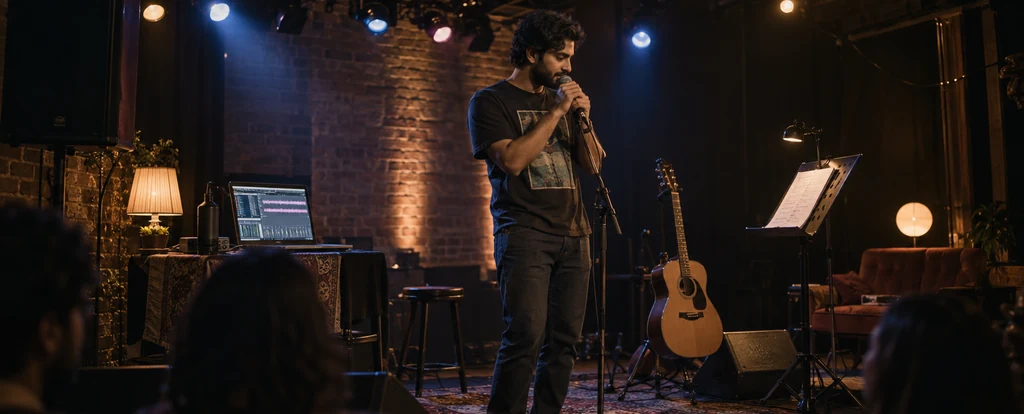
Entertainers build an act, from comedy or music to magic or variety, and perform it live for audiences at venues and events.
- Median salary*
- $59,800
4.0%vs last year, before tax
- People employed
- 1,300
0.0%vs last year
- Projected growth
- +11.7%
to 2035
- AI exposure*
- Low
- automation risk
- Average hours
- 46/wk
+6h vs all jobs
- Shortage status
- Not in shortage
national
Most entertainers work in clubs, pubs, theatres, festivals, cruise ships and corporate events rather than in scripted productions, which is what separates the role from acting or session music. Many are self-employed, so a week includes pitching for gigs, promoting shows and travelling as well as performing. Evenings and weekends dominate, because that is when audiences are free.
How much do entertainers earn?
The median full-time salary for an entertainer is $59,800 per annum, before tax, up $12,500 since 2018.
What you take home swings with the booking: a headline festival slot or a corporate function pays a set fee, while a smaller venue may pay a share of the door. Most entertainers piece income together from several sources, so the quiet weeks between gigs are part of the arithmetic. As a sole trader you set aside your own tax and super, and travel and equipment come out of the same money.
What does an entertainer do day to day?
The list below is what fills most weeks; the exact mix shifts with seniority and whatever stage the current work is at.
- Performing a live set or routine, whether that is stand-up, music, magic or variety
- Rehearsing and rewriting material until the timing holds in front of a crowd
- Reading the room and adjusting jokes, songs or patter when an audience goes quiet
- Pitching to venues, festivals and corporate bookers, then chasing the contracts and invoices that follow
- Keeping social media, clips and promo photos current between shows
What skills do entertainers need?
Employers look for creative software production, content creation and writing, event coordination, backed by Ableton Live fluency and strong written communication.
Specialist skills
- Creative software production
- Content creation and writing
- Event coordination
Software and tools
- Ableton Live
- Logic Pro
- TikTok
- Eventbrite
General skills
- Written communication
- Presenting and data storytelling
- Physical stamina and dexterity
Is the job growing?
About 1,300 people work as entertainers in Australia, and employment is projected to grow 11.7% over the decade to 2035. That's healthy, above-average growth, and the role should stay in solid demand.
How do you become an entertainer?
Here's the path most entertainers take, step by step.
- 1Build an act while the stakes are low
Open mic nights, community theatre, university revues, weddings and busking give you stage time and a cheap way to find out which material lands. Ten minutes that works in front of a paying crowd is usually what a booker asks about first.
- 2Train where your discipline needs it
Formal training is optional and uneven across the field, with 39% of the current workforce finishing at Year 12 or below. Where people do train, it is usually a TAFE or private diploma in performing arts or music, a stage school course, or ongoing lessons in the particular skill the act depends on.
- 3Take paid gigs and keep the footage
Support slots, corporate functions, weddings and regional touring are the usual first paid work, with festivals and cruise ships coming later. Keep video and reviews from each one, because agents and venues ask for them.
- 4Set up as a business
Most entertainers work as sole traders, which means an ABN, public liability insurance, promoter contracts that spell out fees and cancellation terms, and putting aside your own tax and super.
Ready to apply as an entertainer?
Whether you're working toward becoming an entertainer or already are one and want a hand with the next step (sharpening your resume for ATS screening, tightening your cover letter, or knowing what you'll actually be asked at interview), here are examples grounded in this specific role, not generic templates.
What jobs can an entertainer move to?
Moving into Musician typically comes with the biggest pay rise, worth $32,000 a year more on average.
| Move to | Typical pay change | Overlap | Retraining |
|---|---|---|---|
| Musician An entertainer brings stagecraft and audience awareness to musicianship, though instrumental or vocal training is needed for professional work. | +$32,000 | 53% | short course |
| Actor An entertainer brings stage presence and audience rapport to acting work, with further training for screen and scripted roles.Known move | +$28,200 | 44% | reskill |
| Theatre Director An entertainer brings performance insight and rehearsal experience to directing, with further training in production and creative leadership. | +$26,000 | 47% | short course |
| Singer An entertainer brings microphone craft and live audience experience to singing work, with vocal training to develop range and technique.Known move | +$2,600 | 53% | short course |
| Dancer An entertainer brings timing and performance discipline to dance work, though dedicated dance training is needed for specialist styles.Known move | −$5,200 | 15% | reskill |
Moves are chosen from Jobs and Skills Australia's Data on Occupation Mobility, which follows income tax records between 2011-12 and 2020-21, together with entry requirements and skill overlap. A known move is one people were seen making in that data. Pay change compares median full-time pay for the two roles.
Who works as an entertainer?
The typical entertainer is 32 years old; 52% are men, 33% work full-time, and full-timers average 46 hours a week.
- 32
- Median age
- 48%
- Female share
- 33%
- Full-time
- +6h
- vs all-jobs avg
What's it like being an entertainer?
The job runs on a gig-by-gig rhythm: quiet weeks of admin and writing broken by intense performance days, with travel in between. Work clusters at night and on weekends, and income follows bookings rather than a roster, so strong months and thin months sit side by side. People who enjoy it tend to like the immediacy of a live crowd and are comfortable promoting themselves between shows.
What people like
- The feedback is immediate. A room either goes with you or it does not, and you know within seconds. Few jobs give that clear a read on whether something worked.
- You write your own material. Beyond the parameters of a booking, the act is yours, from the set list to the persona you perform under.
- Every gig is a different room. A 40-seat comedy room, a packed festival stage and a corporate function each ask for a different version of the same skill, which keeps the work from going stale.
- The act can travel. Regional touring, festivals and cruise contracts sit alongside local gigs, so a set that works can be taken interstate or overseas.
What people find hard
- Income is uneven. Fees arrive gig by gig, and there is no paid leave or sick pay when a show is cancelled at short notice.
- Evenings, weekends and long drives. Audiences are free when most people are not, so a normal week means late nights and travel between venues.
- The admin is unpaid. Pitching to venues, invoicing, chasing contracts and posting clips take hours that earn nothing, and they sit on top of rehearsal time.
- A flat room is on you. Hecklers, a half-empty venue and a crowd expecting something else are all part of the work, and the set has to keep going regardless.
Based on our synthesis of professional-body surveys and public accounts of the role, not first-person verified reviews.
Which industries employ entertainers?
Arts and Recreation Services employs the largest share of entertainers, followed by Accommodation and Food Services.
Top employing industries
- 1Arts and Recreation Services
- 2Accommodation and Food Services
Ranked by employment share; the source doesn't publish an exact percentage per industry.
| Year 12 or below | 39.3% | |
|---|---|---|
| Bachelor degree | 26% | |
| Certificate III/IV | 14.8% | |
| Diploma / Advanced Diploma | 11.2% | |
| Postgraduate | 4.5% |
Will AI replace entertainers?
Entertainer work carries low exposure because the product is a person in a room with a paying audience, and a crowd's reaction cannot be automated. AI is useful in the parts around the act: cutting clips for social media, drafting promo copy, tidying up recordings and generating rough ideas to test on stage. It does not book the gig, read the room or rescue a set that has gone quiet.
Share of typical working time by exposure level
- Performing the live setThe act itself, delivered to whichever crowd turns up on the night, is the part audiences pay for and the part no tool can stand in for.50%low
- Writing and refining materialYou can ask a tool for twenty opening lines or a chord progression, but only a live room tells you which of them works.20%moderate
- Promoting gigs and posting clipsCutting a vertical clip from a recorded set, writing the caption and scheduling the post are tasks AI tools now handle in minutes.20%high
- Booking, negotiating and feesSoftware can draft the email to a venue and track invoices, but the fee and the date still get settled in a conversation with a person.10%moderate
Common questions about becoming an entertainer
Straight answers to the questions people ask most.
How much do entertainers earn?
The median is $59,800 per year before tax, which covers full-time entertainers rather than what a new act can expect. What you earn depends on the booking: corporate, festival and cruise work usually pays a set fee, while smaller venues sometimes pay a share of the door.
How do you become an entertainer?
You build an act and perform it wherever you can, starting with open mics, community stages and unpaid spots before moving to paid gigs. Training helps in some disciplines, such as music or circus, but 39% of entertainers finished at Year 12 or below, so a qualification is not a requirement. An agent or booker usually comes later, once there is footage and a track record to show.
Are entertainers in demand?
Entertainers are currently not in shortage, and employment is projected to grow 11.7% over the decade to 2035. The occupation is small, and most work comes through venues, festivals and event bookers rather than advertised listings, so what you can show a promoter matters as much as applying.
Will AI replace entertainers?
Not in the live part of the job, because a crowd is paying for a person in the room. AI is already useful for cutting social clips, drafting promo copy and cleaning up recordings, which saves time on the marketing side. It cannot read a room, handle a heckler or cover a set that is not landing.
What can I move on to from entertaining?
Entertainers often move between related performance work: actors bring scripted material and rehearsal discipline across, and musicians bring stagecraft and audience awareness. Pay differs between them, with actors on $28,200 more and musicians on $32,000 more. Most entertainers work for themselves, so building a bookable act, a corporate client list or a small agency is often where earnings grow.
Do I need an agent to get work?
Not to start, and plenty of entertainers book directly with venues and event organisers for years. An agent earns their commission by opening doors to festivals, corporate work and larger rooms, so it is worth approaching one once you have a proven act and regular enquiries.
Related roles
Not sure this is you? Take the career quiz and get a ranked shortlist of roles that fit how you like to work.