Nanny
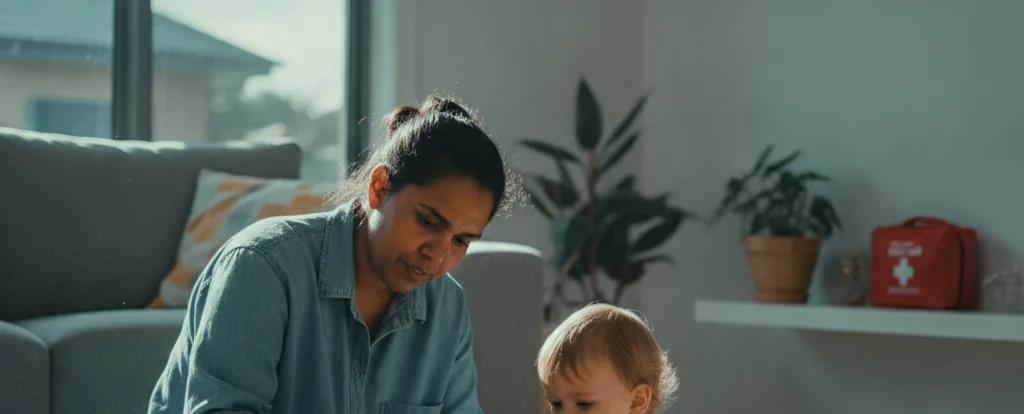
Nannies look after children in the family's own home, running the daily routine, meals, activities and early learning for one household.
- Median salary
- $69,700
4.2%vs last year, before tax
- People employed
- 7,100
0.0%vs last year
- Projected growth
- +4.5%
to 2035
- AI exposure*
- Low
- automation risk
- Average hours
- 42/wk
+2h vs all jobs
- Shortage status
- In shortage
national
Nannies work in a family's home rather than a childcare centre, caring for one child or a small sibling group across the whole day: school runs, meals, naps, play and homework. What sets the role apart is the setting and the relationship, since a nanny often stays with the same family for years and knows each child's routines in detail. Most families ask for a Working with Children Check and a current first aid certificate, and a nanny working through a registered service can be covered by the In Home Care program.
How much do nannys earn?
The median full-time salary for a nanny is $69,700 per annum, before tax, up $14,600 since 2018.
Pay is negotiated between you and the family, and there is no single national pay scale for private nannies, though agency placements often come with a set rate. Live-in roles usually trade some cash pay for board and lodging, while casual and part-time hours add up to less over a year than full-time work. A Certificate III or diploma in early childhood education and care, a driver's licence, or experience with children who have additional needs are the things that usually lift an offer.
What does a nanny do day to day?
The list below is what fills most weeks; the exact mix shifts with seniority and whatever stage the current work is at.
- Shaping the day around naps, school pickups, meals and activities rather than a centre timetable
- Making up games and learning moments on the spot instead of working from a lesson plan
- Cooking for young children around allergies, fussy eating and the family's own rules
- Managing scrapes, meltdowns and sibling arguments without a colleague to hand over to
- Telling parents how the day went, including the small things that need watching
What skills do nannys need?
Employers look for personal care services, pastoral care and wellbeing, food preparation and cooking, backed by First aid equipment fluency and strong empathy and interpersonal care.
Specialist skills
- Personal care services
- Pastoral care and wellbeing
- Food preparation and cooking
- Teaching and instruction
Software and tools
- First aid equipment
- Family scheduling apps
General skills
- Empathy and interpersonal care
- Written communication
- Time and deadline management
Is the job growing?
About 7,100 people work as nannys in Australia, and employment is projected to grow 4.5% over the decade to 2035. That's modest growth: demand is steady rather than booming.
How do you become a nanny?
Here's the path most nannys take, step by step.
- 1Get your clearances first
A Working with Children Check is required before you can work with children, and the name and process differ by state, such as the blue card in Queensland. Families also ask for a national police check, and both take a few weeks to come through, so start before you apply for roles.
- 2Complete a first aid course
The qualification most families and agencies ask for is HLTAID012 Provide First Aid in an Education and Care Setting (HLTAID012), which covers children and babies. It is valid for three years, with the CPR component renewed each year.
- 3Build experience with children
Babysitting, au pair work, helping in a playgroup or caring for your own children all count, and agencies ask for referees who have seen you handle a full day with a child. A driver's licence widens the roles open to you because many families need school pickups.
- 4Consider a qualification
A Certificate III in Early Childhood Education and Care (CHC30125) or a diploma is not mandatory for nanny work, but it supports higher pay and makes the move into centre-based roles easier later. Courses run from about six months full time at TAFE or a private provider.
- 5Find work the way nannies actually find it
Agencies and nanny networks place most nannies, and families also hire through word of mouth, so a local reputation carries a lot of weight. Some nannies go self-employed, setting their own rate and arranging their own insurance and contracts.
Ready to apply as a nanny?
Whether you're working toward becoming a nanny or already are one and want a hand with the next step (sharpening your resume for ATS screening, tightening your cover letter, or knowing what you'll actually be asked at interview), here are examples grounded in this specific role, not generic templates.
What jobs can a nanny move to?
Moving into Childcare Centre Manager typically comes with the biggest pay rise, worth $33,400 a year more on average.
| Move to | Typical pay change | Overlap | Retraining |
|---|---|---|---|
| Childcare Centre Manager Nannies know children's needs well, but managing a centre requires substantial retraining in leadership, regulations and staff supervision.Known move | +$33,400 | 15% | reskill |
| Early Childhood Educator Nannies bring one-to-one childcare experience, and moving to centre-based early childhood education needs a short course covering group programs and learning frameworks.Known move | +$29,400 | 32% | short course |
| Residential Care Worker Nannies understand children's daily routines and personal care, but moving to residential care requires retraining in trauma-informed practice and shift work.Known move | −$9,900 | 19% | reskill |
| Out of School Hours Care Educator Nannies bring strong child supervision skills, but out of school hours care needs retraining in school-aged activities and service compliance.Known move | −$9,900 | 33% | reskill |
| Family Day Care Educator Nannies can apply their home-based care skills to run a family day care, though it requires substantial retraining in regulations and small business setup.Known move | −$14,600 | 40% | reskill |
Moves are chosen from Jobs and Skills Australia's Data on Occupation Mobility, which follows income tax records between 2011-12 and 2020-21, together with entry requirements and skill overlap. A known move is one people were seen making in that data. Pay change compares median full-time pay for the two roles.
Who works as a nanny?
The typical nanny is 27 years old; 98% are women, 22% work full-time, and full-timers average 42 hours a week.
- 27
- Median age
- 98%
- Female share
- 22%
- Full-time
- +2h
- vs all-jobs avg
What's it like being a nanny?
The day follows one family's children rather than a roster of colleagues, so the relationship with the parents shapes how the job feels as much as the children do. Nannies who enjoy it tend to like running the day their own way and watching a child grow up over several years, and the harder weeks are the ones where a child is unsettled and there is no one else in the house to take over. Hours can be long or split, with early starts, school pickups and the occasional evening, and plenty of roles are part-time or casual.
What people like
- One child or one family, not a room of them. The one-to-one attention means you notice how a child is going and can change the plan mid-morning if they need it, which is hard to do in a group setting.
- The relationship lasts. Many nannies stay with a family for years, so first words, first days at school and the wobbles in between happen with you there rather than in a handover note.
- Room to run the day your way. Within the family's ground rules you decide how the afternoon is spent, which is more autonomy than most centre-based childcare allows.
- One job with several kinds of work. Cooking, outings, homework help, appointments and play all sit in the same day, so the work changes shape as the children get older.
What people find hard
- Working inside someone else's home. You adapt to their kitchen, their rules and their habits every day, and it can be harder to leave the job behind at the end of it.
- Little support when something goes wrong. There is no director or colleague on site, so a medical scare, a difficult behaviour or a family emergency means making the call yourself and then explaining it.
- Hours that spill over. Early starts and late finishes are common, and evening work, overnight stays or travel with the family come up in some roles, especially live-in ones.
- Boundaries with parents need managing. Extra chores, changing hours and unclear expectations creep in when nothing is written down, which is why an agreement covering duties, hours and pay is worth having.
Based on our synthesis of professional-body surveys and public accounts of the role, not first-person verified reviews.
Which industries employ nannys?
Other Services employs the largest share of nannys, followed by Health Care and Social Assistance.
Top employing industries
- 1Other Services
- 2Health Care and Social Assistance
- 3Education and Training
Ranked by employment share; the source doesn't publish an exact percentage per industry.
| Year 12 or below | 46.2% | |
|---|---|---|
| Certificate III/IV | 15.3% | |
| Bachelor degree | 14.7% | |
| Diploma / Advanced Diploma | 14.2% | |
| Postgraduate | 4.5% |
Will AI replace nannys?
Nanny work sits at the low end of AI exposure because the core of the job is physical care and supervision of children in their own home, which no software can do. Family scheduling apps, shared calendars and activity or meal planning tools take over parts of the organising around the care, so the change lands on admin rather than on the hours you spend with a child. Reading a child's mood, managing a tantrum and judging when to ring a parent are the parts that keep it that way.
Share of typical working time by exposure level
- Caring for children through the dayFeeding, settling, supervising play and keeping a child safe are physical and face-to-face, and no tool does that part of the job.40%low
- Planning activities and outingsApps and websites suggest age-appropriate games and local outings, but you still decide what suits this child on this particular afternoon.20%moderate
- Meals and food preparationRecipe and meal planning apps help with ideas for a fussy eater, though the cooking, the allergy checks and coaxing a child through dinner stay with you.20%low
- Schedules and reporting to parentsShared calendars, family scheduling apps and daily update messages handle much of the coordination, and many parents now expect the day's notes in an app by evening.20%high
Common questions about becoming a nanny
Straight answers to the questions people ask most.
How much does a nanny earn in Australia?
Full-time nannies earn a median of $69,700 per year before tax, and the arrangement moves that figure more than the job title does. Agency placements, live-in roles and nannies with early childhood qualifications sit at different points around it, and part-time or casual hourly rates vary from family to family.
How do you become a nanny?
You need a Working with Children Check, a current first aid certificate and referees who can vouch for you with children, and beyond that most families care about experience rather than a qualification. A Certificate III in Early Childhood Education and Care (CHC30125) helps with pay and with agency placements, but plenty of nannies start from babysitting, au pair work or caring for their own children.
Are nannies in demand in Australia?
Nannies are currently in shortage nationally, and employment is projected to grow 4.5% over the decade to 2035 over the decade to 2035. Most nanny work is found through agencies, nanny networks and word of mouth rather than job ads, so a good local reputation and up-to-date first aid do a lot of the work for you.
Will AI replace nannies?
No, and the exposure is low because the centre of the job is physical care and supervision of children in their own home. Scheduling apps, shared calendars and activity or meal planning tools take over parts of the organising around the care, which trims admin rather than time with the child. Reading a child's mood, settling a tantrum and knowing when to call a parent stay with the person in the room.
What can a nanny move into?
Early childhood educator is the most straightforward move, paying $29,400 more and needing a short course in group programs and learning frameworks, since you already know how children's days run. Nannies who take on leadership study move into childcare centre management, and those who want to work for themselves often set up as family day care educators or contract directly with families, which is usually where earnings grow.
Do nannies do housework?
Usually only what relates to the children: their washing, their meals, tidying the areas they use and clearing up after activities. Deep cleaning, the family's laundry and cooking for adults are a separate arrangement, and it helps to spell out the difference in a written agreement before you start.
Related roles
- Early Childhood Educator
- Family Day Care Educator
- Residential Care Worker
- Out of School Hours Care Educator
- Childcare Centre Manager
- Early Childhood Educator
Not sure this is you? Take the career quiz and get a ranked shortlist of roles that fit how you like to work.