Neurosurgeon
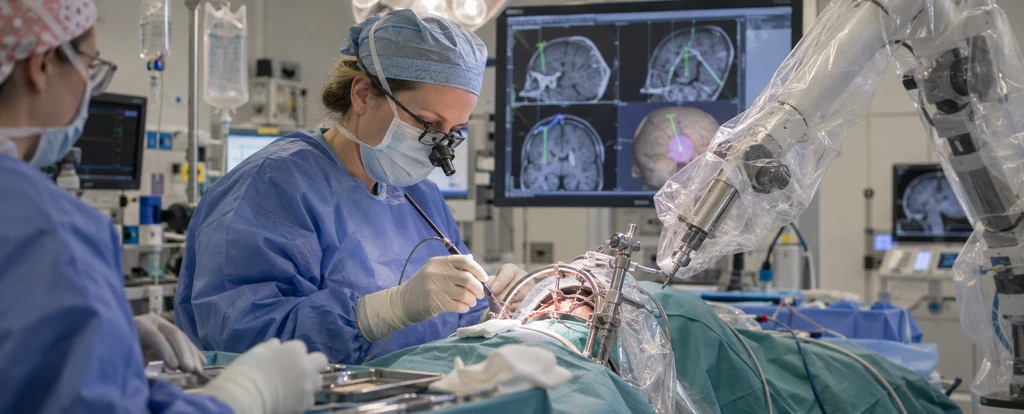
Neurosurgeons operate on the brain, spine and nervous system to treat tumours, aneurysms, injuries and other conditions that threaten life or function.
- Median salary*
- $197,600
3.9%vs last year, before tax
- People employed
- 280
6.7%vs last year
- Projected growth*
- +8%
to 2035
- AI exposure*
- Low
- automation risk
- Average hours*
- 48/wk
+8h vs all jobs
- Shortage status*
- In shortage
national
Neurosurgeons are specialist doctors who operate on the brain, spinal cord and peripheral nerves, treating tumours, aneurysms, head injuries and degenerative spine conditions. They work mainly in the public hospital system, usually through a major referral hospital with a neurosurgery unit, and split their week between theatre, clinics and an on-call roster. Where a neurologist diagnoses and manages conditions largely with medication, a neurosurgeon decides whether an operation will help and then performs it.
How much do neurosurgeons earn?
The median full-time salary for a neurosurgeon is $197,600 per annum, before tax, up $41,100 since 2018.
Public hospital neurosurgeons are paid under state health department enterprise agreements, where seniority, on-call load and the size of the unit set the level. Private practice works differently, paying per procedure, and the mix of public and private work you do changes the total considerably. Sub-specialty, how much emergency work you take on and where you are credentialed all shift it further.
What does a neurosurgeon do day to day?
The list below is what fills most weeks; the exact mix shifts with seniority and whatever stage the current work is at.
- Operating on the brain and spine, from removing tumours to decompressing a trapped nerve
- Reviewing CT and MRI scans and deciding whether surgery is the right treatment
- Running outpatient clinics for people with back pain, epilepsy, tumours or head injuries
- Taking emergency call for head trauma, brain bleeds and spinal cord compression
- Supervising registrars in theatre and teaching medical students and junior doctors
What skills do neurosurgeons need?
Employers look for clinical assessment and treatment, patient care and support, medication management, backed by Surgical navigation systems fluency and strong problem solving.
Specialist skills
- Clinical assessment and treatment
- Patient care and support
- Medication management
- Care planning and coordination
- Infection control and hygiene
Software and tools
- Surgical navigation systems
- Intraoperative MRI
- Neurophysiological monitoring
- Robotic surgery systems
- Electronic medical records
General skills
- Problem solving
- Attention to detail
Is the job growing?
About 280 people work as neurosurgeons in Australia, and employment is projected to grow 8% over the decade to 2035. That's modest growth: demand is steady rather than booming.
How do you become a neurosurgeon?
Here's the path most neurosurgeons take, step by step.
- 1Complete a medical degree
Entry is through a Bachelor of Medicine, Bachelor of Surgery or a graduate medical program, which takes four to seven years depending on whether you already hold a degree. Undergraduate entry uses the UCAT and graduate entry the GAMSAT, and both are competitive.
- 2Finish your internship and gain general registration
Every Australian medical graduate completes a supervised intern year in a hospital, usually rotating through several specialties, before registering with AHPRA. You cannot apply for surgical training without general registration.
- 3Work as a resident medical officer and apply for neurosurgery training
Selection into the neurosurgery training program run by the Royal Australasian College of Surgeons usually happens after a few years of hospital work, and considers referees, operative experience, research and interviews. Most applicants spend extra years as a resident medical officer building a record first.
- 4Complete the training program and fellowship
Neurosurgery training runs about six years and combines hospital rotations, examinations and growing operating responsibility, ending in a Fellowship of the Royal Australasian College of Surgeons in neurosurgery. Many trainees then take a sub-specialty fellowship interstate or overseas before a consultant post.
- 5Get specialist registration and hospital credentialing
Consultant work needs specialist registration with AHPRA and credentialing at each hospital where you operate. If you intend to work privately, you also need indemnity insurance and admitting rights, which are arranged separately from your public appointment.
Ready to apply as a neurosurgeon?
Whether you're working toward becoming a neurosurgeon or already are one and want a hand with the next step (sharpening your resume for ATS screening, tightening your cover letter, or knowing what you'll actually be asked at interview), here are examples grounded in this specific role, not generic templates.
What jobs can a neurosurgeon move to?
We don't list lateral moves for neurosurgeons: leaving means a full new qualification rather than a career move, and the realistic routes in are covered under how to become one.
Who works as a neurosurgeon?
The typical neurosurgeon is 45 years old; 85% are men, 92% work full-time, and full-timers average 48 hours a week.
- 45
- Median age
- 15%
- Female share
- 92%
- Full-time
- +8h
- vs all-jobs avg
What's it like being a neurosurgeon?
The week runs on theatre lists, clinics and an on-call roster, with full-time neurosurgeons averaging 48 hours. Operations can run for many hours and emergency cases arrive without warning, so the work rewards people who stay steady when a plan has to change mid-operation. It suits someone who wants depth rather than variety: a small number of very difficult problems instead of a steady stream of routine ones.
What people like
- Problems that get fixed. A patient who arrived with a compressed spinal cord or a growing tumour often leaves noticeably better, and that change is visible within days.
- Technology that extends what your hands can do. Navigation, intraoperative imaging and nerve monitoring let you work in tissue that would once have been unreachable, and every case is a planning exercise as much as an operation.
- A small team that knows the work. Neurosurgery units are tight groups of registrars, anaesthetists, nurses and allied health staff who work together across long cases, and training the next group is built into the job.
- Sub-specialties to build a career around. You can focus on paediatric neurosurgery, spinal work, vascular cases or epilepsy surgery, and shift the emphasis as your career develops.
What people find hard
- Training takes most of your twenties and thirties. A medical degree, an internship, several years as a resident medical officer and about six years of neurosurgery training mean a consultant post often arrives in the late thirties.
- The on-call roster never really stops. Head injuries and brain haemorrhages arrive at any hour, so emergency callbacks cut into theatre days, clinics and weekends, and plans get rearranged at short notice.
- Outcomes do not always go the way you planned. Operating on the brain and spinal cord carries a real risk of stroke, infection, paralysis or death, and a complication stays with the patient and with you.
- The work is concentrated in a few places. Neurosurgery units sit in the large referral hospitals, so training and consultant posts usually mean living in a capital city or a major regional centre, and moving when a post opens.
Based on our synthesis of professional-body surveys and public accounts of the role, not first-person verified reviews.
Which industries employ neurosurgeons?
Hospitals employs the largest share of neurosurgeons, followed by Medical and other health care services.
Top employing industries
- 1Hospitals
- 2Medical and other health care services
- 3Education and training
- 4Scientific research services
Ranked by employment share; the source doesn't publish an exact percentage per industry.
| Bachelor degree | 52% | |
|---|---|---|
| Postgraduate | 26% | |
| Diploma / Advanced Diploma | 13% | |
| Other | 9% |
Will AI replace neurosurgeons?
Neurosurgeons have low exposure to AI overall. The technology in the operating theatre, from surgical navigation to intraoperative MRI and neurophysiological monitoring, extends what a surgeon can do but does not perform the operation, and imaging tools that flag abnormalities still leave the decision to operate with the surgeon. Documentation is the part of the week most affected so far.
Share of typical working time by exposure level
- Cranial and spinal operationsNavigation systems and intraoperative MRI help place an approach precisely, but the dissection, the decisions at the microscope and the repair are still done by the surgeon's hands.40%low
- Clinic consultations and consent discussionsTalking a patient and their family through the risks of an operation, and judging whether surgery will help at all, happens face to face and stays with the surgeon.25%low
- Reading scans and planning an approachSoftware increasingly flags a bleed or a mass on a CT or MRI, which speeds up triage, though working out what it means for this particular patient still depends on the clinical picture.20%moderate
- Operation notes, letters and theatre listsDictation and drafting tools can turn an operation note or a discharge summary into a first draft, and rostering software builds the on-call roster.15%high
Common questions about becoming a neurosurgeon
Straight answers to the questions people ask most.
How much does a neurosurgeon earn in Australia?
Full-time neurosurgeons earn a median of $197,600 per year before tax, which puts the specialty among the higher-paid areas of medicine. What you actually take home depends on whether you are on a public hospital salary or billing privately, and how much on-call and emergency work you carry.
How long does it take to become a neurosurgeon?
Usually at least 15 years from starting university: four to seven years of medical school, a supervised intern year, several years working as a resident medical officer, then about six years of neurosurgery training. Selection into the training program is the bottleneck, and many applicants spend extra years building a record before they are accepted.
Are neurosurgeons in demand in Australia?
Neurosurgeons are currently in shortage nationally, and employment is projected to grow 8% over the decade to 2035 over the decade to 2035. The specialty itself is small, so most openings come from consultants retiring or hospitals creating new posts, which means the number of training places stays limited whatever the demand looks like.
Will AI replace neurosurgeons?
The risk to this role is low. Imaging software increasingly flags a possible tumour or bleed on a scan, and navigation and robotic systems steady the instruments, but the operation itself, the judgement about whether to operate and the conversation with the patient stay with the surgeon. The most exposed part of the week is the paperwork around it.
What are the career options for a neurosurgeon?
The step into this role is from resident medical officer: complete neurosurgery training and you earn $93,600 more than a resident medical officer as a consultant. From there, many neurosurgeons build a private practice alongside public hospital work, which is often where earnings grow.
Do neurosurgeons work long hours?
Full-time neurosurgeons average 48 hours a week, and emergency call adds to that because head injuries and haemorrhages arrive at any hour. Theatre lists and clinics are planned in advance, but the on-call roster sets the rhythm of the week.
Related roles
- Resident Medical Officer
- Registered Nurse
- Enrolled Nurse
- Obstetrician and Gynaecologist
- Intensive Care Specialist
- Cosmetic Nurse
Not sure this is you? Take the career quiz and get a ranked shortlist of roles that fit how you like to work.