Open Cut Examiner
Open cut examiners are the statutory supervisors of an open cut mine, checking the pit, the blasting and the crews against mining safety rules.
- Median salary*
- $166,400
3.7%vs last year, before tax
- People employed*
- 1,500
0.0%vs last year
- Projected growth*
- −1%
to 2035
- AI exposure*
- Moderate
- automation risk
- Average hours*
- 44/wk
+4h vs all jobs
- Shortage status*
- In shortage (regional)
national
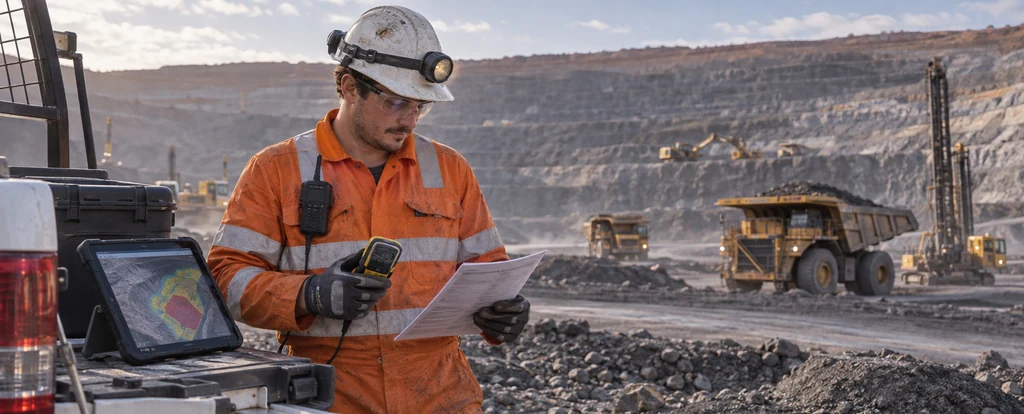
Open cut examiners work across coal, gold, iron ore and other surface mines, spending part of every shift in the pit and part in the office writing up what they found. The job is statutory: the examiner holds a certificate of competence from the state mining regulator and is named on the mine's safety management system, which is what separates it from a general supervisor. The nearest equivalent is the mine deputy, who carries the same legal duties underground.
How much do open cut examiners earn?
The median full-time salary for an open cut examiner is $166,400 per annum, before tax, up $34,300 since 2018.
Pay is set by the mine's enterprise agreement or award, so the roster matters as much as the base rate: an even-time residential roster pays differently from a fly-in, fly-out swing that carries site and travel allowances. The commodity and the location move it too, with coal and iron ore operations generally at the top of the range. The statutory appointment usually comes with its own allowance, because holding the certificate is a condition of the position.
What does an open cut examiner do day to day?
The list below is what fills most weeks; the exact mix shifts with seniority and whatever stage the current work is at.
- Inspecting pit walls, benches and haul roads for instability, and closing off areas until they are made safe
- Checking that drilling, blasting, loading and hauling follow the site's safety and health management plan
- Supervising shotfiring, including exclusion zones, misfires and the storage and handling of explosives
- Investigating incidents and near misses in the pit and writing the reports the regulator requires
- Directing crews and contractors to correct unsafe conditions, then following up that the work was done
What skills do open cut examiners need?
Employers look for worksite safety management, field inspection and testing, risk and internal controls, backed by MineStar fluency and strong safety and compliance awareness.
Specialist skills
- Worksite safety management
- Field inspection and testing
- Risk and internal controls
- Regulatory compliance
Software and tools
- MineStar
- SafetyCulture
- GasAlert
- Deswik
- Two-way radio
General skills
- Safety and compliance awareness
- People leadership
- Problem solving
Is the job growing?
About 1,500 people work as open cut examiners in Australia, and employment is projected to decline 1% over the decade to 2035. That's a real decline, worth weighing carefully before training into the role.
How do you become an open cut examiner?
Here's the path most open cut examiners take, step by step.
- 1Get open cut experience
Most examiners start as haul truck, drill or excavator operators and complete a Certificate III in Surface Extraction Operations (RII30120) while working. The certificate exams assume you already know how a pit runs, and this stage is paid.
- 2Meet the experience requirements
State regulators set a minimum period of practical mining experience, often including time in a supervisory or safety role, before you can be assessed. Keep a record of your roles and hours signed off by your supervisor, because you will need to prove them.
- 3Complete the statutory competencies
You will need current first aid, risk management, gas testing and shotfiring competencies, along with training in the specific hazards of your mine. Registered training organisations deliver these, usually as short courses fitted around your roster.
- 4Pass the regulator's exams and be appointed
Written and oral exams are set by the state mining regulator, such as Resources Safety and Health Queensland or the NSW Resources Regulator, and the qualification name and requirements vary by state. Once you hold the certificate, a mine appoints you to the position and names you on its safety management system.
Ready to apply as an open cut examiner?
Whether you're working toward becoming an open cut examiner or already are one and want a hand with the next step (sharpening your resume for ATS screening, tightening your cover letter, or knowing what you'll actually be asked at interview), here are examples grounded in this specific role, not generic templates.
What jobs can an open cut examiner move to?
None of the roles open cut examiners typically move into pay more than the role itself. Mine Deputy is the closest match. If a bigger salary is the goal, moving up into a senior or principal position within the role is usually the faster route than moving sideways.
| Move to | Typical pay change | Overlap | Retraining |
|---|---|---|---|
| Mine Deputy The open cut examiner brings statutory supervision, safety compliance and crew leadership to the mine deputy role. | −$15,600 | 63% | minimal |
Moves are chosen from Jobs and Skills Australia's Data on Occupation Mobility, which follows income tax records between 2011-12 and 2020-21, together with entry requirements and skill overlap. A known move is one people were seen making in that data. Pay change compares median full-time pay for the two roles.
Who works as an open cut examiner?
The typical open cut examiner is 42 years old; 92% are men, 95% work full-time, and full-timers average 44 hours a week.
- 42
- Median age
- 8%
- Female share
- 95%
- Full-time
- +4h
- vs all-jobs avg
What's it like being an open cut examiner?
The job runs on shifts, with long days of walking the pit, talking to operators on the radio and then writing up inspections before you go home. Its pressure comes from the statutory duty rather than the pace: you are the person who decides whether work continues, and that decision is recorded. It suits someone steady under production pressure who is comfortable being the one who says stop.
What people like
- You can stop the job. The certificate gives you the authority to halt work you consider unsafe, and crews generally act on it. Decisions happen on the spot rather than through a chain of approvals.
- Your days are spent in the pit. A shift moves between walking the benches, talking to operators and writing up inspections, so it does not sit at a desk.
- The certificate belongs to you. It is portable between mines and between states that recognise it, which gives you options when you want a different roster or employer.
- You see the whole operation. Examiners move across the pit through a shift, so you learn the equipment, the ground and the people better than most roles on site.
What people find hard
- The statutory duty follows you. After a serious incident, your inspection records and decisions are examined in detail, and you can be called to investigations or court.
- Long swings and twelve-hour shifts. Most sites run rosters such as even-time or seven on, seven off, and the working week averages 44 hours.
- You are often the one saying no. Stopping production to fix a hazard can put you between a crew's bonus and the schedule, and not everyone takes it well.
- Heat, dust and rough ground. Inspections mean walking broken ground in whatever the weather is doing, so the physical side of the job does not ease off when conditions are poor.
Based on our synthesis of professional-body surveys and public accounts of the role, not first-person verified reviews.
Which industries employ open cut examiners?
Coal Mining employs the largest share of open cut examiners, followed by Metal Ore Mining.
Top employing industries
- 1Coal Mining
- 2Metal Ore Mining
- 3Gold Ore Mining
- 4Other Mining Support Services
Ranked by employment share; the source doesn't publish an exact percentage per industry.
| Certificate III/IV | 34% | |
|---|---|---|
| Diploma / Advanced Diploma | 26% | |
| Bachelor degree | 20% | |
| Year 12 or below | 20% |
Will AI replace open cut examiners?
This is a moderately exposed job. Record keeping and monitoring are the exposed parts: fleet management and slope monitoring systems, drone surveys and digital inspection forms now do much of the watching and writing. The statutory appointment keeps the rating from being high, because a registered examiner has to inspect the pit, decide what is safe and direct the crew, and that duty cannot be handed to software.
Share of typical working time by exposure level
- Pit and bench inspectionsYou still walk the walls, benches and haul roads yourself, though drone surveys and slope monitoring systems now flag ground movement between inspections.35%low
- Directing crews on hazardsRadios, task tracking and rostering software move the message faster, but the instruction and the follow-up happen face to face.25%moderate
- Inspection records and statutory reportingDigital forms, cameras and fleet systems such as MineStar capture much of the evidence automatically and can draft the report, leaving you to check what it says and sign it.20%high
- Blast supervisionDesign software optimises the blast pattern, but you stand at the exclusion zone, check the loading and misfire procedures and decide when it is clear to fire.20%low
Moves least exposed to AI
These career moves from open cut examiner work are rated low for AI exposure:
- Mine Deputy
High skill overlap (63%), little retraining to get there, and a low automation-risk profile.
Common questions about becoming an open cut examiner
Straight answers to the questions people ask most.
How much do open cut examiners earn?
Open cut examiners earn a median of $166,400 per annum, before tax, according to the latest official figures for full-time workers. That figure is a guide to what the job pays rather than a starting rate, because rosters, site allowances and the commodity being mined move it considerably.
How do you become an open cut examiner?
You need several years of open cut mining experience, the statutory competencies such as first aid, gas testing and shotfiring, and then a certificate of competence from your state's mining regulator. Most people get there from operator or supervisor roles, and the requirements differ between states.
Are open cut examiners in demand?
Open cut examiners are currently in shortage in regional areas, and employment is projected to decline 1% over the decade to 2035. It is a small occupation of about 1,500 people, so openings mostly come from turnover and retirement rather than new positions, and a regional mine can wait a long time to fill a vacancy.
Will AI replace open cut examiners?
Not the statutory part. Fleet management systems, drone surveys and digital inspection forms are taking over much of the monitoring and record keeping, but the certificate is held by a person who has to inspect the pit, make the call and direct the crew.
What can an open cut examiner move into?
Many move across to the mine deputy role, which applies the same statutory supervision, safety compliance and crew leadership underground and usually needs underground certification first. Miners come the other way, bringing equipment knowledge and pit experience, then study for the open cut certificate. Both directions build on the statutory and safety side of the work rather than on technical mining skill.
What hours do open cut examiners work?
The working week averages 44 hours, and 95% of examiners work full time, mostly on shifts that run across nights, weekends and public holidays. Rosters vary from residential even-time to fly-in, fly-out swings, so it is worth asking about the arrangement before you accept a site.
Related roles
Not sure this is you? Take the career quiz and get a ranked shortlist of roles that fit how you like to work.