Radio Presenter
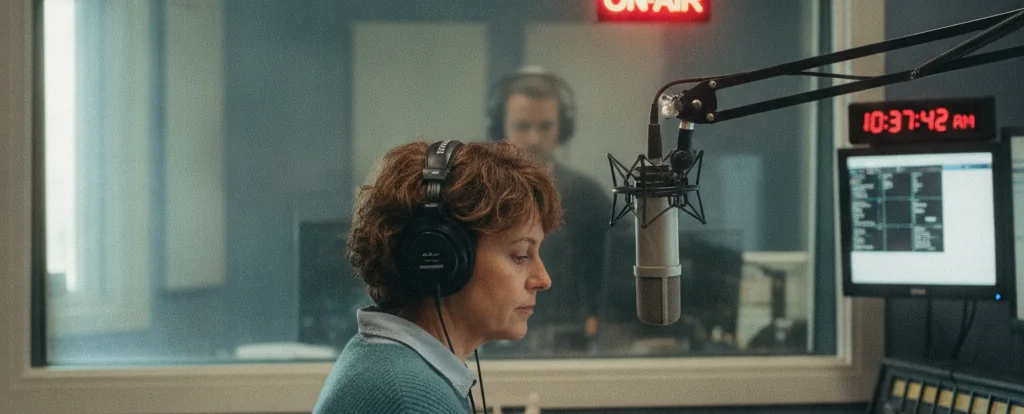
Radio presenters host live and pre-recorded shows, choosing the music or talk content, interviewing guests and keeping a broadcast moving to the second.
- Median salary
- $113,300
4.3%vs last year, before tax
- People employed
- 1,600
0.0%vs last year
- Projected growth
- +18.9%
to 2035
- AI exposure*
- Moderate
- automation risk
- Average hours
- 43/wk
+3h vs all jobs
- Shortage status
- Not in shortage
national
Radio presenters work in studios for commercial, public or community broadcasters, hosting music, talk, news or specialty shows, and often producing their own segments as well. The work goes out live, so it mixes technical studio skills with editorial judgement and quick reactions when a guest or caller goes off script. Unlike a journalist, who researches and writes stories for someone else to present, a presenter's core skill is holding an audience's attention in real time for the length of a shift.
How much do radio presenters earn?
The median full-time salary for a radio presenter is $113,300 per annum, before tax, up $23,900 since 2018.
Pay comes down to the station, the market and the shift. Commercial broadcasters in the largest cities pay most for breakfast and drive, while public and community stations pay less, and community on-air work is often unpaid. Many contracts are fixed-term and tied to ratings, so a presenter's income can shift with each new agreement.
What does a radio presenter do day to day?
The list below is what fills most weeks; the exact mix shifts with seniority and whatever stage the current work is at.
- Prepping links, guest questions and a running order before the studio clock starts
- Going live to air and keeping pace, energy and timing tight down to the second
- Fielding calls, texts and social messages from listeners in real time on air
- Interviewing guests and steering the conversation when it wanders off script
- Reviewing playback and ratings feedback with producers to sharpen the next show
What skills do radio presenters need?
Employers look for content creation and writing, backed by broadcast mixing console fluency and strong written communication.
Specialist skills
- Content creation and writing
Software and tools
- broadcast mixing console
- Adobe Audition
- station automation software
- social media platforms
- microphone and headsets
General skills
- Written communication
- Presenting and data storytelling
- Customer service
- Attention to detail
- Problem solving
- Stakeholder management
Is the job growing?
About 1,600 people work as radio presenters in Australia, and employment is projected to grow 18.9% over the decade to 2035. That's healthy, above-average growth, and the role should stay in solid demand.
How do you become a radio presenter?
Here's the path most radio presenters take, step by step.
- 1Get on air at a community or campus station
Community stations, including the ones run by universities, take on volunteers and give you real broadcast hours while you learn the desk. It's the most common way to build a demo without needing anyone to hire you first.
- 2Study media, communications or audio production
A diploma or bachelor degree covers interviewing, production and media law, and some courses run their own radio training. It isn't strictly required, but it helps when you're competing for a first paid job.
- 3Record an aircheck
A few minutes of you hosting links, reading a news break and handling an interview is what program directors ask for. Keep it recent and specific to the format you're applying for.
- 4Take production or panel work to get inside a station
Panel operators, production assistants and casual announcers cover for presenters who are away, and these roles are how many people get their first paid on-air shift.
- 5Work towards a regular slot
Fill-in shifts, overnight and regional shows lead to a regular timeslot, and moving between stations is normal as you chase a bigger market.
Ready to apply as a radio presenter?
Whether you're working toward becoming a radio presenter or already are one and want a hand with the next step (sharpening your resume for ATS screening, tightening your cover letter, or knowing what you'll actually be asked at interview), here are examples grounded in this specific role, not generic templates.
What jobs can a radio presenter move to?
None of the roles radio presenters typically move into pay more than the role itself. Public Relations Officer is the closest match. If a bigger salary is the goal, moving up into a senior or principal position within the role is usually the faster route than moving sideways.
| Move to | Typical pay change | Overlap | Retraining |
|---|---|---|---|
| Public Relations Officer A radio presenter's communication and audience awareness suit public relations, where media contacts and messaging skills transfer with minimal retraining.Known move | −$6,900 | 62% | minimal |
| Television Presenter A radio presenter's live hosting and microphone skills transfer directly to television presenting, needing only camera familiarity.Known move | −$23,300 | 64% | minimal |
| Journalist Radio presenting builds interviewing, research and storytelling skills that carry straight into journalism with little extra training.Known move | −$23,800 | 62% | minimal |
| Sports Commentator A radio presenter already knows live commentary and microphone technique, so moving into sports commentary needs only sport-specific knowledge. | −$30,100 | 64% | minimal |
| Music Producer A radio presenter's music knowledge and audio ear help in production, but music producing needs substantial studio and composition skills.Known move | −$35,300 | 28% | reskill |
Moves are chosen from Jobs and Skills Australia's Data on Occupation Mobility, which follows income tax records between 2011-12 and 2020-21, together with entry requirements and skill overlap. A known move is one people were seen making in that data. Pay change compares median full-time pay for the two roles.
Who works as a radio presenter?
The typical radio presenter is 41 years old; 72% are men, 54% work full-time, and full-timers average 43 hours a week.
- 41
- Median age
- 28%
- Female share
- 54%
- Full-time
- +3h
- vs all-jobs avg
What's it like being a radio presenter?
The rhythm of the job comes from the shift you present. Breakfast means a very early start and being sharp on air while most of the audience is half asleep, while drive and evenings run late into the night. Presenters carry the mood of their own show, so preparation, personality and a quick recovery when something goes wrong matter as much as voice, and it suits people who think on their feet and enjoy talking to strangers.
What people like
- Your voice reaches people in real time. Talkback calls, texts and social messages arrive while you're on air, so you know within minutes whether a segment is working.
- The craft of a tight show. Hitting the news at exactly the right second, landing a link and getting out on time is a skill you can feel improving week to week.
- Guests and subjects you'd never otherwise meet. Interviewing musicians, athletes, politicians or local characters is part of an ordinary week rather than a special occasion.
- Music at the centre of the job. On music formats you often hear new releases before the audience does, and you get to shape what a city wakes up to.
What people find hard
- Early starts and unsociable shifts. A breakfast show means being in the studio well before dawn, and weekend and public holiday work is normal.
- Ratings decide your future. Audience figures feed directly into contract renewals and timeslot decisions, and a bad survey can move a presenter off a show.
- Short contracts and fill-in work. Many on-air jobs are fixed-term or casual, so income can be uncertain, especially in the first few years.
- The audience follows you home. Social media is part of the job, and presenters cop criticism and abuse online as well as on talkback.
Based on our synthesis of professional-body surveys and public accounts of the role, not first-person verified reviews.
Which industries employ radio presenters?
Information Media and Telecommunications employs the largest share of radio presenters, followed by Arts and Recreation Services.
Top employing industries
- 1Information Media and Telecommunications
- 2Arts and Recreation Services
Ranked by employment share; the source doesn't publish an exact percentage per industry.
| Year 12 or below | 39.2% | |
|---|---|---|
| Bachelor degree | 24.9% | |
| Diploma / Advanced Diploma | 12.5% | |
| Certificate III/IV | 9.8% | |
| Postgraduate | 8.2% |
Will AI replace radio presenters?
This is a moderately exposed job: the preparation and production around a show is increasingly automated, while the on-air work itself is not. Playout and music scheduling software has run stations for years, and generative tools now draft scripts and gather guest research, but none of that replaces a presenter's voice, timing and ability to work a live caller.
Share of typical working time by exposure level
- Presenting live on airReading links, reacting to what just happened and keeping a show moving in real time rests on voice, timing and personality, which automation can't reproduce.40%low
- Interviewing guests and taking talkbackDeciding the next question and handling a caller who goes off script is live judgement work, done while the audience listens.25%low
- Writing scripts, running orders and guest researchDrafting links, summarising background and building a running order is text work that generative tools already handle quickly.20%high
- Editing audio and cutting highlights for social mediaAuto-transcription and clip-finding tools speed this up, but the presenter still chooses which moment is worth posting.15%moderate
Common questions about becoming a radio presenter
Straight answers to the questions people ask most.
How much do radio presenters earn?
Full-time radio presenters earn a median of $113,300 per year before tax. What you're actually paid depends heavily on the station and the shift: commercial stations in large markets pay most for breakfast and drive, while community stations and some regional outlets pay little or nothing for on-air work. Contracts are often fixed-term and linked to ratings, so income can change from year to year.
How do you become a radio presenter?
Most presenters start at a community or campus station, where you can learn the desk and get on-air hours without needing a paid job first. A diploma or degree in media, communications or audio production helps, and so does a short aircheck recording that shows how you sound across a few links and an interview. Casual production work, panel operating and regional announcing are the usual ways into a paid slot.
Are radio presenters in demand?
Radio presenters are currently not in shortage, and employment is projected to grow 18.9% over the decade to 2035 over the decade to 2035. The workforce is small, at about 1,600 people, so the number of openings in any given year stays limited. Community and regional stations are the most likely places to find a first shift.
Will AI replace radio presenters?
The preparation around a show is exposed to AI, while the show itself largely isn't. Automation already runs music logs and scheduled playout, and generative tools now draft scripts, summarise background for guest notes and cut highlights for social media. What they don't do is hold a live audience: voice, timing, wit and the judgement to handle a caller or a guest who goes off script are why people tune in to a particular presenter.
What other jobs can radio presenters move into?
Television presenting and sports commentary use the same live hosting and microphone skills, and median pay in each is $23,300 less and $30,100 less. Public relations ($6,900 less) and journalism ($23,800 less) draw on the research, interviewing and storytelling side of the work and need little retraining. Moving into music production is possible too, but it calls for real studio and composition skills rather than a presenter's skill set.
What are the hours like for a radio presenter?
Average full-time hours are about 43 a week, but the spread matters more than the average. Breakfast presenters are often in the studio before dawn and finish early, drive and evening shifts run late, and weekend and public holiday work is normal. Many early roles are casual or fixed-term, so hours and pay vary from month to month.
Related roles
Not sure this is you? Take the career quiz and get a ranked shortlist of roles that fit how you like to work.