What to wear to an interview
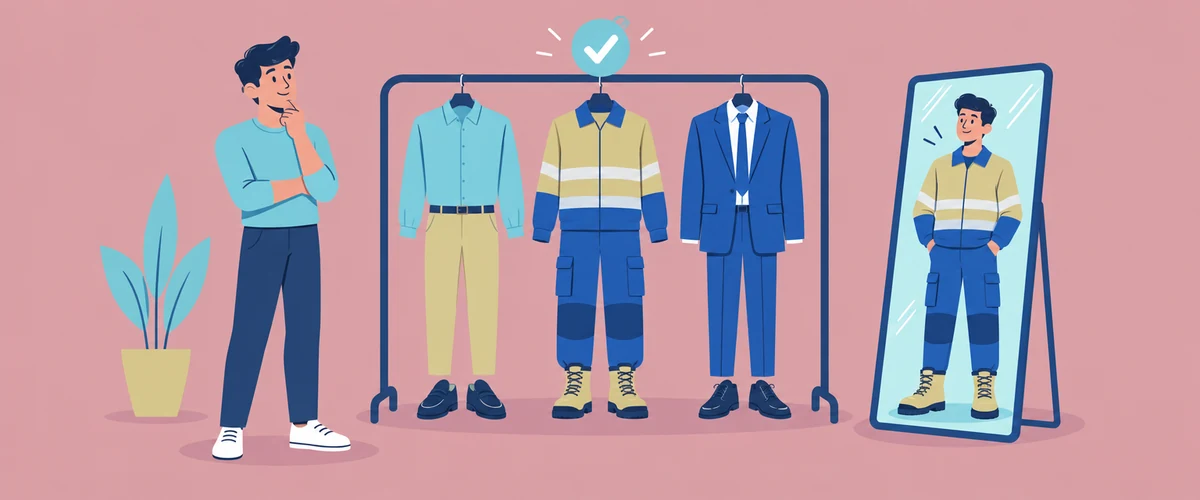
A good rule for most job interviews is to dress a step more formally than the people who already do the job. If the team wears jeans and polo shirts, neat chinos and a collared shirt or a simple dress will look right. If they wear suits every day, wear a suit. Whatever the level, clothes that are clean, fit well and let you sit and move comfortably do more for you than anything expensive or new.
The harder part is knowing what "the job" wears, because that varies a lot between a law firm, a building site and a café. This guide covers how to find out, what usually works in different types of workplace, and what to do when you can't get a clear answer.
Find out what people in the role wear
The simplest way is to ask. When someone contacts you to arrange the interview, you could say, "Is there a dress code I should know about for the day?" It's an ordinary question to ask, and it shows you're taking the interview seriously. It's also worth asking whether the interview includes a site tour, a classroom visit or a trial shift, because that can change what's practical to wear.
If you'd rather not ask, look at how the organisation presents its own staff. Team photos on the company website, LinkedIn posts from employees and the organisation's social media accounts usually show everyday work clothes. For a shop, café or salon, walking past or popping in as a customer a few days beforehand will tell you most of what you need to know.
The job ad can help too. An ad that mentions client meetings, courtrooms or board reporting points towards more formal clothes, while one that talks about site work or a hands-on role suggests something practical.
What usually works in different workplaces
Every employer is different, so treat these as starting points and adjust once you know more about the particular workplace.
- Corporate, finance, law and senior government roles: a suit or tailored trousers or skirt with a jacket. A tie is optional in many offices now, but it's easy to take off if you arrive and nobody else is wearing one. Roles that involve appearing in court or meeting clients tend to stay more formal than back-office ones.
- Office roles in tech, marketing, design and similar fields: smart casual, such as tailored trousers or chinos with a shirt or neat knit, or a dress or skirt with a light jacket you can remove. Creative and design roles often leave more room for personal style, so long as the outfit still looks considered.
- Healthcare, aged care and community services: neat, practical clothes with closed shoes. Keep jewellery simple and fragrance light or absent, because an interview at a hospital or care facility can involve walking through areas with patients or clients.
- Teaching and early childhood education: smart casual you can move in. You may be shown around classrooms or play areas, sit on low chairs or meet children during the visit.
- Trades, construction, manufacturing and mining: clean, tidy clothes that suit the site, such as work trousers or jeans in good condition with a collared shirt. If the interview includes a walk around a worksite, ask beforehand what safety gear you'll need. Sites commonly require enclosed boots, a high-visibility vest and sometimes a hard hat, and the person arranging the interview can tell you whether they'll supply it. Office-based roles in these industries, such as project managers or engineers, usually call for business casual.
- Hospitality and retail: match the style of the venue or brand, pitched a little above what the floor staff wear. For a fashion retailer, wearing clothes in a similar style to what the store sells can show you understand the brand, but you don't need to buy its products to do that.
If the interview includes a trial shift
A trial shift is closer to a day of work than an interview, so dress for the work itself. Ask what to wear and whether a uniform or apron will be provided. In kitchens, cafés and warehouses, enclosed non-slip shoes are usually expected, and it helps to bring something to tie long hair back.
When you can't find out
If you've asked and still aren't sure, smart casual with a jacket is a safe choice for most workplaces. It's easy to make an outfit more relaxed on the day by taking off the jacket or tie, but there's not much you can do if you turn up underdressed. For roles where formality is very likely, such as a bank, a law firm or a senior government position, lean towards a suit.
Getting the details right
Try on the whole outfit a few days before the interview, including shoes. Sit down in it, walk a block and check that nothing gapes, pinches or needs constant adjusting, since you don't want to be thinking about your clothes while you're answering questions. This also leaves time to wash, iron or repair anything that needs it.
Australian weather can work against a formal outfit. On a hot day, you could travel in a lighter layer and put your jacket on just before you arrive, and choose breathable fabrics such as cotton, linen or light wool. If you're catching public transport or walking some distance, allow a few minutes to cool down and tidy up before you go in.
A few small things are worth checking on the morning:
- Shoes that are clean and comfortable enough to walk in
- Nails, hair and any facial hair tidy in whatever style you normally wear
- Fragrance kept light, or skipped altogether
- A bag or folder that holds your resume and phone without bulging
You don't need to buy new clothes. Something you already own that fits well is usually a better choice than a new outfit you haven't worn in. Op shops can be a good source of jackets and trousers, and some charities help with interview clothing directly. For example, Dress for Success provides free interview outfits, including shoes and accessories, to women in several Australian states, and the clothes are theirs to keep.
Video interviews
For a video interview, dress as you would for an in-person interview with the same employer. Wear the full outfit, not only a top half, because you may need to stand up or move to fix a connection problem.
Solid colours usually look better on camera than fine stripes or small checks, which can shimmer on screen. Colours that contrast a little with your background help you stand out from it. Before the interview, open your video app and look at yourself on camera in the lighting you'll actually have, since a colour that looks fine in the mirror can look quite different on a laptop screen.
Religious and cultural dress, disability and gender identity
You don't need to change religious or cultural dress, such as a hijab, turban, kippah or other head covering, to attend an interview. Under the Fair Work Act, job applicants are protected from discrimination because of attributes including religion, race, national extraction, disability, sex and gender identity, and refusing to hire someone because of one of those attributes is discrimination. The Fair Work Ombudsman's page on discrimination at work lists the full set of protected attributes.
There are limits. An employer can set requirements that relate to the necessary requirements of the job, and some genuine safety rules on a worksite may affect what can be worn. If you think a dress requirement might conflict with your religion or a disability, it's reasonable to ask about it when the interview is arranged, so you can work out any practical questions before the day.
The same applies if a disability or health condition affects what you can wear, such as needing particular footwear. You don't have to explain it at the interview unless you choose to. And whatever the dress standard, you can meet it in clothes that match your gender identity.
If you think you've been treated unfairly because of one of these attributes, the Fair Work Ombudsman's Infoline on 13 13 94 can explain your options.
On the day
If you arrive and find you're dressed a little differently from everyone else, carry on. Take off a jacket or tie if that helps you match the room, then turn your attention to the conversation itself. Our guide to preparing for a job interview covers the rest of what to get ready beforehand, including the examples you'll use to answer questions and how to handle the "tell me about yourself" question.
Related articles
How to prepare for a job interview
What to work through before a job interview: a prep sheet built from the job ad, the stories that cover most questions, and the questions an interviewer can't lawfully ask in Australia.
Questions to ask the interviewer
Near the end of most interviews, you'll be asked whether you have any questions. It helps to have two or three ready, chosen because you genuinely want to know the answers.
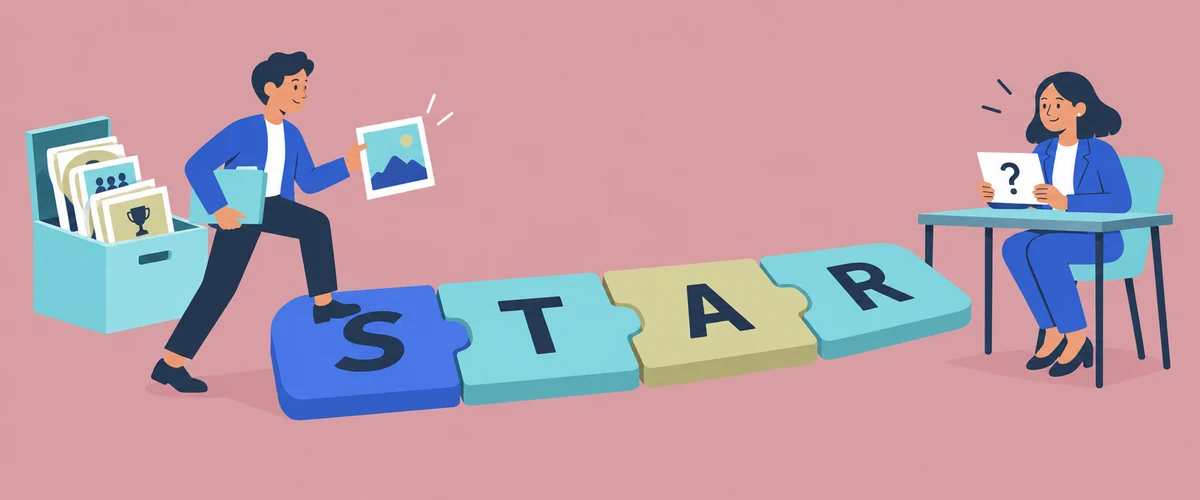
Behavioural interview questions and how to answer them
How to answer behavioural interview questions using STAR, with common questions, what they test, an example answer and tips for follow-up questions.