HomeCoursesAgricultureBachelor degree
Bachelor degree · university
Bachelor of Agriculture
This degree is about growing food and fibre, and running the farms and businesses behind them.
- How long it takes
- 3 years
- full time
- Entry ATAR
- From 45.9
- Lowest offered at La Trobe University, 2026
- How you can study
- Online, on campus or a mix
- Taught by
- 6 providers
- 4 states and territories
Is this course right for you?
What the Bachelor of Agriculture asks of you, and what you might want to check first.
It helps to have
- an interest in farming and the natural world
- a willingness to work outdoors in all weather
- good observation and problem solving skills
- an interest in where food comes from
Before you start
Each provider sets its own entry requirements, so check the ones you are considering.
Where this course can take you
No job needs this course on its own, but it can help with the work below.
Jobs a degree can help with
None of these jobs needs a set qualification.
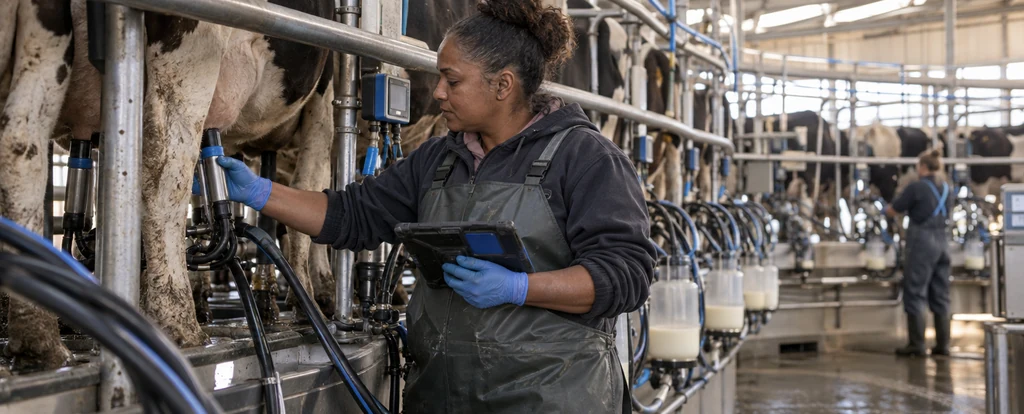
Dairy Farmer
Dairy farmers milk a herd of cattle twice a day and manage the feed, health and breeding that keep it producing.
Median pay$73,800 (estimate)
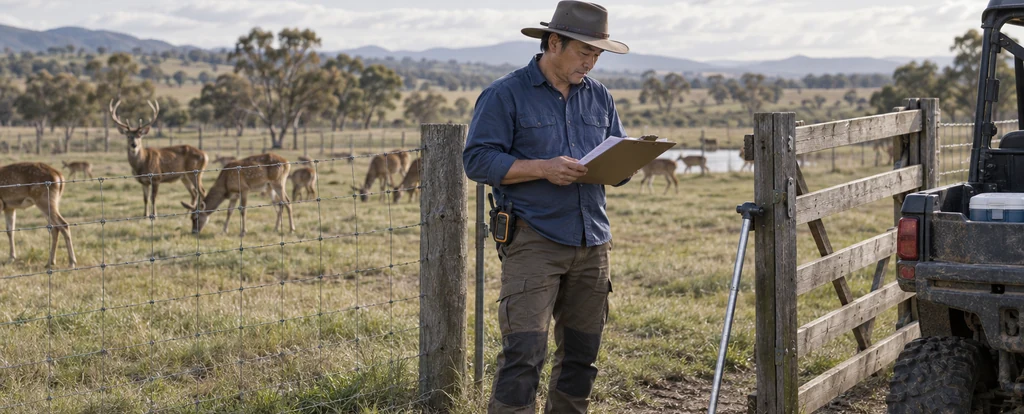
Deer Farmer
Deer farmers run herds of farmed deer for venison, velvet antler and breeding stock, supplying a small, specialised market in Australia and overseas.
Median pay$75,400 (estimate)
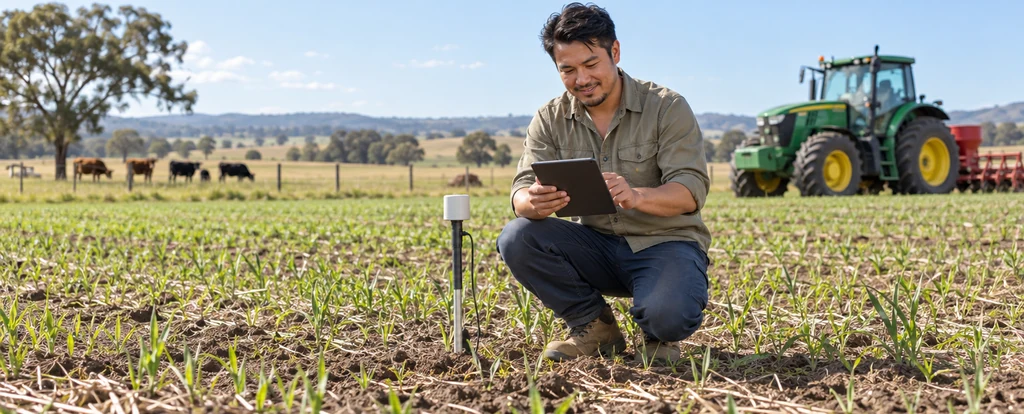
Farmer
Farmers manage land, crops and livestock to produce food, fibre and other farm products for sale.
Median pay$54,600 (estimate)
In demand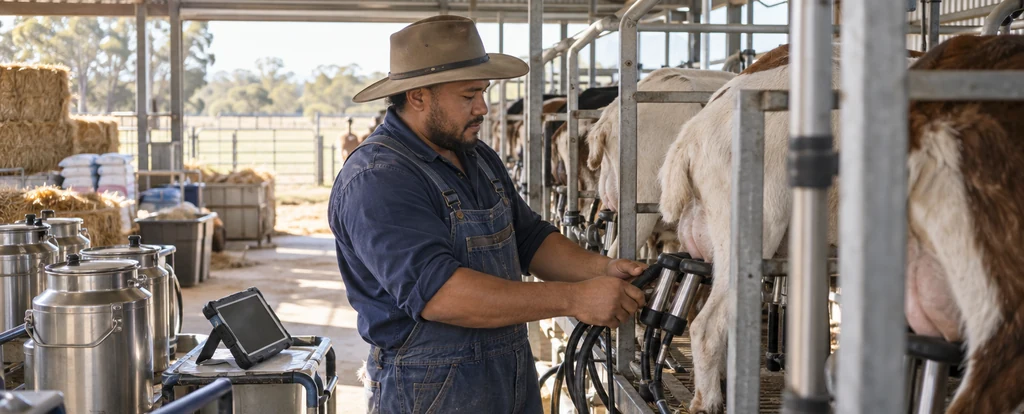
Goat Farmer
Goat farmers breed and raise goats for meat, milk and fibre, supplying dairy processors, meat buyers and textile markets.
Median pay$59,800 (estimate)
Horse Breeder
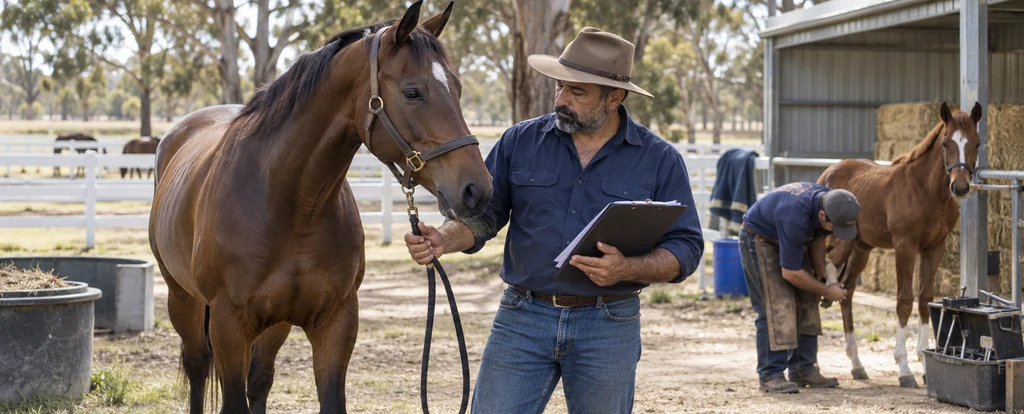
Horse breeders plan matings and raise the foals they produce, supplying racing, equestrian and other breeding operations with young stock.
Median pay$65,000 (estimate)
Pay is the median for everyone in the job, and “In demand” means the job is on the national shortage list. Pay marked as an estimate is our own analysis, not a published figure.
Where you can study this course
There are 6 places you can study this course. When you compare them, check they teach it the way you want to study, how far you'd be from a campus, what it will cost you and what past students say about the teaching and support. They're listed by how often people search for them, and none of them pays to be here or to move up.
- Course page for Charles Sturt University (opens in a new tab)

Charles Sturt University
Wagga Wagga, NSW
4.0from 631 Google reviews
- ATAR
- 55.1 lowest
- (67.1 median, 2024)
- How you study
- Online, on campus or a mix
- (full or part time)
- Website for University of Tasmania (opens in a new tab)

University of Tasmania
Cradle Coast, Hobart, Launceston, TAS
4.2from 775 Google reviews
- How you study
- On campus
- (full or part time)
- Website for La Trobe University (opens in a new tab)
La Trobe University
Albury-Wodonga, Melbourne, VIC
4.3from 1,101 Google reviews
- ATAR
- 45.9 lowest
- (60.7 median, 2026)
- How you study
- On campus
- (full or part time)
- Next intake
- Feb 2027
What students like
- Lecturers are friendly and supportive
What to weigh up
- Admin and support can be slow to respond
- Some find courses light on practical content
- Website for The University of Melbourne (opens in a new tab)

The University of Melbourne
Parkville / Dookie, VIC
4.5from 1,845 Google reviews
- ATAR
- 63.7 lowest
- (72.25 median, 2026)
- How you study
- On campus
- (full or part time)
- Next intake
- Feb 2027
- Website for CQUniversity (opens in a new tab)

CQUniversity
Bundaberg, Emerald, Rockhampton, QLD
4.1from 999 Google reviews
- ATAR
- 56.7 lowest
- (60 median, 2026)
- How you study
- Online or on campus
- (full or part time)
What students like
- Staff are friendly and supportive
What to weigh up
- Enrolment and admin can be slow
- Enquiries can go unanswered
- Website for The University of New England (opens in a new tab)

The University of New England
Armidale, NSW
3.8from 305 Google reviews
- ATAR
- 60.7 lowest
- (70.2 median, 2026)
- How you study
- On campus
- (full or part time)
- Fee
- $9,184 a year
- (Government-supported place)
What you’ll learn
The main topics covered in the Bachelor of Agriculture.
- Crop and livestock systems
- Soils and land management
- Farm business management
- Agricultural technology
- Sustainability and the environment
Questions to ask before you enrol
Providers run this course differently, so the answers change from one to the next.
- When is the next intake, and how many are there each year?
- What is the total cost, including materials, checks and any placement costs?
- Can I study part time or online, and how does that change the length?
- Do the units count towards a higher qualification if I go on to study further?