HomeCoursesEnvironmental scienceBachelor degree
Bachelor degree · university
Bachelor of Environmental Science
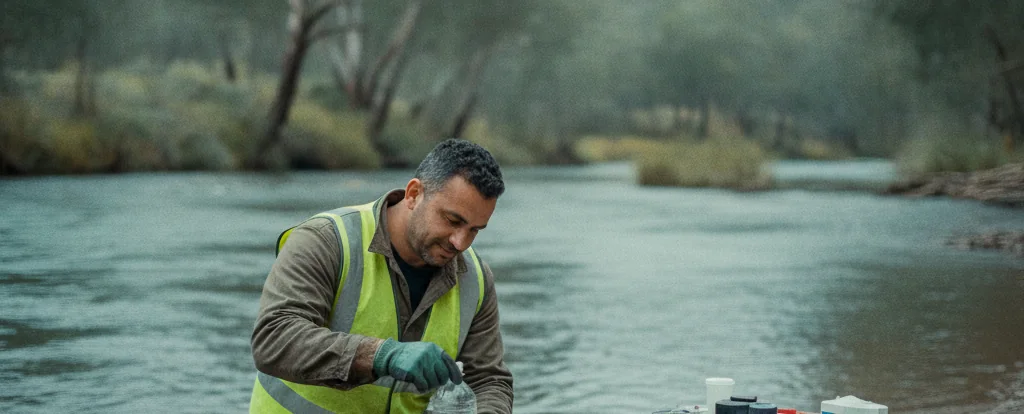
Environmental science examines how natural systems function and what people do to change them.
- How long it takes
- 3 to 4 years
- full time
- Entry ATAR
- From 42.2
- Lowest offered at Federation University Australia, 2026
- How you can study
- Online or on campus
- Leads on to
- Environmental Scientist
- $101,600 median pay
- Taught by
- 11 providers
- 6 states and territories
Is this course right for you?
What the Bachelor of Environmental Science asks of you, and what you might want to check first.
It helps to have
- an interest in the natural environment
- a curious approach to how ecosystems work
- good observation and recording skills
- willingness to work outdoors in different conditions
Before you start
Each provider sets its own entry requirements, so check the ones you are considering.
Where this course can take you
Jobs this qualification is a recognised route into, and the study that can follow it.
Jobs you can do with it
Environmental Scientist
Environmental scientists investigate how human activity affects land, water and air, and use that evidence to guide how a site is managed or developed.
What else you need
Complete the environmental-science degree or named major, including relevant field and analytical training. A broad science award without that major is not implied.
Median pay$101,600
Pay is the median for everyone in the job, and “In demand” means the job is on the national shortage list.
Where you can study this course
There are 11 places you can study this course. When you compare them, check they teach it the way you want to study, how far you'd be from a campus, what it will cost you and what past students say about the teaching and support. They're listed by how often people search for them, and none of them pays to be here or to move up.
- Website for Griffith University (opens in a new tab)

Griffith University
Brisbane South (Nathan), Gold Coast, QLD
4.3from 1,317 Google reviews
- ATAR
- 58.85 lowest
- (65.5 median, 2026)
- How you study
- On campus
- (full or part time)
- Fee
- $8,400 a year
- (Government-supported place)
What students like
- Lecturers and tutors are supportive and approachable
What to weigh up
- Tutors can be slow to reply to emails
- Enrolment and admin can be slow

Charles Darwin University
Casuarina, Casuarina or Online, NT
4.2from 619 Google reviews
- ATAR
- 61.75 lowest
- (64.65 median, 2026)
- How you study
- Online or on campus
- (full or part time)
- Next intake
- Mar 2027
- Website for University of Wollongong (opens in a new tab)

University of Wollongong
Wollongong, NSW
4.3from 747 Google reviews
- ATAR
- 70.55 lowest
- (77.55 median, 2024)
- How you study
- On campus
- (full or part time)
What to weigh up
- Enrolment and admin can be slow
- Course and assessment changes can disrupt study

RMIT University
City, VIC
3.8from 1,757 Google reviews
- ATAR
- 52.7 lowest
- (70.95 median, 2026)
- How you study
- On campus
- (full or part time)
- Next intake
- Feb 2027
Edith Cowan University
Joondalup, WA
4.3from 679 Google reviews
- ATAR
- 61.2 lowest
- (70 median, 2026)
- How you study
- On campus
- (full or part time)
- Next intake
- Feb 2027
- Website for University of Southern Queensland (opens in a new tab)

University of Southern Queensland
Toowoomba, QLD
4.1from 504 Google reviews
- How you study
- Online or on campus
- (full or part time)
- Next intake
- Feb 2027
What to weigh up
- Enrolment and admin can be slow

University of South Australia
Mawson Lakes, SA
4.3from 216 Google reviews
- ATAR
- 61.7 lowest
- (64.3 median, 2024)
- How you study
- On campus
- (full or part time)
- Website for University of the Sunshine Coast (opens in a new tab)

University of the Sunshine Coast
Moreton Bay, Sunshine Coast, QLD
4.5from 591 Google reviews
- ATAR
- 51.8 lowest
- (53.8 median, 2026)
- How you study
- On campus
- (full or part time)
- Next intake
- Jul 2027
- Fee
- $9,536 a year
- (Government-supported place)
What you’ll learn
The main topics covered in the Bachelor of Environmental Science.
- Ecology and biodiversity
- Earth and soil science
- Climate and water systems
- Environmental data analysis
- Fieldwork and laboratory skills
Questions to ask before you enrol
Providers run this course differently, so the answers change from one to the next.
- When is the next intake, and how many are there each year?
- What is the total cost, including materials, checks and any placement costs?
- Can I study part time or online, and how does that change the length?
- Do the units count towards a higher qualification if I go on to study further?
Questions people ask
Who is this qualification for?
This qualification is for people who want to study environmental science at bachelor degree level. It suits adults building knowledge and skills for work in this field.
Do I need experience or other qualifications first?
Entry requirements are set by each provider, so check with the provider you choose before you enrol.