Environmental science courses
The work runs from restoring bushland and controlling pests to scientific and advisory roles. You can start with a certificate that takes under a year, or train as a scientist with a degree. Here's what each leads to, how long it takes and what it costs.
- Quickest way to start
- 8 months
- Certificate III, full time at TAFE NSW
- TAFE cost from
- $2,190
- subsidised Certificate III, TAFE NSW
- What the jobs pay
- $65,000 to $101,600
- median pay across 4 jobs, some estimated
Which course do you need?
It depends on the job you want.
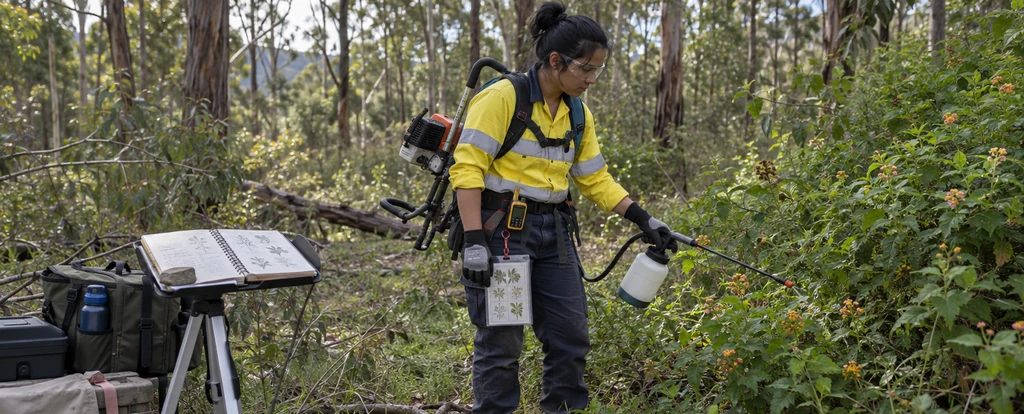
Certificate III in Conservation and Ecosystem Management
Work outdoors restoring bushland and reserves
Clear weeds, plant natives and look after reserves and waterways as part of a field crew.
Median pay$65,000 (estimate)
- How long it takes
- 8 to 24 months full time at TAFE NSW
- What it costs
- $2,190 at TAFE NSW if you're eligible for a subsidised place, or $12,730 full fee
- How you'll study
- Online, on campus or on the job
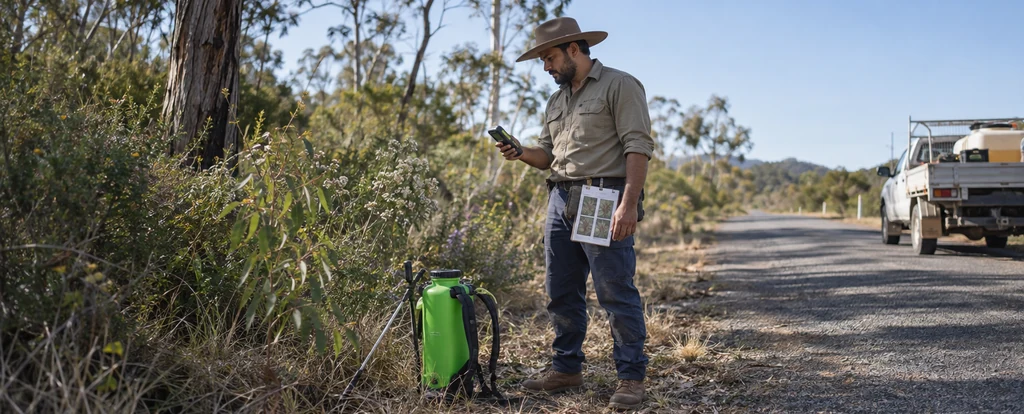
Certificate III in Rural and Environmental Pest Management
Control weeds and pests on farms and reserves
Spot what is damaging the land, choose the right control method and keep the records that go with it.
Median pay$75,400 (estimate)
- How long it takes
- Typically 1 to 2 years
- How you'll study
- Online or on campus
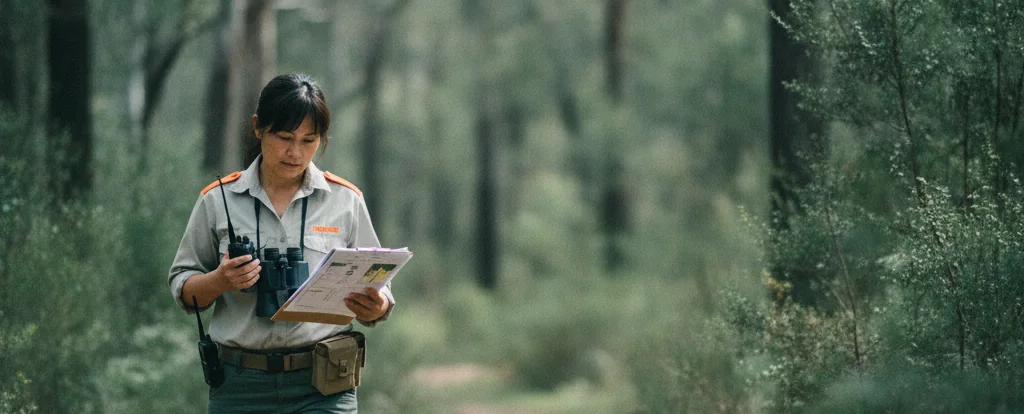
Diploma of Conservation and Ecosystem Management
Look after national parks and reserves
Survey plants and animals, run restoration projects and coordinate the crews and volunteers doing the field work.
JobPark Ranger
Median pay$101,600
- How long it takes
- 18 to 24 months full time at TAFE NSW
- What it costs
- $11,528 at Holmesglen Institute if you're eligible for a subsidised place, or $20,352 full fee
- How you'll study
- Online, on campus or a mix
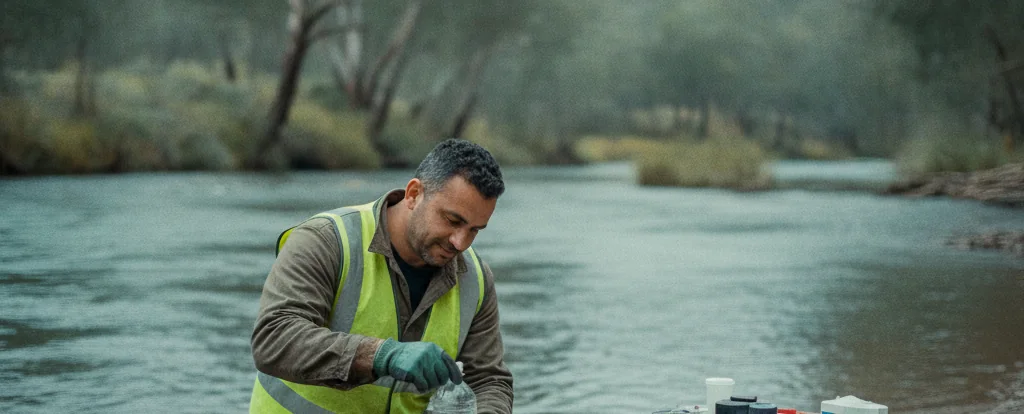
A bachelor degree in environmental science
Work as an environmental scientist
Measure how land, water and air are affected by pollution and development, and advise on what to do about it.
Median pay$101,600
- How long it takes
- 3 to 4 years full time
- How you'll study
- Online, on campus or a mix
You don't have to do it all at once
You can start with a certificate, get work on the ground, and study the next qualification while you work. Here is how that can look.
- Start with a certificateThe Certificate III in conservation and ecosystem management is the quickest way into paid field work.
- Get work on a field crewJoin a council, land council or environmental contractor, working in reserves or on degraded sites.
- Study the diploma while you workIt has no entry requirements and prepares you for ranger and supervisory roles.
- Go on to a science degreeA bachelor degree in environmental science opens up scientific and advisory work.
How much it costs at TAFE
If you're eligible for a government-subsidised place, you pay much less than the full fee, and in some states these courses can be free. Here's what each TAFE lists.
| TAFE | State | Certificate III | Diploma | ||
|---|---|---|---|---|---|
| Subsidised | Full fee | Subsidised | Full fee | ||
| TAFE NSW | NSW | $2,190 | $12,730 | Not listed | Not listed |
| Holmesglen Institute | VIC | Not listed | Not listed | $11,528 | $20,352 |
| TAFE Queensland | QLD | $3,170 | $6,420 | Not listed | $13,790 |
TAFE NSWNSW
- Certificate III
- $2,190 subsidised
- $12,730 full fee
- Diploma
- Not listed
Holmesglen InstituteVIC
- Certificate III
- Not listed
- Diploma
- $11,528 subsidised
- $20,352 full fee
TAFE QueenslandQLD
- Certificate III
- $3,170 subsidised
- $6,420 full fee
- Diploma
- Not listed
- $13,790 full fee
Fees as each TAFE shows them on its website, checked 20 September 2026. “Not listed” means the TAFE doesn't show that fee online. Private colleges set their own fees.
The environmental science degrees compared
All of these can lead to work as an environmental scientist, and all depend on completing an environmental science major with its field and analytical training. The main difference is how much of the degree is science and how much is management. Most can be studied online at one or more universities.
- Bachelor of Environmental ScienceThe broadest option, covering ecosystems, land, soil, water and climate, with electives that tilt towards conservation, land or water. Study includes laboratory and field practice.How long3 to 4 years
- Bachelor of Environmental Science and ManagementThe science of natural environments plus the practice of managing them. Majors and electives let you focus on areas such as conservation or aquatic systems.How long3 years
- Bachelor of Science (Environmental Science)The science-first option. You study how the atmosphere, water and land interact and how pollution, climate change and habitat loss affect them, with fieldwork, laboratory work and data analysis.How long3 years
Other university courses
- Bachelor of Environmental Management3 to 4 years. For students who want to work on how land and resources are used, combining ecosystem science with law, policy and community engagement.
Can help with: aboriginal and torres strait islander ranger
- Undergraduate Certificate in Environmental Studies6 months. A first look at environmental issues, useful if you want to try university study before committing to a degree.
- Bachelor of Outdoor and Environmental Leadership3 years. For people who want to lead groups outdoors and teach others about the natural world. Only a small number of providers teach it.
- Bachelor of Science (Environment)3 years. A science degree focused on ecosystems and how people manage them, with options such as environmental management or earth and climate science.
- Bachelor of Social and Environmental Sustainability3 years. For those drawn to policy and communities rather than field science, looking at how human needs are balanced against ecological limits.
Jobs you can do with this study
Pay is the median for everyone in the job, not a starting salary.
- Environmental ScientistWhat you needAn environmental science degreeMedian pay$101,600
- Bush RegeneratorWhat you needCertificate IIIMedian pay$65,000 (estimate)
- Weeds OfficerWhat you needCertificate IIIMedian pay$75,400 (estimate)
- Park RangerWhat you needDiplomaMedian pay$101,600
“In demand” means the job is on the national skills shortage list. Pay marked as an estimate is our own analysis, not a published figure. Check the course and provider are approved for the work you want, as rules differ by state.
Still not sure which one fits you?
Answer a few quick questions about your time, state and budget, and we'll show the courses that suit you.