HomeCoursesAgricultureCertificate II
Certificate II · national qualification
Certificate II in Agriculture
This is a starting point for anyone who wants to work on a farm or station without previous experience, and there are no entry requirements.
- How long it takes
- 1 year
- full time at TAFE NSW
- What it costs
- From $1,120
- Subsidised at TAFE NSW, full fee up to $7,500
- How you can study
- Online, on campus or on the job
- Taught by
- 21 providers
- Every state and territory
Is this course right for you?
What the Certificate II in Agriculture asks of you, and what you might want to check first.
It helps to have
- a willingness to work outdoors in all kinds of weather
- an interest in animals, crops and the land
- the ability to follow instructions and stick to routines
- good communication skills for working alongside others
Before you start
There are no entry requirements for this qualification.
Certificate II or Certificate III?
Certificate III in Agriculture is the higher level. This Certificate II covers routine tasks under supervision where the work is predictable and structured with limited judgement requirements. Certificate III may involve more advanced skills, but the details are not given here.
See the courseWhere this course can take you
No job needs this course on its own, but it can help with the work below.
Jobs this course can help with
None of these jobs needs a set qualification.
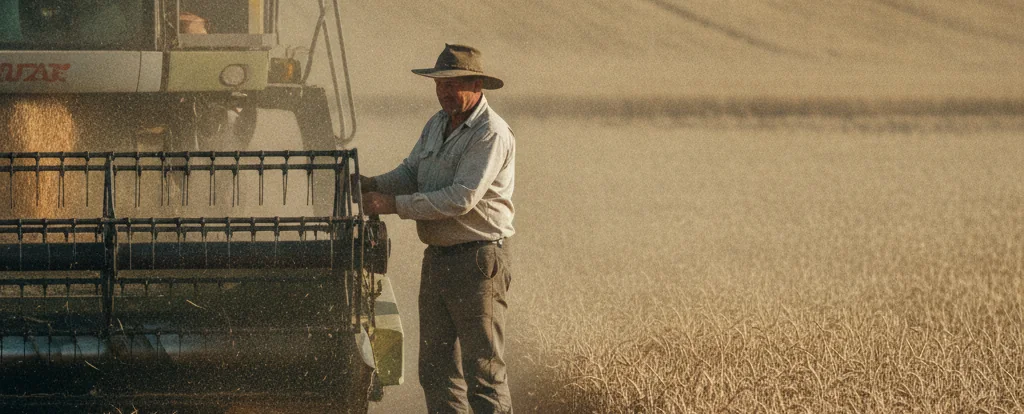
Farm Worker
Farm workers do the practical work that keeps a cropping or livestock property going, from planting and harvesting to feeding, moving and checking stock.
Median pay$49,300 (estimate)
In demand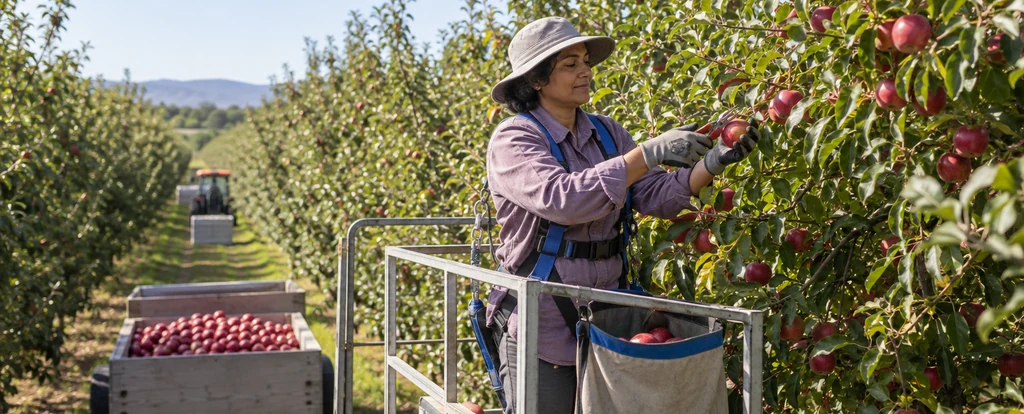
Fruit Picker
Fruit pickers harvest ripe fruit by hand and get it packed and off to markets, supermarkets and processors before it spoils.
Median pay$49,900 (estimate)
In demand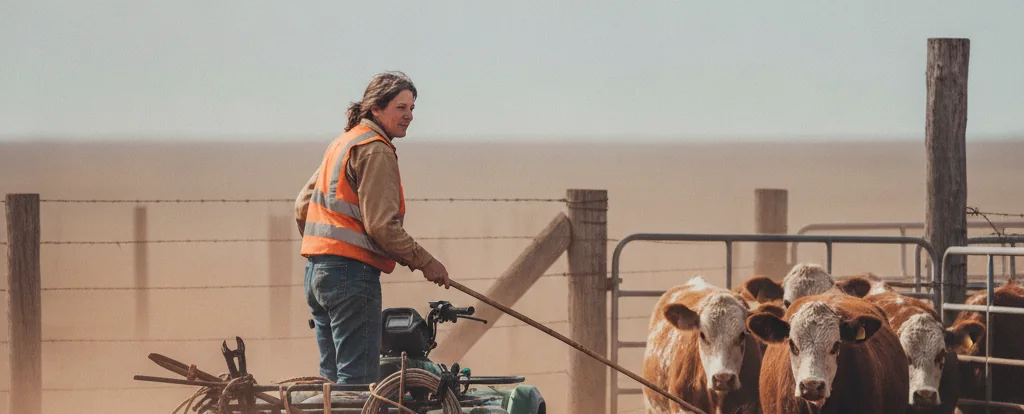
Station Hand
Station hands do the daily physical work of running a livestock property, from mustering and feeding stock to fixing fences and machinery.
Median pay$49,300 (estimate)
If you study further
Pay is the median for everyone in the job, and “In demand” means the job is on the national shortage list. Pay marked as an estimate is our own analysis, not a published figure.
What it costs
Subsidised place
From $1,120
at TAFE NSW. Whether you get a subsidised place depends on your state, residency, age and earlier study.
Paying the full fee
$6,939 to $7,500
across the TAFEs listed below. Private providers set their own fees.
| TAFE | State | Subsidised | Concession | Full fee | How long |
|---|---|---|---|---|---|
| TAFE NSW | NSW | $1,120 | $160 | $7,500 | 1 year |
| GOTAFE | VIC | $2,349 | $470 | $6,939 |
TAFE NSWNSW
- Subsidised
- $1,120
- Concession
- $160
- Full fee
- $7,500
- How long
- 1 year
GOTAFEVIC
- Subsidised
- $2,349
- Concession
- $470
- Full fee
- $6,939
Fees as each TAFE shows them on its website, read 20 September 2026. Private providers set their own fees.
Where you can study this course
There are 21 places you can study this course. When you compare them, check they teach it the way you want to study, how far you'd be from a campus, what it will cost you and what past students say about the teaching and support. They're listed by how often people search for them, and none of them pays to be here or to move up.
- Website for Melbourne Polytechnic (opens in a new tab)
Melbourne Polytechnic
13 campuses, VIC
3.7from 485 Google reviews
What students like
- Some teachers are supportive and go out of their way
- Student services offer understanding and compassion
What to weigh up
- Messages to staff can go unanswered
- Enrolment mistakes can take time to fix
- Course page for TAFE NSW (opens in a new tab)

TAFE NSW
Goulburn Campus, NSW
4.0from 2,410 Google reviews
- How you study
- On campus
- How long
- 1 year
- Fee
- From $1,120 subsidised
What students like
- Teachers are supportive and ready to help
- Staff are helpful and friendly
- Course content is practical and industry relevant
What to weigh up
- Enrolment and admin can be slow
- Some find front desk staff less helpful
- Website for Charles Darwin University (opens in a new tab)

Charles Darwin University
12 campuses, NSW, NT
4.2from 619 Google reviews
What students like
- Admin and support staff are helpful
What to weigh up
- Units vary depending on the lecturer
- Feedback on assessments can vary
- Website for TAFE Gippsland (opens in a new tab)

TAFE Gippsland
11 campuses, VIC
3.9from 113 Google reviews
- Course page for TAFE Queensland (opens in a new tab)

TAFE Queensland
4 campuses, QLD
4.1from 2,040 Google reviews
What students like
- Teachers are helpful and supportive
What to weigh up
- Poor communication from admin
- Website for TAFE SA (opens in a new tab)

TAFE SA
26 campuses, SA
4.4from 1,339 Google reviews
What students like
- Lecturers are nice and helpful
What to weigh up
- Enrolment and admin can be slow
- Course information can be unclear
- Website for Federation University Australia (opens in a new tab)

Federation University Australia
23 campuses, NSW, VIC
4.2from 562 Google reviews
What students like
- Teaching and resources are high quality
- Friendships and classmates make study memorable
What to weigh up
- Admissions can be slow
- Poor communication with students
- Learning support can be slow to follow through
- Course page for gotafe (opens in a new tab)

gotafe
Shepparton - William Orr, VIC
4.3from 72 Google reviews
- How you study
- Online
- Fee
- From $2,349 subsidised
What you’ll learn
16 units: 4 that everyone takes and 12 you choose.
- Farm safety and hazard checks
- Sustainable work practices
- Working in an agriculture team
- On-farm communication
- Following routine work instructions
See all 4 core units
Core units
Everyone completes these. Select a unit to see what it covers.
Loading the details for AHCWHS202…
Loading the details for AHCWHS202…
Questions to ask before you enrol
Providers run this course differently, so the answers change from one to the next.
- When is the next intake, and how many are there each year?
- What is the total cost, including materials, checks and any placement costs?
- Can I study part time or online, and how does that change the length?
- Do the units count towards a higher qualification if I go on to study further?
Questions people ask
Who is this qualification for?
It is a starting point for anyone who wants to work on a farm or station without previous experience, including school students and people moving into agriculture for the first time. The work is routine and supervised, with predictable and structured tasks. It leads to roles such as assistant farm hand, jackaroo or jillaroo, and farm machinery worker.
Do I need experience or other qualifications first?
There are no entry requirements for this qualification. Individual providers can set their own conditions, so check with the provider you choose.
How is it different from Certificate III in Agriculture?
Certificate III in Agriculture is the higher level. This Certificate II covers routine tasks under supervision where the work is predictable and structured with limited judgement requirements. Certificate III may involve more advanced skills, but the details are not given here.