HomeCoursesAquacultureCertificate III
Certificate III · national qualification
Certificate III in Aquaculture
This qualification prepares you to work on the water or in a tank room, looking after farmed fish, shellfish and other aquatic stock.
- How long it takes
- 1 to 2 years
- typical for this level
- How you can study
- On campus
- Main job
- Aquaculture Worker
- $65,000 (estimate) median pay, In demand
- Taught by
- 7 providers
- 5 states and territories
Is this course right for you?
What the Certificate III in Aquaculture asks of you, and what you might want to check first.
It helps to have
- an interest in caring for fish and aquatic stock
- a willingness to work outdoors on the water
- good attention to detail when checking water quality
- an understanding of safe work practices
Before you start
There are no entry requirements for this qualification.
Certificate III or Diploma?
The Diploma of Aquaculture is a higher level qualification. This Certificate III reflects the role of aquaculture attendants or technicians who handle stock, maintain water quality and monitor conditions.
See the courseWhere this course can take you
Jobs this qualification is a recognised route into, and the study that can follow it.
Jobs you can do with it
Aquaculture Worker
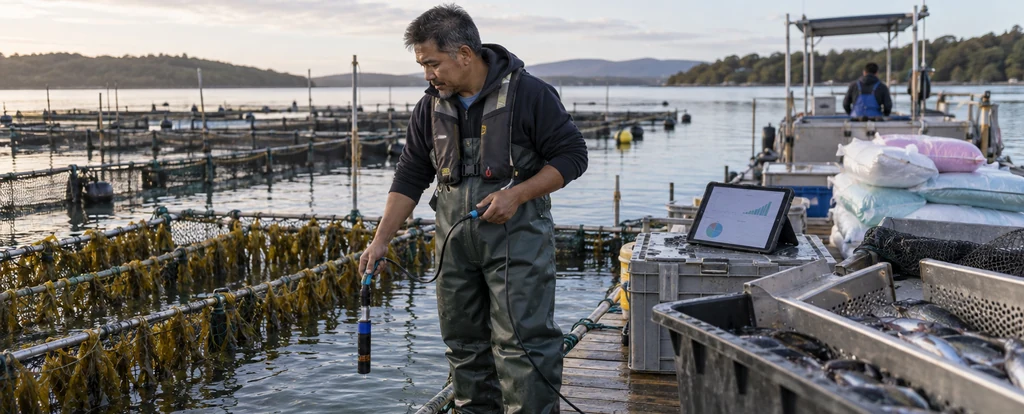
Aquaculture workers breed, feed and harvest fish, shellfish and seaweed on farms in coastal and inland waters.
What else you need
Aquatic-stock care and monitoring. Diving, vessel operation and licensed elective activities require their own authorisations.
Median pay$65,000 (estimate)
In demand
If you study further
Diploma of Aquaculture
Leads to work as an, median pay $81,100 (estimate).
Pay is the median for everyone in the job, and “In demand” means the job is on the national shortage list. Pay marked as an estimate is our own analysis, not a published figure.
Where you can study this course
There are 7 places you can study this course. When you compare them, check they teach it the way you want to study, how far you'd be from a campus, what it will cost you and what past students say about the teaching and support. They're listed by how often people search for them, and none of them pays to be here or to move up.
- Website for Charles Darwin University (opens in a new tab)

Charles Darwin University
12 campuses, NSW, NT
4.2from 619 Google reviews
What students like
- Admin and support staff are helpful
What to weigh up
- Units vary depending on the lecturer
- Feedback on assessments can vary
- Website for TAFE SA (opens in a new tab)

TAFE SA
26 campuses, SA
4.4from 1,339 Google reviews
What students like
- Lecturers are nice and helpful
What to weigh up
- Enrolment and admin can be slow
- Course information can be unclear
- Course page for Central Regional TAFE (opens in a new tab)
Central Regional TAFE
Batavia Coast Maritime Institute, WA
4.3from 16 Google reviews
- How you study
- On campus
- Course page for South Metropolitan TAFE (opens in a new tab)
South Metropolitan TAFE
Fremantle, WA
3.9from 617 Google reviews
- How you study
- On campus
What students like
- Lecturers are friendly and genuinely care about students
- Courses help students learn new skills
What to weigh up
- Phone calls and enquiries can go unanswered
- Website for North Regional TAFE (opens in a new tab)
North Regional TAFE
WA
- Website for TAFE International Western Australia (opens in a new tab)

TAFE International Western Australia
TAFE International Western Australia, WA
3.6from 93 Google reviews
What students like
- Staff are friendly, patient and helpful
What to weigh up
- Enrolment and admin can be slow
- Communication can be inconsistent
- Website for Envirotech Education (opens in a new tab)

Envirotech Education
Envirotech Education, QLD
3.7from 108 Google reviews
What students like
- Trainers are supportive, knowledgeable and encouraging
- Practical training gives hands on experience
What you’ll learn
16 units: 3 that everyone takes and 13 you choose.
- Feeding and handling aquatic stock
- Water quality and monitoring
- Recognising signs of disease
- Workplace health and safety
- Working in the seafood industry
- Biosecurity and environmental compliance
See all 3 core units
Core units
Everyone completes these. Select a unit to see what it covers.
Loading the details for SFIBIO301…
Loading the details for SFIBIO301…
Questions to ask before you enrol
Providers run this course differently, so the answers change from one to the next.
- When is the next intake, and how many are there each year?
- What is the total cost, including materials, checks and any placement costs?
- Can I study part time or online, and how does that change the length?
- Do the units count towards a higher qualification if I go on to study further?
Questions people ask
Who is this qualification for?
It prepares you to work as an aquaculture attendant or technician, caring for aquatic stock on farms, at hatcheries, or in aquarium and live holding facilities. You handle stock, maintain water quality and monitor conditions, and may perform dives or vessel operations.
Do I need experience or other qualifications first?
The qualification itself has no entry requirements. Individual providers can set their own conditions, so check with the provider you choose.
How is it different from the Diploma of Aquaculture?
The Diploma of Aquaculture is a higher level qualification. This Certificate III reflects the role of aquaculture attendants or technicians who handle stock, maintain water quality and monitor conditions.
How is it different from the Certificate II in Aquaculture?
The Certificate III in Aquaculture is the higher level qualification. It prepares you to work as an aquaculture attendant or technician, handling stock, maintaining water quality and monitoring conditions.