Aquaculture courses
Farming fish and shellfish starts with a certificate you can do while you work, or you can study a diploma to run a farm or hatchery. Here's what each course leads to, how long it takes and what it costs.
- Quickest way to start
- 6 months
- Certificate II, typical full time length
- What the jobs pay
- $65,000 to $81,100
- median pay across 2 jobs, some estimated
- Demand
- 1 of 2 jobs
- are on the national shortage list
Which course do you need?
It depends on the job you want.
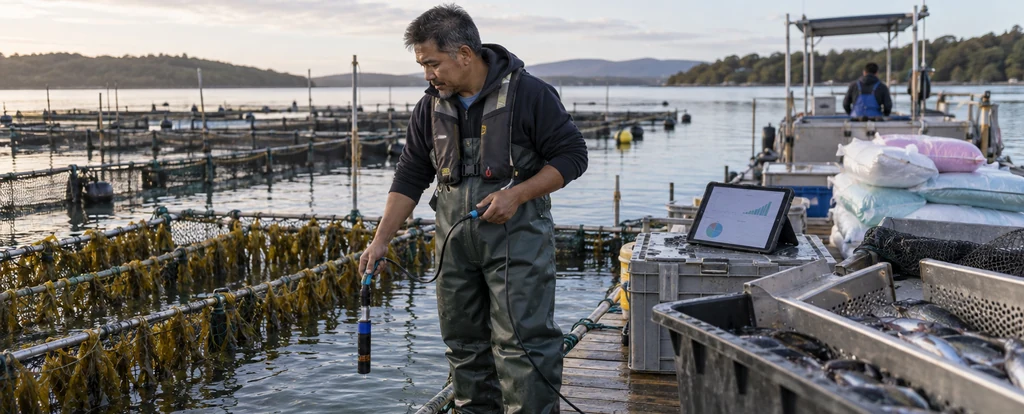
A certificate in aquaculture
Work on a fish or shellfish farm
Feed and handle fish and shellfish, keep water quality in range and watch for early signs of disease.
Median pay$65,000 (estimate)
- How long it takes
- 6 to 24 months full time
- How you'll study
- Online or on campus
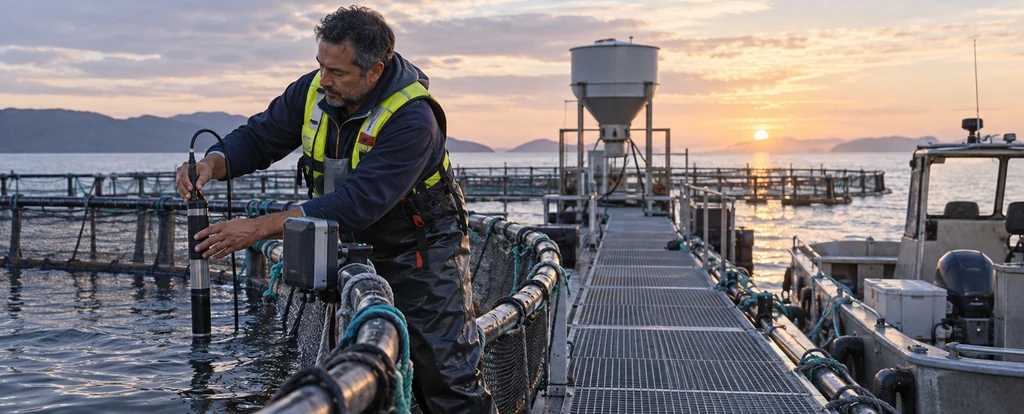
Diploma of Aquaculture
Run a farm, hatchery or holding facility
Plan the daily operations, manage biosecurity risks and keep the business compliant.
Median pay$81,100 (estimate)
- How long it takes
- Typically 1 to 2 years
- How you'll study
- On campus
You don't have to do it all at once
Many people start on a farm or in a hatchery with a certificate, then study the diploma while they keep working. Here's how that can look.
- Start with a certificateThe Certificate II or III gets you into daily work with stock, feeding, water quality and biosecurity.
- Build experience on the waterLearn the routines of a farm, hatchery or live holding facility, with much of the training done on the job.
- Study the diploma while you workTake on planning, compliance and biosecurity responsibilities, and move towards managing an operation.
The aquaculture certificates compared
Both certificates prepare you for hands on work with farmed fish and shellfish, and both can be done while you are employed. They differ in how much responsibility they prepare you for. Some can be studied online at one or more providers.
- Certificate II in AquacultureEntry level training for aquaculture attendants. Covers feeding and handling stock, cleaning tanks and equipment, checking water conditions and recording what you see.How long6 to 12 monthsWork you're ready forEntry level attendant work
- Certificate III in AquacultureTrains you to work on the water or in a tank room: feeding and handling stock, keeping water quality in range and spotting disease or pests early. Much of it happens on the job.How long1 to 2 yearsWork you're ready forSkilled work on the water or in a tank room
Jobs you can do with this study
Pay is the median for everyone in the job, not a starting salary.
- Aquaculture WorkerWhat you needA certificate in aquacultureMedian pay$65,000 (estimate)In demand
- Aquaculture FarmerWhat you needDiplomaMedian pay$81,100 (estimate)
“In demand” means the job is on the national skills shortage list. Pay marked as an estimate is our own analysis, not a published figure. Check the course and provider are approved for the work you want, as rules differ by state.
Still not sure which one fits you?
Answer a few quick questions about your time, state and budget, and we'll show the courses that suit you.