HomeCoursesAgricultureCertificate III
Certificate III · national qualification
Certificate III in Rural and Environmental Pest Management
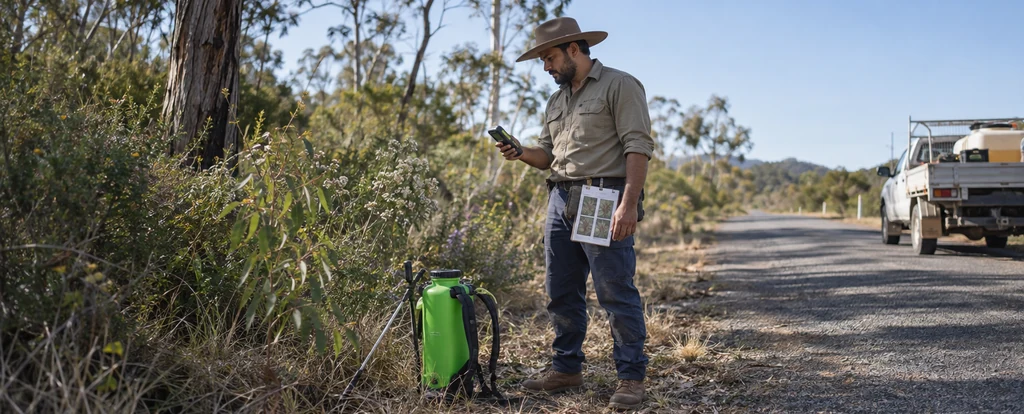
This qualification trains people to control weeds, pests and vertebrate animals such as rabbits, foxes and feral pigs on farms, conservation reserves and horticultural land.
- How long it takes
- 1 to 2 years
- typical for this level
- How you can study
- Online or on campus
- Main job
- Weeds Officer
- $75,400 (estimate) median pay
- Taught by
- 2 providers
- Every state and territory
Is this course right for you?
What the Certificate III in Rural and Environmental Pest Management asks of you, and what you might want to check first.
It helps to have
- an interest in working outdoors with plants and animals
- a careful approach to handling chemicals safely
- good observation skills for spotting pest damage
- an ability to keep clear and accurate records
Before you start
There are no entry requirements for this qualification.
Where this course can take you
Jobs this qualification is a recognised route into, and the study that can follow it.
Jobs you can do with it
Weeds Officer
Weeds officers survey land for invasive plants, run the control programs that follow, and work with landholders to stop declared weeds spreading.
What else you need
This certificate prepares people for weed management field officer work. The award alone does not confer any chemical or pesticide licence, so check the licensing rules in your state and the provider's details.
Median pay$75,400 (estimate)
If you study further
Pay is the median for everyone in the job, and “In demand” means the job is on the national shortage list. Pay marked as an estimate is our own analysis, not a published figure.
Where you can study this course
There are 2 places you can study this course. When you compare them, check they teach it the way you want to study, how far you'd be from a campus, what it will cost you and what past students say about the teaching and support. They're listed by how often people search for them, and none of them pays to be here or to move up.
- Course page for Central Regional TAFE (opens in a new tab)
Central Regional TAFE
Carnarvon, WA
4.3from 16 Google reviews
- How you study
- Online or on campus
- Website for Ballistic Training Solutions (opens in a new tab)

Ballistic Training Solutions
What you’ll learn
14 units: 6 that everyone takes and 8 you choose.
- Safe handling of chemicals
- Spraying weeds and pests
- Choosing control techniques
- Planning pest programs
- Recording and reporting
- Field safety and risk
See all 6 core units
Core units
Everyone completes these. Select a unit to see what it covers.
Loading the details for AHCCHM304…
Loading the details for AHCCHM304…
Questions to ask before you enrol
Providers run this course differently, so the answers change from one to the next.
- When is the next intake, and how many are there each year?
- What is the total cost, including materials, checks and any placement costs?
- Can I study part time or online, and how does that change the length?
- Do the units count towards a higher qualification if I go on to study further?
Questions people ask
Who is this qualification for?
It suits people who want to control weeds, pests and vertebrate animals such as rabbits, foxes and feral pigs on farms, conservation reserves and horticultural land. You learn to identify the cause of damage, choose a control technique, and plan and run a management program.
Do I need experience or other qualifications first?
There are no entry requirements for this qualification. Individual providers can set their own conditions, so check with the provider you choose.
Is a licence, registration or check required to work in this area?
Some states and territories require a licence or certification for the chemical spraying side of the job, and state or territory licensing, legislative or certification requirements apply in some jurisdictions. Check the rules where you intend to work.