HomeCoursesSecurity and investigationCertificate III
Certificate III · national qualification
Certificate III in Security Operations
This qualification is for licensed security officers who want to take on more responsibility, including leading a team in the field.
- How long it takes
- 1 to 2 years
- typical for this level
- Main job
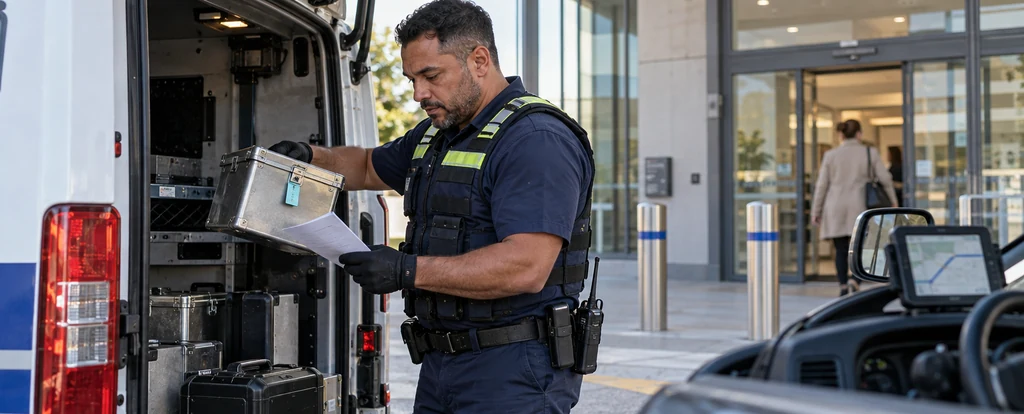
- Cash in Transit Officer
- $62,400 (estimate) median pay
- Taught by
- 4 providers
- VIC, QLD
Is this course right for you?
What the Certificate III in Security Operations asks of you, and what you might want to check first.
It helps to have
- an interest in keeping people and property safe
- good communication skills
- the ability to stay calm under pressure
- a willingness to take on responsibility
Before you start
Must hold a current Security Officers licensing in the relevant jurisdiction.
Certificate III or Certificate II?
Certificate III in Security Operations is the higher level. It prepares you to lead security teams in the field, operate under limited supervision and take limited responsibility for others' work.
See the courseWhere this course can take you
Jobs this qualification is a recognised route into, and the study that can follow it.
Jobs you can do with it
Cash in Transit Officer
Cash in transit officers move cash and valuables between banks, retailers and ATMs, and their visible presence is part of what deters robbery.
What else you need
In Victoria the cash-in-transit licence requires the Certificate III in Security Operations (Cash-in-Transit) and is conditional entry. The award alone does not confer a licence: you must apply to the licensing authority and meet its eligibility rules. Other states have their own requirements, so check yours.
Median pay$62,400 (estimate)
Pay is the median for everyone in the job, and “In demand” means the job is on the national shortage list. Pay marked as an estimate is our own analysis, not a published figure.
Where you can study this course
There are 4 places you can study this course. When you compare them, check they teach it the way you want to study, how far you'd be from a campus, what it will cost you and what past students say about the teaching and support. They're listed by how often people search for them, and none of them pays to be here or to move up.
- Website for TAFE Gippsland (opens in a new tab)

TAFE Gippsland
11 campuses, VIC
3.9from 113 Google reviews
- Website for Australian Training Institute (opens in a new tab)

Australian Training Institute
Australian Training Institute (ATI) - RTO 30200, QLD
4.9from 770 Google reviews
What students like
- Trainers are knowledgeable, engaging and explain things clearly
- Staff are helpful and friendly
- Course content is clear and easy to follow
- Website for PM Squared (opens in a new tab)
PM Squared
PM Squared, QLD
4.9from 132 Google reviews
What students like
- Trainers are friendly and helpful throughout the course
- Website for Bendigo Regional Institute of TAFE (opens in a new tab)

Bendigo Regional Institute of TAFE
Bendigo TAFE Library, VIC
5.0from 1 Google reviews
What you’ll learn
14 units: 8 that everyone takes and 6 you choose.
- Leading a security team
- Managing conflict and negotiation
- Responding to security risks
- Crowd and individual behaviour
- Client security services
- Security information and reporting
See all 8 core units
Core units
Everyone completes these. Select a unit to see what it covers.
Loading the details for BSBFLM312…
Loading the details for BSBFLM312…
Questions to ask before you enrol
Providers run this course differently, so the answers change from one to the next.
- When is the next intake, and how many are there each year?
- What is the total cost, including materials, checks and any placement costs?
- Can I study part time or online, and how does that change the length?
- Do the units count towards a higher qualification if I go on to study further?
Questions people ask
Who is this qualification for?
It is for licensed security officers who want more responsibility, including leading a team in the field. It suits people already working in the industry, and leads to roles such as cash in transit officer, loss prevention officer, security guard, security monitoring operator and security screening officer.
Do I need experience or other qualifications first?
You must hold a current Security Officers licence in the relevant jurisdiction to enrol. Individual providers can set their own conditions, so check with the provider you choose.
How is it different from Certificate II in Security Operations?
Certificate III in Security Operations is the higher level. It prepares you to lead security teams in the field, operate under limited supervision and take limited responsibility for others' work.