HomeCoursesLaboratory scienceDiploma
Diploma · national qualification
Diploma of Laboratory Technology
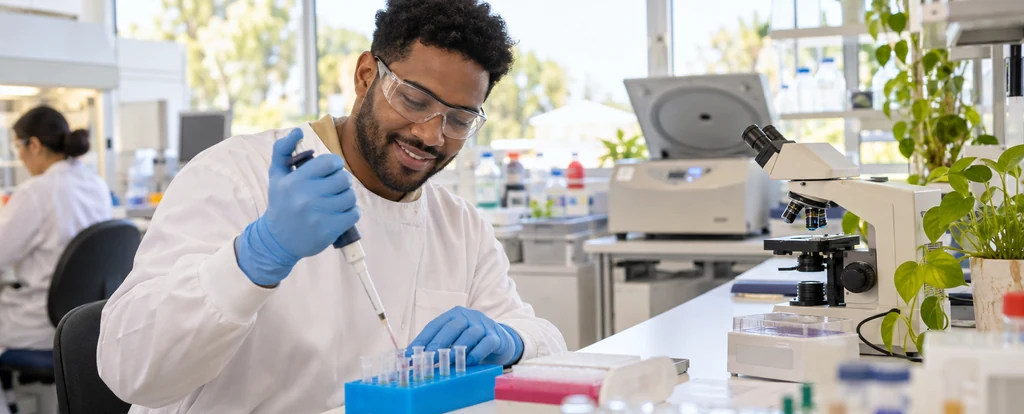
This diploma prepares you to carry out scientific and technical testing in a laboratory, from routine sample work through to complex tests where the sample is unusual or the instrument has many settings to manage.
- How long it takes
- 6 to 12 months
- full time at TAFE NSW
- How you can study
- Online or on campus
- Main job
- Laboratory Technician
- $93,300 median pay
- Taught by
- 12 providers
- 6 states and territories
Is this course right for you?
What the Diploma of Laboratory Technology asks of you, and what you might want to check first.
It helps to have
- an interest in scientific testing and accurate results
- patience for careful, step by step laboratory work
- confidence with specialised instruments and their settings
- a knack for spotting when a sample or result looks wrong
Before you start
Entry to this qualification is open to individuals who: hold a Certificate IV in Laboratory Techniques OR hold a Certificate IV or higher-level qualification in a science, technology, engineering or mathematics (STEM) discipline OR can provide evidence of technical laboratory skills, knowledge and employment experience.
Diploma or a related qualification?
There are no related qualifications at other levels with the same subject.
Where this course can take you
Jobs this qualification is a recognised route into, and the study that can follow it.
Jobs you can do with it
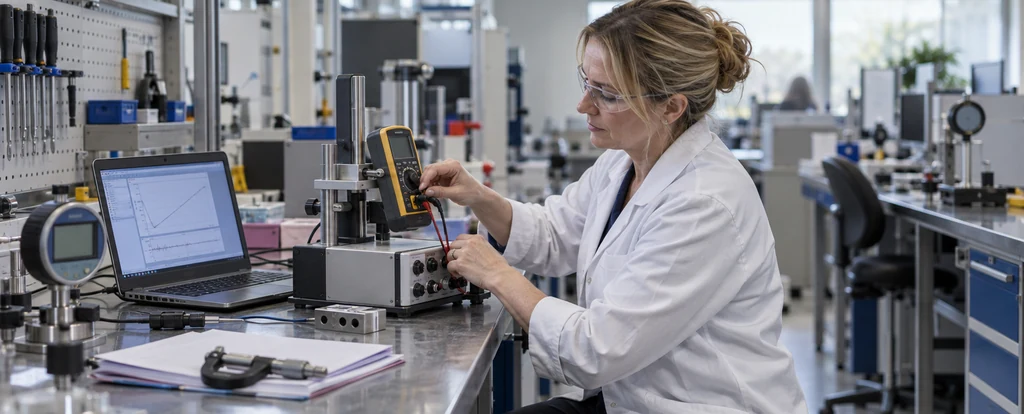
Calibration Technician
Calibration technicians check, adjust and certify measuring instruments so the readings that laboratories, factories and utilities rely on stay accurate.
What else you need
This diploma includes calibration units and graduates go into calibration technician roles. The award alone does not confer any licence or accreditation, so check the provider's entry requirements.
Median pay$75,400 (estimate)
Laboratory Technician
Laboratory technicians prepare and test biological, chemical or environmental samples, then record the results that scientists, clinicians and regulators rely on.
What else you need
Laboratory technical roles are open to graduates of this diploma, and the specialisation (chemistry, pathology or food) should match the employer's laboratory. The award alone does not guarantee a position; check the provider's specialisations.
Median pay$93,300
Pay is the median for everyone in the job, and “In demand” means the job is on the national shortage list. Pay marked as an estimate is our own analysis, not a published figure.
Where you can study this course
There are 12 places you can study this course. When you compare them, check they teach it the way you want to study, how far you'd be from a campus, what it will cost you and what past students say about the teaching and support. They're listed by how often people search for them, and none of them pays to be here or to move up.
- Course page for TAFE NSW (opens in a new tab)

TAFE NSW
3 campuses, NSW
4.0from 2,410 Google reviews
- How you study
- On campus
- How long
- 6 to 12 months
What students like
- Teachers are supportive and ready to help
- Staff are helpful and friendly
- Course content is practical and industry relevant
What to weigh up
- Enrolment and admin can be slow
- Some find front desk staff less helpful
What students like
- Lecturers are approachable and care about learning
What to weigh up
- Enrolment and admin can be slow
- Website for TAFE Queensland (opens in a new tab)

TAFE Queensland
30 campuses, QLD
4.1from 2,040 Google reviews
What students like
- Teachers are helpful and supportive
What to weigh up
- Poor communication from admin
- Website for TAFE SA (opens in a new tab)

TAFE SA
26 campuses, SA
4.4from 1,339 Google reviews
What students like
- Lecturers are nice and helpful
What to weigh up
- Enrolment and admin can be slow
- Course information can be unclear
- Website for Box Hill Institute (opens in a new tab)

Box Hill Institute
4 campuses, VIC
3.0from 372 Google reviews
What students like
- Teachers are friendly and supportive
- Course content is practical and relevant
What to weigh up
- Admin replies can be slow
- Course organisation can be inconsistent
- Website for The Gordon (opens in a new tab)
The Gordon
5 campuses, VIC
4.0from 168 Google reviews
What students like
- Teaching staff are supportive and highly professional
- Staff are friendly and helpful
What to weigh up
- Courses can feel loosely organised
- Course page for North Metropolitan TAFE (opens in a new tab)
North Metropolitan TAFE
East Perth, WA
4.1from 903 Google reviews
- How you study
- On campus
What students like
- Lecturers are helpful and knowledgeable
- Courses provide strong practical skills
- Website for TasTAFE (opens in a new tab)
TasTAFE
12 campuses, TAS
4.3from 167 Google reviews

What you’ll learn
The main topics covered in the Diploma of Laboratory Technology.
- Running routine and specialist tests
- Setting up lab instruments
- Preparing and handling samples
- Troubleshooting results that fail
- Updating standard operating procedures
- Training colleagues in lab methods
Questions to ask before you enrol
Providers run this course differently, so the answers change from one to the next.
- When is the next intake, and how many are there each year?
- What is the total cost, including materials, checks and any placement costs?
- Can I study part time or online, and how does that change the length?
- Do the units count towards a higher qualification if I go on to study further?
Questions people ask
Who is this qualification for?
It prepares you to carry out scientific and technical testing in a laboratory, from routine sample work to complex tests where the sample is unusual or the instrument has many settings. You would train other staff, adjust standard procedures and help plan the work in your area.
Do I need experience or other qualifications first?
Entry is open to individuals who hold a Certificate IV in Laboratory Techniques, or a Certificate IV or higher-level qualification in a science, technology, engineering or mathematics (STEM) discipline, or can provide evidence of technical laboratory skills, knowledge and employment experience. Individual providers can set their own conditions, so check with the provider you choose.
How is it different from a related qualification?
There are no related qualifications at other levels with the same subject.