HomeCoursesPerforming artsDiploma
Diploma · national qualification
Diploma of Live Production and Technical Services
The Diploma of Live Production and Technical Services is for people already working on productions, events or exhibitions who want to take on the technical and management side rather than only deliver it.
- How long it takes
- 6 to 12 months
- full time at TAFE NSW
- How you can study
- On campus
- Taught by
- 7 providers
- Every state and territory
Is this course right for you?
What the Diploma of Live Production and Technical Services asks of you, and what you might want to check first.
It helps to have
- an interest in live productions, events or exhibitions
- a specialism in one technical area
- confidence leading and coordinating a crew
- a careful approach to safety at work
Before you start
Individuals must provide evidence of their skills in live production and technical services and the ability to: develop solutions in at least one technical area produce a body of work demonstrating skills in at least one technical area respond effectively to workplace challenges and requirements in line with current industry standards apply knowledge of trends and traditions in at least one technical area. Skills and knowledge may have been acquired through experience or formal study.
Diploma or Certificate III?
The Diploma of Live Production and Technical Services is at a higher level than the Certificate III. The diploma is for people already working on productions who want to take on the technical and management side rather than only deliver it, learning to plan and run complex productions, lead crews and manage how they perform.
See the courseWhere this course can take you
No job needs this course on its own, but it can help with the work below.
Jobs this course can help with
None of these jobs needs a set qualification.
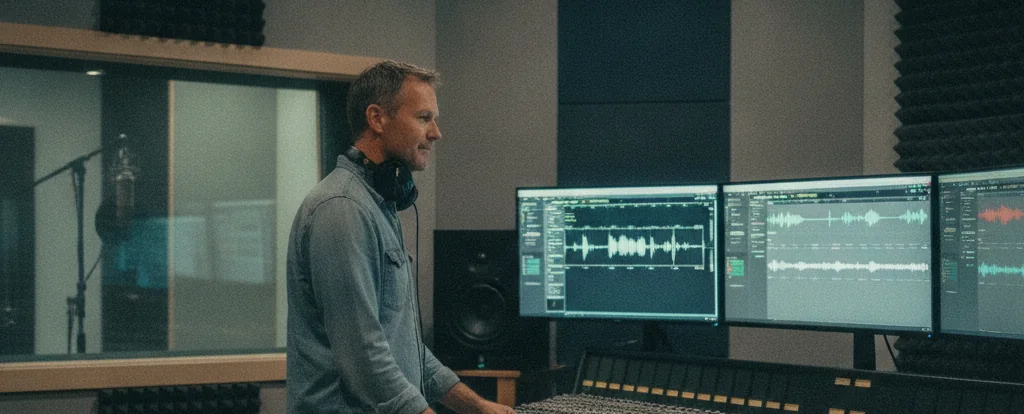
Sound Engineer
Sound engineers record, mix and manage audio for music, live shows and broadcast, shaping how a performance or a recording actually ends up sounding.
Median pay$95,900
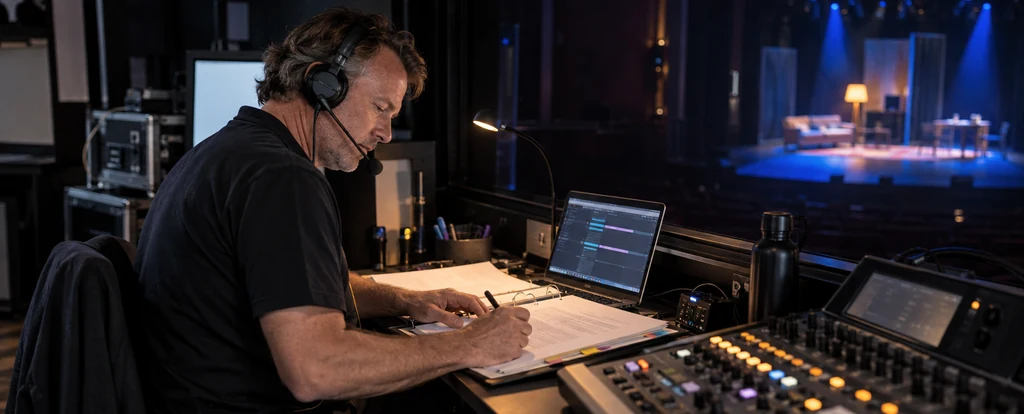
Stage Manager
Stage managers run the backstage side of a production, keeping rehearsals, cues and cast on schedule so every performance runs the same way.
Median pay$71,800 (estimate)
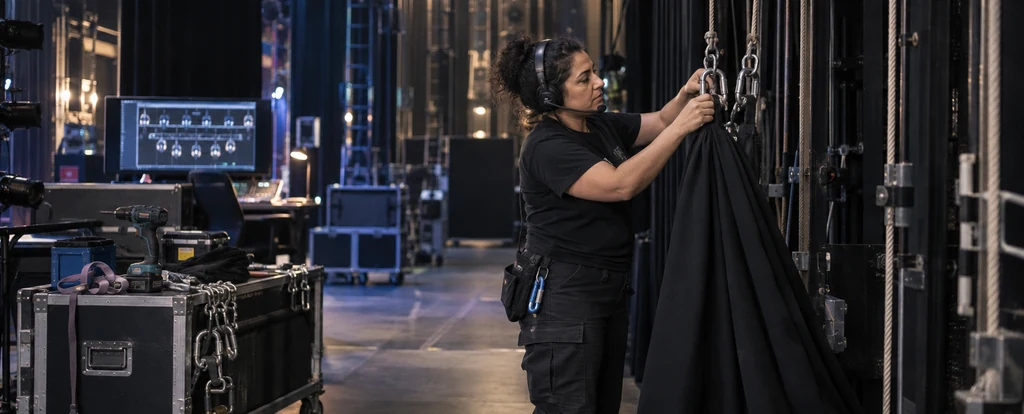
Stagehand
Stagehands build, move and run the physical side of a live show, from the set and lights to the sound gear, so the performance starts on time.
Median pay$65,000 (estimate)
If you study further
Pay is the median for everyone in the job, and “In demand” means the job is on the national shortage list. Pay marked as an estimate is our own analysis, not a published figure.
Where you can study this course
There are 7 places you can study this course. When you compare them, check they teach it the way you want to study, how far you'd be from a campus, what it will cost you and what past students say about the teaching and support. They're listed by how often people search for them, and none of them pays to be here or to move up.
- Website for Melbourne Polytechnic (opens in a new tab)
Melbourne Polytechnic
13 campuses, VIC
3.7from 485 Google reviews
What students like
- Some teachers are supportive and go out of their way
- Student services offer understanding and compassion
What to weigh up
- Messages to staff can go unanswered
- Enrolment mistakes can take time to fix
- Course page for TAFE NSW (opens in a new tab)

TAFE NSW
2 campuses, NSW
4.0from 2,410 Google reviews
- How you study
- On campus
- How long
- 6 to 12 months
What students like
- Teachers are supportive and ready to help
- Staff are helpful and friendly
- Course content is practical and industry relevant
What to weigh up
- Enrolment and admin can be slow
- Some find front desk staff less helpful
What students like
- Lecturers are approachable and care about learning
What to weigh up
- Enrolment and admin can be slow
- Website for Edith Cowan University (opens in a new tab)
Edith Cowan University
6 campuses, NSW, WA
4.3from 679 Google reviews
What students like
- Staff are friendly and helpful
What to weigh up
- Admin can be slow to respond
- Marking can vary between assessors
- Complaints can be slow to resolve
- Website for TAFE SA (opens in a new tab)

TAFE SA
26 campuses, SA
4.4from 1,339 Google reviews
What students like
- Lecturers are nice and helpful
What to weigh up
- Enrolment and admin can be slow
- Course information can be unclear
- Website for The National Institute of Dramatic Art (opens in a new tab)

The National Institute of Dramatic Art
NIDA - National Institute of Dramatic Art, NSW
4.6from 201 Google reviews
What students like
- Staff are knowledgeable, helpful and friendly
- Classes are engaging and build confidence
- Productions are professional and entertaining
- Website for Halo Nation Training Pty Ltd (opens in a new tab)

Halo Nation Training Pty Ltd

What you’ll learn
15 units: 4 that everyone takes and 11 you choose.
- Leading production crews
- Planning complex productions
- Managing staff performance
- Workplace health and safety
- Creative industry trends
- Professional practice in the arts
See all 4 core units
Core units
Everyone completes these. Select a unit to see what it covers.
Loading the details for BSBLDR522…
Loading the details for BSBLDR522…
Questions to ask before you enrol
Providers run this course differently, so the answers change from one to the next.
- When is the next intake, and how many are there each year?
- What is the total cost, including materials, checks and any placement costs?
- Can I study part time or online, and how does that change the length?
- Do the units count towards a higher qualification if I go on to study further?
Questions people ask
Who is this qualification for?
It is for people already working on productions, events or exhibitions who want to take on the technical and management side rather than only deliver it. You learn to plan and run complex productions, lead crews and manage how they perform, keep work safe, and keep your own practice current. Roles may include Stage Manager, Production Manager or Lighting Designer.
Do I need experience or other qualifications first?
You must provide evidence of your skills in live production and technical services and the ability to develop solutions, produce a body of work, respond to workplace challenges and apply knowledge of trends, all in at least one technical area. Skills may come from experience or formal study. Providers can set their own conditions, so check with the one you choose.
How is it different from Certificate III in Live Production and Technical Services?
The Diploma of Live Production and Technical Services is at a higher level than the Certificate III. The diploma is for people already working on productions who want to take on the technical and management side rather than only deliver it, learning to plan and run complex productions, lead crews and manage how they perform.