Performing arts courses
Want to work in live entertainment? The Certificate III in live production and technical services is the standard way in, covering lighting, sound and staging for crew roles. If you'd rather perform, the university courses below cover acting, music theatre and dance.
- Quickest way to start
- 1 year
- Certificate III, typical full time length
- What the jobs pay
- $70,200 to $75,400
- median pay across 2 jobs, some estimated
Which course do you need?
It depends on the job you want.
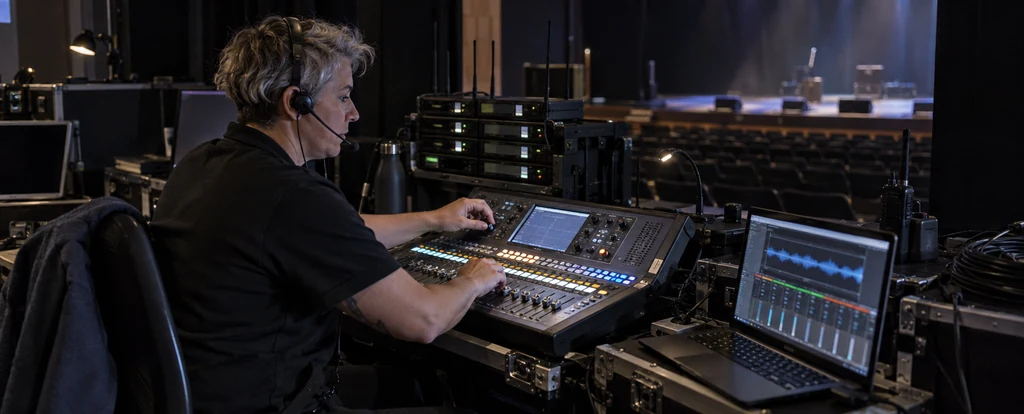
Certificate III in Live Production and Technical Services
Work backstage on live shows and events
Set up and run the lighting, sound and staging for concerts, theatre and events.
Median pay$75,400 (estimate)
- How long it takes
- Typically 1 to 2 years
- What it costs
- $7,260 full fee at TAFE Queensland
- How you'll study
- On campus
How much it costs at TAFE
If you're eligible for a government-subsidised place, you pay much less than the full fee, and in some states these courses can be free. Here's what each TAFE lists.
| TAFE | State | Certificate III | |
|---|---|---|---|
| Subsidised | Full fee | ||
| TAFE Queensland | QLD | Not listed | $7,260 |
TAFE QueenslandQLD
- Certificate III
- Not listed
- $7,260 full fee
Fees as each TAFE shows them on its website, checked 20 September 2026. “Not listed” means the TAFE doesn't show that fee online. Private colleges set their own fees.
Other university courses
- Bachelor of Creative Arts (Drama)3 years. Combines theatre history with practical work in acting, directing and backstage roles, with studio projects making up much of the course.
Can help with: drama teacher, theatre director, entertainer
- Bachelor of Music Theatre3 years. Trains singers, dancers and actors together, with individual tuition and productions that build skills for ensemble and lead roles.
Can help with: dancer
- Bachelor of Creative Arts (Acting)2 to 3 years. A practical acting degree covering voice, movement and scene work for stage and screen.
- Bachelor of Fine Arts (Acting)3 years. A studio-based acting degree where most of your time goes to practical training, covering stage, screen and digital media.
Can help with: actor
- Bachelor of Musical Theatre2 to 3 years. Practical training in acting, voice, singing and dance, with performance projects and a look at how the entertainment industry works.
- Bachelor of Performing Arts (Acting)2 to 3 years. Acting for stage and screen, combining voice and movement training with performance projects alongside other creative students.
- Bachelor of Theatre3 years. Teaches theatre practice with a focus on making original work, and you choose a direction such as drama or technical theatre.
Can help with: drama teacher, production designer, stage manager
- Diploma of Musical Theatre1 year. Practical training in singing, dancing and acting, with most of the time spent in classes and productions rather than lectures.
Other certificates and diplomas
- Certificate IV in Dance Teaching and Management6 to 24 months. For dancers who want to teach in a private studio and run their own classes, with entry by audition rather than teaching experience.
Can help with: choreographer, dance teacher
- Diploma of Live Production and Technical Services6 to 12 months. For people already working on productions who want to supervise a department or manage a venue, building on skills they already have.
Can help with: sound engineer, stage manager, stagehand
Jobs you can do with this study
Pay is the median for everyone in the job, not a starting salary.
- Audiovisual TechnicianWhat you needCertificate IIIMedian pay$75,400 (estimate)
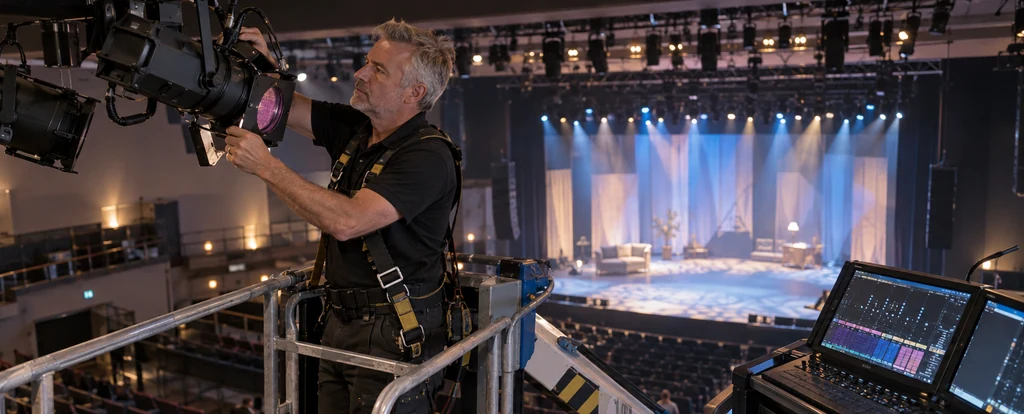 Lighting TechnicianWhat you needCertificate IIIMedian pay$70,200 (estimate)
“In demand” means the job is on the national skills shortage list. Pay marked as an estimate is our own analysis, not a published figure. Check the course and provider are approved for the work you want, as rules differ by state.
Still not sure which one fits you?
Answer a few quick questions about your time, state and budget, and we'll show the courses that suit you.