Science courses
Want to work in science? These three courses are all bachelor degrees, and each leads to a different job: environmental scientist, occupational therapist or physiotherapist. The physiotherapy program takes the longest, and shorter diplomas can lead into a science degree.
- Quickest way to start
- 3 years
- Bachelor degree, typical full time length
- What the jobs pay
- $98,200 to $101,600
- median pay across 3 jobs
- Demand
- 2 of 3 jobs
- are on the national shortage list
Which course do you need?
It depends on the job you want.
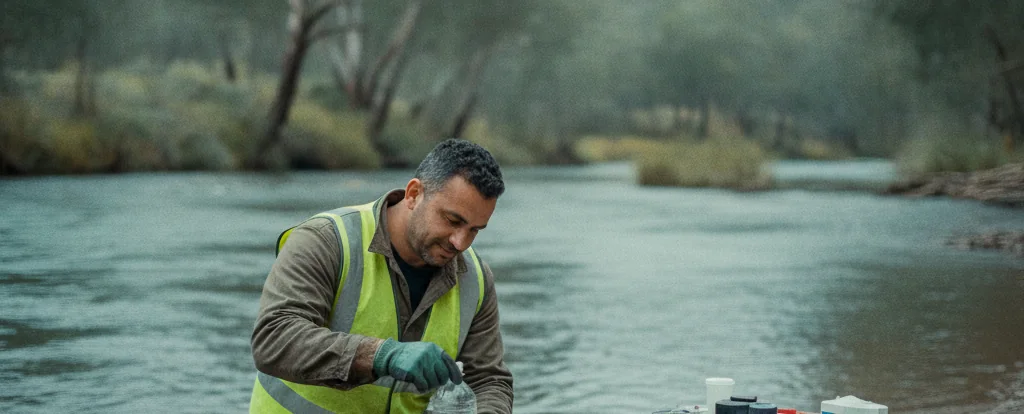
Bachelor of Science (Environmental Science)
Work as an environmental scientist
Study how land, water and air interact, and help monitor pollution, climate change and habitat loss in the field and the lab.
Median pay$101,600
- How long it takes
- 3 years full time
- How you'll study
- On campus

Bachelor of Science (Occupational Therapy)
Work as an occupational therapist
Help people take part in the everyday activities that matter to them, at home, at work or in the community.
Median pay$99,500
- How long it takes
- 4 years full time
- How you'll study
- On campus

Bachelor of Science/Physiotherapy
Work as a physiotherapist
Treat movement problems and injuries, and help people rebuild strength and function after illness or surgery.
Median pay$98,200
- How long it takes
- 4 to 6 years full time
- How you'll study
- On campus
Other university courses
- Bachelor of Science3 years. A broad degree where you choose a major such as biology, chemistry or physics. A common starting point for a science career.
- Diploma of Science8 to 12 months. A broad introduction to biology, chemistry and maths that can lead into a related bachelor degree.
- Bachelor of Advanced Science3 to 4 years. A research-oriented science degree with a major of your choice, built-in research projects and an honours year at many universities.
- Bachelor of Science (Advanced)3 to 4 years. A science degree with extra research emphasis, for students aiming at research, postgraduate study or specialist scientific work.
- Bachelor of Science (Physics)3 years. A physics degree supported by advanced maths, covering mechanics, thermodynamics and quantum physics, with lab work and a final project.
- Undergraduate Certificate in Science4 to 6 months. A short introduction to university science, useful if you want to test the field before starting a diploma or degree.
- Associate Degree in Applied Science2 years. A practical option with plenty of lab time and a work placement, in areas such as food production or biotechnology.
Can help with: brewer
- Bachelor of Science (Animal Behaviour)3 years. For students interested in why animals behave as they do, and in animal welfare, conservation and animal care work.
Can help with: boarding kennel operator, dog breeder, dog trainer
- Bachelor of Science (Biotechnology)3 years. Applies biology to problems in health, food and the environment, covering genes, microbes and the computing side of biological data.
- Bachelor of Science (Environment)3 years. Combines core science with ecosystems and how people manage them, and can lead to environmental scientist or conservation work.
- Bachelor of Science (Extended)3.5 to 4 years. A science degree with a longer timeline and academic support, open only to Aboriginal and Torres Strait Islander students.
- Bachelor of Science (Marine Biology)3 years. Studies ocean life and the ecosystems it depends on, with laboratory training and fieldwork in marine and coastal settings.
- Bachelor of Science Advanced (Honours) (Physics)4 years. A research-focused physics degree with an honours year, for students heading towards a research career or a doctoral degree.
- Diploma in Science1 year. An introduction to medical, physical and natural sciences, mainly taken as a pathway into a related bachelor degree.
- Diploma in Science and Technology2 years. A short introduction to biology, chemistry and ecology, and to how data is collected and analysed, with a pathway into a degree.
Jobs you can do with this study
Pay is the median for everyone in the job, not a starting salary.
- Environmental ScientistWhat you needBachelor degreeMedian pay$101,600
- Occupational TherapistWhat you needBachelor degreeMedian pay$99,500In demand
- PhysiotherapistWhat you needBachelor degreeMedian pay$98,200In demand
“In demand” means the job is on the national skills shortage list. Check the course and provider are approved for the work you want, as rules differ by state.
Still not sure which one fits you?
Answer a few quick questions about your time, state and budget, and we'll show the courses that suit you.