Animal care courses
Want to work with animals? You can start with a certificate in animal care, or train for a hands-on trade such as farriery or trackwork riding. Here's what each course leads to, how long it takes and what it costs.
- Quickest way to start
- 4 months
- Certificate III, full time at TAFE NSW
- TAFE cost from
- $1,120
- subsidised Certificate II, TAFE NSW
- What the jobs pay
- $57,200 to $67,600
- median pay across 5 jobs, some estimated
- Demand
- 2 of 5 jobs
- are on the national shortage list
Which course do you need?
It depends on the job you want.
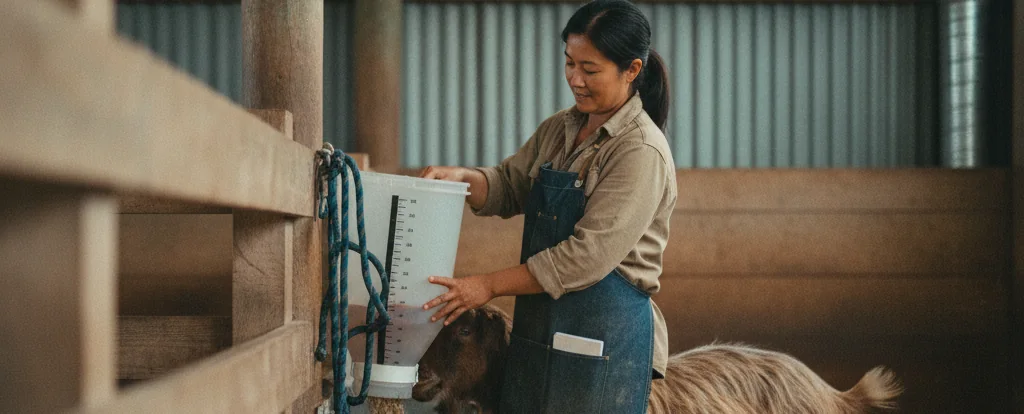
Certificates in animal care
Work as an animal attendant
Feed, clean, handle and check on animals in kennels, shelters, day care, breeding facilities or grooming salons.
Median pay$66,400
- How long it takes
- 4 to 21 months full time
- What it costs
- $1,120 at TAFE NSW if you're eligible for a subsidised place, or $4,920 full fee
- How you'll study
- Online or on campus
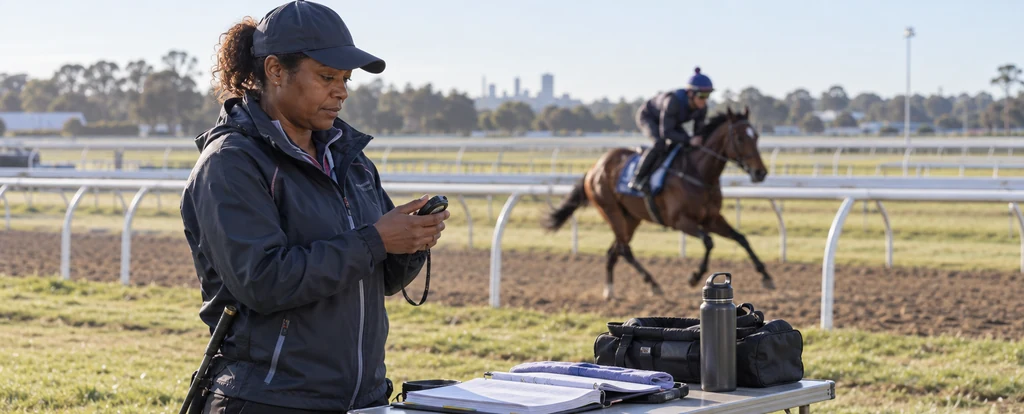
Certificate IV in Racing (Racehorse Trainer)
Work as a licensed racehorse trainer
Plan and run a horse's training and racing program, keep it healthy and supervise stable staff.
Median pay$62,400 (estimate)
- How long it takes
- Typically 6 to 24 months
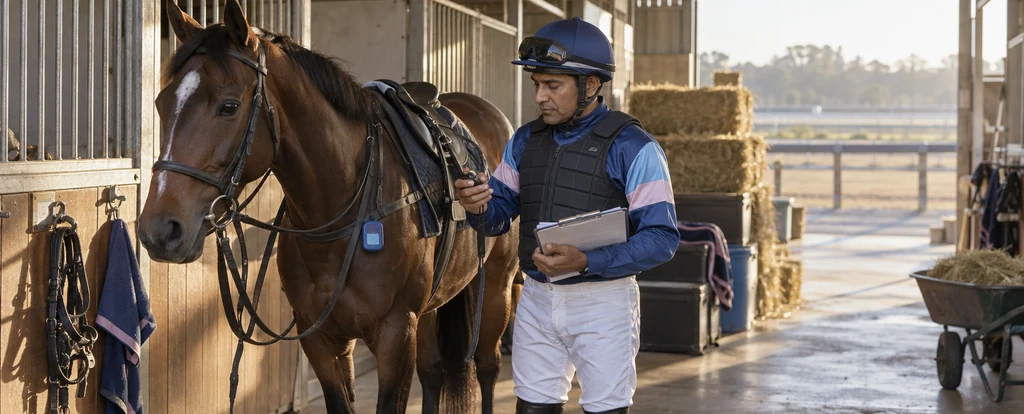
Certificate III in Racing (Trackwork Rider)
Ride trackwork for a trainer
Ride thoroughbreds in the early morning gallops and pacework, and report back on how each horse felt.
JobTrack Rider
Median pay$57,200 (estimate)
- How long it takes
- Typically 1 to 2 years
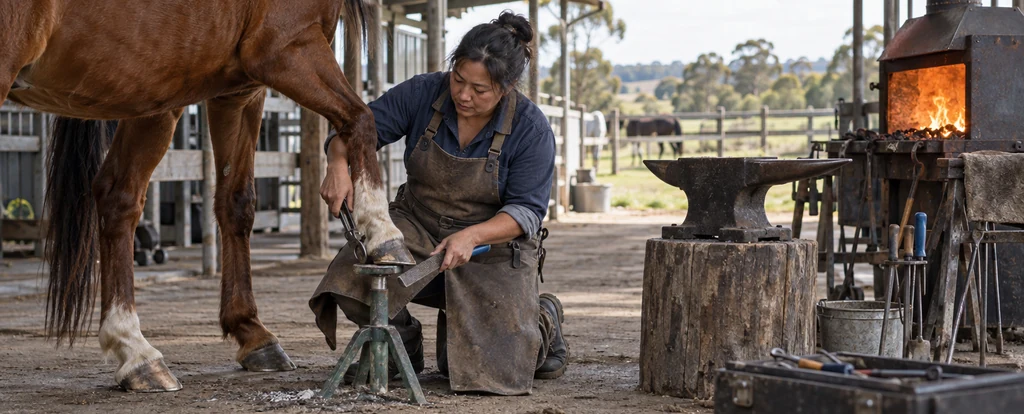
Certificate IV in Farriery
Work as a farrier
Trim hooves and make and fit shoes to keep horses sound, often while running your own business.
JobFarrier
Median pay$65,000 (estimate)
- How long it takes
- About 3 years full time at TAFE NSW
- What it costs
- $2,770 at TAFE NSW if you're eligible for a subsidised place, or $20,240 full fee
- How you'll study
- Online or on campus
How much it costs at TAFE
If you're eligible for a government-subsidised place, you pay much less than the full fee, and in some states these courses can be free. Here's what each TAFE lists.
| TAFE | State | Certificate II | Certificate III | Certificate IV | |||
|---|---|---|---|---|---|---|---|
| Subsidised | Full fee | Subsidised | Full fee | Subsidised | Full fee | ||
| TAFE NSW | NSW | $1,120 | $4,920 | $1,400 | $10,760 | $2,770 | $20,240 |
| GOTAFE | VIC | $2,508 | $7,128 | $3,919 | $12,581 | Not listed | $29,521 |
| The Gordon | VIC | $1,763 | $5,379 | $3,097 | $11,567 | Not listed | Not listed |
| TAFE Queensland | QLD | Not listed | Not listed | $4,305 | $8,215 | Not listed | Not listed |
TAFE NSWNSW
- Certificate II
- $1,120 subsidised
- $4,920 full fee
- Certificate III
- $1,400 subsidised
- $10,760 full fee
- Certificate IV
- $2,770 subsidised
- $20,240 full fee
GOTAFEVIC
- Certificate II
- $2,508 subsidised
- $7,128 full fee
- Certificate III
- $3,919 subsidised
- $12,581 full fee
- Certificate IV
- Not listed
- $29,521 full fee
The GordonVIC
- Certificate II
- $1,763 subsidised
- $5,379 full fee
- Certificate III
- $3,097 subsidised
- $11,567 full fee
- Certificate IV
- Not listed
TAFE QueenslandQLD
- Certificate II
- Not listed
- Certificate III
- $4,305 subsidised
- $8,215 full fee
- Certificate IV
- Not listed
Fees as each TAFE shows them on its website, checked 20 September 2026. “Not listed” means the TAFE doesn't show that fee online. Private colleges set their own fees.
The animal care certificates compared
Both certificates prepare you for entry level work with animals and neither assumes any experience. The Certificate II covers the daily routines, while the Certificate III goes further into handling, health and the running of a facility. Both can be studied online at one or more providers.
- Certificate II in Animal CareThe usual starting point. Covers feeding and watering animals, cleaning enclosures and handling them calmly, plus spotting when an animal is unwell. Always done under supervision.How long4 to 21 months
- Certificate III in Animal Care ServicesLook after animals in boarding kennels, day care, shelters and grooming salons, and help run those settings. Covers safe handling, basic first aid and talking with clients.How long4 to 18 months
Other university courses
- Bachelor of Animal Science3 to 4 years. The science behind managing animals and meeting their needs, with majors such as livestock science and animal bioscience.
Can help with: dairy farmer, deer farmer, dog breeder
- Bachelor of Science (Animal Behaviour)3 years. Studies why animals behave as they do and how that knowledge is used in animal behaviour, conservation, research and care roles.
Can help with: boarding kennel operator, dog breeder, dog trainer
Other certificates and diplomas
- Certificate III in Equine StudiesAn introduction to horses and their care, for people who want to build a career working with them.
- Certificate IV in Animal Behaviour and Training6 to 24 months. For people who already have hands on experience with animals and want to move into training and behaviour work.
Can help with: dog breeder, dog trainer
- Diploma of Animal Technology1 to 2 years. Prepares you for senior technician or supervisory work in research and teaching facilities where animals are bred and kept for study.
Jobs you can do with this study
Pay is the median for everyone in the job, not a starting salary.
- Animal AttendantWhat you needA certificate in animal careMedian pay$66,400
- Track RiderWhat you needCertificate IIIMedian pay$57,200 (estimate)In demand
 JockeyMedian pay$67,600 (estimate)
- FarrierWhat you needCertificate IVMedian pay$65,000 (estimate)In demand
- Racehorse TrainerWhat you needCertificate IVMedian pay$62,400 (estimate)
“In demand” means the job is on the national skills shortage list. Pay marked as an estimate is our own analysis, not a published figure. Check the course and provider are approved for the work you want, as rules differ by state.
Still not sure which one fits you?
Answer a few quick questions about your time, state and budget, and we'll show the courses that suit you.