Film and Television Director
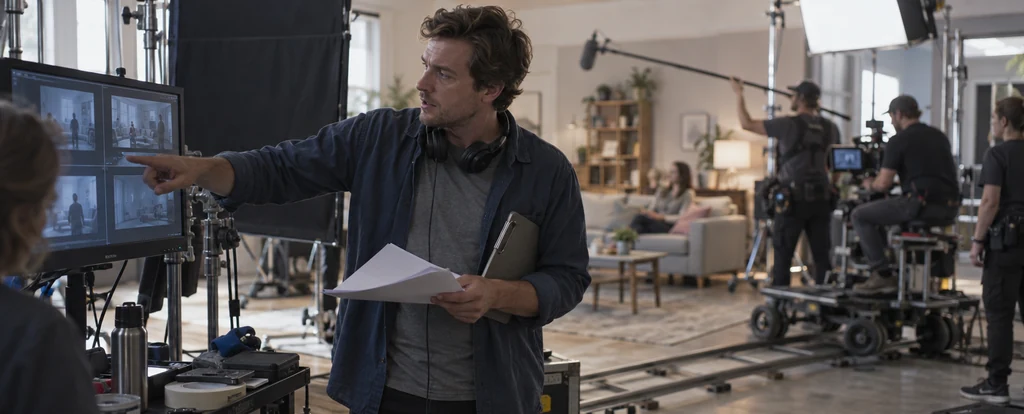
Film and television directors shape how a script becomes a finished screen production, guiding the story, the performances and the look from first read-through to final cut.
- Median salary*
- $80,600
4.3%vs last year, before tax
- People employed
- 2,400
0.0%vs last year
- Projected growth
- +19.1%
to 2035
- AI exposure*
- Low
- automation risk
- Average hours
- 47/wk
+7h vs all jobs
- Shortage status
- Not in shortage
national
Directors work wherever a production happens: on location, in studios, in rehearsal rooms and in edit suites, almost always as freelancers hired project by project. They are the person the cast and crew look to for the creative call, while the producer carries the budget, the schedule and the financing. In Australia most directors move between television drama, documentaries, commercials and online work rather than spending a career on feature films alone.
How much do film and television directors earn?
The median full-time salary for a film and television director is $80,600 per annum, before tax, up $17,000 since 2018.
Directing pay is usually a project fee or a weekly rate, and it moves with the budget and type of production, so a national commercial pays differently from a low-budget documentary. Freelance directors also spend unpaid time developing projects and pitching them, which is part of why annual earnings swing from year to year. Directors who also write or produce their work can take a share of the back end, though that money often arrives long after the shoot.
What does a film and television director do day to day?
The list below is what fills most weeks; the exact mix shifts with seniority and whatever stage the current work is at.
- Breaking down a script and working out how each scene should look, sound and feel
- Casting actors and running rehearsals to find the performance a scene needs
- Directing cast and crew on set, deciding camera placement, coverage and pace as the day runs
- Working with editors, sound designers and composers through the edit and the final mix
- Answering to producers and financiers on the schedule, the budget and the cut they were promised
What skills do film and television directors need?
Employers look for creative software production, visual design, project management, backed by Final Draft fluency and strong people leadership.
Specialist skills
- Creative software production
- Visual design
- Project management
- Content creation and writing
Software and tools
- Final Draft
- Adobe Premiere Pro
- DaVinci Resolve
- Avid Media Composer
- FrameForge
General skills
- People leadership
- Time and deadline management
- Written communication
- Problem solving
Is the job growing?
About 2,400 people work as film and television directors in Australia, and employment is projected to grow 19.1% over the decade to 2035. That's healthy, above-average growth, and the role should stay in solid demand.
How do you become a film and television director?
Here's the path most film and television directors take, step by step.
- 1Build a screen foundation
A degree or diploma in screen production, film and television, or a related field is the common route, and a bachelor degree is the qualification most working directors hold. TAFE and private film schools offer shorter, more hands-on options, and the work you finish matters more than the name of the course.
- 2Get on professional sets
Start as a production assistant, camera assistant or third assistant director. The pay at this level is modest and the days are long, but it is how you learn how a set actually runs and who to call when you have a project of your own.
- 3Direct your own short work
Short films, music videos, web series and branded content are the usual calling cards, and they can be made for very little. Screen Australia and the state screen agencies offer funding and development programs that are worth applying for once you have a couple of finished pieces.
- 4Move into broadcast and streaming work
The step into paid directing usually comes through a commercial, a documentary or an episode of television that a producer trusts you with, sometimes after time as a second unit director or through a directing attachment. Guild membership and mentoring programs such as those run by the Australian Directors' Guild help with contacts, rates and credits.
Ready to apply as a film and television director?
Whether you're working toward becoming a film and television director or already are one and want a hand with the next step (sharpening your resume for ATS screening, tightening your cover letter, or knowing what you'll actually be asked at interview), here are examples grounded in this specific role, not generic templates.
What jobs can a film and television director move to?
Moving into Video Editor typically comes with the biggest pay rise, worth $22,100 a year more on average.
| Move to | Typical pay change | Overlap | Retraining |
|---|---|---|---|
| Video Editor Video editor builds on a director's visual storytelling and shot sense, offering a focused post-production craft with strong overlap in screen work.Known move | +$22,100 | 71% | minimal |
| Art Director Art director draws on a director's visual composition and creative leadership, moving into design-led production with closely related screen and stage skills.Known move | +$22,100 | 78% | minimal |
| Film and Television Producer Film and television producer uses a director's storytelling and set leadership, but needs budgeting, financing and project management skills learned through substantial retraining.Known move | +$15,600 | 39% | reskill |
| Broadcast Program Director Broadcast program director uses a director's live production and timing skills, though scheduling and technical broadcast systems require substantial retraining.Known move | +$13,000 | 35% | reskill |
| Music Producer Music producer applies a director's creative direction and production judgement to music projects, with some overlap in media production skills.Known move | −$2,600 | 67% | minimal |
Moves are chosen from Jobs and Skills Australia's Data on Occupation Mobility, which follows income tax records between 2011-12 and 2020-21, together with entry requirements and skill overlap. A known move is one people were seen making in that data. Pay change compares median full-time pay for the two roles.
Who works as a film and television director?
The typical film and television director is 40 years old; 74% are men, 71% work full-time, and full-timers average 47 hours a week.
- 40
- Median age
- 26%
- Female share
- 71%
- Full-time
- +7h
- vs all-jobs avg
What's it like being a film and television director?
The work arrives in blocks: weeks of development and pre-production, an intense shoot, then months in the edit, with gaps between jobs. Directors carry the creative decisions alongside a fixed budget and a limited number of shoot days, so the pace on set is high and the hours are long. It suits people who like leading a room, making calls with incomplete information and seeing a whole story through rather than one craft within it.
What people like
- Seeing a scene land in the room. The moment a performance, a camera move and the light come together is the reason most directors keep doing it, and it only happens when the preparation is right.
- Control of the whole story. You decide what the audience sees and hears, from the framing of a shot to what is left out of the final cut, in a way that few other screen roles allow.
- Every project is a different world. Research, locations, crews and subject matter change completely from one job to the next, which keeps the work from settling into a routine.
- Leading a team of specialists. You work with actors, directors of photography, designers and editors who are expert in their own craft, and your job is to give them a clear direction to build on.
What people find hard
- Long days and time away from home. Full-time directors average 47 hours a week, and shoot days regularly run longer, often starting before dawn on location and finishing at night.
- Freelance income that comes in lumps. Between the paid blocks sit unpaid months of script work, pitching and waiting on decisions, which makes budgeting for a year difficult.
- The gap between the vision and the budget. You are answerable to producers and financiers, and a scene that needs three days may only have one, which means reworking it rather than fighting for it.
- Notes from people who were not on set. Broadcasters, streamers and clients can ask for changes to a cut they saw in a screening room, and how you handle those notes shapes your next job as much as the film does.
Based on our synthesis of professional-body surveys and public accounts of the role, not first-person verified reviews.
Which industries employ film and television directors?
Information Media and Telecommunications employs the largest share of film and television directors, followed by Arts and Recreation Services.
Top employing industries
- 1Information Media and Telecommunications
- 2Arts and Recreation Services
- 3Professional, Scientific and Technical Services
Ranked by employment share; the source doesn't publish an exact percentage per industry.
| Bachelor degree | 45.1% | |
|---|---|---|
| Year 12 or below | 21% | |
| Postgraduate | 13.8% | |
| Diploma / Advanced Diploma | 12.5% | |
| Certificate III/IV | 4.8% |
Will AI replace film and television directors?
Directing sits at the low end of AI exposure because the job is mostly live judgement and leadership: reading a performance, working with actors and deciding what the story needs next. AI tools already help with previsualisation, transcription of rushes and rough-cut assembly, which trims the hours around those decisions without making them. Virtual production with real-time engines changes how some scenes are captured, but the choice of what to shoot and what to keep stays with the director.
Share of typical working time by exposure level
- Working with actors and rehearsalsAdjusting a performance line by line, blocking a scene with the cast and judging whether a take is honest all happen in the room and depend on reading people.40%low
- Directing on setDeciding coverage as light fades, keeping a crew safe on location and changing the plan when an actor or the weather forces it are decisions made in real time.30%low
- Post-production supervision and the editEditing software can assemble a rough cut and sync sound automatically, saving days of sorting, but the shaping of pace, performance and structure remains the director's call.20%moderate
- Pre-production planning and storyboardsTools such as FrameForge and AI image generators can turn a script into visual options in minutes, which is useful for pitching, though the director still decides which version the scene needs.10%moderate
Common questions about becoming a film and television director
Straight answers to the questions people ask most.
How much do film and television directors earn?
Full-time film and television directors earn a median of $80,600 per year before tax. That is a midpoint across the occupation, and because most directors work project to project, individual earnings can sit well above or below it in any given year. Pay depends heavily on the type and budget of the production and on how many projects you complete.
How do you become a film director?
There is no single entry route, but most directors combine screen study, time on professional sets and their own short films. Starting as a production assistant or camera assistant puts you on real productions while you build a reel, and a finished film that has been seen carries more weight with producers than a qualification on its own.
Are film and television directors in demand in Australia?
Film and television directors are currently not in shortage. Employment is projected to grow 19.1% over the decade to 2035 over the decade to 2035, and because the occupation is small, openings tend to appear as individual productions rather than advertised roles. Building relationships with producers and keeping a current reel matters more here than applying for jobs in the usual way.
Will AI replace film directors?
Directing is one of the less exposed screen jobs, because the work turns on live judgement about how a performance lands, how a scene cuts together and what the story needs next. AI tools are already used for previsualisation, logging rushes and assembling a rough cut, which speeds up the work around the decisions rather than making them. Virtual production with LED volumes changes how some scenes are shot, but a director still chooses what to shoot and what to keep.
What can film and television directors move into?
Producing is a common move because it builds on the same set leadership and storytelling, though it means learning budgeting, financing and project management. Video editing and art direction overlap strongly with a director's visual work and need little retraining, while broadcast program direction suits directors who enjoy live timing and technical systems. Many directors also run their own production company, and that is often where earnings grow.
How many hours do film directors work?
Directors in full-time work average 47 hours a week, and shoot days often run longer than that. Because the work is freelance and concentrated in a production block, a heavy shoot is usually followed by quieter months of development and editing.
Related roles
- Film and Television Producer
- Video Editor
- Broadcast Program Director
- Art Director
- Music Producer
- Production Assistant
Not sure this is you? Take the career quiz and get a ranked shortlist of roles that fit how you like to work.