Occupational Hygienist
Occupational hygienists work out which workplace hazards are damaging people's health, then help design the controls that bring the exposure down.
- Median salary*
- $111,800
4.0%vs last year, before tax
- People employed*
- 2,300
0.0%vs last year
- Projected growth*
- +8%
to 2035
- AI exposure*
- Moderate
- automation risk
- Average hours*
- 38/wk
−2h vs all jobs
- Shortage status*
- Not in shortage
national
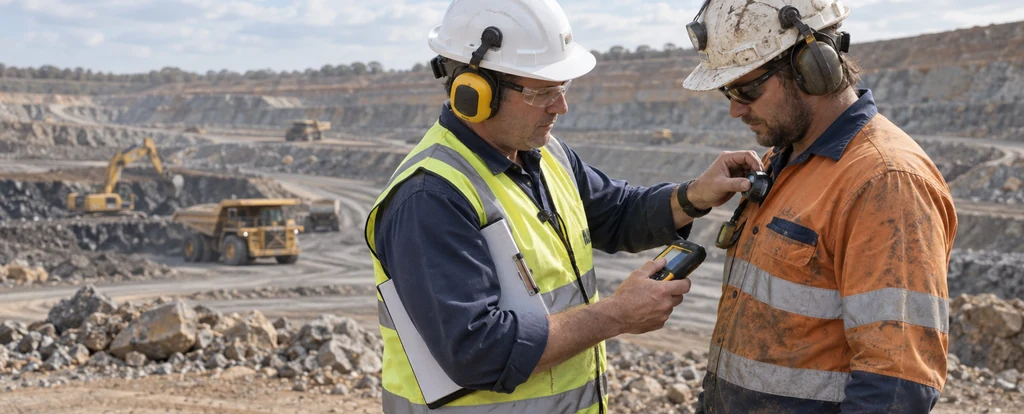
Occupational hygienists work on mine sites, in factories, on construction projects and inside laboratories, measuring what workers are breathing, hearing and absorbing. They are the specialists other safety staff call when a hazard needs numbers rather than a checklist: respirable dust, solvent vapour, noise, vibration or heat. Most hold a science or engineering degree and add a postgraduate qualification in occupational hygiene.
How much do occupational hygienists earn?
The median full-time salary for an occupational hygienist is $111,800 per annum, before tax, up $23,300 since 2018.
Pay follows the industry more than the job title: mining and heavy manufacturing employers pay above community health, local government and university work, and remote site rotations usually come with allowances on top. Postgraduate qualifications and certification as an occupational hygienist both shift the figure, and consultants with a client base of their own tend to sit at the top of the range.
What does an occupational hygienist do day to day?
The list below is what fills most weeks; the exact mix shifts with seniority and whatever stage the current work is at.
- Setting up personal samplers and dosimeters so the sample reflects what a worker actually breathes or hears
- Walking the site with workers to work out which tasks generate the highest exposures
- Assessing noise, vibration, heat and airborne contaminants against Australian exposure standards
- Interpreting monitoring results in statistical terms and writing the report that tells an employer what to change
- Advising on hazardous substances registers, safety data sheets and the hierarchy of controls
What skills do occupational hygienists need?
Employers look for risk and internal controls, regulatory compliance, laboratory analysis, backed by ChemWatch fluency and strong stakeholder management.
Specialist skills
- Risk and internal controls
- Regulatory compliance
- Laboratory analysis
- Data analysis
Software and tools
- ChemWatch
- Microsoft Excel
- R or SPSS
- Noise dosimetry software
- Direct-reading gas detectors
General skills
- Stakeholder management
- Written communication
- Problem solving
Is the job growing?
About 2,300 people work as occupational hygienists in Australia, and employment is projected to grow 8% over the decade to 2035. That's modest growth: demand is steady rather than booming.
How do you become an occupational hygienist?
Here's the path most occupational hygienists take, step by step.
- 1Start with a science or engineering degree
Chemistry, chemical engineering, environmental science and public health are the usual foundations, because the work depends on understanding how substances behave and how exposure is measured. A bachelor degree takes three to four years full time.
- 2Get into a hygiene or work health and safety role
Graduate and technician positions with consulting firms, mining companies and manufacturers are the most common way in, and some people move across from laboratory or safety roles. This is where sampling technique is learned on real sites, under supervision.
- 3Add a postgraduate qualification in occupational hygiene
A graduate diploma or master's is the standard credential, and several Australian universities offer programs built around it, usually studied part time over one to two years while you keep working.
- 4Work toward certification
The Australian Institute of Occupational Hygienists certifies experienced practitioners as certified occupational hygienists, based on a qualification, several years of practice and a portfolio of work. Senior consulting and mining roles often expect it.
Ready to apply as an occupational hygienist?
Whether you're working toward becoming an occupational hygienist or already are one and want a hand with the next step (sharpening your resume for ATS screening, tightening your cover letter, or knowing what you'll actually be asked at interview), here are examples grounded in this specific role, not generic templates.
What jobs can an occupational hygienist move to?
Moving into Work Health and Safety Inspector typically comes with the biggest pay rise, worth $12,100 a year more on average.
| Move to | Typical pay change | Overlap | Retraining |
|---|---|---|---|
| Work Health and Safety Inspector Occupational hygienists bring hazard assessment and compliance knowledge to regulatory inspection roles, with additional enforcement training required. | +$12,100 | 27% | reskill |
| Safety Consultant Occupational hygienists can apply hazard and exposure knowledge to advise clients, though broader consulting and business skills need development. | +$7,000 | 43% | reskill |
| Environment, Health and Safety Manager Occupational hygienists bring specialist hazard and exposure expertise to lead integrated health, safety and environmental programs. | −$15,600 | 75% | minimal |
Moves are chosen from Jobs and Skills Australia's Data on Occupation Mobility, which follows income tax records between 2011-12 and 2020-21, together with entry requirements and skill overlap. A known move is one people were seen making in that data. Pay change compares median full-time pay for the two roles.
Who works as an occupational hygienist?
The typical occupational hygienist is 42 years old; 62% are men, 85% work full-time, and full-timers average 38 hours a week.
- 42
- Median age
- 38%
- Female share
- 85%
- Full-time
- −2h
- vs all-jobs avg
What's it like being an occupational hygienist?
The job swings between the field and the desk: days on site placing samplers and watching how tasks are really done, then laboratory results, statistics and reports that turn measurements into recommendations an employer can act on. The pressure comes from the stakes, because an exposure assessment can change how an entire process is run, and from the fact that proper controls cost money. It suits people who like both the measurement and the persuasion.
What people like
- Findings come with numbers attached. A result either exceeds an exposure standard or it does not, which makes the case for change easier to argue than a general concern about safety.
- The work prevents disease rather than accidents. Hygienists deal with illnesses that develop over years, such as silicosis and noise-induced hearing loss, where an assessment done now changes someone's health decades later.
- Settings change with the project. One month might be a mine site, the next a food plant, a foundry or a hospital, and the hazards and the people change with the site.
- A long leash once you are experienced. Senior hygienists design their own sampling programs and often handle several clients at once, with less supervision than most science roles offer.
What people find hard
- You sample in the conditions you are assessing. Monitoring means standing in the same dust, noise or heat as the workers, often in full protective equipment, and a sampling run cannot be cut short because the shift is uncomfortable.
- Results take weeks to settle. Laboratory turnaround and statistical treatment mean an assessment can drag on, while the people on site want an answer the same day.
- The answer is often expensive. The control you recommend might mean new ventilation, a changed roster or a different product, so the same recommendation can be argued through more than once.
- Records and registers take real time. Hazardous substances registers, safety data sheets and compliance documentation fill a steady share of the week, particularly in larger sites.
Based on our synthesis of professional-body surveys and public accounts of the role, not first-person verified reviews.
Which industries employ occupational hygienists?
Mining employs the largest share of occupational hygienists, followed by Manufacturing.
Top employing industries
- 1Mining
- 2Manufacturing
- 3Construction
- 4Professional, Scientific and Technical Services
- 5Public Administration and Safety
Ranked by employment share; the source doesn't publish an exact percentage per industry.
| Bachelor degree | 52% | |
|---|---|---|
| Postgraduate | 26% | |
| Diploma / Advanced Diploma | 13% | |
| Other | 9% |
Will AI replace occupational hygienists?
Occupational hygiene sits in the middle range for AI exposure, because the data-heavy half of the job is increasingly supported by software. Exposure modelling, statistical treatment of results and the first draft of a monitoring report are all quicker with these tools, and hazardous substances databases have replaced a lot of manual lookup. The physical half of the work is untouched: placing samplers, calibrating pumps, observing how a task is really performed and judging what a set of results means for one worker still need a hygienist on site.
Share of typical working time by exposure level
- Site sampling and monitoringPersonal dust samplers, noise dosimeters and direct-reading gas detectors log their own data once running, but correct placement, calibration and a shift spent on site cannot be automated.30%low
- Writing monitoring reports and recommendationsDraft reports, standard wording and data tables can be generated quickly from monitoring data, leaving the hygienist to check the findings and shape the recommendations.30%high
- Interpreting results against exposure standardsSoftware and statistical packages such as R speed up the comparison with exposure standards and the treatment of variability, though deciding what a peak reading means for a given worker remains a judgement call.25%moderate
- Advising employers and workers on controlsRecommending ventilation changes, product substitution or a revised roster means weighing cost, production and practicality, and then persuading a manager to act on it.15%low
Moves least exposed to AI
These career moves from occupational hygienist work are rated low for AI exposure:
- Environment, Health and Safety Manager
High skill overlap (75%), little retraining to get there, and a low automation-risk profile.
- Work Health and Safety Inspector
Some skill overlap (27%), reskill to get there, and a low automation-risk profile.
Common questions about becoming an occupational hygienist
Straight answers to the questions people ask most.
How much do occupational hygienists earn?
Occupational hygienists earn a median of $111,800 per annum, before tax. That is a midpoint rather than a going rate: mining and heavy industry employers pay above community health, local government and university employers, and site allowances can lift it further.
How do you become an occupational hygienist?
The usual route is a science or engineering degree, a few years working in the field, and a postgraduate qualification in occupational hygiene, with certification through the Australian Institute of Occupational Hygienists for senior roles. People already working in work health and safety, chemistry or environmental science often enter through a graduate diploma rather than starting a degree again.
Are occupational hygienists in demand?
Occupational hygienists are currently not in shortage, and employment is projected to grow 8% over the decade to 2035. Most work for mining, manufacturing, construction or consulting firms, so hiring tends to follow activity in those industries rather than the occupation on its own.
Will AI replace occupational hygienists?
Not the measurement or the site judgement, though it is steadily changing the desk side of the job. Software now handles exposure modelling, statistical comparison against exposure standards and much of the drafting of monitoring reports. Deciding where to sample, watching how a task is actually performed and judging what a result means for a particular worker still need a hygienist on site.
What can an occupational hygienist move into?
Experienced hygienists often move into environment, health and safety management, which pays $15,600 less than occupational hygiene and applies the same hazard knowledge across a whole operation. Others move into safety consulting, which pays $7,000 more, or into regulatory inspection as a work health and safety inspector, which pays $12,100 more; both need broader business or enforcement skills on top of hygiene expertise. Some experienced hygienists set up their own consulting practice, and that is often where earnings grow.
What is the difference between an occupational hygienist and a work health and safety officer?
A work health and safety officer coordinates safety systems, training and incident reporting across a workplace, while an occupational hygienist specialises in measuring and controlling health hazards such as dust, noise and chemicals. The two work together, with hygienists either brought in as consultants or sitting inside a larger safety team as the technical specialist.
Related roles
- Environment, Health and Safety Manager
- Safety Consultant
- Work Health and Safety Inspector
- Work Health and Safety Officer
- Chemist
- Environmental Scientist
Not sure this is you? Take the career quiz and get a ranked shortlist of roles that fit how you like to work.