Engineering courses
Engineering work runs from the trades through to technical design. You can start with a certificate in engineering fabrication, or study a diploma to work as a drafter or engineering technician. Here's what each course leads to, how long it takes and what it costs.
- Quickest way to start
- 7 months
- Certificate III, full time at TAFE NSW
- TAFE cost from
- $2,680
- subsidised Certificate III, TAFE NSW
- What the jobs pay
- $65,000 to $182,900
- median pay across 23 jobs, some estimated
- Demand
- 19 of 23 jobs
- are on the national shortage list
Which course do you need?
It depends on the job you want.
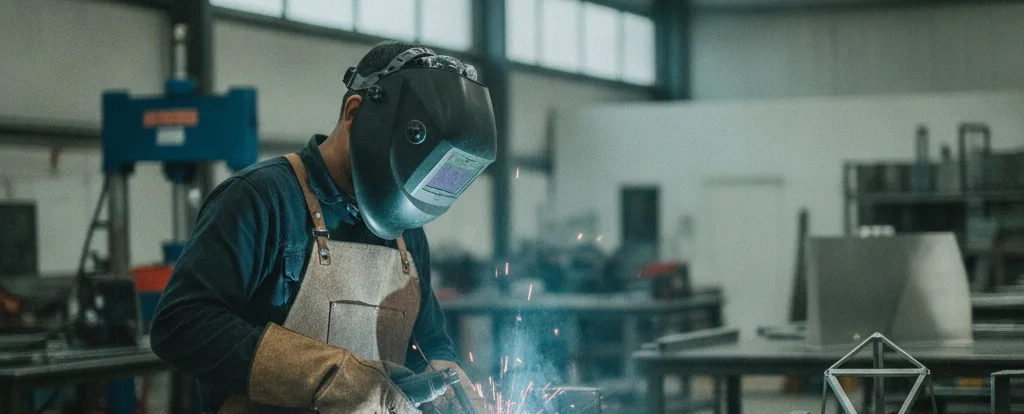
Certificate III in Engineering - Fabrication Trade
Work as a metal fabricator or welder
Cut, shape and join metal to make structures and components, reading technical drawings and working in a workshop or on site.
Median pay$87,800
- How long it takes
- About 0.5 to 4 years full time at TAFE NSW
- What it costs
- $6,283 at Chisholm Institute if you're eligible for a subsidised place, or $22,248 full fee
- How you'll study
- On campus
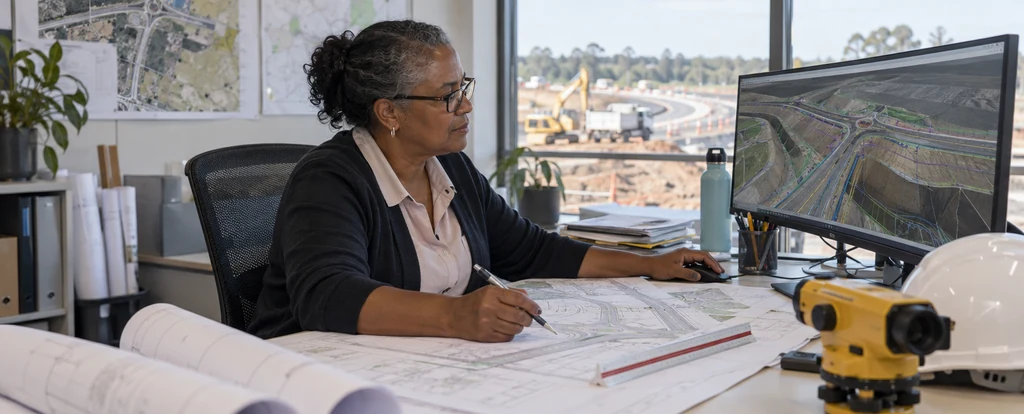
Diploma of Civil Construction Design
Work as a civil drafter
Turn survey and site information into the drawings and specifications a civil construction team builds from.
Median pay$88,400 (estimate)
- How long it takes
- 12 to 18 months full time at TAFE NSW
- How you'll study
- On campus
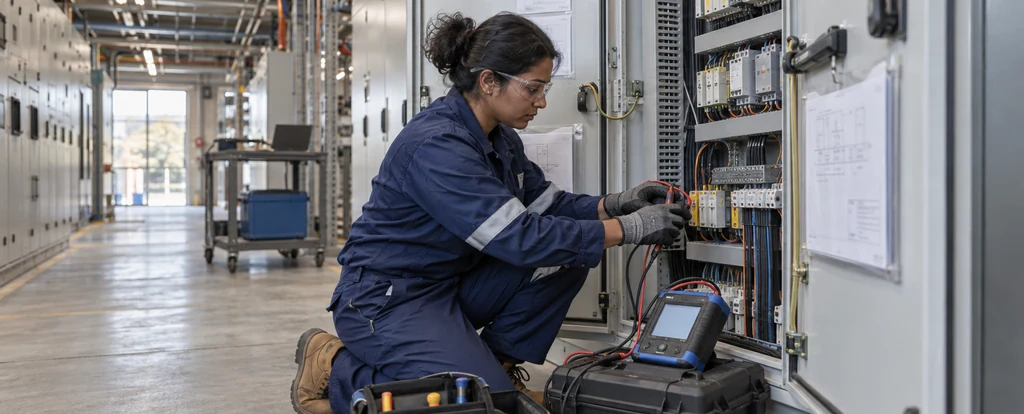
Diploma of Electrical Engineering
Work as an electrical engineering technician
Plan and specify electrical systems, write technical reports and fault-find advanced equipment rather than only installing it.
JobElectrical Engineering Technician
Median pay$91,500 (estimate)
- How long it takes
- 1 to 2 years full time at TAFE NSW
- How you'll study
- On campus
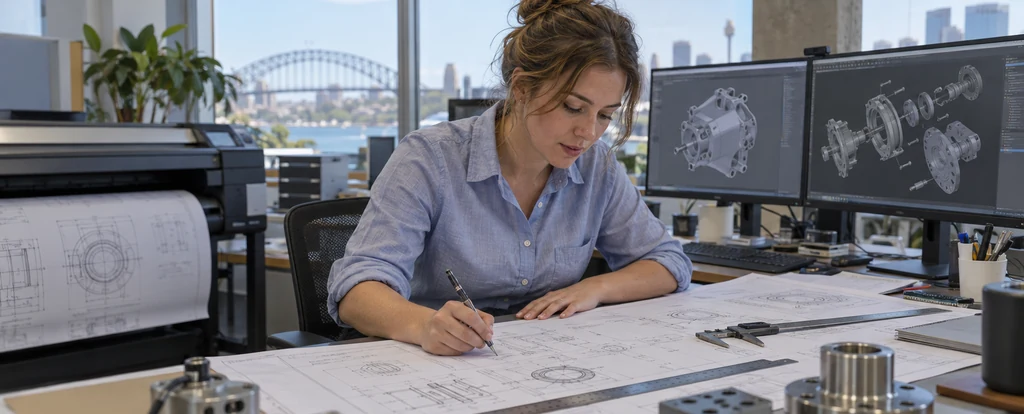
Diploma of Engineering - Technical
Work as a drafter or engineering technician
Support engineers and tradespeople by preparing drawings, applying maths to production problems and keeping jobs to specification.
Median pay$83,200 (estimate)
- How long it takes
- 1 to 2 years full time at TAFE NSW
- What it costs
- $5,651 at The Gordon if you're eligible for a subsidised place, or $12,567 full fee
- How you'll study
- Online or on campus
You don't have to do it all at once
You can start with a fabrication trade and move into technician or drafting work later. Here's how that path can look.
- Get a fabrication trade qualificationThe Certificate III is the trade qualification behind a metal fabrication apprenticeship.
- Work as a fabricator or welderBuild up workshop experience while you finish your training under a contract.
- Study a diploma while you workMove into technician or drafting work, supporting engineers on designs and specifications.
How much it costs at TAFE
If you're eligible for a government-subsidised place, you pay much less than the full fee, and in some states these courses can be free. Here's what each TAFE lists.
| TAFE | State | Advanced Diploma of Engineering | Certificate III in Engineering - Fabrication Trade | Certificate III in Engineering - Mechanical Trade | Certificate IV in Engineering Drafting | Diploma of Engineering - Technical | |||||
|---|---|---|---|---|---|---|---|---|---|---|---|
| Subsidised | Full fee | Subsidised | Full fee | Subsidised | Full fee | Subsidised | Full fee | Subsidised | Full fee | ||
| TAFE NSW | NSW | Not listed | Not listed | Not listed | Not listed | $2,680 | $15,690 | Not listed | Not listed | Not listed | Not listed |
| Chisholm Institute | VIC | Not listed | Not listed | $6,283 | $22,248 | $5,280 | $20,160 | Not listed | Not listed | $9,702 | $15,477 |
| GOTAFE | VIC | Not listed | Not listed | Not listed | $20,196 | Not listed | $19,584 | Not listed | Not listed | Not listed | Not listed |
| The Gordon | VIC | Not listed | Not listed | Not listed | Not listed | $3,619 | $20,074 | Not listed | Not listed | $5,651 | $12,567 |
| TAFE Queensland | QLD | $21,900 | $27,030 | Not listed | Not listed | Not listed | Not listed | Not listed | $10,650 | $13,820 | $18,020 |
TAFE NSWNSW
- Advanced Diploma of Engineering
- Not listed
- Certificate III in Engineering - Fabrication Trade
- Not listed
- Certificate III in Engineering - Mechanical Trade
- $2,680 subsidised
- $15,690 full fee
- Certificate IV in Engineering Drafting
- Not listed
- Diploma of Engineering - Technical
- Not listed
Chisholm InstituteVIC
- Advanced Diploma of Engineering
- Not listed
- Certificate III in Engineering - Fabrication Trade
- $6,283 subsidised
- $22,248 full fee
- Certificate III in Engineering - Mechanical Trade
- $5,280 subsidised
- $20,160 full fee
- Certificate IV in Engineering Drafting
- Not listed
- Diploma of Engineering - Technical
- $9,702 subsidised
- $15,477 full fee
GOTAFEVIC
- Advanced Diploma of Engineering
- Not listed
- Certificate III in Engineering - Fabrication Trade
- Not listed
- $20,196 full fee
- Certificate III in Engineering - Mechanical Trade
- Not listed
- $19,584 full fee
- Certificate IV in Engineering Drafting
- Not listed
- Diploma of Engineering - Technical
- Not listed
The GordonVIC
- Advanced Diploma of Engineering
- Not listed
- Certificate III in Engineering - Fabrication Trade
- Not listed
- Certificate III in Engineering - Mechanical Trade
- $3,619 subsidised
- $20,074 full fee
- Certificate IV in Engineering Drafting
- Not listed
- Diploma of Engineering - Technical
- $5,651 subsidised
- $12,567 full fee
TAFE QueenslandQLD
- Advanced Diploma of Engineering
- $21,900 subsidised
- $27,030 full fee
- Certificate III in Engineering - Fabrication Trade
- Not listed
- Certificate III in Engineering - Mechanical Trade
- Not listed
- Certificate IV in Engineering Drafting
- Not listed
- $10,650 full fee
- Diploma of Engineering - Technical
- $13,820 subsidised
- $18,020 full fee
Fees as each TAFE shows them on its website, checked 20 September 2026. “Not listed” means the TAFE doesn't show that fee online. Private colleges set their own fees.
Other university courses
- Bachelor of Engineering (Honours)4 years. The general engineering degree most universities offer, where you start with shared foundations and then choose a major such as civil, mechanical or electrical.
- Diploma of Engineering8 to 12 months. A pathway diploma covering maths, physics, design and computing, mainly used to get into a specialist engineering degree.
- Bachelor of Software Engineering3 to 4 years. Teaches how large software systems are designed, built and tested, including programming and working in a project team.
Can help with: back end developer, solutions architect, devops engineer
- Bachelor of Engineering (Honours) (Civil Engineering)4 years. Covers the design, construction and management of infrastructure such as roads, bridges, water supply and buildings.
- Bachelor of Engineering (Honours) (Mechanical Engineering)4 years. Builds a base in maths and physics, then covers mechanical design, fluids, materials and control for machines and energy systems.
- Bachelor of Engineering (Honours) - Flexible Entry1 year. An entry pathway for people who have not met the maths prerequisites or are not yet sure which discipline to pursue.
- Bachelor of Civil Engineering (Honours)4 years. Covers the design, construction and upkeep of roads, buildings, water systems and railways, with design projects and placements.
- Bachelor of Engineering (Civil) Honours4 years. Prepares you to plan, design and maintain infrastructure such as roads, bridges, tunnels and water systems.
- Bachelor of Engineering (Honours) (Electrical Engineering)4 years. About systems that generate, move, measure and control electrical power, and the electronics inside them.
- Bachelor of Engineering (Honours) (Flexible First Year)4 years. Lets you start engineering without committing to a discipline straight away, then move into a specialty stream.
- Bachelor of Engineering (Mechanical) Honours4 years. The physics and maths behind mechanical systems, then solid and fluid mechanics, dynamics, thermodynamics and design.
- Bachelor of Engineering Honours (Mechanical)4 years. For designing and improving machines, from engines and appliances to robots and vehicles, with projects and workplace experience.
- Bachelor of Engineering Science3 years. A shorter engineering degree for technologist level work. Some providers let strong students transfer into an honours degree.
- Bachelor of Engineering Technology3 years. Trains you for technical engineering work at technologist level, with majors such as civil, electrical, mechanical or aircraft maintenance.
- Diploma in Engineering1 year. An entry pathway covering the maths, science and computing that later engineering degrees build on.
- Associate Degree in Engineering2 years. Introduces university level engineering through maths, physics and first year subjects, and can lead into a bachelor degree.
- Associate Degree in Engineering Technology2 years. Teaches the technical basics of engineering, including programming and problem solving, with a specialisation in some programs.
- Associate Degree of Engineering2 years. Covers the technical side of engineering such as testing, drawing and commissioning, often with a choice of specialisation.
- Bachelor of Engineering (Chemical) Honours4 years. Looks at how raw materials become products at industrial scale, from food and medicines to water treatment and energy.
- Bachelor of Engineering (Electrical) (Honours)4 years. Deals with electrical and electronic systems from tiny circuits to power networks, including control theory and power engineering.
- Bachelor of Engineering (Environmental) (Honours)4 years. Applies engineering to pollution control, waste, water supply and restoring natural systems.
- Bachelor of Engineering (Honours) (Aeronautical Engineering)4 years. Focuses on the design, building and operation of aircraft and spacecraft, including aerodynamics, structures and propulsion.
- Bachelor of Engineering (Honours) (Civil)4 years. Trains you to plan and look after roads, bridges, water systems and buildings, with work placement and design projects.
- Bachelor of Engineering (Honours) (Electrical and Electronic)4 years. Covers how electrical energy is produced and delivered, and how electronic devices and control systems are designed.
- Bachelor of Engineering (Honours) (Environmental)4 years. Combines general engineering with environmental science for work on water quality, waste, pollution and land impacts.
- Bachelor of Engineering (Honours) (Mining)4 years. About finding, removing and refining minerals, and planning mines that operate safely, including rock behaviour and ventilation.
- Bachelor of Engineering (Maritime) Honours4 years. For work with ships, offshore structures, ports and coastal works. Our checks did not confirm accreditation, so ask the provider.
- Bachelor of Engineering Honours (Chemical)4 years. About turning raw materials into products at scale in minerals, food, plastics, fuels and pharmaceuticals.
- Bachelor of Engineering Honours (Civil and Structural)4 years. Focuses on designing and managing buildings, bridges and other large structures, including cost, time and environmental effects.
- Bachelor of Engineering Honours (Electrical and Electronics)4 years. Covers electronic devices, computer and telecommunications systems, control and electrical power, with industry experience.
- Bachelor of Environmental Engineering (Honours)4 years. Prepares you for work on water pollution, waste, soil contamination and climate effects on infrastructure.
- Bachelor of Mechanical Engineering (Honours)4 years. Covers how machines, mechanical systems and energy equipment are designed, built and maintained, with design projects throughout.
- Bachelor of Mechatronics Engineering (Honours)4 years. Joins electronics, computing and mechanical design so you can design and program robots and automated systems.
- Graduate Certificate in Engineering6 months. A short postgraduate course in technical and professional skills, with some providers offering an area of focus.
- Undergraduate Certificate in Engineering6 months. A starting point for engineering study, giving a grounding in science and maths before a degree.
Other certificates and diplomas
- Advanced Diploma of Engineering1 year. For para-professional and advanced technician work between the trades and the engineers, with a choice to specialise or keep your study broad.
- Certificate II in Engineering6 to 12 months. An entry level course for people starting out in engineering, before a trade qualification or further study.
- Certificate III in Engineering - Mechanical Trade2.5 to 4 years. The trade qualification behind a mechanical fitter or machinist, usually completed as an apprenticeship in a workshop.
- Certificate III in Engineering - Production Systems1 to 2 years. For people working on a production floor in metal, engineering or manufacturing, usually as an apprenticeship or traineeship.
Can help with: assembler, machine operator, quality inspector
- Certificate IV in Engineering Drafting18 months. Trains you as an engineering detail draftsperson, turning design intent into the drawings a workshop or site builds from.
- Diploma of Electronics and Communications Engineering2 years. For hands-on troubleshooting work installing, testing and maintaining electronic and communications systems.
- Diploma of Engineering - Advanced Trade1 to 2 years. For people already in an engineering trade who want more depth, and to pass their skills on to others in the team.
Jobs you can do with this study
Pay is the median for everyone in the job, not a starting salary.
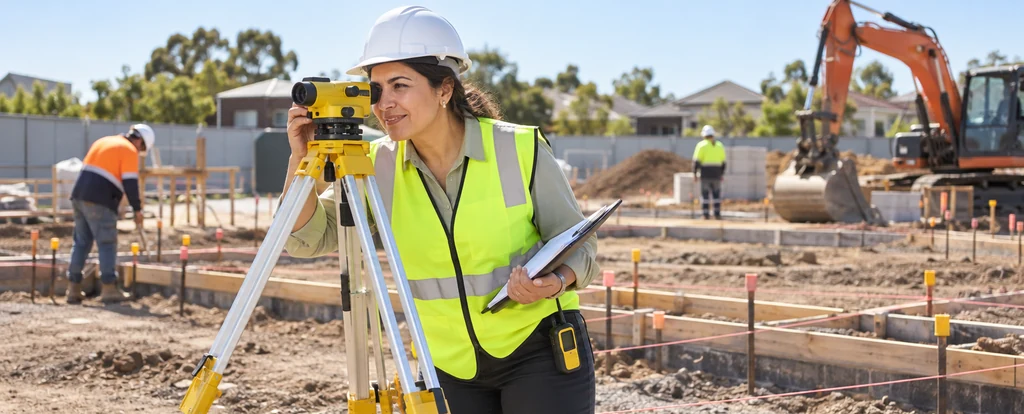 Civil EngineerWhat you needBachelor degree (Honours) or bachelor degreeMedian pay$115,300In demand
 Chemical EngineerWhat you needBachelor degreeMedian pay$148,100
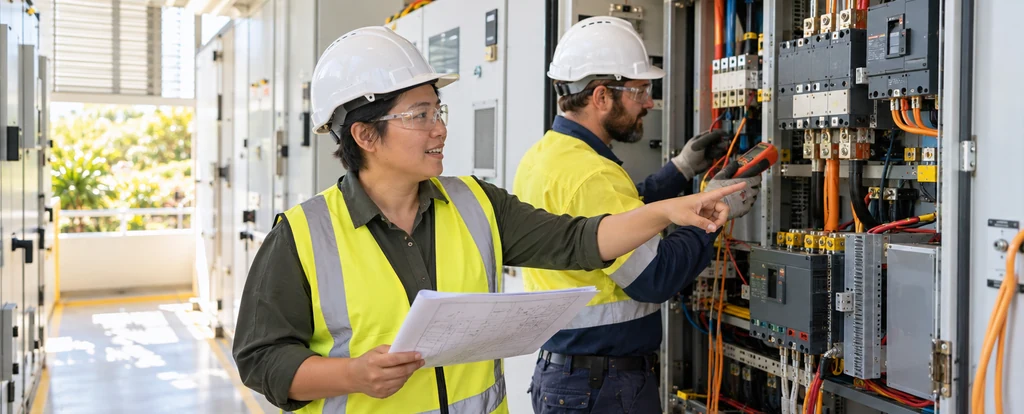 Electrical EngineerWhat you needBachelor degree (Honours) or bachelor degreeMedian pay$132,800In demand
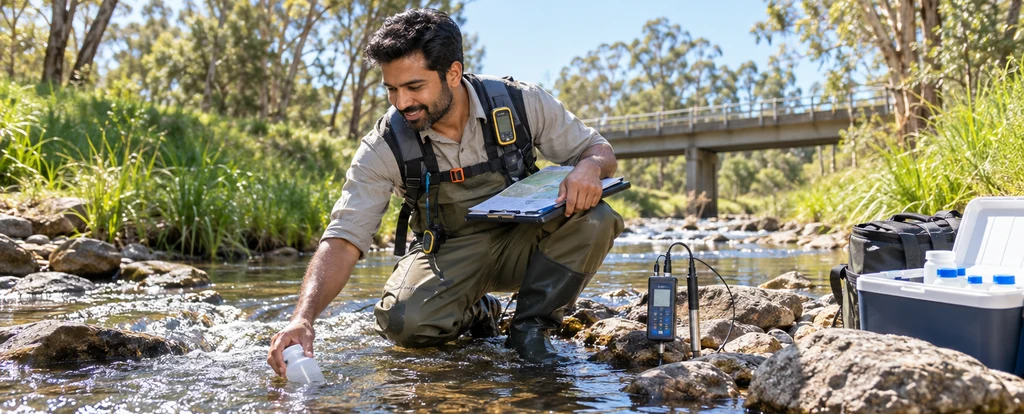 Environmental EngineerWhat you needBachelor degree or bachelor degree (Honours)Median pay$137,700
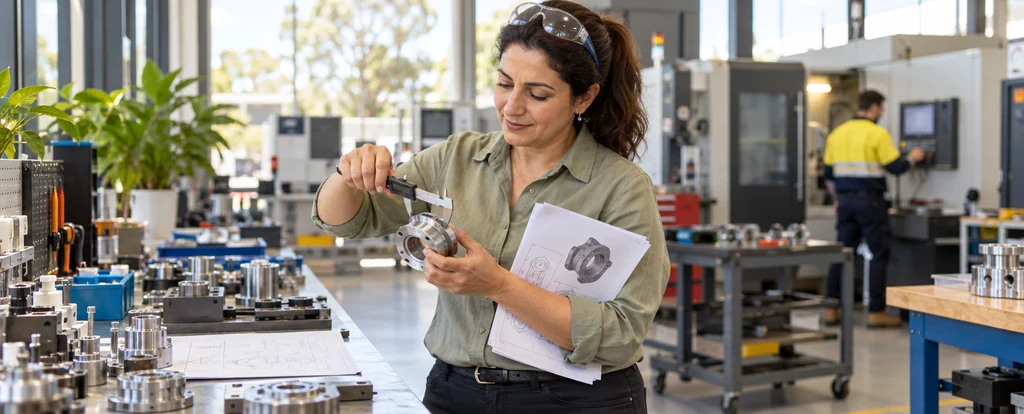 Mechanical EngineerWhat you needBachelor degree (Honours) or bachelor degreeMedian pay$135,900In demand
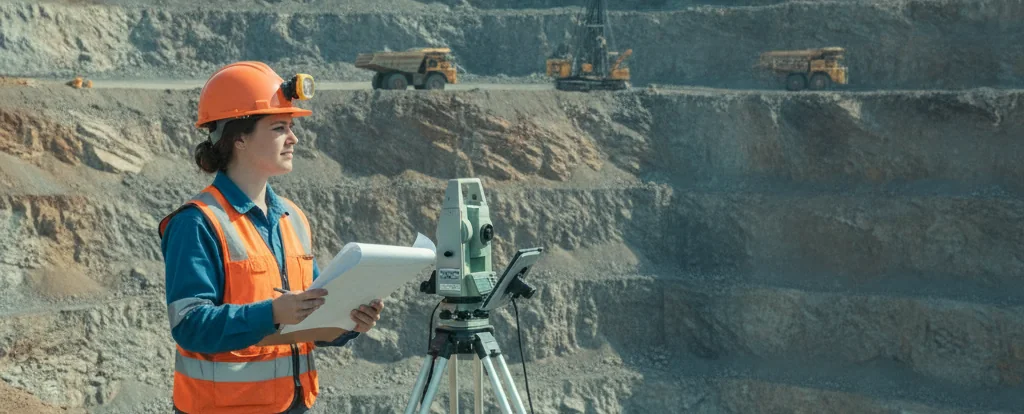 Mining EngineerWhat you needBachelor degree (Honours)Median pay$182,900In demand
 Mechatronics EngineerWhat you needBachelor degreeMedian pay$143,600In demand
 Software EngineerWhat you needBachelor degreeMedian pay$131,900
- Metal FabricatorWhat you needCertificate IIIMedian pay$87,800In demand
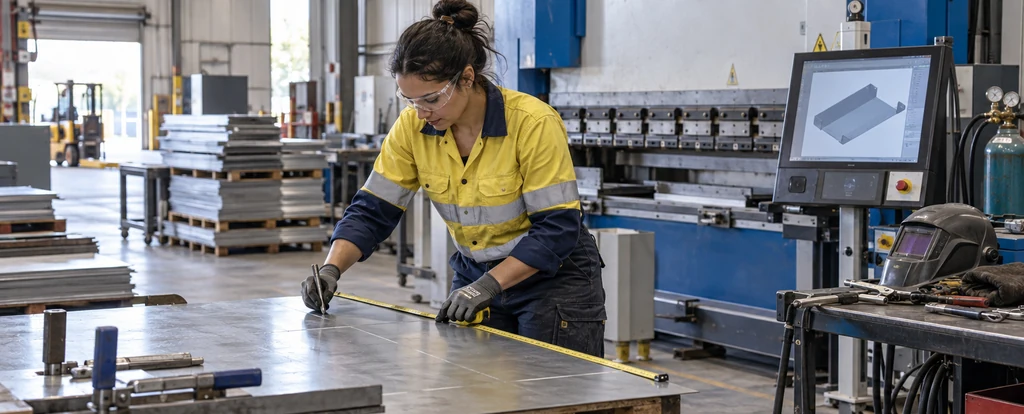 Sheet Metal WorkerWhat you needCertificate IIIMedian pay$71,800 (estimate)In demand
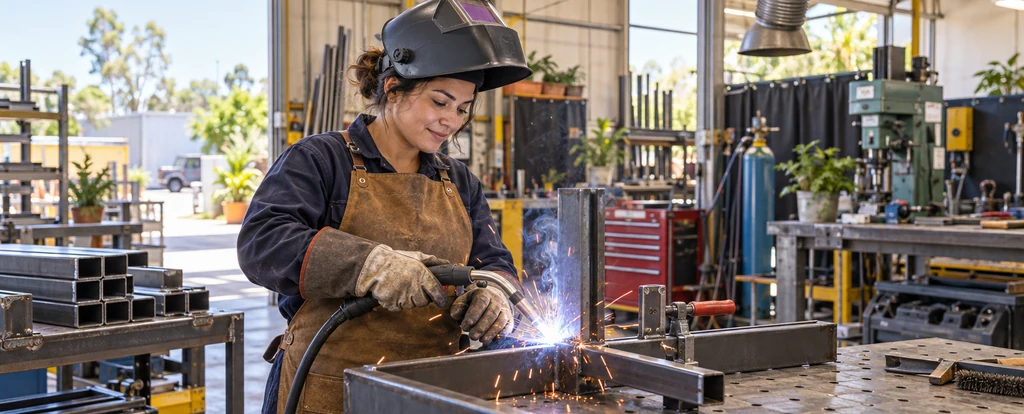 WelderWhat you needCertificate IIIMedian pay$87,800In demand
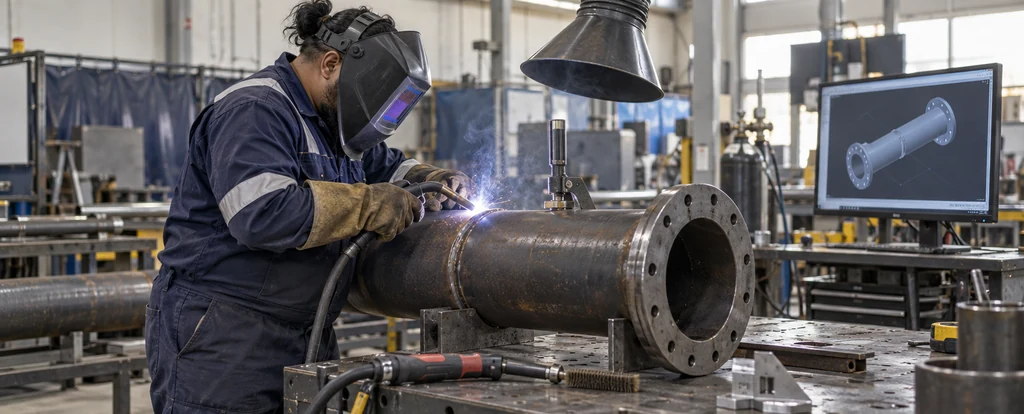 Pressure WelderMedian pay$96,200 (estimate)In demand
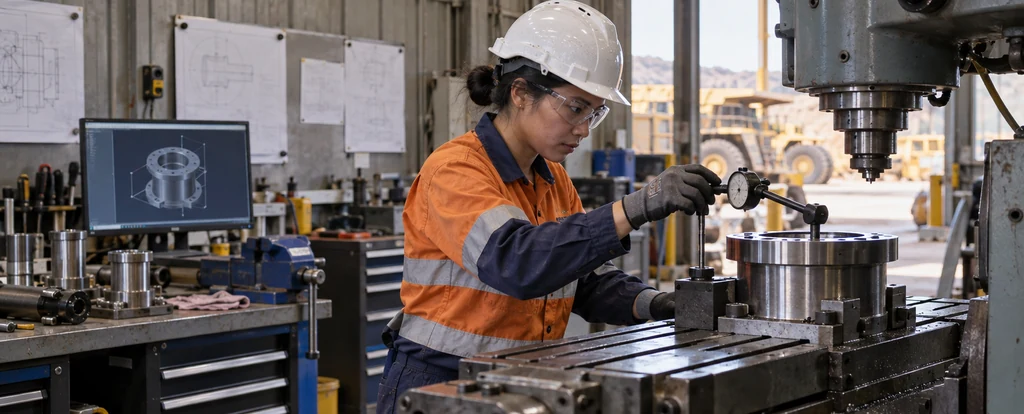 FitterWhat you needCertificate IIIMedian pay$91,000 (estimate)In demand
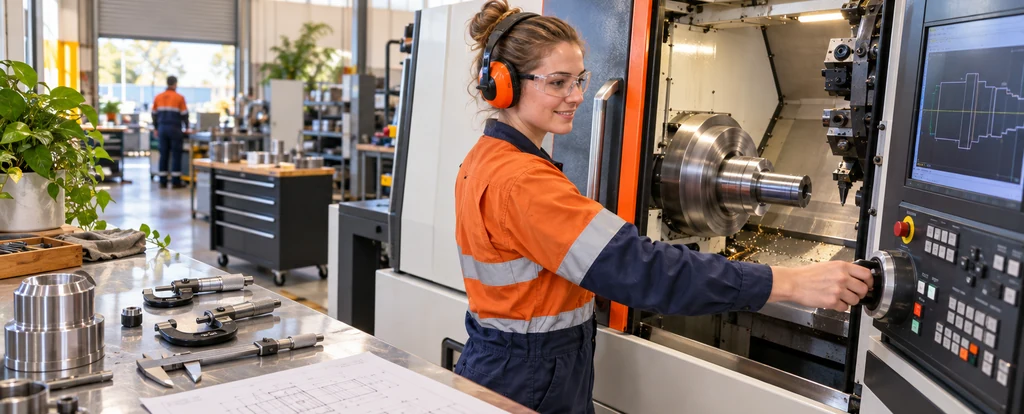 Fitter and TurnerWhat you needCertificate IIIMedian pay$85,800 (estimate)In demand
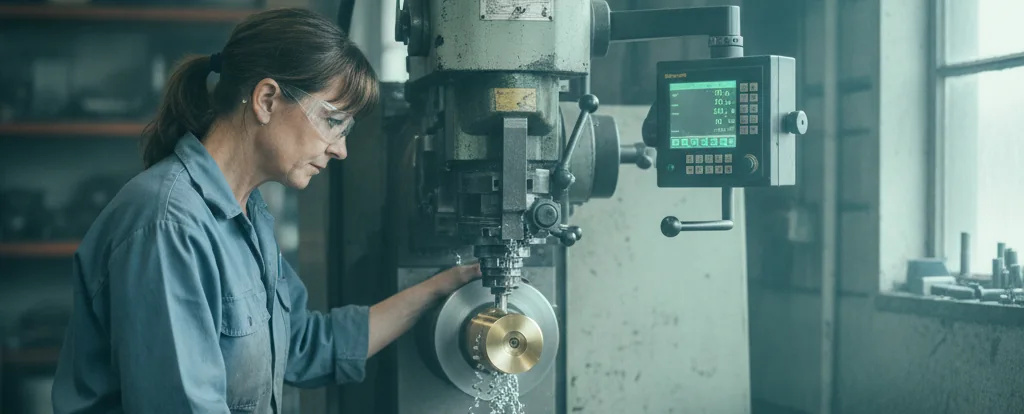 Metal MachinistWhat you needCertificate IIIMedian pay$135,500In demand
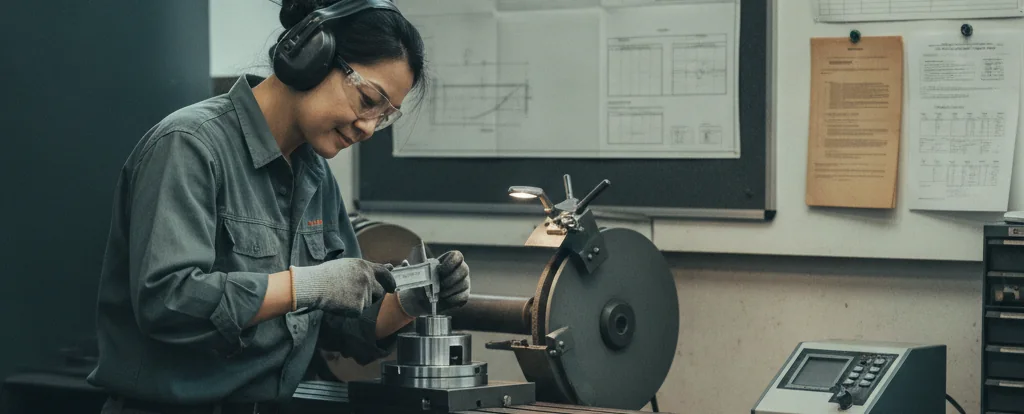 ToolmakerWhat you needCertificate IIIMedian pay$65,000 (estimate)In demand
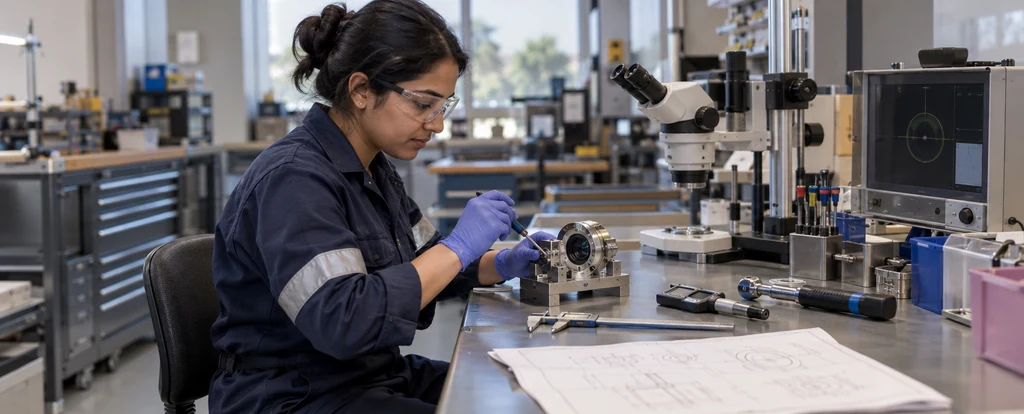 Precision Instrument MakerMedian pay$78,000 (estimate)In demand
 DrafterWhat you needCertificate IVMedian pay$73,800 (estimate)
- Mechanical DrafterWhat you needCertificate IV or diplomaMedian pay$83,200 (estimate)In demand
- Civil DrafterWhat you needDiplomaMedian pay$88,400 (estimate)In demand
- Electrical Engineering TechnicianWhat you needDiplomaMedian pay$91,500 (estimate)In demand
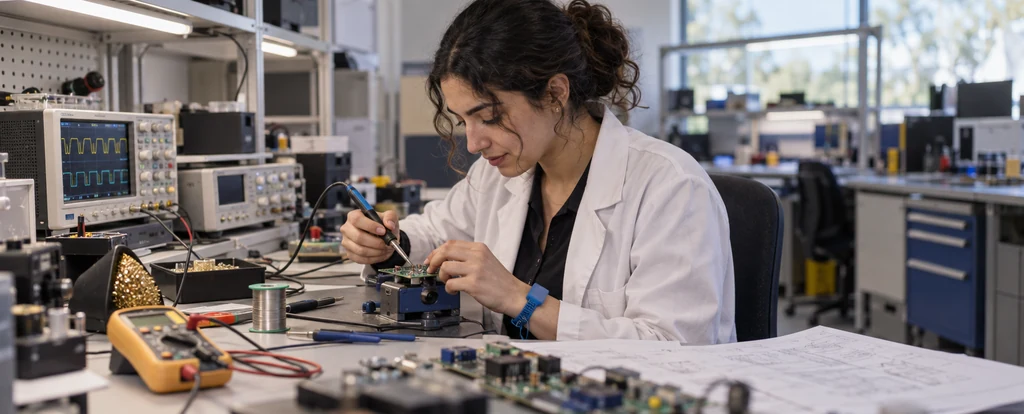 Electronic Engineering TechnicianWhat you needDiplomaMedian pay$111,400In demand
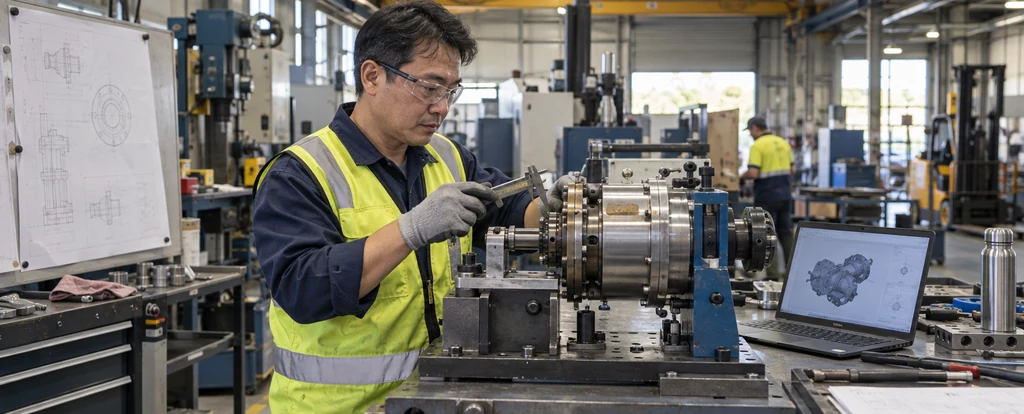 Mechanical Engineering TechnicianWhat you needDiplomaMedian pay$93,600 (estimate)In demand
“In demand” means the job is on the national skills shortage list. Pay marked as an estimate is our own analysis, not a published figure. Check the course and provider are approved for the work you want, as rules differ by state.
Still not sure which one fits you?
Answer a few quick questions about your time, state and budget, and we'll show the courses that suit you.