Ski Patroller
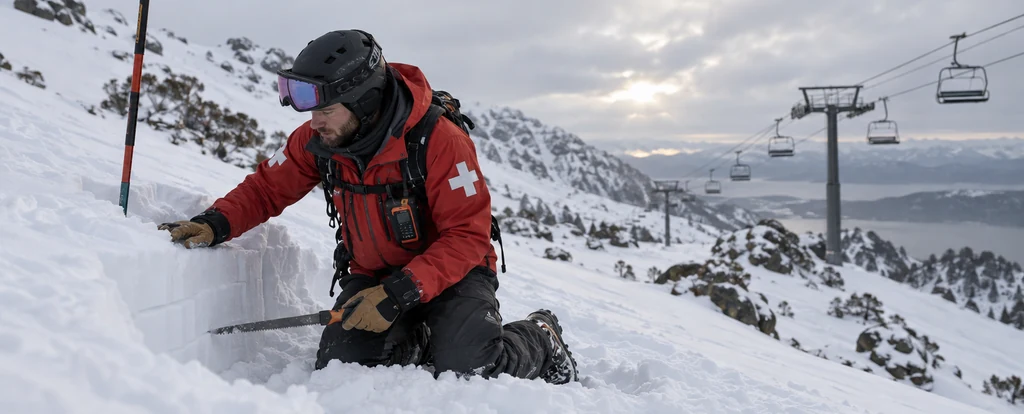
Ski patrollers keep the runs safe and get injured skiers off the mountain, checking snow stability, marking hazards and running rescues.
- Median salary*
- $65,000
4.0%vs last year, before tax
- People employed*
- 700
0.0%vs last year
- Projected growth*
- −1.5%
to 2035
- AI exposure*
- Low
- automation risk
- Average hours*
- 38/wk
−2h vs all jobs
- Shortage status*
- Not in shortage
national
Ski patrollers work on the mountain itself, usually for an alpine resort, spending the day on skis or a board rather than indoors. The job splits between prevention, which is snow safety, hazard marking and enforcing resort rules, and response, which is first aid, toboggan transport and lift evacuation. Most positions are winter-season roles, and the workforce is small enough that hiring happens in a short window each year.
How much do ski patrollers earn?
The median full-time salary for a ski patroller is $65,000 per annum, before tax, up $13,600 since 2018.
What you earn depends on the resort, the award or enterprise agreement covering alpine staff, and how much of the year you actually work, since most patrol jobs run through winter only. Senior patrollers, avalanche forecasters and those with nursing or paramedic qualifications tend to be paid above the base rate, and staff accommodation at some resorts changes what the package is worth. Volunteer and casual patrol arrangements pay differently again.
What does a ski patroller do day to day?
The list below is what fills most weeks; the exact mix shifts with seniority and whatever stage the current work is at.
- Checking the morning weather and snowpack report before the lifts open
- Testing snow stability and carrying out avalanche control with explosives and ski cutting before the public is let onto the hill
- Patrolling runs to mark hazards, check signage and enforce resort safety rules
- Treating injured skiers on the slope and skiing or boarding them down in a rescue toboggan
- Evacuating a stopped chairlift and running rescue drills with the rest of the patrol
What skills do ski patrollers need?
Employers look for emergency response, patient care and support, clinical assessment and treatment, backed by Avalanche transceiver fluency and strong safety and compliance awareness.
Specialist skills
- Emergency response
- Patient care and support
- Clinical assessment and treatment
Software and tools
- Avalanche transceiver
- Snowpack stability tests
- Explosives for avalanche control
- First aid and trauma kit
- Ski patrol toboggan
General skills
- Safety and compliance awareness
- Physical stamina and dexterity
- Written communication
- Problem solving
Is the job growing?
About 700 people work as ski patrollers in Australia, and employment is projected to decline 1.5% over the decade to 2035. That's a real decline, worth weighing carefully before training into the role.
How do you become a ski patroller?
Here's the path most ski patrollers take, step by step.
- 1Get your skiing or boarding to a high standard
Patrollers ski or board all day in any conditions, often towing a loaded toboggan, so strong resort-level ability is the starting point. Racing, instructing or backcountry experience all help.
- 2Build the medical side of the job
Most entrants hold at least a senior first aid certificate, and many come from nursing, paramedicine or outdoor education where patient care training goes further. Around 38% of ski patrollers hold a bachelor degree, while a diploma or certificate in outdoor leadership is also a recognised route.
- 3Apply through the resort's seasonal recruitment
Alpine resorts hire patrol teams ahead of winter, often from the middle of the year, and the process tests snow skills and first aid together. Some patrollers start through volunteer patrols or nearby resort work such as lift operations, snowmaking or ski school.
- 4Add avalanche and explosives qualifications
Avalanche control work with explosives requires an explosives or shotfirer's licence under the rules of the state you're working in, along with in-house training from the resort. Avalanche courses, including those run by overseas industry bodies, are what make patrol work in Canada, Japan and New Zealand possible.
- 5Move into snow safety or patrol leadership
After a few seasons, patrollers often take on forecasting, supervision or training duties, which are more likely to run year-round and pay more. Others move into outdoor education, emergency services or resort management.
Ready to apply as a ski patroller?
Whether you're working toward becoming a ski patroller or already are one and want a hand with the next step (sharpening your resume for ATS screening, tightening your cover letter, or knowing what you'll actually be asked at interview), here are examples grounded in this specific role, not generic templates.
What jobs can a ski patroller move to?
Moving into First Aid Trainer typically comes with the biggest pay rise, worth $7,800 a year more on average.
| Move to | Typical pay change | Overlap | Retraining |
|---|---|---|---|
| First Aid Trainer Ski patroller's advanced first aid and rescue experience transfers to teaching first aid. | +$7,800 | 55% | short course |
| Lifeguard Both roles involve rescue, first aid and patrol skills, with a short course to adapt from snow to surf. | −$15,700 | 53% | short course |
Moves are chosen from Jobs and Skills Australia's Data on Occupation Mobility, which follows income tax records between 2011-12 and 2020-21, together with entry requirements and skill overlap. A known move is one people were seen making in that data. Pay change compares median full-time pay for the two roles.
Who works as a ski patroller?
The typical ski patroller is 32 years old; 75% are men, 60% work full-time, and full-timers average 38 hours a week.
- 32
- Median age
- 25%
- Female share
- 60%
- Full-time
- −2h
- vs all-jobs avg
What's it like being a ski patroller?
The day starts before the lifts do, with weather and snowpack checks and any avalanche control finished before the public arrives. After that it's patrolling, first aid and whatever the mountain produces, so the pace swings between routine and full emergency within the same shift. It suits strong skiers who are comfortable making decisions in poor visibility and happy to spend a season living in a resort town.
What people like
- You're outside and moving all day. This is skiing or boarding with a purpose, on the mountain rather than watching it from a chair, and very little of the work happens indoors.
- Your decisions show up on the hill. Closing a run before it slides, or getting an injured skier down quickly, are results you can trace back to your own judgement that morning.
- Patrol crews are small and close. Teams work together in serious conditions, with everyone relying on the person beside them, which builds working relationships people stay in the job for.
- The season has a clear end. A winter contract suits people who want to travel, study or take a second season at a northern hemisphere resort in the other half of the year.
What people find hard
- Work is seasonal. Most patrol jobs run through winter only, so income has to stretch across the year unless you line up summer work or a second season overseas.
- The worst weather is the busiest. Storm days, whiteouts and deep cold are when patrols are needed most, and the job doesn't pause for them.
- Serious injuries are part of it. Patrollers deal with head, spinal and knee injuries and occasionally deaths, often while the patient's friends and family are standing nearby.
- It wears on the body. Skiing or boarding with a loaded toboggan day after day takes a toll on knees, backs and hands, and many patrollers move to other work as they get older.
Based on our synthesis of professional-body surveys and public accounts of the role, not first-person verified reviews.
Which industries employ ski patrollers?
Sports and Recreation Activities employs the largest share of ski patrollers, followed by Accommodation.
Top employing industries
- 1Sports and Recreation Activities
- 2Accommodation
- 3Food and Beverage Services
- 4Tourism
Ranked by employment share; the source doesn't publish an exact percentage per industry.
| Bachelor degree | 38% | |
|---|---|---|
| Diploma / Advanced Diploma | 24% | |
| Certificate III/IV | 20% | |
| Postgraduate | 10% | |
| Other | 8% |
Will AI replace ski patrollers?
Ski patrolling is one of the least exposed jobs on the mountain, because the decisions that matter are made outdoors in the snow rather than on a screen. Software sits behind the work in forecasting, incident reporting and scheduling, and it makes the paperwork faster without changing who makes the call. Avalanche forecasting tools can sharpen a hunch about a wind-loaded slope, but someone still has to stand on it and decide.
Share of typical working time by exposure level
- Snow safety and avalanche controlReading a snowpack and deciding whether to close a run or use a charge is a judgement made on the slope, with forecasting tools only informing it.30%low
- Injury response and patient careAssessing and moving a patient on a steep, icy run is physical work in bad weather, and no system has hands in that.30%low
- Patrolling runs and marking hazardsPatrollers still spot the exposed rock or the wind-loaded slope themselves, though apps now log hazard locations and share them across the team.22%moderate
- Recording incidents, weather and snow safety notesDigital forms and automated weather feeds have replaced much of the paper, but someone still has to make and verify the observation.18%moderate
Common questions about becoming a ski patroller
Straight answers to the questions people ask most.
How much do ski patrollers earn?
Ski patrollers earn $65,000 per year before tax, based on full-time workers. Because most patrol jobs are winter only, what you take home over a year depends heavily on whether you work a second season or summer employment.
How do you become a ski patroller?
You need strong snow skills, a senior first aid certificate and a resort that's hiring. Beyond that, the common backgrounds are outdoor education, nursing or paramedicine, and applicants with avalanche training and an explosives licence stand out in seasonal recruitment.
Are ski patrollers in demand?
Ski patroller roles are currently not in shortage, and employment is projected to decline 1.5% over the decade to 2035 over the decade to 2035. The occupation is small and hiring is concentrated in the weeks before each winter, so getting your application in early in the resort's recruitment cycle matters more than waiting for an advertised vacancy.
Will AI replace ski patrollers?
No. Ski patrolling is among the least exposed jobs on the mountain, because the core decisions about snow stability and patient care are made in the snow by someone who is there. Forecasting software and digital snow safety platforms sharpen the picture and speed up record keeping, but they don't put anyone on the hill.
What else can ski patrollers do?
Teaching first aid is a natural move, since you already hold advanced first aid qualifications and the pay is $7,800 more. Lifeguarding uses similar rescue, patrol and patient care skills, with a short course to adapt from alpine conditions to surf. Ski instructors with rescue training sometimes come the other way into patrol work.
Do ski patrollers work all year?
Most don't. Patrol teams are built for the winter season and stand down when the snow goes, so patrollers either follow the season to the northern hemisphere, take summer outdoor work, or move into year-round resort roles such as snow safety, training or management.
Related roles
Not sure this is you? Take the career quiz and get a ranked shortlist of roles that fit how you like to work.