Ski Instructor
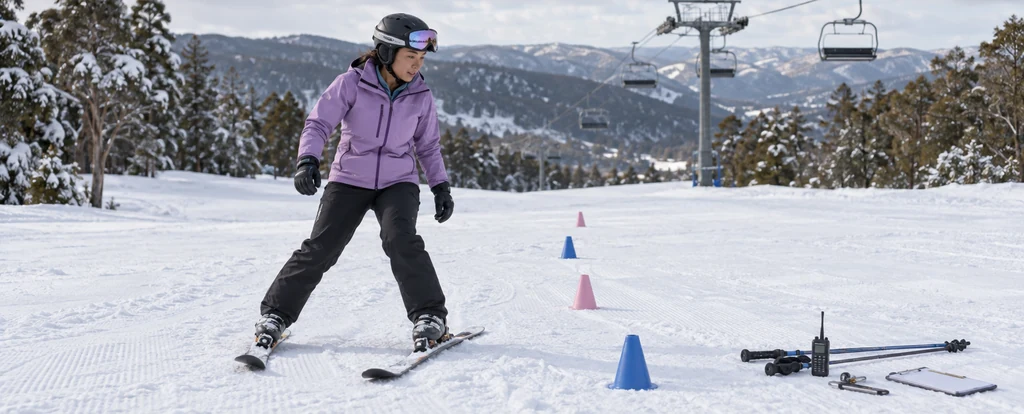
Ski instructors teach snowsports technique to guests of all ages at alpine resorts, mostly through the Australian snow season.
- Median salary*
- $57,200
4.6%vs last year, before tax
- People employed
- 680
2.9%vs last year
- Projected growth
- +12.1%
to 2035
- AI exposure*
- Low
- automation risk
- Average hours
- 38/wk
−2h vs all jobs
- Shortage status
- Not in shortage
national
Ski instructors work at alpine resorts, teaching group and private lessons in skiing or snowboarding across a wide spread of ages and abilities. The work is seasonal and concentrated between June and October in Australia, so many instructors combine it with hospitality or lodge jobs, or follow the snow to Japan, Canada or Europe for the northern winter. It is a different job from ski patrolling, which is a rescue and medical role: instructors teach and manage a class, and spend the day moving between lesson groups rather than responding to incidents on the mountain.
How much do ski instructors earn?
The median full-time salary for a ski instructor is $57,200 per annum, before tax, up $12,100 since 2018.
Pay is usually hourly and casual, so what you earn across a season depends on how many lessons you are rostered for during a season that runs only a few months. Certification level moves the rate: a level 2 or 3 instructor can take advanced classes and higher-value private lessons, and private lessons generally pay more per hour than group classes. Some resorts throw in staff accommodation, meals or a season pass, which changes what the package is worth even when two hourly rates look similar.
What does a ski instructor do day to day?
The list below is what fills most weeks; the exact mix shifts with seniority and whatever stage the current work is at.
- Assessing each student's ability at the start of a lesson and setting a goal for the hour
- Demonstrating turns, edging, stopping and riding lifts, then watching students copy them
- Supervising classes on lifts and runs and changing the plan when the snow or weather turns
- Checking and adjusting skis, boards and bindings before a class and at equipment collection
- Giving feedback during the lesson and a short progress update to parents at the end
What skills do ski instructors need?
Employers look for teaching and instruction, emergency response, backed by Lesson booking and point-of-sale systems (for example Siriusware) fluency and strong safety and compliance awareness.
Specialist skills
- Teaching and instruction
- Emergency response
Software and tools
- Lesson booking and point-of-sale systems (for example Siriusware)
- Two-way radios
- Bureau of Meteorology and resort snow and avalanche reports
- Binding adjustment and testing tools
General skills
- Safety and compliance awareness
- Written communication
- Customer service
- Physical stamina and dexterity
- Problem solving
Is the job growing?
About 680 people work as ski instructors in Australia, and employment is projected to grow 12.1% over the decade to 2035. That's healthy, above-average growth, and the role should stay in solid demand.
How do you become a ski instructor?
Here's the path most ski instructors take, step by step.
- 1Get your own skiing or riding to a confident intermediate level
You need to ski or snowboard well enough to demonstrate turns and handle whatever terrain the class is on, so most instructors arrive with years of recreational experience before they start teaching.
- 2Complete an entry-level instructor certification
APSI (Australian Professional Snowsport Instructors) runs level 1 courses and assessments, usually over a few days at a resort, covering teaching method, class management and snow safety. It is the qualification Australian resorts recognise, and it is a short course rather than a university degree.
- 3Add a first aid certificate and a working with children check
Resorts generally ask for both before you can teach children, and a current first aid certificate is often a condition of ongoing employment. Both can be sorted out before the season starts, and neither is expensive.
- 4Apply to resorts in autumn, ahead of the season
Australian resorts recruit for the June to October season from around March, often through hiring clinics, interviews in the cities or a skills assessment at the resort. Places at the larger resorts fill early, so late applications usually mean a shorter roster or no start.
- 5Build up certification levels over several seasons
Each level opens more advanced classes, private lessons and training roles, and APSI levels are recognised by a number of overseas snowsport schools, which is how many instructors work year round by moving between hemispheres.
Ready to apply as a ski instructor?
Whether you're working toward becoming a ski instructor or already are one and want a hand with the next step (sharpening your resume for ATS screening, tightening your cover letter, or knowing what you'll actually be asked at interview), here are examples grounded in this specific role, not generic templates.
What jobs can a ski instructor move to?
Moving into Sports Administrator typically comes with the biggest pay rise, worth $90,700 a year more on average.
| Move to | Typical pay change | Overlap | Retraining |
|---|---|---|---|
| Sports Administrator Teaching and safety experience support sports management, but a substantial course is required to move into administration. | +$90,700 | 13% | reskill |
| Ski Patroller On-snow skills and rescue awareness are strong foundations, but medical and avalanche training are needed. | +$7,800 | 41% | reskill |
| Dive Instructor Instructing and safety skills transfer directly to the water, with a short course needed for dive certification. | +$2,600 | 71% | short course |
| Sailing Instructor Teaching technique and risk management carry over, with a short course to gain sailing qualifications. | +$2,600 | 67% | short course |
| Rafting Guide Outdoor leadership and group safety transfer, though river guiding requires a short course and local knowledge. | +$2,600 | 47% | short course |
Moves are chosen from Jobs and Skills Australia's Data on Occupation Mobility, which follows income tax records between 2011-12 and 2020-21, together with entry requirements and skill overlap. A known move is one people were seen making in that data. Pay change compares median full-time pay for the two roles.
Who works as a ski instructor?
The typical ski instructor is 25 years old; 54% are men, 16% work full-time, and full-timers average 38 hours a week.
- 25
- Median age
- 46%
- Female share
- 16%
- Full-time
- −2h
- vs all-jobs avg
What's it like being a ski instructor?
A ski instructor's day is built around lessons, with a roster that starts before the lifts open and often runs into the afternoon, most of it spent standing and moving on snow in the cold. The pace lifts during school holidays and weekends, when classes are full and instructors teach back to back. People who stay with it tend to like the mix of being outdoors, working with a group and seeing a skill click for someone, and they accept that the income is seasonal and tied to the weather.
What people like
- You are on the snow, not in an office. A teaching day is spent outside on the mountain, which is the main reason many people take the job in the first place.
- Watching a beginner get it. The moment a first-timer stops falling and links a few turns is an immediate, visible result, and repeat students often come back and ask for you by name.
- A season with a clear end. The Australian season wraps up around October, and plenty of instructors use the break to travel or pick up a northern hemisphere winter in Japan, Canada or Europe.
- A social workplace. Instructors usually share accommodation and spend the season with the same group of people, which suits anyone treating it as a working season rather than a long-term career.
What people find hard
- Your income follows the weather. A poor snow year means fewer lessons, cancelled days and shorter rosters, and there is no way to make that time back on the mountain.
- Casual and seasonal by default. Most positions are casual for a few months, so the work is difficult to build a full year's income around without a second job.
- Beginner classes repeat. A large share of lessons are first-timers on the same gentle slope, and teaching the same basics several times a day wears thin for some instructors.
- Cold, physical days. You are standing, skating and lifting students' equipment in freezing conditions for hours, and fatigue and numb hands are simply part of it.
Based on our synthesis of professional-body surveys and public accounts of the role, not first-person verified reviews.
Which industries employ ski instructors?
Education and Training employs the largest share of ski instructors, followed by Arts and Recreation Services.
Top employing industries
- 1Education and Training
- 2Arts and Recreation Services
- 3Transport, Postal and Warehousing
Ranked by employment share; the source doesn't publish an exact percentage per industry.
| Year 12 or below | 41.5% | |
|---|---|---|
| Bachelor degree | 26.3% | |
| Certificate III/IV | 14.1% | |
| Postgraduate | 7.2% | |
| Diploma / Advanced Diploma | 6.1% |
Will AI replace ski instructors?
This job has low exposure to AI. Teaching someone to ski happens in real time on a shifting surface, with a class to manage and a duty of care that no tool takes over. Software already handles the parts around the lesson, such as resort booking and point-of-sale systems, snow and avalanche reporting, and video analysis that students can watch back.
Share of typical working time by exposure level
- Teaching technique on the snowReading a student's turn and correcting it as the snow changes underfoot is physical, immediate work that nothing currently does for you.55%low
- Supervising lift lines and runsGetting a group of eight children safely onto a T-bar and watching for collisions keeps a person standing on the spot, making the call in the moment.15%low
- Checking and adjusting equipmentBinding release settings and boot fit are set against a student's weight, height and ability, and someone has to do that on the snow before the lesson starts.15%low
- Bookings, snow reports and lesson notesSystems such as Siriusware allocate lessons and take payment, and progress notes increasingly go into an app rather than onto a paper card.15%moderate
Common questions about becoming a ski instructor
Straight answers to the questions people ask most.
How much do ski instructors earn?
Ski instructors earn a median of $57,200 per year before tax, based on full-time workers. Because most instructing is casual and seasonal, a first-season instructor working part of a season will often earn less than that across the year, while certification level and the number of private lessons taken push the hourly rate up.
How do I become a ski instructor?
You need an instructor certification from a body such as APSI, a first aid certificate and a working with children check, then you apply to a resort before the season opens. The level 1 course takes a few days, so it is a realistic entry point for a school leaver or someone between other jobs. Being a strong skier or rider helps, but teaching method is what the course assesses.
Are ski instructors in demand?
Ski instructors are currently not in shortage in Australia, and employment is projected to grow 12.1% over the decade to 2035. Hiring is tied to the snow season rather than year-round demand, so positions are advertised from around March and the larger resorts finalise their rosters before opening day.
Will AI replace ski instructors?
No, exposure to AI in this job is low, because the core of it is teaching a person to move on a surface that changes through the day. Booking systems, snow and avalanche reporting and video analysis already support the work by handling scheduling and giving students something to watch back. They do not take over the lesson, and the safety judgement on a busy run still belongs to the instructor.
What other jobs can ski instructors move into?
Dive instructing and sailing instructing share the teaching and safety core, and each needs only a short course to add the water qualification. Ski patrolling pays $7,800 more and builds on your on-snow experience, but it is a rescue and medical role that requires avalanche and first aid training first. Sports administration is a larger change and usually needs a substantial course, though it pays $90,700 more.
Is ski instructing a full-time job?
Mostly not: about 16% of ski instructors work full time, and the rest work casually around a season that runs only a few months. Average full-time hours are around 38 a week, though the roster stretches longer through the school holiday peaks. Many instructors hold a second job in hospitality or tourism for the rest of the year.
Related roles
Not sure this is you? Take the career quiz and get a ranked shortlist of roles that fit how you like to work.