Sport and Exercise Physician
Sport and exercise physicians are medical specialists who work out what is causing a patient's pain or limits their activity, treat it, and use exercise itself as medicine.
- Median salary*
- $197,600
3.6%vs last year, before tax
- People employed*
- 450
12.5%vs last year
- Projected growth*
- +10%
to 2035
- AI exposure*
- Low
- automation risk
- Average hours*
- 45/wk
+5h vs all jobs
- Shortage status*
- Not in shortage
national
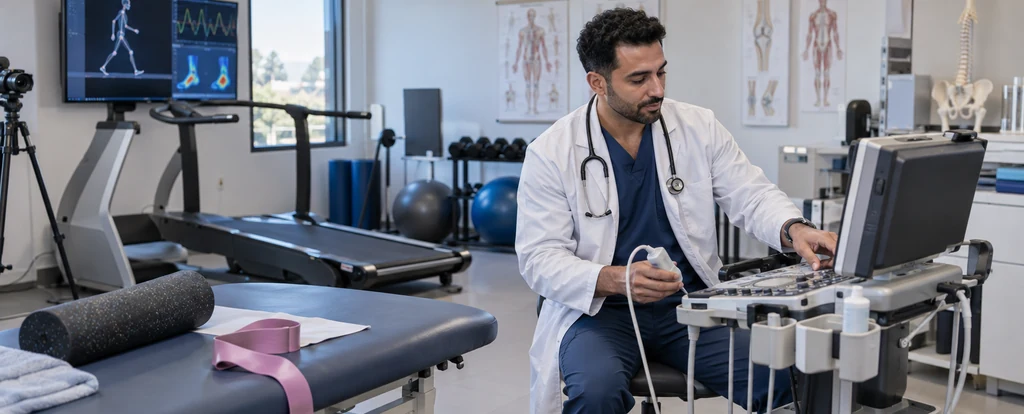
They are doctors who have completed specialist training in sport and exercise medicine, which covers both injuries and the use of exercise to treat conditions such as osteoarthritis, type 2 diabetes and heart disease. The work moves between private consulting rooms, club clinics, hospitals and the sideline, and the specialty is small, with about 450 people holding the title in Australia. Unlike an orthopaedic surgeon they do not operate, and unlike a physiotherapist they can order scans, prescribe medication and give injections, so they usually sit alongside both rather than replacing either.
How much do sport and exercise physicians earn?
The median full-time salary for a sport and exercise physician is $197,600 per annum, before tax, up $42,100 since 2018.
Pay depends mostly on how the work is structured. In private practice, income follows patient numbers and procedural work, so ultrasound-guided injections and a steady referral base matter, while salaried hospital and university posts pay less but come with leave, super and protected research time. Club contracts are rarely lucrative on their own, though the visibility they bring can help build a practice, and earnings differ between metropolitan and regional work.
What does a sport and exercise physician do day to day?
The list below is what fills most weeks; the exact mix shifts with seniority and whatever stage the current work is at.
- Assessing and diagnosing musculoskeletal injuries in clinic, often with ultrasound during the same appointment
- Performing ultrasound-guided injections into joints, tendons and bursae
- Covering training sessions and match days as team doctor, including calls on whether a player can keep going
- Prescribing graded exercise and rehabilitation, from post-operative recovery through to chronic disease management
- Coordinating care with general practitioners, physiotherapists and surgeons, and writing the letters and reports that hold a shared plan together
What skills do sport and exercise physicians need?
Employers look for patient care and support, clinical assessment and treatment, care planning and coordination, backed by Electronic Medical Records (EMR) fluency and strong written communication.
Specialist skills
- Patient care and support
- Clinical assessment and treatment
- Care planning and coordination
- Rehabilitation and therapy
- Health education and advice
Software and tools
- Electronic Medical Records (EMR)
- Musculoskeletal Ultrasound
- Gait Analysis Software
- PACS
- Force Plates
General skills
- Written communication
- Problem solving
- Empathy and interpersonal care
Is the job growing?
About 450 people work as sport and exercise physicians in Australia, and employment is projected to grow 10% over the decade to 2035. That's healthy, above-average growth, and the role should stay in solid demand.
How do you become a sport and exercise physician?
Here's the path most sport and exercise physicians take, step by step.
- 1Complete a medical degree
Four to six years, depending on whether you enter straight from school or as a graduate. Everyone takes this step first, including general practitioners who later specialise.
- 2Work in hospitals as an intern and resident medical officer
Two to three years of prevocational training, with general registration through AHPRA along the way. This is where you build the clinical judgement the specialty expects, and it is paid work.
- 3Apply to the Australasian College of Sports and Exercise Physicians
Selection is competitive and only a small number of training positions open each year. The program runs about four years and includes supervised clinics, placements with sporting teams and a research project.
- 4Finish training and gain specialist registration
Fellowship of the college leads to specialist registration with the Medical Board of Australia, which is what allows you to bill as a specialist and hold a hospital appointment.
- 5Consider the shorter routes if you are already in practice
General practitioners can apply for sport and exercise medicine training after a few years in practice, and a postgraduate diploma or masters in sports medicine is a shorter path to part of the work without the full specialist title.
Ready to apply as a sport and exercise physician?
Whether you're working toward becoming a sport and exercise physician or already are one and want a hand with the next step (sharpening your resume for ATS screening, tightening your cover letter, or knowing what you'll actually be asked at interview), here are examples grounded in this specific role, not generic templates.
What jobs can a sport and exercise physician move to?
We don't list lateral moves for sport and exercise physicians: leaving means a full new qualification rather than a career move, and the realistic routes in are covered under how to become one.
Who works as a sport and exercise physician?
The typical sport and exercise physician is 45 years old; 60% are men, 70% work full-time, and full-timers average 45 hours a week.
- 45
- Median age
- 40%
- Female share
- 70%
- Full-time
- +5h
- vs all-jobs avg
What's it like being a sport and exercise physician?
The job runs on two calendars at once: a clinic week of assessments, injections and follow-ups, and a sporting calendar that puts you on the sideline in the evenings and at weekends. Full-time hours average around 45 a week, but they spread unevenly, and a team in finals or a run of acute injuries can compress a lot into a few days. It suits doctors who like the hands-on, procedural side of medicine and are comfortable making a call with a crowd watching.
What people like
- You see the result of your work. Patients come back walking, running or playing, and you are often the person who clears them to return.
- Diagnosis happens in the room. Ultrasound, an examination and a needle mean many problems are worked out and treated in the one appointment rather than over weeks of referrals.
- Clinic and sideline in the same week. Consulting room medicine and match-day coverage use different skills, and moving between them keeps the work from settling into one routine.
- Active patients tend to follow a plan. People who want to get back to sport usually do the rehabilitation you prescribe, which makes supervising recovery satisfying.
What people find hard
- Evenings and weekends belong to the sport. Match and training coverage is when teams need you, and travel with a squad can run alongside a full clinic week.
- Getting into training is hard. The specialty is small and training positions are limited, so strong applicants can miss out in a given year and try again.
- Return-to-play calls carry weight. You decide whether someone is ready, often with a player, coach and club all hoping for a particular answer, and an early clearance can mean a worse injury.
- Most of the caseload is not elite sport. A large share of patients are ordinary people with knee pain, tendon problems or a chronic condition, which is worthwhile work but not the glamorous end of the specialty.
Based on our synthesis of professional-body surveys and public accounts of the role, not first-person verified reviews.
Which industries employ sport and exercise physicians?
Specialist Medical Services employs the largest share of sport and exercise physicians, followed by Hospitals.
Top employing industries
- 1Specialist Medical Services
- 2Hospitals
- 3Sports and Recreation
- 4Education and Training
Ranked by employment share; the source doesn't publish an exact percentage per industry.
| Bachelor degree | 52% | |
|---|---|---|
| Postgraduate | 26% | |
| Diploma / Advanced Diploma | 13% | |
| Other | 9% |
Will AI replace sport and exercise physicians?
This is a low-exposure job, because the core of it happens with your hands and in front of you: examining a joint, guiding a needle under ultrasound and deciding whether someone is safe to return to their sport. AI tools are already part of the supporting work, reading scans and ECGs, contributing to gait and force-plate analysis, and drafting clinical letters, which trims desk time rather than replacing the consultation. The judgement calls that carry the most risk sit with the specialist, and that is unlikely to change.
Share of typical working time by exposure level
- Examining and assessing patients in clinicWorking out whether a shoulder is unstable or simply sore comes from moving the joint yourself and watching how the patient responds.30%low
- Ultrasound-guided injections and proceduresHolding the probe and placing the needle accurately in a tendon or joint is a physical skill that a model cannot take over.25%low
- Interpreting imaging, ECGs and screening resultsAI already flags likely findings on scans and traces, but someone still has to match them to the history and decide whether they change the plan.25%moderate
- Writing clinic notes, referral letters and reportsDrafting a letter to a general practitioner or a report for a club is well within what language models do, with the specialist editing and signing off.20%high
Common questions about becoming a sport and exercise physician
Straight answers to the questions people ask most.
How much do sport and exercise physicians earn?
They earn $197,600 per year before tax at the median for full-time work. What you take home depends on whether you are salaried or billing privately, how much procedural work you do and whether you hold a club or hospital contract, so the range around that figure is wide.
How do you become a sport and exercise physician?
You complete a medical degree, work in hospitals for a few years, then apply to the Australasian College of Sports and Exercise Physicians for specialist training. That training takes about four years and ends with fellowship and specialist registration with the Medical Board of Australia. There is no shortcut around the medical degree.
Are sport and exercise physicians in demand?
Sport and exercise physicians are currently not in shortage, and employment is projected to grow 10% over the decade to 2035 over the decade to 2035. The workforce is small, so even steady growth works out to a modest number of new roles across the country, and many doctors build a private practice rather than wait for an advertised job.
Will AI replace sport and exercise physicians?
Not in any way that removes the doctor from the room. Software is already useful for reading imaging and ECGs, analysing gait and drafting clinical letters, but it does not examine a joint, place a needle or judge whether a player is ready to go back on.
Can a general practitioner move into sport and exercise medicine?
Yes, and it is a common route. General practitioners bring strong diagnostic and patient management skills, and can apply for sport and exercise medicine training, which is a requalification rather than a short course. At the median, sport and exercise physicians earn $70,400 more than general practitioners.
Do sport and exercise physicians only treat athletes?
No. A large part of the work is exercise medicine for people with osteoarthritis, diabetes or heart conditions, and for weekend athletes with everyday injuries. Running your own practice is a common progression in this specialty, and it is often where earnings grow.
Related roles
Not sure this is you? Take the career quiz and get a ranked shortlist of roles that fit how you like to work.