Urologist
Urologists are specialist surgeons who treat conditions of the urinary tract and the male reproductive system, from kidney stones and prostate cancer to incontinence.
- Median salary*
- $218,400
3.9%vs last year, before tax
- People employed
- 410
2.5%vs last year
- Projected growth*
- +12%
to 2035
- AI exposure*
- Low
- automation risk
- Average hours*
- 48/wk
+8h vs all jobs
- Shortage status*
- In shortage
national
Urologists work across operating theatres, outpatient clinics and wards, splitting their week between surgery and long term follow up of patients with cancers, stones and bladder problems. They are surgeons first, so they differ from nephrologists, who manage kidney disease with medicine rather than operations. Most are employed by public hospitals, work in private hospitals and see patients in private consulting rooms, often with registrars, nurses and allied health staff around them.
How much do urologists earn?
The median full-time salary for an urologist is $218,400 per annum, before tax, up $45,300 since 2018.
Pay depends heavily on how the week is split between salaried public hospital work and private practice, where surgeons bill per procedure and consult. Procedural volume, on-call load, sub-specialty and the enterprise agreement covering your public hospital all move the figure. Early in training, earnings sit much closer to other hospital doctors than to a consultant's income.
What does an urologist do day to day?
The list below is what fills most weeks; the exact mix shifts with seniority and whatever stage the current work is at.
- Running outpatient clinics to assess urinary symptoms, prostate disease and male reproductive problems
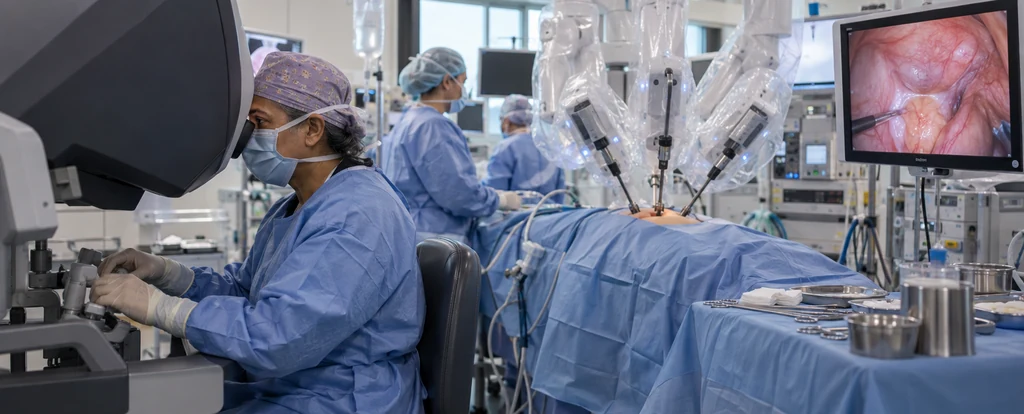
- Performing open, laparoscopic and robotic surgery such as prostatectomy and nephrectomy
- Carrying out cystoscopies and other endoscopic examinations of the bladder and urethra
- Reading urodynamic studies, pathology and imaging to plan the next step in treatment
- Following up recovery after surgery and managing chronic conditions such as incontinence and stone disease over years
What skills do urologists need?
Employers look for patient care and support, clinical assessment and treatment, medication management, backed by da Vinci Surgical System fluency and strong problem solving.
Specialist skills
- Patient care and support
- Clinical assessment and treatment
- Medication management
- Health education and advice
Software and tools
- da Vinci Surgical System
- Cystoscope
- Electronic medical records (Epic)
- Transrectal ultrasound
- PACS imaging software
General skills
- Problem solving
- Written communication
- Attention to detail
- People leadership
Is the job growing?
About 410 people work as urologists in Australia, and employment is projected to grow 12% over the decade to 2035. That's healthy, above-average growth, and the role should stay in solid demand.
How do you become an urologist?
Here's the path most urologists take, step by step.
- 1Complete a medical degree
An accredited Bachelor of Medicine, Bachelor of Surgery or Doctor of Medicine takes five to six years, and entry is competitive, usually through an undergraduate pathway or a graduate degree after a first qualification.
- 2Work as an intern and resident medical officer
You need general registration with AHPRA and at least a few years of hospital experience before applying for surgical training, which is where you build the clinical references and operative exposure that selection panels look for.
- 3Enter urology surgical training
Urology training is run through the Royal Australasian College of Surgeons with the Urological Society of Australia and New Zealand, and takes about five to six years of supervised hospital posts, exams and increasing operating responsibility.
- 4Fellowship and sub-specialty work
Fellowship of the Royal Australasian College of Surgeons qualifies you as a consultant urologist, and many surgeons then do further training in an area such as oncology, stones or reconstructive surgery.
- 5Choose your practice mix
Consultants move between public hospital appointments, private hospitals and their own consulting rooms, and the balance they strike shapes both their caseload and their income.
Ready to apply as an urologist?
Whether you're working toward becoming an urologist or already are one and want a hand with the next step (sharpening your resume for ATS screening, tightening your cover letter, or knowing what you'll actually be asked at interview), here are examples grounded in this specific role, not generic templates.
What jobs can an urologist move to?
We don't list lateral moves for urologists: leaving means a full new qualification rather than a career move, and the realistic routes in are covered under how to become one.
Who works as an urologist?
The typical urologist is 51 years old; 88% are men, 88% work full-time, and full-timers average 48 hours a week.
- 51
- Median age
- 12%
- Female share
- 88%
- Full-time
- +8h
- vs all-jobs avg
What's it like being an urologist?
The job runs on a rhythm of clinics, theatre lists and on-call, and the operating days are long and precise. Much of the satisfaction comes from fixing a problem that has a visible effect on someone's daily life, while the pressure comes from cancer diagnoses and the fact that a decision made in theatre is hard to undo.
What people like
- Procedures that change daily life. Removing a stone or relieving an obstruction often gives a patient relief within days, which is a direct result you can see.
- A mix of hands-on and thinking work. Days move between fine operative technique and the diagnostic reasoning that decides who needs an operation at all.
- Long relationships with patients. Prostate cancer and incontinence are managed over years, so you get to know the people you treat and see how treatment plays out.
- Technology that keeps developing. Robotic surgery, better imaging and endoscopic instruments have steadily changed what can be done through small incisions.
What people find hard
- Long weeks and on-call. Operating lists, clinics and emergency call add up, so evenings and weekends are regularly committed to patients or to the hospital.
- The training runway. Surgical training takes years after an already long medical degree, with exams and relocations that shape family and financial plans.
- Difficult conversations. Urology carries a high share of cancer diagnoses, and explaining a poor prognosis or a complication is part of most weeks.
- Pressure in theatre. Complications around the bladder and prostate can be serious, so concentration has to hold for the length of a long procedure.
Based on our synthesis of professional-body surveys and public accounts of the role, not first-person verified reviews.
Which industries employ urologists?
Hospitals employs the largest share of urologists, followed by Specialist medical services.
Top employing industries
- 1Hospitals
- 2Specialist medical services
- 3Private practice
- 4Outpatient care services
Ranked by employment share; the source doesn't publish an exact percentage per industry.
| Bachelor degree | 52% | |
|---|---|---|
| Postgraduate | 26% | |
| Diploma / Advanced Diploma | 13% | |
| Other | 9% |
Will AI replace urologists?
Urology has low exposure to AI because the core of the job happens with instruments in a patient's body. Software is genuinely useful in the diagnostic layer, reading prostate MRI, flagging suspicious pathology and drafting notes, but it does not operate, examine or carry the consequences of a decision. Robotic platforms are tools the surgeon drives, not autonomous systems.
Share of typical working time by exposure level
- Operating in theatreRobotic and laparoscopic systems assist with prostatectomy and nephrectomy, but every movement responds to the surgeon's hands and judgement during the case.40%low
- Clinic consultations and treatment planningAI triage can sort referrals and summarise a history, yet deciding between surveillance and surgery rests on examining the patient and discussing what matters to them.25%moderate
- Endoscopic procedures and post operative follow upCystoscopy and stone management need a hand on the instrument, though remote monitoring and patient apps have made routine follow up easier to organise.20%low
- Reviewing imaging, pathology and urodynamic resultsAlgorithms already flag suspicious lesions on prostate MRI and CT and pre-read pathology slides, which shortens the work of finding them but not of interpreting them in context.15%high
Common questions about becoming an urologist
Straight answers to the questions people ask most.
How much does a urologist earn in Australia?
The median full-time pay is $218,400 per annum, before tax. That figure sits across salaried public hospital consultants and private surgeons, so it is a guide rather than a starting point. Income moves with procedural volume, on-call duties and how much private practice you take on.
How do you become a urologist?
You complete a medical degree, work several years as an intern and resident medical officer, then win a place in urology surgical training through the Royal Australasian College of Surgeons and the Urological Society of Australia and New Zealand. Training runs about five to six years and finishes with fellowship. Selection is competitive, so hospital experience and strong references matter early.
Are urologists in demand in Australia?
Urologists are currently in shortage nationally, and employment is projected to grow 12% over the decade to 2035. The workforce is small at about 410 people, so openings come mainly from retirements and from new public hospital and private theatre positions rather than rapid expansion. Training places, not job ads, are usually the binding constraint on entry.
Will AI replace urologists?
No, and the work is only lightly exposed overall. Software already helps read prostate MRI and CT scans, flags suspicious pathology and drafts clinic notes, which speeds up the diagnostic side. The operations themselves, the physical examination and the judgement about whether to operate stay with the surgeon.
What can a urologist do instead of surgery?
Most urologists build a practice that blends public hospital operating, private consulting and teaching or research rather than leaving surgery altogether. Moving across from a resident medical officer role into urology training is the usual step in, and urologists earn $114,400 more than resident medical officers. Running your own consulting practice or joining a private group is where earnings often grow later in a career.
Is urology a good career for work-life balance?
Full-time urologists average around 48 hours a week, and on-call and emergency cases cut into that. Public hospital posts usually bring more structure than private practice, where you control your list but also carry the overhead. Sub-specialties with fewer emergencies, such as stone or reconstructive work, tend to be more predictable than trauma-heavy roles.
Related roles
Not sure this is you? Take the career quiz and get a ranked shortlist of roles that fit how you like to work.