Viticulturist
Viticulturists grow and manage grapevines, making the day-to-day calls on pruning, irrigation, pests and harvest timing that decide how good the fruit is when it reaches the winery.
- Median salary*
- $64,500
4.2%vs last year, before tax
- People employed*
- 8,200
0.0%vs last year
- Projected growth*
- +2.1%
to 2035
- AI exposure*
- Low
- automation risk
- Average hours*
- 45/wk
+5h vs all jobs
- Shortage status*
- In shortage (regional)
national
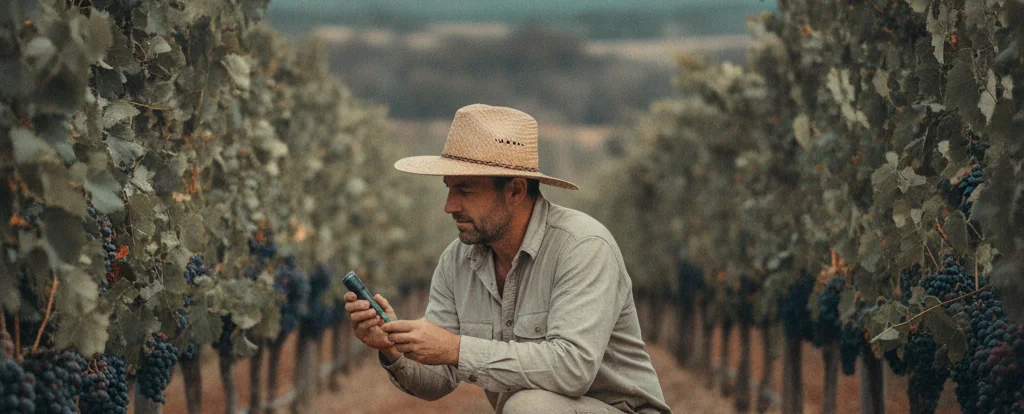
A viticulturist runs the vineyard: preparing soil, planting and training vines, managing pests and disease, and deciding when the fruit is ready to pick. The role is often confused with a winemaker, but the split is straightforward, in that viticulturists look after everything in the vineyard and winemakers take over once the grapes are picked. Most of the work sits in regional wine regions, for a winery, a contract vineyard management business or a family grower, and it usually means working across several blocks with different soils and microclimates.
How much do viticulturists earn?
The median full-time salary for a viticulturist is $64,500 per annum, before tax, up $13,600 since 2018.
Pay moves with the size of the vineyard and the employer, since large corporate vineyards and contract management companies generally pay more than small family growers. Vintage can bring overtime or a bonus in some businesses, and smaller growers sometimes offer a vehicle or on-site housing instead of a higher salary. Senior viticulturists responsible for multiple blocks or a whole region sit well above those in their first few years.
What does a viticulturist do day to day?
The list below is what fills most weeks; the exact mix shifts with seniority and whatever stage the current work is at.
- Walking blocks to catch vine health, pest pressure and disease before they spread
- Adjusting pruning and irrigation as each block develops through the season
- Testing fruit sugar, acid and flavour to pick the day to call harvest, often within a window the winemaker has set
- Servicing and cleaning tractors, sprayers and pruning gear, which takes up more of the week than the job title suggests
- Supervising contract crews through winter pruning and the vintage crush
What skills do viticulturists need?
Employers look for field research and sampling, data analysis, budgeting and forecasting, backed by Refractometer fluency and strong problem solving.
Specialist skills
- Field research and sampling
- Data analysis
- Budgeting and forecasting
- Environmental assessment
- Operations management
Software and tools
- Refractometer
- Soil testing kit
- GIS and precision agriculture software
- Tractor and pruning equipment
- Weather monitoring station
General skills
- Problem solving
- People leadership
Is the job growing?
About 8,200 people work as viticulturists in Australia, and employment is projected to grow 2.1% over the decade to 2035. That's modest growth: demand is steady rather than booming.
How do you become a viticulturist?
Here's the path most viticulturists take, step by step.
- 1Start with a qualification in viticulture, agriculture or horticulture
Charles Sturt University and the University of Adelaide both offer viticulture and oenology degrees, and TAFE colleges in wine regions run diplomas and certificates in viticulture. Around 38% of the people working as viticulturists hold a bachelor degree, though it is not the only way in. No registration or licence is required to work in the field in Australia.
- 2Get paid vineyard experience, ideally across a full season
Pruning, shoot thinning, tractor work and harvest labour are all entry jobs that need no qualification, and many people test the industry this way before committing to study. A vintage or two also tells you whether you like the physical work and the long days.
- 3Move into an assistant or technical viticulturist role
Once you can read a block, sample fruit and run a small crew, employers start handing over responsibility for specific blocks. This step usually combines study with work, and it is where the science side, soil, vine physiology and pest cycles, starts to matter more than general farm experience.
- 4Take charge of blocks, then sites
Experienced viticulturists manage the whole vineyard programme for one property or oversee several vineyards for a winery or contract business. From there the paths split into regional management, consulting or running your own vineyard management business.
Ready to apply as a viticulturist?
Whether you're working toward becoming a viticulturist or already are one and want a hand with the next step (sharpening your resume for ATS screening, tightening your cover letter, or knowing what you'll actually be asked at interview), here are examples grounded in this specific role, not generic templates.
What jobs can a viticulturist move to?
Moving into Regional Manager typically comes with the biggest pay rise, worth $47,300 a year more on average.
| Move to | Typical pay change | Overlap | Retraining |
|---|---|---|---|
| Regional Manager Viticulturists can move into regional management of vineyards with a short course in leadership or business. | +$47,300 | 45% | short course |
| Agronomist Viticulturists with a strong science interest can retrain as agronomists, though a new degree is needed. | +$43,300 | 45% | requalify |
| Farmer Viticulturists can apply their vine management and business skills to running a broader farm with minimal extra training. | −$9,900 | 42% | minimal |
Moves are chosen from Jobs and Skills Australia's Data on Occupation Mobility, which follows income tax records between 2011-12 and 2020-21, together with entry requirements and skill overlap. A known move is one people were seen making in that data. Pay change compares median full-time pay for the two roles.
Who works as a viticulturist?
The typical viticulturist is 48 years old; 72% are men, 82% work full-time, and full-timers average 45 hours a week.
- 48
- Median age
- 28%
- Female share
- 82%
- Full-time
- +5h
- vs all-jobs avg
What's it like being a viticulturist?
The vineyard sets the calendar, so the year runs on seasons: pruning in winter, canopy and irrigation work through spring and summer, then vintage in a compressed burst of long days in late summer or autumn. You spend most of it outdoors, alone or with a small team, making calls that a change in the weather can undo. People who enjoy the job tend to like watching a season's decisions show up in the fruit, and are comfortable with physical days and living in a wine region.
What people like
- Your decisions show up in the fruit. The gap between a well-managed block and a neglected one is visible by harvest, and winemakers notice who grew the better fruit.
- You work outside, close to the vines. The days are physical and varied, moving between blocks, checking fruit and running equipment rather than sitting at a desk.
- The technical side runs deeper than it looks. Soils, rootstocks, clones, canopy management and irrigation all interact, and there is always another variable worth testing.
- A close working relationship with the winemaker. Decisions about picking and block management are made together, so you see the result of your work in the bottle.
What people find hard
- The weather overrules your plan. Frost, hail, heat and rain can wipe out a season's work or force a picking decision you would rather have delayed.
- Vintage takes over your life. For several weeks the job runs to the fruit's schedule, not yours, with early starts, late finishes and little time off.
- Maintenance is a large part of the week. Cleaning sprayers, servicing tractors, repairing trellis and fixing irrigation take hours that never appear in a job description.
- The work is regional and often solitary. Most jobs are in wine regions away from the capital cities, and winter pruning can mean long days outside on your own.
Based on our synthesis of professional-body surveys and public accounts of the role, not first-person verified reviews.
Which industries employ viticulturists?
Grape and wine production employs the largest share of viticulturists, followed by Fruit and nut growing.
Top employing industries
- 1Grape and wine production
- 2Fruit and nut growing
- 3Agricultural consultancy and advisory services
Ranked by employment share; the source doesn't publish an exact percentage per industry.
| Bachelor degree | 38% | |
|---|---|---|
| Diploma / Advanced Diploma | 24% | |
| Certificate III/IV | 20% | |
| Postgraduate | 10% | |
| Other | 8% |
Will AI replace viticulturists?
AI and automation reach this job lightly. Vine health imagery from satellites or drones, soil moisture probes, weather stations and vineyard management software already shape how blocks are monitored and how records are kept, and they are getting better at flagging a problem before you see it. What they cannot do is prune a vine, judge ripeness by taste or work out why one row is struggling, so the decisions stay with the person walking the rows.
Share of typical working time by exposure level
- Pruning, training and canopy managementCuts, vine balance and canopy shape are decided by hand and eye, and no machine yet matches an experienced pruner on a mature vineyard.30%low
- Scouting for pests, disease and vine stressSensors and imagery can point to a block that needs attention, but confirming downy mildew or identifying the insect in the canopy still means getting into the vines.25%low
- Sampling fruit and calling harvestRefractometers and lab results give the numbers, and vineyard software tracks them by block, but the final pick date rests on tasting the fruit and reading the forecast.25%moderate
- Irrigation scheduling and soil monitoringSoil moisture probes and weather data now drive much of the watering programme, though someone still decides how each block's soil and vine stage change the plan.20%moderate
Common questions about becoming a viticulturist
Straight answers to the questions people ask most.
How much do viticulturists earn?
Viticulturists earn $64,500 per annum, before tax, at the median for full-time workers. Pay depends on the size of the vineyard, the employer and how much responsibility you carry, with senior roles covering multiple sites paying more. Vintage overtime or a bonus shifts the annual total in some businesses.
How do you become a viticulturist?
Most viticulturists combine a qualification in viticulture or agriculture with several seasons of hands-on vineyard work. A bachelor degree from Charles Sturt University or the University of Adelaide is the traditional route, while a TAFE diploma or certificate in viticulture is a common alternative, particularly for people already working in vineyards. Starting as a vineyard worker and studying part-time is a realistic path, and no licence or registration is required.
Are viticulturists in demand in Australia?
Viticulturists are currently in shortage in regional areas, and employment is projected to grow 2.1% over the decade to 2035. That means openings come mostly from people retiring or leaving the industry rather than from rapid expansion, so a good word from a local grower counts for a lot. Being willing to live in a wine region matters more here than in most careers, because the work cannot be done from a city office.
Will AI replace viticulturists?
No. The overall exposure is low, because the core of the job is being in the vineyard and making judgements about living plants. Soil moisture probes, weather stations and vine health imagery already help flag blocks that need a closer look, and vineyard management software handles record keeping, but someone still has to walk the rows and taste the fruit. Expect these tools to sharpen your decisions rather than make them for you.
What can a viticulturist move into?
Many viticulturists step up into regional management, overseeing several vineyards and their teams, which pays $47,300 more, while those with a strong science interest can retrain as agronomists, which pays $43,300 more but usually means completing a new degree. Taking on a broader farm is another option and pays $9,900 less, using much of the same vine and business knowledge. Some viticulturists set up their own vineyard management or contracting business, which is often where earnings grow.
What is the difference between a viticulturist and a winemaker?
A viticulturist looks after the vineyard and the grapes; a winemaker takes the picked fruit and turns it into wine. The two work closely together on harvest timing, but the viticulturist's year is shaped by pruning, canopy, irrigation and pest management, while the winemaker's is shaped by fermentation and cellaring.
Related roles
Not sure this is you? Take the career quiz and get a ranked shortlist of roles that fit how you like to work.