HomeCoursesAgricultureCertificate III
Certificate III · national qualification
Certificate III in Wine Industry Operations
This qualification prepares you for hands-on work across the wine industry, from the cellar and bottling line to the laboratory and the cellar door.
- How long it takes
- 2 years
- full time at TAFE NSW
- What it costs
- From $2,190
- Subsidised at TAFE NSW, full fee up to $12,780
- How you can study
- On campus or on the job
- Main job
- Cellar Hand
- $65,000 (estimate) median pay, In demand
- Taught by
- 5 providers
- 5 states and territories
Is this course right for you?
What the Certificate III in Wine Industry Operations asks of you, and what you might want to check first.
It helps to have
- an interest in wine production and how wine is made
- a careful approach to safety and food safety rules
- good communication skills for working in a team
- an eye for detail when keeping records and reporting
Before you start
There are no entry requirements for this qualification.
Where this course can take you
Jobs this qualification is a recognised route into, and the study that can follow it.
Jobs you can do with it
Cellar Hand
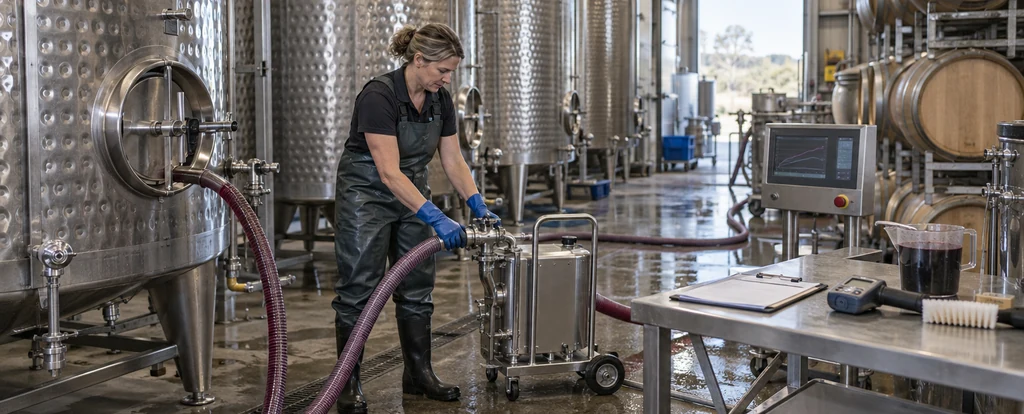
Cellar hands carry out the fermentation, barrel and tank work that turns grapes into wine.
What else you need
The certificate is normally completed while working in a winery, so you need current work in or access to a functioning winery. It is an ordinary way in but not a requirement for every cellar hand job.
Median pay$65,000 (estimate)
In demand
If you study further
Pay is the median for everyone in the job, and “In demand” means the job is on the national shortage list. Pay marked as an estimate is our own analysis, not a published figure.
What it costs
Subsidised place
From $2,190
at TAFE NSW. Whether you get a subsidised place depends on your state, residency, age and earlier study.
Paying the full fee
$12,780
across the TAFEs listed below. Private providers set their own fees.
| TAFE | State | Subsidised | Concession | Full fee | How long |
|---|---|---|---|---|---|
| TAFE NSW | NSW | $2,190 | $240 | $12,780 | 2 years |
TAFE NSWNSW
- Subsidised
- $2,190
- Concession
- $240
- Full fee
- $12,780
- How long
- 2 years
Fees as each TAFE shows them on its website, read 20 September 2026. Private providers set their own fees.
Where you can study this course
There are 5 places you can study this course. When you compare them, check they teach it the way you want to study, how far you'd be from a campus, what it will cost you and what past students say about the teaching and support. They're listed by how often people search for them, and none of them pays to be here or to move up.
- Course page for TAFE NSW (opens in a new tab)

TAFE NSW
2 campuses, NSW
4.0from 2,410 Google reviews
- How you study
- On the job
- How long
- 2 years
- Fee
- From $2,190 subsidised
What students like
- Teachers are supportive and ready to help
- Staff are helpful and friendly
- Course content is practical and industry relevant
What to weigh up
- Enrolment and admin can be slow
- Some find front desk staff less helpful
- Website for TAFE SA (opens in a new tab)

TAFE SA
26 campuses, SA
4.4from 1,339 Google reviews
What students like
- Lecturers are nice and helpful
What to weigh up
- Enrolment and admin can be slow
- Course information can be unclear
- Website for TasTAFE (opens in a new tab)
TasTAFE
12 campuses, TAS
4.3from 167 Google reviews
- Website for SuniTAFE (opens in a new tab)

SuniTAFE
2 campuses, VIC
3.8from 40 Google reviews
- Course page for South Regional TAFE (opens in a new tab)
South Regional TAFE
Margaret River, WA
5.0from 1 Google reviews
- How you study
- On campus
What you’ll learn
19 units: 4 that everyone takes and 15 you choose.
- Workplace health and safety
- Food safety procedures
- Improving work processes
- Reporting on workplace performance
- Cellar and bottling operations
- Cellar door customer service
See all 4 core units
Core units
Everyone completes these. Select a unit to see what it covers.
Loading the details for BSBWHS311…
Loading the details for BSBWHS311…
Questions to ask before you enrol
Providers run this course differently, so the answers change from one to the next.
- When is the next intake, and how many are there each year?
- What is the total cost, including materials, checks and any placement costs?
- Can I study part time or online, and how does that change the length?
- Do the units count towards a higher qualification if I go on to study further?
Questions people ask
Who is this qualification for?
It prepares you for hands-on work in the wine industry, from the cellar and bottling line to the laboratory and cellar door. You carry out skilled tasks under broad direction, and training can be tailored to winery operations, grape growing or customer service.
Do I need experience or other qualifications first?
There are no entry requirements for this qualification. Individual providers can set their own conditions, so check with the provider you choose.