- How long it takes
- 3 years
- full time
- Entry ATAR
- From 51.7
- Lowest offered at RMIT University, 2021
- How you can study
- On campus
- Taught by
- 2 providers
- VIC, SA
Is this course right for you?
What the Bachelor of Business (Logistics and Supply Chain Management) asks of you, and what you might want to check first.
It helps to have
- an interest in how goods move and reach people
- comfort with numbers and planning ahead
- clear communication skills
- a practical approach to solving problems
Before you start
Each provider sets its own entry requirements, so check the ones you are considering.
Where this course can take you
No job needs this course on its own, but it can help with the work below.
Jobs a degree can help with
None of these jobs needs a set qualification.
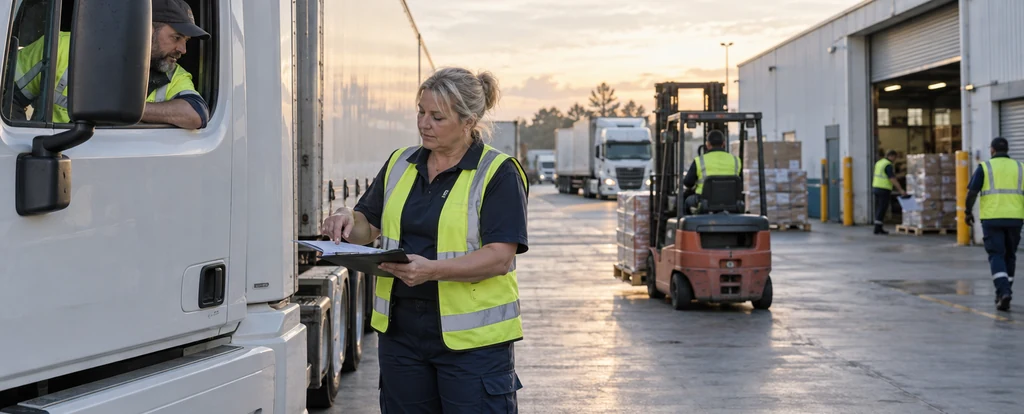
Depot Manager
A depot manager runs the daily operations of a transport or distribution depot, making sure freight, vehicles and staff are where they need to be on schedule.
Median pay$79,000 (estimate)
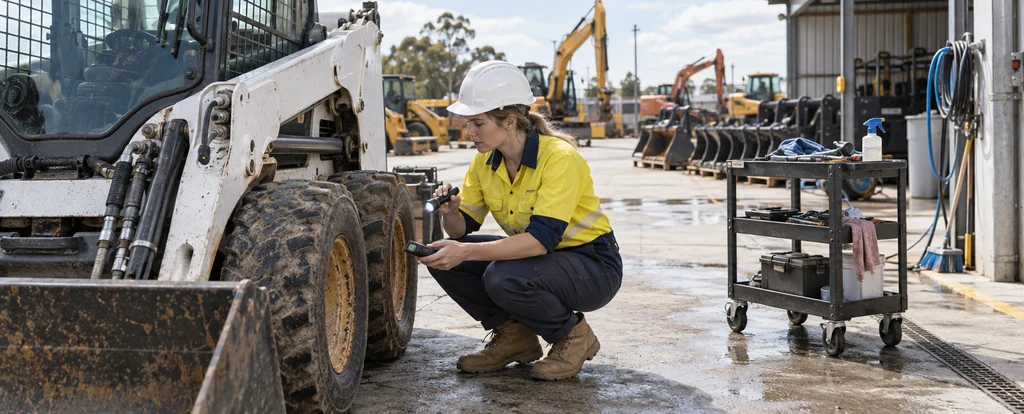
Equipment Hire Manager
Equipment hire managers run the day-to-day hiring of plant and equipment, keeping the fleet available, compliant and earning so construction, mining and farming customers can get on with their work.
Median pay$83,200 (estimate)
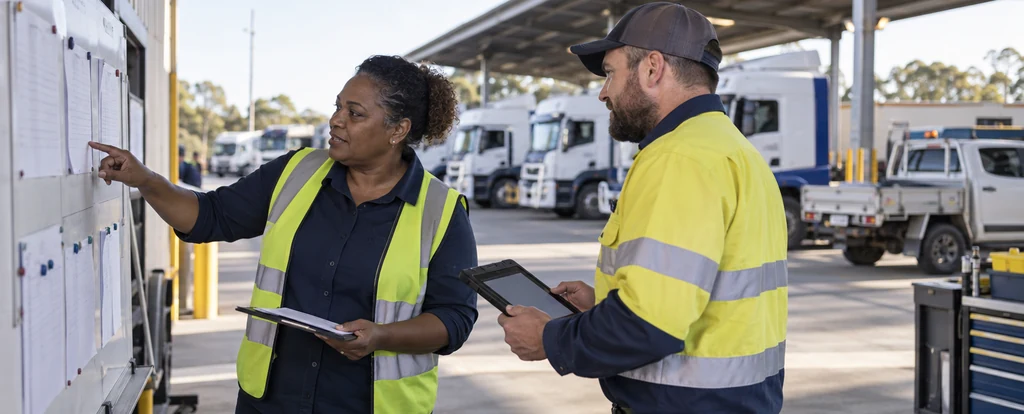
Fleet Manager
Fleet managers look after the vehicles an organisation runs, from maintenance and compliance to fuel costs and the drivers who use them.
Median pay$137,900

Logistics Coordinator
Logistics coordinators keep freight and stock moving on schedule, dealing with whatever goes wrong between an order being placed and a delivery arriving.
Median pay$54,300 (estimate)
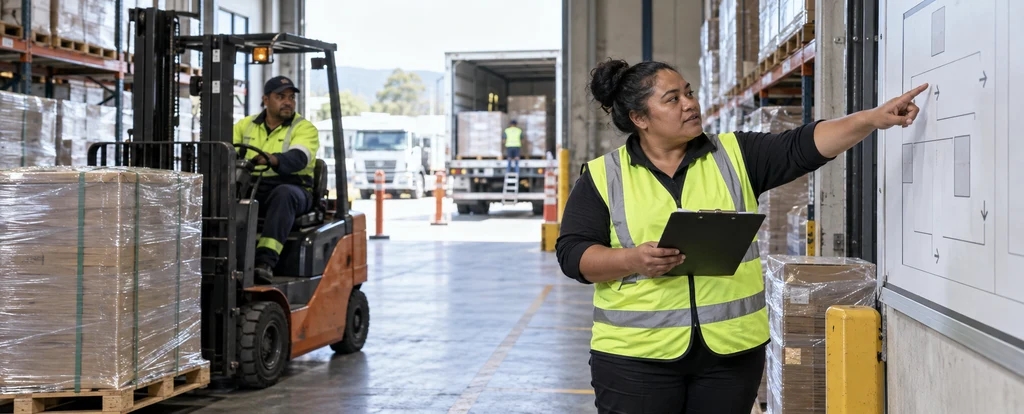
Logistics Manager
Logistics managers plan and oversee how goods move from suppliers to customers, coordinating warehousing, transport and inventory so orders arrive on time and within budget.
Median pay$147,400

Merchandise Planner
Merchandise planners decide how much stock a retailer buys and when, balancing sales, cash flow and shelf space.
Median pay$92,000 (estimate)

Operations Manager
Operations managers keep an organisation's routine work running, coordinating the staff, processes, budgets and suppliers it depends on to deliver.
Median pay$114,400 (estimate)

Procurement Manager
Procurement managers buy the goods, materials and services an organisation depends on, negotiating with suppliers on price, quality and delivery so operations are not left waiting on supply.
Median pay$147,400

Procurement Officer
Procurement officers buy the goods and services an organisation needs, and manage the suppliers and contracts behind those purchases.
Median pay$80,800

Production Manager
Production managers run the people, machinery and schedules that keep a plant producing to its output and quality targets.
Median pay$119,500
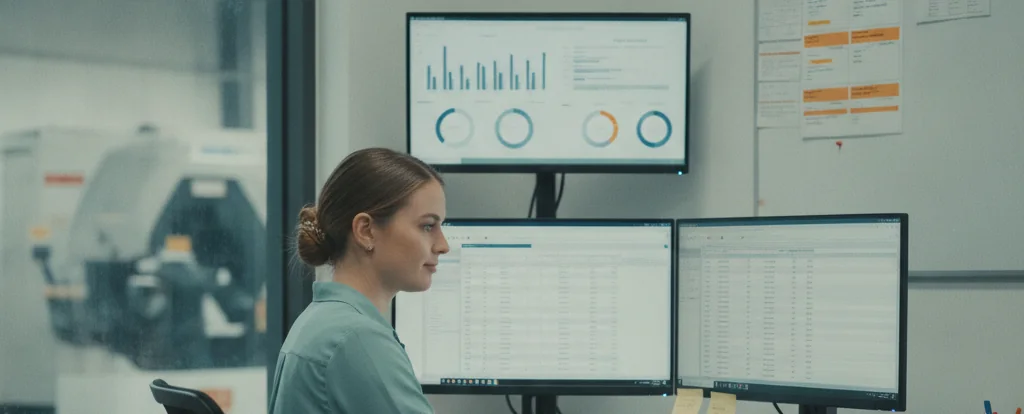
Production Planner
Production planners build the schedules that tell a factory what to make, in what order and with what materials, so machines and people are working on the right job at the right time.
Median pay$73,800 (estimate)

Purchasing Officer
Purchasing officers buy the goods and services an organisation needs, weighing up cost, quality and delivery time.
Median pay$80,800
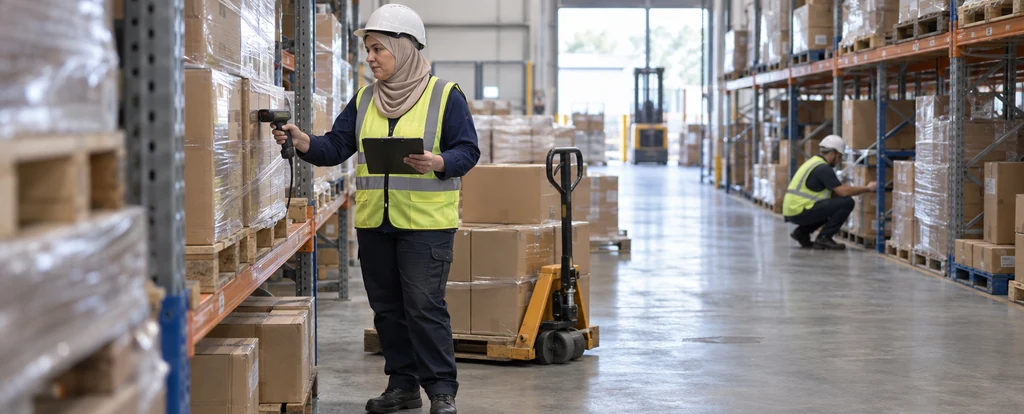
Stock Controller
Stock controllers track what arrives, what leaves and what is left, so a warehouse or store knows what it actually holds.
Median pay$80,800

Supply Chain Manager
Supply chain managers plan how goods move from supplier to customer, balancing cost, speed and reliability across the whole chain.
Median pay$147,400
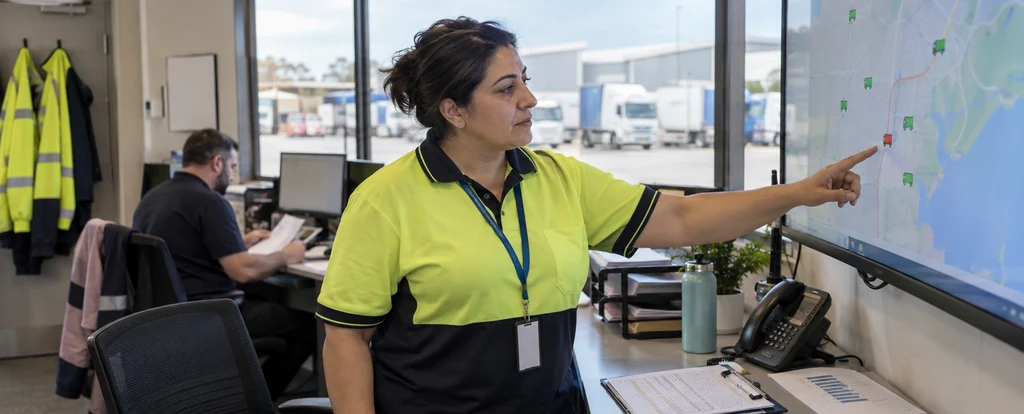
Transport Manager
A transport manager plans and controls the vehicles, drivers and schedules that keep freight and deliveries moving on time.
Median pay$137,900
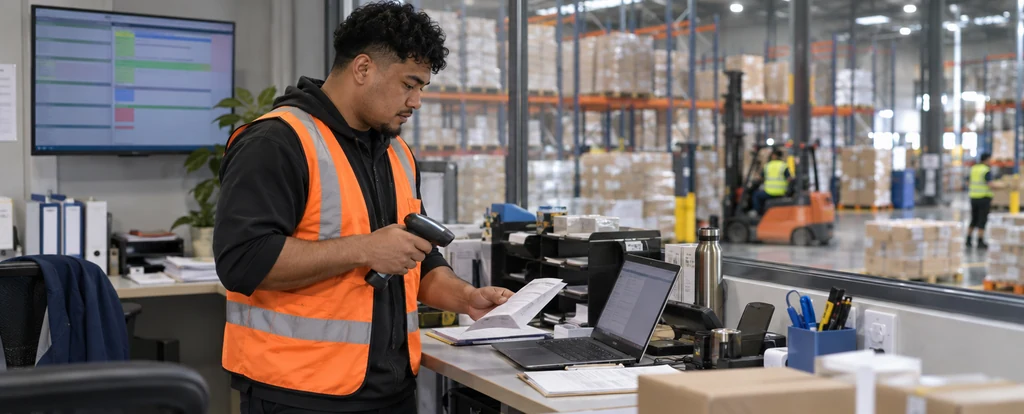
Warehouse Administrator
Warehouse administrators keep the stock records, order paperwork and delivery schedules that a warehouse runs on.
Median pay$70,200 (estimate)
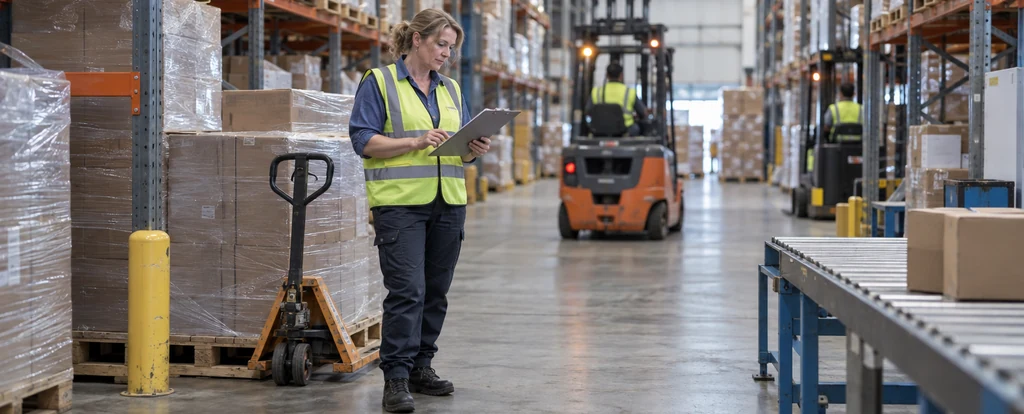
Warehouse Manager
A warehouse manager runs a storage or distribution site day to day, so stock arrives, is stored and picked accurately, and leaves on schedule.
Median pay$147,400

Category Manager
A category manager owns a product range for a retailer or wholesaler, deciding what to stock, what to charge and how to promote it.
Median pay$79,000 (estimate)

Freight Forwarder
Freight forwarders organise the movement of goods across borders, booking carriers and handling the documents that get cargo from a supplier to a buyer.
Median pay$64,500 (estimate)

Import Export Clerk
Import export clerks prepare the customs and shipping documentation that moves goods into and out of Australia, and keep shipments from stalling at the border.
Median pay$75,400 (estimate)

Importer and Exporter
Importers and exporters buy goods from overseas suppliers or sell Australian products abroad, and carry the freight, customs paperwork and payment arrangements behind each shipment.
Median pay$90,000 (estimate)

Wholesaler
Wholesalers buy stock in bulk from manufacturers, growers and importers and sell it on to retailers, trades and other businesses.
Median pay$85,800 (estimate)
Pay is the median for everyone in the job, and “In demand” means the job is on the national shortage list. Pay marked as an estimate is our own analysis, not a published figure.
Where you can study this course
There are 2 places you can study this course. When you compare them, check they teach it the way you want to study, how far you'd be from a campus, what it will cost you and what past students say about the teaching and support. They're listed by how often people search for them, and none of them pays to be here or to move up.

RMIT University
City, VIC
3.8from 1,757 Google reviews
- ATAR
- 51.7 lowest
- (65.4 median, 2021)
- How you study
- On campus
- (full or part time)

University of South Australia
City West, SA
4.3from 216 Google reviews
- How you study
- On campus
- (full or part time)
What you’ll learn
The main topics covered in the Bachelor of Business (Logistics and Supply Chain Management).
- Supply chain management
- Procurement and purchasing
- Warehousing and inventory control
- Transport and distribution
- Operations management
Questions to ask before you enrol
Providers run this course differently, so the answers change from one to the next.
- When is the next intake, and how many are there each year?
- What is the total cost, including materials, checks and any placement costs?
- Can I study part time or online, and how does that change the length?
- Do the units count towards a higher qualification if I go on to study further?