Harbour Master
A harbour master runs the day-to-day marine operations of a port, directing vessel traffic and holding statutory responsibility for safety in harbour waters.
- Median salary*
- $135,200
3.5%vs last year, before tax
- People employed*
- 250
16.7%vs last year
- Projected growth*
- +2%
to 2035
- AI exposure*
- Low
- automation risk
- Average hours*
- 42/wk
+2h vs all jobs
- Shortage status*
- Not in shortage
national
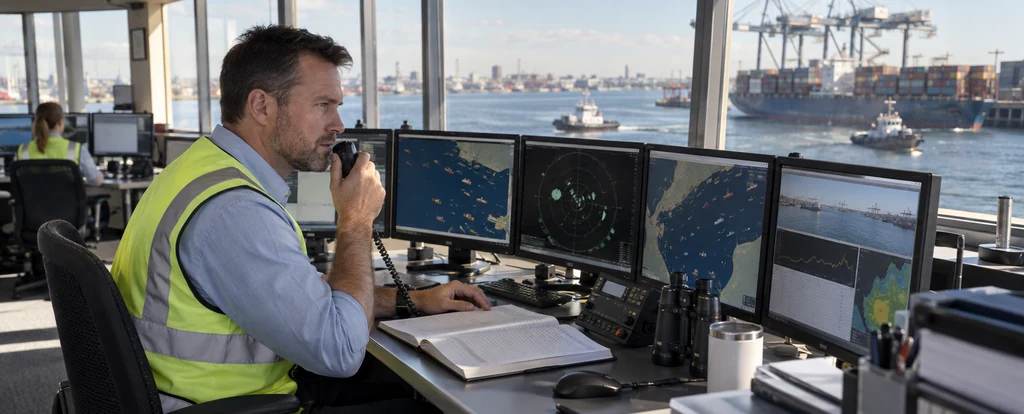
Harbour masters work from a port operations centre or harbour office, coordinating pilots, tugs, linesmen and terminal staff so ships move in and out safely. The role carries a statutory appointment over the port's waters, which sets it apart from a marine pilot who boards ships to guide them in, and from a vessel traffic service operator who monitors traffic without holding the appointment. Most work for a port authority or a state marine safety agency, with a smaller number in defence and marine support services.
How much do harbour masters earn?
The median full-time salary for a harbour master is $135,200 per annum, before tax, up $28,700 since 2018.
Pay tracks the size and traffic of the port and the enterprise agreement covering the authority, so a statutory appointment at a major commercial port sits well above one at a small regional harbour. Seniority, the breadth of the role and whether it includes after-hours on-call duty all move the figure. Ports in the capital cities generally pay more than those in regional areas.
What does a harbour master do day to day?
The list below is what fills most weeks; the exact mix shifts with seniority and whatever stage the current work is at.
- Coordinating vessel arrivals and departures against berth availability, tide and weather
- Managing towage and mooring services, and issuing movement permissions
- Enforcing port safety, security and environmental rules, including pollution response
- Leading the response to groundings, spills and other emergencies inside port waters
- Liaising with shipping agents, terminal operators and the state marine regulator
What skills do harbour masters need?
Employers look for operations management, regulatory compliance, emergency response, backed by Vessel traffic management system (VTMS) fluency and strong safety and compliance awareness.
Specialist skills
- Operations management
- Regulatory compliance
- Emergency response
Software and tools
- Vessel traffic management system (VTMS)
- Automatic Identification System (AIS)
- Port management software
- Marine radio
- Weather monitoring systems
General skills
- Safety and compliance awareness
- Stakeholder management
- People leadership
- Problem solving
- Written communication
Is the job growing?
About 250 people work as harbour masters in Australia, and employment is projected to grow 2% over the decade to 2035. That's modest growth: demand is steady rather than booming.
How do you become a harbour master?
Here's the path most harbour masters take, step by step.
- 1Start at sea or in port operations
Most harbour masters come from a seagoing career as a deck officer, or from vessel traffic service work, where they learn how ships handle and how a port fits together before taking responsibility for it.
- 2Earn an AMSA certificate of competency
Deck officers progress through watchkeeper and then master certification issued by the Australian Maritime Safety Authority. The sea time and exams take years, and a master certificate is what gives a harbour master standing with the ships they direct.
- 3Move into harbour management
Deputy harbour master and port operations roles are the usual stepping stones. Among harbour masters, about 52% hold a bachelor degree and 26% have postgraduate qualifications, often in maritime operations or port management.
- 4Apply for appointment
Harbour master is a statutory appointment made by a port authority or a state marine agency, and in some states the function sits with the government marine safety regulator. Vacancies are advertised rarely and often filled from inside, so building a reputation within a port is the most common route.
Ready to apply as a harbour master?
Whether you're working toward becoming a harbour master or already are one and want a hand with the next step (sharpening your resume for ATS screening, tightening your cover letter, or knowing what you'll actually be asked at interview), here are examples grounded in this specific role, not generic templates.
What jobs can a harbour master move to?
Moving into Ship Captain typically comes with the biggest pay rise, worth $39,800 a year more on average.
| Move to | Typical pay change | Overlap | Retraining |
|---|---|---|---|
| Ship Captain Harbour masters can return to sea command, applying harbour operations experience to ship handling with a short course. | +$39,800 | 60% | short course |
| Marine Pilot Harbour masters bring port approach and vessel traffic knowledge to pilotage, though a marine pilot endorsement is required. | +$10,400 | 44% | reskill |
Moves are chosen from Jobs and Skills Australia's Data on Occupation Mobility, which follows income tax records between 2011-12 and 2020-21, together with entry requirements and skill overlap. A known move is one people were seen making in that data. Pay change compares median full-time pay for the two roles.
Who works as a harbour master?
The typical harbour master is 50 years old; 88% are men, 95% work full-time, and full-timers average 42 hours a week.
- 50
- Median age
- 12%
- Female share
- 95%
- Full-time
- +2h
- vs all-jobs avg
What's it like being a harbour master?
The rhythm of the job follows shipping schedules and the weather rather than a fixed desk day, with routine periods broken by berthing windows, poor conditions or an incident. The pressure is concentrated: most decisions are ordinary, and the ones that aren't are made quickly, often in front of other people, and written up afterwards. It suits someone who is comfortable holding responsibility and explaining a decision to people who would rather hear something else.
What people like
- Decisions that carry real authority. The statutory appointment means a closed berth or a delayed sailing is an instruction, not a suggestion, and everyone in the port knows it.
- Seeing a port work as one system. Tugs, linesmen, agents and terminal crews all move to the same plan, and the harbour master is the one joining it up.
- A small industry where reputations travel. The occupation is small enough that most harbour masters know each other by name, and hard-won experience is recognised quickly.
- Time outdoors and on the water. The job is not confined to a control room, with berth checks, harbour inspections and vessel visits part of the working week.
What people find hard
- On call around the clock. Groundings, spills and medical evacuations don't keep office hours, and the harbour master is usually the first call.
- Nights, weekends and public holidays. Ports operate continuously, so ship schedules push part of the work outside standard hours.
- Reporting and investigation work. Incident reports, investigation findings and compliance with state marine legislation take time away from the operational side of the role.
- Few openings when you want one. A small occupation with low turnover means vacancies appear slowly, and often go to someone already working inside the port.
Based on our synthesis of professional-body surveys and public accounts of the role, not first-person verified reviews.
Which industries employ harbour masters?
Port and water transport terminal operations employs the largest share of harbour masters, followed by Government administration (marine safety).
Top employing industries
- 1Port and water transport terminal operations
- 2Government administration (marine safety)
- 3Marine transport support services
- 4Defence
Ranked by employment share; the source doesn't publish an exact percentage per industry.
| Bachelor degree | 52% | |
|---|---|---|
| Postgraduate | 26% | |
| Diploma / Advanced Diploma | 13% | |
| Other | 9% |
Will AI replace harbour masters?
AI and automation have a limited reach into this job, because the core of it is a statutory appointment over a specific stretch of water. Vessel traffic management systems, AIS and port scheduling software have been part of the role for years, and they mostly sharpen the picture the harbour master is already working from rather than making the decision. The parts that remain firmly human are the movement permissions, the direction of tugs and mooring crews on the day, and command during an incident.
Share of typical working time by exposure level
- Directing towage and mooring movementsDeciding whether a ship sails in the current swell, and telling the tug master so, depends on conditions on the day that no system can weigh for you.35%low
- Watching traffic, weather and berth availabilityVessel traffic management systems and AIS already fuse radar, tracking and weather feeds into one screen, which speeds up monitoring but still leaves the harbour master to read the situation.25%moderate
- Commanding the response to an incidentA grounding or a fuel spill brings the harbour master into a statutory role coordinating vessels, emergency services and the regulator, where the decisions are theirs to make and defend.25%low
- Permits, logs and incident paperworkMovement permissions, dangerous goods notifications and incident reports are increasingly generated and filed through port management software, cutting the administrative load.15%high
Common questions about becoming a harbour master
Straight answers to the questions people ask most.
How much does a harbour master earn?
The median for a full-time harbour master is $135,200 per year before tax, which places the role among the better-paid jobs in transport and logistics. The figure moves most with the size and traffic of the port and the enterprise agreement covering the authority. A statutory appointment at a major commercial port sits near the top of the range, and a small regional harbour near the bottom.
How do you become a harbour master?
Most harbour masters arrive after a seagoing career as a deck officer, or from senior vessel traffic service work, rather than through a dedicated qualification. They hold a certificate of competency from the Australian Maritime Safety Authority, often at master level, and usually spend time as a deputy harbour master or in port operations first. The appointment itself is made by a port authority or state marine agency.
Are harbour masters in demand?
About 250 people work as harbour masters nationally, and employment is projected to grow 2% over the decade to 2035. Harbour masters are currently not in shortage. Openings tend to appear when someone retires or moves into a broader port management role, and because ports are concentrated in the capital cities, being willing to relocate helps.
Will AI replace harbour masters?
No, though it is changing how the role is monitored. Vessel traffic management systems already fuse AIS, radar and weather data, and port management software handles much of the scheduling and record keeping. A berth closure, a pollution response or a decision to hold a ship still rests on the judgement of the appointed harbour master.
What can a harbour master move into?
Returning to sea as a ship captain is one step, drawing on the command experience the role already requires, and the pay difference is $39,800 more. Ship captains and vessel traffic service operators also come the other way into harbour management, bringing seagoing command or harbour traffic monitoring with them. Some harbour masters move on to wider port operations or general management of the authority.
Do you have to have been a ship's captain?
Not always. Harbour masters have come from vessel traffic service and port operations backgrounds as well as from sea command, but most hold a master or equivalent certificate of competency. The certification matters because the role involves directing people who hold one themselves.
Related roles
- Marine Pilot
- Ship Captain
- Ship Captain
- Vessel Traffic Service Operator
- Deck Officer
- Transport Operations Inspector
Not sure this is you? Take the career quiz and get a ranked shortlist of roles that fit how you like to work.