Transport Operations Inspector
Transport operations inspectors check vehicles, drivers and operators against transport law, keeping road freight and passenger services safe and compliant.
- Median salary*
- $88,400
3.8%vs last year, before tax
- People employed
- 1,200
0.0%vs last year
- Projected growth
- +7%
to 2035
- AI exposure*
- Moderate
- automation risk
- Average hours
- 41/wk
+1h vs all jobs
- Shortage status
- Not in shortage
national
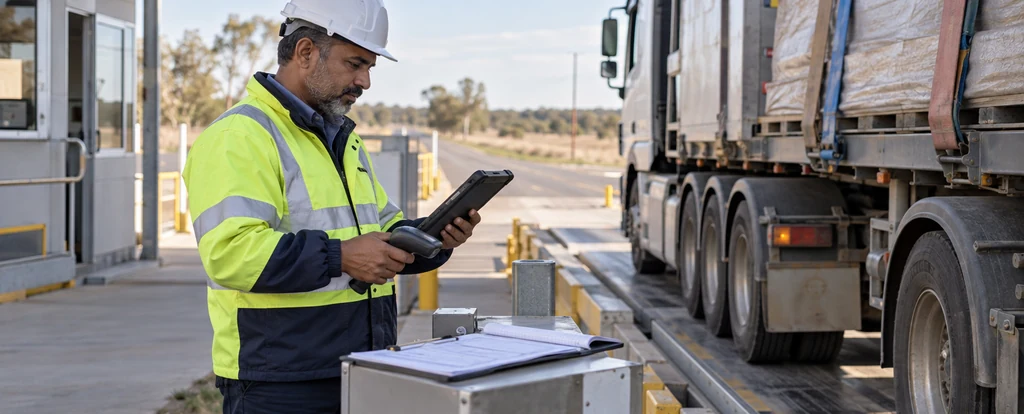
Most work for a state or territory transport regulator, a police service or a local council, and split their week between roadside and weighbridge sites and a desk. The role sits closer to enforcement than a transport manager's job: where a manager plans services and rosters, an inspector tests whether a vehicle, a driver's hours and a load actually meet the rules. They also handle complaints about operators and put together the evidence when a matter goes to court or a tribunal.
How much do transport operations inspectors earn?
The median full-time salary for a transport operations inspector is $88,400 per annum, before tax, up $18,300 since 2018.
What you earn depends heavily on who employs you, because state and territory regulators run their own classification scales while local councils and private compliance contractors set their own. Shift work, weekend and public holiday penalties, and remote or regional postings usually add to the base rate.
What does a transport operations inspector do day to day?
The list below is what fills most weeks; the exact mix shifts with seniority and whatever stage the current work is at.
- Inspecting heavy vehicles and their loads at roadside and weighbridge sites
- Checking driver licences, work diaries and load documents against mass, fatigue and registration rules
- Issuing defect and infringement notices, then following up on repairs
- Investigating complaints and incidents involving transport operators and drivers
- Preparing inspection reports and briefs of evidence for court or tribunal proceedings
What skills do transport operations inspectors need?
Employers look for regulatory compliance, operations management, field inspection and testing, backed by Inspection reporting apps fluency and strong safety and compliance awareness.
Specialist skills
- Regulatory compliance
- Operations management
- Field inspection and testing
Software and tools
- Inspection reporting apps
- Weighbridge software
- Vehicle telematics platforms
- Automatic number plate recognition systems
- Microsoft Excel
General skills
- Safety and compliance awareness
- Attention to detail
- Stakeholder management
- Written communication
- Problem solving
Is the job growing?
About 1,200 people work as transport operations inspectors in Australia, and employment is projected to grow 7% over the decade to 2035. That's modest growth: demand is steady rather than booming.
How do you become a transport operations inspector?
Here's the path most transport operations inspectors take, step by step.
- 1Finish school and take a transport or compliance qualification
A certificate III or IV in transport and logistics, business or a related field is the qualification most people in the role hold (32% of them), and it gives you the vocabulary of mass limits, load restraint and fatigue rules. Some entrants start with year 12 and pick up the study once they are working.
- 2Get road transport experience
Time as a heavy vehicle driver, dispatcher, weighbridge operator or transport office administrator teaches you how the freight task actually runs and how operators record their hours, which makes the inspection work much easier to pick up.
- 3Apply to a regulator, police service or council
Each agency runs its own recruitment, typically with a police check, a medical and a driving record check. A current driver licence is standard, and some inspection roles ask for a heavy vehicle licence.
- 4Complete the agency's inspection and enforcement training
New inspectors learn the relevant transport law, the agency's powers, inspection procedures and how to gather evidence that will stand up if a decision is challenged. This training is paid and done on the job, sometimes alongside a formal qualification.
- 5Build a specialist area
Experienced inspectors often move into dangerous goods, heavy vehicle accreditation auditing, or fatigue and mass management, where the work is more technical and the pay sits higher. Further study in compliance, or a move into transport management, are the other common directions.
Ready to apply as a transport operations inspector?
Whether you're working toward becoming a transport operations inspector or already are one and want a hand with the next step (sharpening your resume for ATS screening, tightening your cover letter, or knowing what you'll actually be asked at interview), here are examples grounded in this specific role, not generic templates.
What jobs can a transport operations inspector move to?
Moving into Transport Manager typically comes with the biggest pay rise, worth $49,500 a year more on average.
| Move to | Typical pay change | Overlap | Retraining |
|---|---|---|---|
| Transport Manager Inspectors bring regulatory knowledge and transport operations experience to managing services, though business and people leadership need further study.Known move | +$49,500 | 36% | reskill |
| Truck Driver Inspectors bring compliance knowledge and road transport experience to truck driving, with licensing and heavy vehicle training required.Known move | +$13,500 | 19% | reskill |
| Bus Driver Inspectors know road rules and vehicle compliance, which transfers to bus driving, but licensing and passenger safety training are required.Known move | +$4,900 | 18% | reskill |
| Aerodrome Reporting Officer Inspectors bring safety inspection and reporting skills to aerodrome checks, with short aviation-specific training. | +$2,600 | 93% | short course |
| Trade Measurement Inspector Inspectors bring regulatory enforcement and compliance skills to trade measurement, with short training in measurement law. | −$5,200 | 59% | short course |
Moves are chosen from Jobs and Skills Australia's Data on Occupation Mobility, which follows income tax records between 2011-12 and 2020-21, together with entry requirements and skill overlap. A known move is one people were seen making in that data. Pay change compares median full-time pay for the two roles.
Who works as a transport operations inspector?
The typical transport operations inspector is 47 years old; 74% are men, 90% work full-time, and full-timers average 41 hours a week.
- 47
- Median age
- 26%
- Female share
- 90%
- Full-time
- +1h
- vs all-jobs avg
What's it like being a transport operations inspector?
The job has two settings: outside, where a shift can mean standing at a weighbridge in the rain checking a livestock truck, and inside, where the same vehicle becomes a report, a file and sometimes a brief of evidence. Inspectors need to stay steady with people who are often unhappy to see them, because most roadside encounters are with drivers facing a defect notice or a fine. If you like rules that are written down and work with a visible result, the enforcement side is satisfying; if you want variety of task rather than variety of place, some days can feel repetitive.
What people like
- The rules are written down. Mass limits, work diary requirements and defect standards are set in legislation, so most decisions come down to evidence rather than guesswork.
- Part of the week is outside. Roadside and weighbridge shifts break up the reporting, and you see how freight, livestock and dangerous goods actually move.
- Outcomes you can point to. A truck repaired after a defect notice, or an operator penalised for falsified records, is a visible result of your work.
- You learn an industry from the inside. Dealing with drivers, fleet managers and small operators builds road transport knowledge that transfers well to management roles later.
What people find hard
- Many of your conversations start badly. A driver pulled over for an overloaded truck or an expired registration is rarely pleased to see you, and some encounters stay tense.
- Shifts, weather and roadside hours. Inspections run early mornings, nights and weekends, and much of the work happens beside a highway or on a weighbridge in heat, rain and cold.
- Enforcement is slow and paper-heavy. Investigations, briefs of evidence and court or tribunal matters can run for months, so the result of a case often arrives long after the inspection.
- Consistency is scrutinised. Decisions can be reviewed or disputed, so inspectors need to record what they saw and why they acted, every time.
Based on our synthesis of professional-body surveys and public accounts of the role, not first-person verified reviews.
Which industries employ transport operations inspectors?
Transport, Postal and Warehousing employs the largest share of transport operations inspectors, followed by Public Administration and Safety.
Top employing industries
- 1Transport, Postal and Warehousing
- 2Public Administration and Safety
Ranked by employment share; the source doesn't publish an exact percentage per industry.
| Certificate III/IV | 32% | |
|---|---|---|
| Year 12 or below | 25.2% | |
| Diploma / Advanced Diploma | 16.6% | |
| Bachelor degree | 15% | |
| Postgraduate | 6.8% |
Will AI replace transport operations inspectors?
AI and automation have a moderate reach into this job. Weighbridge software, automatic number plate recognition and telematics do much of the screening, flagging vehicles for mass, registration or fatigue issues before an inspector looks at them, and report templates speed up the paperwork. What they do not do is inspect a vehicle, question a driver or decide whether a breach should go to court, and those parts of the work remain hands-on and judgement-based.
Share of typical working time by exposure level
- Roadside and weighbridge inspectionsChecking brakes, tyres, load restraint and dangerous goods placards is physical work that automated screening can flag but cannot carry out.35%low
- Reviewing work diaries, licences and load recordsWeighbridge and telematics systems cross-check mass, registration and hours automatically, which narrows what an inspector verifies by hand but not whether a breach stands.25%moderate
- Writing inspection reports and briefs of evidenceTemplates and dictation tools draft much of a running sheet from inspection notes, though the facts and the legal elements still have to be got right.20%high
- Investigating complaints and interviewing operators and driversQuestioning a driver or a fleet manager, weighing conflicting accounts and deciding what to pursue stay with the inspector.20%low
Common questions about becoming a transport operations inspector
Straight answers to the questions people ask most.
How much do transport operations inspectors earn?
Transport operations inspectors earn a median of $88,400 per year before tax. What you take home depends on the classification scale of the agency you work for and on penalties for shift, weekend and public holiday work.
How do you become a transport operations inspector?
Most entrants combine a certificate III or IV in transport, logistics or compliance with operational experience in road transport, then apply through a state or territory regulator, a police service or a local council. Recruitment usually includes a police check, a medical and a driving record check, and the inspection and enforcement training happens on the job.
Are transport operations inspectors in demand?
Transport operations inspectors are currently not in shortage, and employment is projected to grow 7% over the decade to 2035. It is a small occupation, with about 1,200 people working in it, so vacancies tend to appear when an agency adds to its compliance team or an experienced inspector moves on.
Will AI replace transport operations inspectors?
Parts of the job are already automated, but the role itself is not. Automatic number plate recognition, weighbridge software and telematics flag vehicles and cross-check mass, registration and fatigue records, which narrows the paperwork, while the vehicle inspection, the conversation with the driver and the decision to prosecute stay with a person.
What can transport operations inspectors move into?
Some move into transport management, where their regulatory knowledge and operational experience carry across, though the business and people leadership side needs further study; that move pays $49,500 more. Others take on aerodrome reporting, which uses the same inspection and reporting skills with a short aviation course, or trade measurement inspection, where regulatory enforcement transfers with short training in measurement law.
Do you need a heavy vehicle licence to be a transport operations inspector?
Not always, but a current driver licence is essential and some agencies prefer or require a heavy vehicle licence because inspectors need to understand what drivers are working with. Requirements vary by state and territory, so check the individual role before you apply.
Related roles
- Transport Manager
- Bus Driver
- Truck Driver
- Aerodrome Reporting Officer
- Trade Measurement Inspector
- Bus Driver
Not sure this is you? Take the career quiz and get a ranked shortlist of roles that fit how you like to work.