Ward Clerk
Ward clerks keep the administrative side of a hospital ward running, handling admissions, patient records and enquiries so clinical staff can stay with patients.
- Median salary*
- $67,600
3.5%vs last year, before tax
- People employed
- 9,200
0.0%vs last year
- Projected growth*
- +4%
to 2035
- AI exposure*
- Moderate
- automation risk
- Average hours*
- 38/wk
−2h vs all jobs
- Shortage status*
- Not in shortage
national
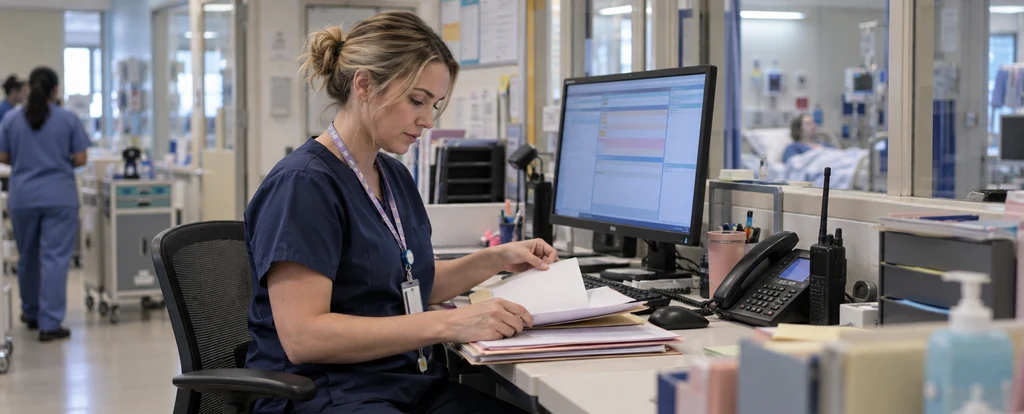
Ward clerks work at the front desk of a hospital ward, day surgery unit or outpatient clinic, alongside the nursing staff rather than in a separate administration office. They are the first point of contact for patients arriving for admission and the person nurses and doctors ring for a bed, a file or a phone number. The role is often confused with medical reception, which is based in a general practice and centres on bookings, while a ward clerk follows the patient through their stay on the ward.
How much do ward clerks earn?
The median full-time salary for a ward clerk is $67,600 per annum, before tax, up $14,400 since 2018.
Ward clerk pay comes from the hospital enterprise agreement that covers the ward, so rates differ between public health services, private hospitals and states. Shift and weekend penalties, and whether the role is permanent or filled through a casual agency, change what lands in your pay each fortnight. Senior ward clerk and bed management positions sit at a higher classification where a hospital has them.
What does a ward clerk do day to day?
The list below is what fills most weeks; the exact mix shifts with seniority and whatever stage the current work is at.
- Admitting, transferring and discharging patients in the ward's patient management system, from bed allocation through to discharge paperwork
- Keeping patient records and ward files current, including filing test results and clinical notes into the right history
- Answering the ward phone and the front desk, taking enquiries from families, GPs and other hospital departments
- Booking patient appointments, transport and follow-up clinics, and rescheduling the ones that change
- Ordering ward supplies and processing invoices, requisitions and timesheets
What skills do ward clerks need?
Employers look for medical administration and records, rostering and venue operations, backed by Cerner Millennium fluency and strong written communication.
Specialist skills
- Medical administration and records
- Rostering and venue operations
Software and tools
- Cerner Millennium
- iPM
- TrakCare
- Kronos
- Microsoft Office
General skills
- Written communication
- Customer service
- Attention to detail
- Digital literacy
- Stakeholder management
Is the job growing?
About 9,200 people work as ward clerks in Australia, and employment is projected to grow 4% over the decade to 2035. That's modest growth: demand is steady rather than booming.
How do you become a ward clerk?
Here's the path most ward clerks take, step by step.
- 1Finish Year 12 or an equivalent
A senior secondary certificate helps but is not essential, since 20% of ward clerks hold Year 12 or below and come into the role through general office or reception work.
- 2Complete a Certificate III in Health Administration
The certificate covers medical terminology, patient records, privacy and the systems you will use, and many hospitals run it as a traineeship so you are paid while you study. TAFE and private providers both offer it.
- 3Apply to a public or private hospital
Public hospital recruitment runs through the state health service and can take a few months, while private hospitals advertise directly. A criminal history check and vaccination evidence are standard before you start on a ward.
- 4Learn the ward's patient management system
Cerner Millennium, iPM and TrakCare are the common systems, and each hospital runs its own version, so the first weeks go into admissions, discharges and where records go. This is where a new clerk becomes genuinely useful to the ward.
- 5Study further for senior work
A Certificate IV or Diploma of Health Administration (11218NAT) opens senior ward clerk, bed management and team leader roles, and shortens the move into clinical coding or practice management.
Ready to apply as a ward clerk?
Whether you're working toward becoming a ward clerk or already are one and want a hand with the next step (sharpening your resume for ATS screening, tightening your cover letter, or knowing what you'll actually be asked at interview), here are examples grounded in this specific role, not generic templates.
What jobs can a ward clerk move to?
Moving into Practice Manager typically comes with the biggest pay rise, worth $18,500 a year more on average.
| Move to | Typical pay change | Overlap | Retraining |
|---|---|---|---|
| Practice Manager Ward clerks understand health administration and patient flow, giving a base for managing staff and practice operations. | +$18,500 | 8% | reskill |
| Clinical Coder Ward clerks read patient records and clinical language, which supports the extra coding certificate needed for clinical coding. | +$4,700 | 33% | reskill |
| Medical Receptionist Ward clerks bring patient admissions, hospital records and medical terminology to front desk reception in a medical practice. | −$3,700 | 47% | short course |
Moves are chosen from Jobs and Skills Australia's Data on Occupation Mobility, which follows income tax records between 2011-12 and 2020-21, together with entry requirements and skill overlap. A known move is one people were seen making in that data. Pay change compares median full-time pay for the two roles.
Who works as a ward clerk?
The typical ward clerk is 48 years old; 92% are women, 48% work full-time, and full-timers average 38 hours a week.
- 48
- Median age
- 92%
- Female share
- 48%
- Full-time
- −2h
- vs all-jobs avg
What's it like being a ward clerk?
The ward sets the rhythm: mornings bring admissions and bed movements, afternoons bring discharges and paperwork, and the phone runs through all of it. The work suits people who like being in the middle of things and can hold a queue of small tasks in their head without dropping any. The trade-off is that the desk is never quiet, and you are often the person absorbing other people's stress.
What people like
- You know how the ward is running. The bed board, the discharges and the transfers all pass through your desk, so you usually have a clearer picture of the ward than almost anyone else on it.
- Nurses and doctors depend on you. A quick answer about a patient's paperwork or the right phone number saves a nurse a trip, and that kind of help gets noticed.
- The systems are learnable. Patient management programs such as Cerner Millennium, iPM and TrakCare take a few weeks to pick up, and once you know one hospital's setup the next one feels familiar.
- There is a path beyond the desk. Ward clerks who take on further study can move into clinical coding, bed management or practice management without leaving health administration.
What people find hard
- The interruptions never stop. You can be halfway through an admission when the phone rings, a family arrives and a nurse needs a file, and the paperwork still has to be finished.
- Shifts come with the ward. Larger hospitals roster clerks across seven days, so early starts, late finishes and weekend shifts are part of the job rather than the exception.
- Errors are visible. A misspelt name or a record filed in the wrong history can follow a patient through their stay, so attention to detail matters more here than in most general office work.
- Some days are heavy. You sit close to families on the worst days of their lives, and there is only so much a clerk at a desk can do about that.
Based on our synthesis of professional-body surveys and public accounts of the role, not first-person verified reviews.
Which industries employ ward clerks?
Health Care and Social Assistance employs the largest share of ward clerks, followed by Public Administration and Safety.
Top employing industries
- 1Health Care and Social Assistance
- 2Public Administration and Safety
Ranked by employment share; the source doesn't publish an exact percentage per industry.
| Certificate III/IV | 34% | |
|---|---|---|
| Diploma / Advanced Diploma | 26% | |
| Bachelor degree | 20% | |
| Year 12 or below | 20% |
Will AI replace ward clerks?
Ward clerking carries moderate exposure to AI. Document scanning, record indexing, appointment reminders and parts of the admission workflow are already automated in many hospital systems, which shrinks the typing and filing side of the job. What keeps the role from being more exposed is that the desk sits in the middle of the ward, so someone still has to meet the patient, sort out the bed that just changed and work out who to ring.
Share of typical working time by exposure level
- Admitting and discharging patientsPatient management systems increasingly pre-fill details from referrals, but a clerk still checks them against the person at the desk and against the bed that is actually free.30%moderate
- Answering the ward phone and front deskFamilies, GPs and other departments ring with questions that need a person who knows this ward and who to transfer them to.25%low
- Filing and updating patient recordsScanning, indexing and pulling records is the most automated part of the week, as document capture tools sort incoming paperwork and flag it for a quick check.25%high
- Booking appointments, transport and follow-up clinicsScheduling software catches clashes and sends reminders, but cancellations, same-day changes and transport that arrives early still need a clerk to untangle.20%moderate
Common questions about becoming a ward clerk
Straight answers to the questions people ask most.
How much does a ward clerk earn?
Ward clerks earn a median of $67,600 per year before tax, based on full-time workers. Hospital enterprise agreements set the rates, so public and private hospitals and different states pay differently, and shift and weekend penalties add to the base.
How do I become a ward clerk?
Most ward clerks start with a Certificate III in Health Administration (HLT37315), which many hospitals offer as a traineeship so you earn while you learn. You can also apply straight from Year 12 or from general reception work, since hospitals train new clerks on their own patient management system. A criminal history check and vaccination evidence are standard requirements before you start on a ward.
Are ward clerks in demand?
Ward clerks are currently not in shortage, and employment is projected to grow 4% over the decade to 2035. Hospital administrative work follows the level of activity in the health system, so new wards, day surgery units and outpatient clinics are what create openings. Turnover adds to that, since many clerks move on into coding, bed management or practice management.
Will AI replace ward clerks?
The typing and filing side of the job is the part most exposed, with document scanning, record indexing and appointment reminders already automated in many hospital systems. What is not automated is the desk itself: someone has to meet the patient, sort out the bed that just changed and decide who to ring. That keeps the role itself in place while changing how much of the day goes into paper.
What can a ward clerk move on to?
Clinical coding is a common step, and clinical coders earn $4,700 more than ward clerks, because the move builds on reading clinical records closely and needs a coding certificate. Practice management is the other direction, paying $18,500 more, and it draws on the same understanding of patient flow and health administration. Some clerks move to medical reception in a general practice, where the work is calmer and the pay is lower.
What hours do ward clerks work?
Full-time ward clerks average around 38 hours a week, and many wards run rosters across seven days. That means early, late and weekend shifts are common in larger hospitals, while clerks in day surgery and outpatient clinics often work closer to standard office hours.
Related roles
- Medical Receptionist
- Clinical Coder
- Practice Manager
- Medical Receptionist
- Receptionist
- Pharmacy Technician
Not sure this is you? Take the career quiz and get a ranked shortlist of roles that fit how you like to work.